Queensland is Australia's second-largest state, stretching from the subtropical southeast to the tropical north, encompassing the Great Barrier Reef, ancient rainforests, and over 7,000 kilometres of coastline. Known as the Sunshine State, it offers world-class diving, golden beaches, vibrant cities, and extraordinary wildlife experiences.
Queensland is Australia's Sunshine State, home to the Great Barrier Reef — the world's largest coral ecosystem — alongside ancient Daintree Rainforest, the stunning Whitsunday Islands, the cosmopolitan city of Brisbane, and the surf-and-theme-park playground of the Gold Coast. The state offers an unmatched diversity of landscapes, from volcanic tablelands and red-rock gorges to tropical islands and white-sand beaches.
The 27 destinations our editors recommend — from iconic landmarks to under-the-radar finds.
Great Barrier Reef
The world's largest coral reef system stretching over 2,300 km along the Queensland coast, comprising over 2,900 individual reefs and 900 islands. A UNESCO World Heritage Site teeming with marine biodiversity including 1,600 species of fish, sea turtles, dolphins, and manta rays.
Daintree Rainforest
The world's oldest continuously surviving tropical rainforest, estimated at over 135 million years old and part of the Wet Tropics of Queensland UNESCO World Heritage Area. Home to a remarkable array of endemic plants and animals including the Southern Cassowary.
Whitsunday Islands & Whitehaven Beach
An archipelago of 74 tropical islands in the heart of the Great Barrier Reef Marine Park. Whitehaven Beach on Whitsunday Island is consistently rated among the world's best beaches, featuring 7 km of pure silica sand swirled with turquoise waters at Hill Inlet lookout.
Gold Coast Beaches & Surfers Paradise
Australia's glittering playground, offering 57 km of golden beaches, world-class surf breaks, high-rise skyline, and a buzzing entertainment scene. Surfers Paradise Beach is the iconic centre, with Broadbeach, Burleigh Heads, and Coolangatta offering quieter alternatives.
Fraser Island (K'gari)
The world's largest sand island and a UNESCO World Heritage Site, stretching 123 km along Queensland's southeast coast. K'gari features ancient rainforests growing on sand, freshwater perched lakes including the crystal-clear Lake McKenzie, and roaming dingoes.
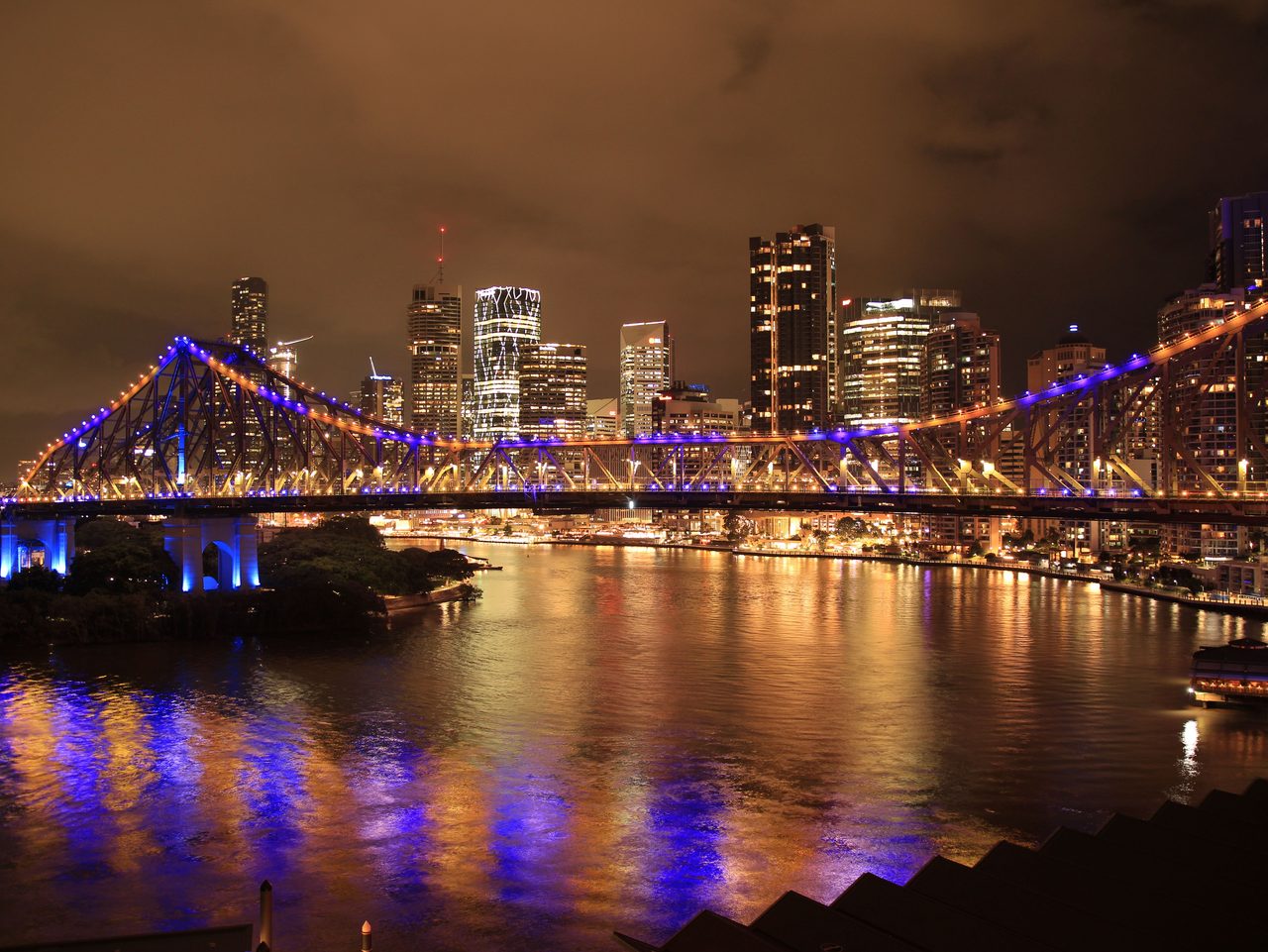
South Bank Parklands, Brisbane
Brisbane's premier urban parkland stretching 17 hectares along the South Bank of the Brisbane River, built on the site of Expo '88. Features Streets Beach — a man-made lagoon beach in the city centre — lush gardens, galleries, restaurants, and riverside walkways.
Recommended itineraries
Pick a length, follow the route. Each itinerary balances headline sights with breathing room.
5-Day Queensland Explorer
Day 1Arrive in Queensland, explore city center
Day 2Visit top attractions and museums
Day 3Day trip to nearby highlights
Day 4Local markets and hidden gems
Day 5Final sightseeing, departure
7-Day Classic Queensland
Days 1-2Queensland city highlights
Days 3-4Regional exploration
Days 5-6Cultural immersion and local experiences
Day 7Return and departure
14-Day Ultimate Queensland
Days 1-3Queensland comprehensive city tour
Days 4-6Northern region exploration
Days 7-9Eastern highlights
Days 10-12Southern attractions
Days 13-14Return to Queensland, departure
Where to stay in Queensland
Three tiers, every traveller covered — from cost-conscious to flagship hotels.
Budget $80-120 AUD
Hostels, budget hotels, and guesthouses offer affordable stays without sacrificing experience.
Mid-range $180-280 AUD
Boutique hotels and well-located accommodations provide comfort and convenience at reasonable prices.
Luxury $400+ AUD
World-class resorts and premium hotels deliver unforgettable experiences.
Qualia Resort Hamilton Island
Hamilton Island QLD 4803 · $$$$
Australia's most awarded luxury resort, occupying the northern tip of Hamilton Island in the Whitsundays. All-inclusive pavilions with private plunge pools, two infinity pools, and direct access to the Coral Sea.
Brisbane's most celebrated luxury hotel occupying a 30-storey tower in the CBD, directly connected to Central Station. Known for exceptional French-inspired service, the Patio bar, and superb city and river views.
The Gold Coast's newest luxury beachfront hotel with direct beach access — the first new beachfront hotel built in over 30 years. Features 17 room types, a stunning infinity pool, and the award-winning Supernova restaurant.
Cairns' premier hotel adjacent to the Esplanade lagoon and steps from reef tour departure points. Features a rooftop pool with Coral Sea views, multiple restaurants, and the Reef Casino entertainment complex.
Cafés, neighbourhood gems, and tasting menus worth the table reservation.
Aria Restaurant Brisbane
Modern Australian · $$$$
Brisbane's most celebrated fine dining venue on Eagle Street Pier, offering stunning Brisbane River views. Chef Matt Moran's restaurant presents refined Modern Australian cuisine using premium Queensland ingredients.
Esquire Brisbane
Contemporary · $$$$
One of Brisbane's most acclaimed fine dining restaurants, offering a creative degustation menu that pushes boundaries with innovative techniques and exceptional Queensland produce.
Ochre Restaurant Cairns
Australian Native · $$$
Cairns' most iconic restaurant, specialising in native Australian ingredients including crocodile, kangaroo, emu, and local tropical seafood, presented in beautifully crafted contemporary dishes.
Hellenika Brisbane
Greek · $$$
Simon Gloftis' acclaimed Greek restaurant at The Calile Hotel on James Street, celebrated for exceptional seafood, wood-fired proteins, and an exceptional wine list focused on Greek varietals.
Stokehouse Brisbane
Modern Australian · $$$
An elegant waterfront restaurant on the banks of the Brisbane River at South Bank, offering refined Modern Australian cuisine with spectacular river views and a sophisticated bar scene.
Rick Shores Gold Coast
Asian Fusion · $$$
Burleigh Heads' most celebrated restaurant overlooking the surf break, combining South East Asian flavours with exceptional Queensland seafood. Consistently rated among Australia's best restaurants.
Queensland is a vast state and getting around requires planning. Domestic flights are the fastest option between major cities. Within cities, public transport is good in Brisbane and the Gold Coast. A hire car is essential for exploring the hinterland, Whitsundays hinterland, Cape York, and many national parks.
Budget breakdown
Daily spend by tier in AUD, broken out by category.
Category
Budget
Mid-range
Luxury
Accommodation
$30-60 AUD
$100-160 AUD
$250+ AUD
Food (per day)
$25-40 AUD
$50-80 AUD
$100+ AUD
Transportation
$15-25 AUD
$30-50 AUD
$80+ AUD
Activities
$20-30 AUD
$50-80 AUD
$100+ AUD
Daily total
$80-120 AUD
$180-280 AUD
$400+ AUD
Best time to visit Queensland
Weather through the year in Australia
Best timeShoulderWorth avoiding
Average daytime temperature in °C. Figures are for Australia.
Essential travel tips
Book reef tours in advance during peak season
Hire a car to explore beyond major cities
Pre-book accommodation during school holidays
Hidden gems
Off-the-beaten-path corners most travellers miss.
Carnarvon Gorge
Spectacular gorge with ancient Aboriginal rock art in central Queensland
Carnarvon National Park
Magnetic Island
Car-free island near Townsville with koalas and coral reefs
Near Townsville
Sapphire Gemfields
Mine for your own sapphires in the Central Highlands
Emerald Region
Safety information
INFO
Swim only at patrolled beaches between the flags
INFO
Use marine stinger suits or enclosures in tropical waters
INFO
Apply SPF50+ sunscreen and reapply every 2 hours
INFO
Stay hydrated in Queensland's heat
INFO
Be aware of crocodiles in northern waterways
Frequently asked questions
Do I need a visa to visit Queensland?
Entry requirements follow Australia rules. Most visitors need an Electronic Travel Authority (ETA) or eVisitor visa. Requirements vary by nationality, so check with your nearest embassy or the official immigration website before traveling.
What currency is used in Queensland?
The currency in Queensland is the Australian Dollar (AUD). ATMs are widely available in cities and tourist areas. Credit cards are accepted at most hotels and restaurants, but carry cash for markets and smaller establishments.
What language is spoken in Queensland?
The main language(s) spoken in Queensland: English. In tourist areas, English is generally understood. Learning a few basic phrases in the local language is appreciated by locals.