South America · 26 Places · Best May to October (dry season)
Bolivia
Bolivia offers stunning natural wonders from the otherworldly Salar de Uyuni salt flats to the serene waters of Lake Titicaca. Experience rich indigenous culture, colorful markets, and the world's highest capital city in La Paz.
Bolivia offers stunning natural wonders from the otherworldly Salar de Uyuni salt flats to the serene waters of Lake Titicaca. Experience rich indigenous culture, colorful markets, and the world's highest capital city in La Paz.
Capital
Sucre (constitutional); La Paz (seat of government)
The 26 destinations our editors recommend — from iconic landmarks to under-the-radar finds.
Salar de Uyuni
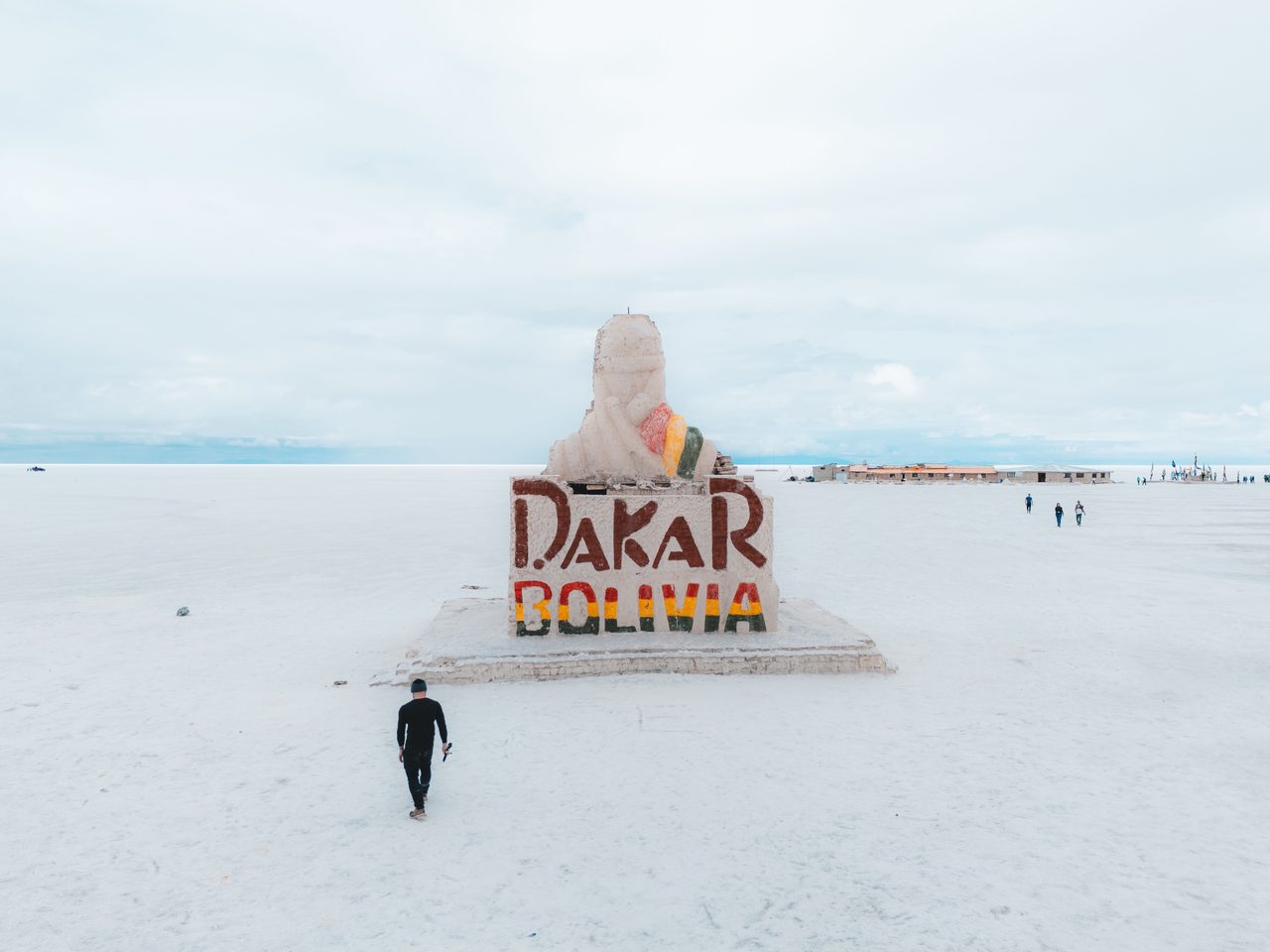
The world's largest salt flat at 10,582 square kilometers creates surreal mirror-like reflections during rainy season and endless white expanses in dry season. Visit Incahuasi Island with giant cacti and witness breathtaking sunrises and sunsets over this otherworldly landscape.
Lake Titicaca
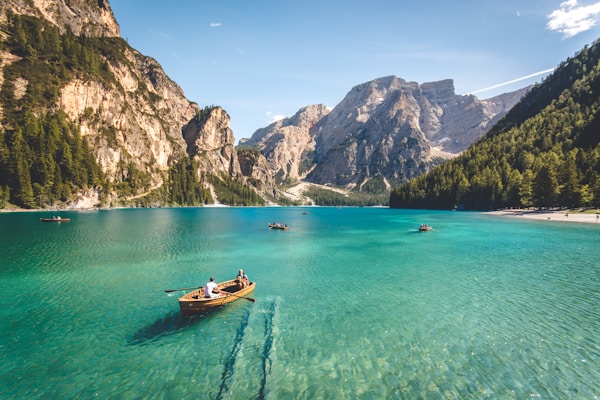
The world's highest navigable lake at 3,812 meters is steeped in Inca legend as the birthplace of their empire. Crystal-clear waters surrounded by snow-capped peaks offer stunning scenery, traditional island communities, and sacred sites.
Witches' Market (Mercado de las Brujas)
This fascinating market in La Paz sells traditional remedies, dried llama fetuses for luck, herbs, potions, and ritual items used by indigenous Aymara shamans. A unique cultural experience showcasing Bolivia's living indigenous traditions and beliefs.
Death Road (Yungas Road)
Once the world's most dangerous road, now a thrilling mountain biking adventure descending 3,500 meters through cloud forests. The 64-kilometer route offers spectacular views, waterfalls, and an adrenaline rush through narrow cliffside paths.
Valle de la Luna
Bizarre lunar-like landscape just outside La Paz featuring eroded clay and sandstone formations that resemble the moon's surface. Wind and rain have sculpted dramatic spires, canyons, and caverns in pastel colors over millions of years.
Tiwanaku Archaeological Site
Pre-Inca ruins dating from 500 AD showcase advanced ancient civilization with massive stone monuments including the iconic Gate of the Sun. UNESCO World Heritage site reveals sophisticated engineering and astronomical knowledge of Tiwanaku culture.
Recommended itineraries
Pick a length, follow the route. Each itinerary balances headline sights with breathing room.
5-Day Bolivia Explorer
Day 1Arrive in Bolivia, explore city center
Day 2Visit top attractions and museums
Day 3Day trip to nearby highlights
Day 4Local markets and hidden gems
Day 5Final sightseeing, departure
7-Day Classic Bolivia
Days 1-2Bolivia city highlights
Days 3-4Regional exploration
Days 5-6Cultural immersion and local experiences
Day 7Return and departure
14-Day Ultimate Bolivia
Days 1-3Bolivia comprehensive city tour
Days 4-6Northern region exploration
Days 7-9Eastern highlights
Days 10-12Southern attractions
Days 13-14Return to Bolivia, departure
Where to stay in Bolivia
Three tiers, every traveller covered — from cost-conscious to flagship hotels.
Budget $25-35
Hostels, budget hotels, and guesthouses offer affordable stays without sacrificing experience.
Mid-range $60-90
Boutique hotels and well-located accommodations provide comfort and convenience at reasonable prices.
Luxury $180-300+
World-class resorts and premium hotels deliver unforgettable experiences.
Atix Hotel
La Paz · $180-250
Contemporary luxury hotel in La Paz Sopocachi neighborhood featuring rooftop bar with panoramic city views, spa, and locally-sourced cuisine. Modern Bolivian design with sustainable practices and exceptional service.
Popular mid-range hotel in historic center with colonial charm, helpful staff, and excellent location. Rooftop terrace offers city views and included breakfast features local specialties.
Social hostel in La Paz with lively bar, organized activities, and party atmosphere. Clean dorms and private rooms with great common areas for meeting fellow travelers.
Elegant boutique hotel in La Paz with colonial architecture, fine dining restaurant, and personalized service. Located in safe Sopocachi area with easy access to city attractions and cable car system.
Cafés, neighbourhood gems, and tasting menus worth the table reservation.
Gustu
Contemporary Bolivian · $$$
World-renowned restaurant by Claus Meyer showcasing Bolivia's incredible biodiversity through innovative cuisine. Zero-km ingredients sourced from across Bolivia's diverse ecosystems prepared with modern techniques.
Popular Cocina Boliviana
Traditional Bolivian · $$
Authentic Bolivian restaurant in La Paz serving generous portions of traditional dishes. Local favorite for pique macho, silpancho, and other regional specialties in casual setting.
Suma Qulqi
Bolivian · $
Casual eatery in La Paz serving traditional Bolivian breakfasts and lunches. Famous for api morado, salteñas, and authentic local flavors at budget prices.
Mercado Lanza
Traditional Street Food · $
Iconic La Paz market famous for fresh salteñas in morning, hearty almuerzos at lunch, and local atmosphere. Best place for authentic Bolivian street food experience.
Typica Coffee Lab
Specialty Coffee · $
Third-wave coffee shop in La Paz showcasing Bolivian specialty coffee from Yungas region. Expert baristas, pour-overs, and modern minimalist space.
Ali Pacha
Vegetarian Fine Dining · $$$
Innovative vegetarian restaurant elevating Andean ingredients to haute cuisine. Chef Sebastian Quiroga creates artful plant-based dishes celebrating Bolivia's agricultural heritage.
Average daytime temperature in °C. Figures are for Bolivia.
Essential travel tips
Research visa requirements before your trip
Learn a few basic phrases in the local language
Carry cash as cards may not be accepted everywhere
Respect local customs and dress codes
Purchase travel insurance before departure
Hidden gems
Off-the-beaten-path corners most travellers miss.
Torotoro National Park
Remote canyon park with dinosaur footprints, cave systems with stalactites, waterfalls, and dramatic rock formations. Far fewer tourists than other parks but equally spectacular. Requires local guide and 4WD access.
Samaipata
Bohemian mountain town with El Fuerte archaeological site featuring massive pre-Columbian rock carvings, nearby wineries, cloud forests, and relaxed atmosphere. Gateway to Amboro National Park with minimal tourist crowds.
Jesuit Missions Circuit
Series of beautifully restored baroque churches in remote eastern lowlands built by Jesuits in 1700s. UNESCO sites with incredible woodwork hosting classical music festivals. Rarely visited by international tourists.
Tarija Wine Region
Bolivia's wine country in southern valleys producing surprisingly good wines. Visit vineyards, taste local varietals, enjoy pleasant climate and colonial town charm without tourist crowds.
Noel Kempff Mercado National Park
Pristine Amazon wilderness and inspiration for Lost World novel. Waterfalls, unique tepui formations, incredible biodiversity. Remote location means very few visitors but spectacular unspoiled nature.
Coroico
Tropical town in Yungas cloud forest offering stunning views, waterfalls, coffee plantations, and pleasant climate
Mirador Killi Killi
El Tejar neighborhood, La Paz - free hilltop viewpoint overlooking the entire La Paz bowl at 3,750m
Cerro Rico Overlook
Above Potosi at 4,090m - sweeping views of the silver mountain and colonial UNESCO city below
Salar de Uyuni at Dawn
World's largest salt flat at 3,656m altitude - creates stunning mirror effect after rain in wet season
Valle de la Luna (Moon Valley)
10 km south of central La Paz - dramatic eroded clay and sandstone formations
Safety information
INFO
Avoid express kidnapping risk by not traveling alone at night
INFO
Don't cross road blockades during protests
INFO
Register with your embassy before travel
INFO
Avoid Chapare region due to violent crime
INFO
Be cautious of altitude sickness in La Paz and high-altitude areas
INFO
Use only official taxis or rideshare apps
INFO
Keep valuables secure in crowded markets
INFO
Acclimatize before exerting yourself: La Paz sits above 3,600m and Potosi above 4,000m. Rest 24-48 hours on arrival before climbing stairs quickly or hiking
INFO
Carry a photocopy of your passport at all times; leave the original in your hotel safe to avoid problems if stopped by authorities
INFO
Beware the fake police scam: strangers may claim to be plain-clothes officers and ask to inspect your wallet for counterfeit bills, then rob you. Insist on going to the nearest official police station rather than complying on the street
INFO
Only drink bottled or boiled water and avoid ice in drinks; tap water and ice from unknown sources commonly cause gastrointestinal illness in travelers
Frequently asked questions
Is Bolivia safe to visit in 2026?
Bolivia is generally safe for tourists in main cities and tourist areas, though petty crime, altitude sickness, and transport risks require attention. Exercise heightened caution in La Paz after dark, and avoid the Chapare coca-growing region. The most significant risks are altitude-related health issues and occasional political unrest with road blockades. Emergency services: police at 110, medical at 118.
What is the best time to visit Bolivia?
The best time to visit Bolivia is May to October (dry season). Bolivia's climate varies dramatically by altitude, creating distinct zones from frozen Andean peaks to tropical Amazon lowlands. The Altiplano and highlands (La Paz, Potosí, Uyuni) experience a dry se
Do I need a visa to visit Bolivia?
Visa-free entry for tourism up to 90 days as of December 2025. Valid passport required with 6 months validity. Requirements vary by nationality, so check with your nearest embassy or the official immigration website before traveling.
What currency is used in Bolivia?
The currency in Bolivia is the Bolivian Boliviano (BOB) (BOB). ATMs are widely available in cities and tourist areas. Credit cards are accepted at most hotels and restaurants, but carry cash for markets and smaller establishments.
What language is spoken in Bolivia?
The main language(s) spoken in Bolivia: Spanish, Quechua, Aymara. In tourist areas, English is generally understood. Learning a few basic phrases in the local language is appreciated by locals.
What are the top attractions in Bolivia?
The top attractions in Bolivia include Salar de Uyuni, Lake Titicaca, Witches' Market (Mercado de las Brujas), Death Road (Yungas Road), and Valle de la Luna. Each offers a unique experience, from historic landmarks to natural wonders.