
Pelourinho
UNESCO World Heritage colonial center of Salvador
Bahia · 3 Places · Best September to March
Bahia is Brazil's most culturally rich state, blending African, Indigenous, and Portuguese heritage in a vibrant tapestry of music, cuisine, and traditions. Home to Salvador, one of the Western Hemisphere's oldest cities, Bahia offers stunning Atlantic coastline, Afro-Brazilian culture, and colonial architecture. The state's diverse landscape spans mangroves, forests, and the dramatic Chapada Diamantina highlands.
Bahia is Brazil's cultural heartland, where African heritage shaped the music, cuisine, and religion of the entire nation. Salvador, the state capital, was once the colonial capital of Brazil and remains a UNESCO World Heritage center. Beyond the city, Bahia offers pristine beaches, the mountain scenery of Chapada Diamantina, and the laid-back resort town of Porto Seguro.
Jump straight to the experience you're planning.
The 3 destinations our editors recommend — from iconic landmarks to under-the-radar finds.
UNESCO World Heritage colonial center of Salvador
National park with waterfalls, caves, and table mountains
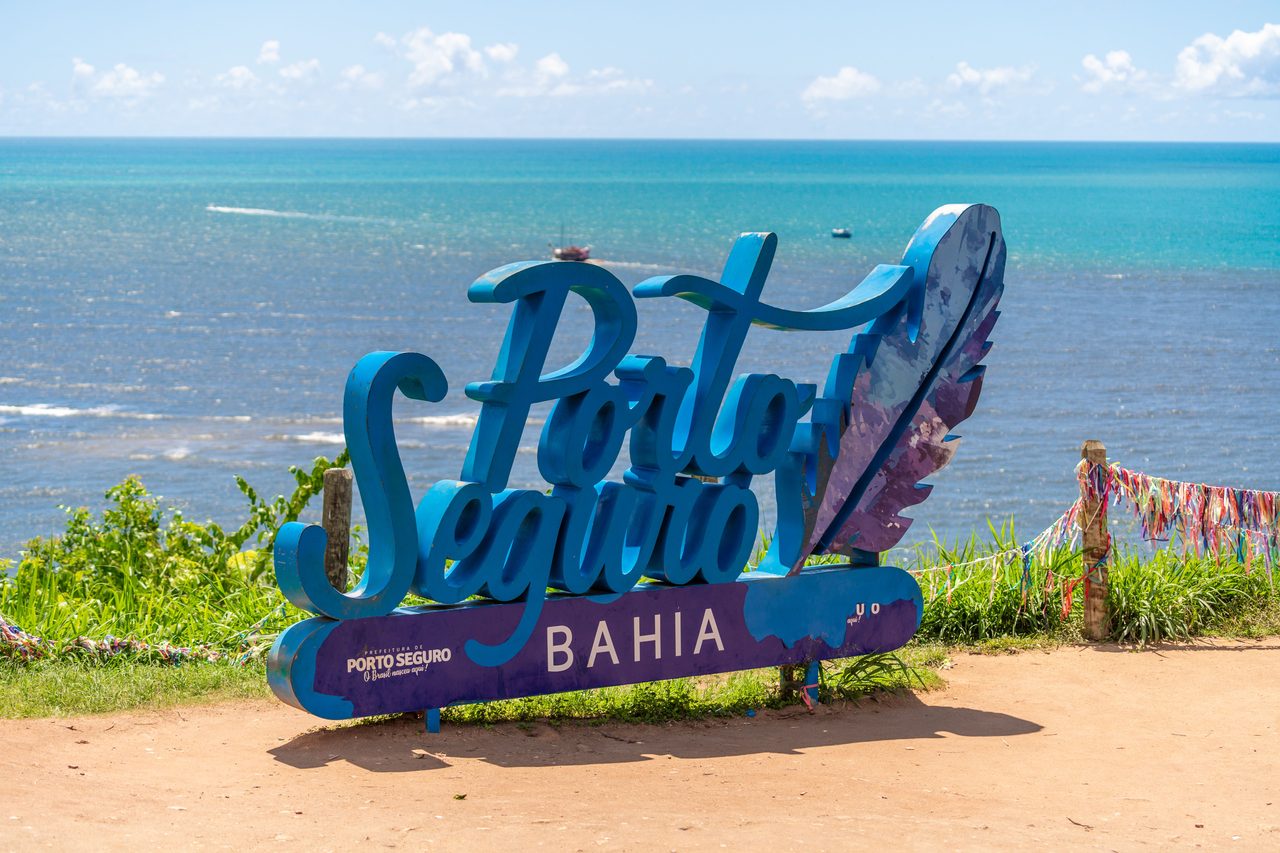
Car-free island with gorgeous beaches
Pick a length, follow the route. Each itinerary balances headline sights with breathing room.
Three tiers, every traveller covered — from cost-conscious to flagship hotels.
Hostels, budget hotels, and guesthouses offer affordable stays without sacrificing experience.
Boutique hotels and well-located accommodations provide comfort and convenience at reasonable prices.
World-class resorts and premium hotels deliver unforgettable experiences.
The Fera Palace is one of Salvador's most storied hotels, a beautifully restored early 20th-century palace in the heart of the city's commercial district. Originally opened in 1934, it underwent a meticulous renovation and reopened as a five-star property. The hotel features 131 elegantly appointed rooms, a rooftop pool with panoramic views over the bay, a gourmet restaurant, and impeccable service. Its location puts guests walking distance from the Pelourinho and Elevador Lacerda.
Txai Resort is arguably Bahia's finest luxury beach resort, set on a private stretch of Resende Beach at Itacaré, where Atlantic rainforest meets the sea. The resort's bungalows and villas are scattered through native forest, connected by wooden walkways. Each villa has its own plunge pool. The resort features a world-class spa drawing on indigenous healing traditions, two restaurants with outstanding Brazilian and international cuisine, and a beach club. Sustainable tourism practices underpin the entire operation.
The Tivoli Ecoresort is a sprawling beachfront luxury resort at Praia do Forte, 80km north of Salvador. With 352 rooms and suites set in landscaped tropical gardens running to the beach, it offers a full resort experience with multiple pools, several restaurants, a spa, and extensive recreational facilities. The resort is an eco-certified property adjacent to the Projeto TAMAR sea turtle conservation area. Activities include sailing, kayaking, and guided turtle encounters.
Kiaroa is an exclusive eco-luxury resort on Maraú Peninsula, accessible only by boat or private plane, on a pristine beach on Bahia's Dendê Coast. With only 22 treehouses and bungalows, it offers an intimate, secluded experience surrounded by Atlantic Forest and facing a calm bay. The style is rustic-luxury — exposed wood, natural materials, outdoor showers — while the service and cuisine are world-class. Guests can kayak, paddleboard, snorkel, and explore mangroves.
Cafés, neighbourhood gems, and tasting menus worth the table reservation.
Casa de Teresa is a legendary Bahian restaurant where chef Teresa Franco has been cooking authentic moqueca, acarajé, and vatapá for decades. The restaurant is housed in a colonial building in Pelourinho and is beloved by locals and visitors alike. Teresa's moqueca baiana is widely considered one of the best in Salvador — rich palm oil broth, fresh seafood, and coconut milk, served with rice, beans, and farofa.
Yemanjá is one of Salvador's most iconic seafood restaurants, named for the Afro-Brazilian goddess of the sea. Located in the Rio Vermelho neighborhood, the restaurant has been a Salvador institution for decades and is famous for its moqueca de peixe, grilled lobster, and camarão na moranga (shrimp in pumpkin). The dining room fills with locals celebrating special occasions alongside tourists. The portions are generous and the service professional.
Amado is Salvador's most celebrated fine dining restaurant, a landmark of contemporary Brazilian cuisine. Chef João Amado (a relative of the writer) crafts inventive dishes that reimagine Bahian ingredients in sophisticated preparations. The restaurant sits over the Bay of All Saints with panoramic water views from both the dining room and the terrace. The wine list is extensive and the service impeccable. Reservations are essential.
Tempero da Dadá is a much-loved Salvador restaurant run by chef Dadá, a celebrated figure of Bahian home cooking who has been featured in documentaries and food programs. Her restaurant in Pelourinho serves generous plates of the Bahian classics — moqueca, efó, caruru — cooked with palm oil, fresh coconut milk, and seafood sourced daily from local markets. The atmosphere is warm and the portions are enormous.
Soho Restaurant is one of Salvador's most stylish dining venues, offering a sophisticated Asian-fusion menu with Japanese, Thai, and Vietnamese influences alongside Brazilian ingredients. Located in the Jardins district, the restaurant is popular with the Salvador upper class and visiting businesspeople. The cocktail bar is excellent, with creative caipirinhas and Asian-inspired drinks.
Mistura Fina is a popular restaurant in the Barra neighborhood of Salvador, known for its well-executed Bahian comfort food at reasonable prices. The restaurant serves excellent moqueca, grilled fish, and a popular Sunday feijoada (black bean and pork stew). The outdoor terrace is pleasant for lunch.
Bahia is a large state and getting around requires planning. Salvador is well served by international and domestic flights, and has a reliable urban bus and metro system. Inter-city travel is primarily by bus or domestic flight. Ferries connect Salvador to islands and the southern Recôncavo coast. In rural areas like Chapada Diamantina, 4WD vehicles or local buses are the main options.
Daily spend by tier in BRL, broken out by category.
| Category | Budget | Mid-range | Luxury |
|---|---|---|---|
| Accommodation | $12 | $40 | $150 |
| Food (per day) | $8 | $20 | $60 |
| Transportation | $5 | $10 | $20 |
| Activities | $5 | $10 | $20 |
| Daily total | $30 | $80 | $250 |
Keep valuables hidden in crowded areas like Pelourinho
Use licensed taxis or Uber rather than hailing street cabs
Avoid walking alone at night in unfamiliar areas
Be vigilant at beaches against theft of belongings
Entry requirements follow Brazil rules. Most Western nationals can visit Brazil visa-free for up to 90 days. US citizens may require an eVisa. Requirements vary by nationality, so check with your nearest embassy or the official immigration website before traveling.
The currency in Bahia is the Brazilian Real (BRL). ATMs are widely available in cities and tourist areas. Credit cards are accepted at most hotels and restaurants, but carry cash for markets and smaller establishments.
The main language(s) spoken in Bahia: Portuguese. In tourist areas, English is generally understood. Learning a few basic phrases in the local language is appreciated by locals.