Canada is the world's second-largest country, stretching from the Atlantic to the Pacific and Arctic oceans. This vast nation offers stunning natural beauty from the Rocky Mountains to Niagara Falls, vibrant multicultural cities like Toronto and Vancouver, and rich Indigenous heritage alongside French and British influences.
Canada is the world's second-largest country, stretching from the Atlantic to the Pacific and Arctic oceans. This vast nation offers stunning natural beauty from the Rocky Mountains to Niagara Falls, vibrant multicultural cities like Toronto and Vancouver, and rich Indigenous heritage alongside French and British influences.
Capital
Ottawa
Largest city
Toronto
Population
38,900,000
Languages
English, French
Currency
Canadian Dollar (CAD)
Time zone
UTC-3.5 to UTC-8 (Multiple Time Zones; Ottawa/Toronto is UTC-5, EST)
The 33 destinations our editors recommend — from iconic landmarks to under-the-radar finds.
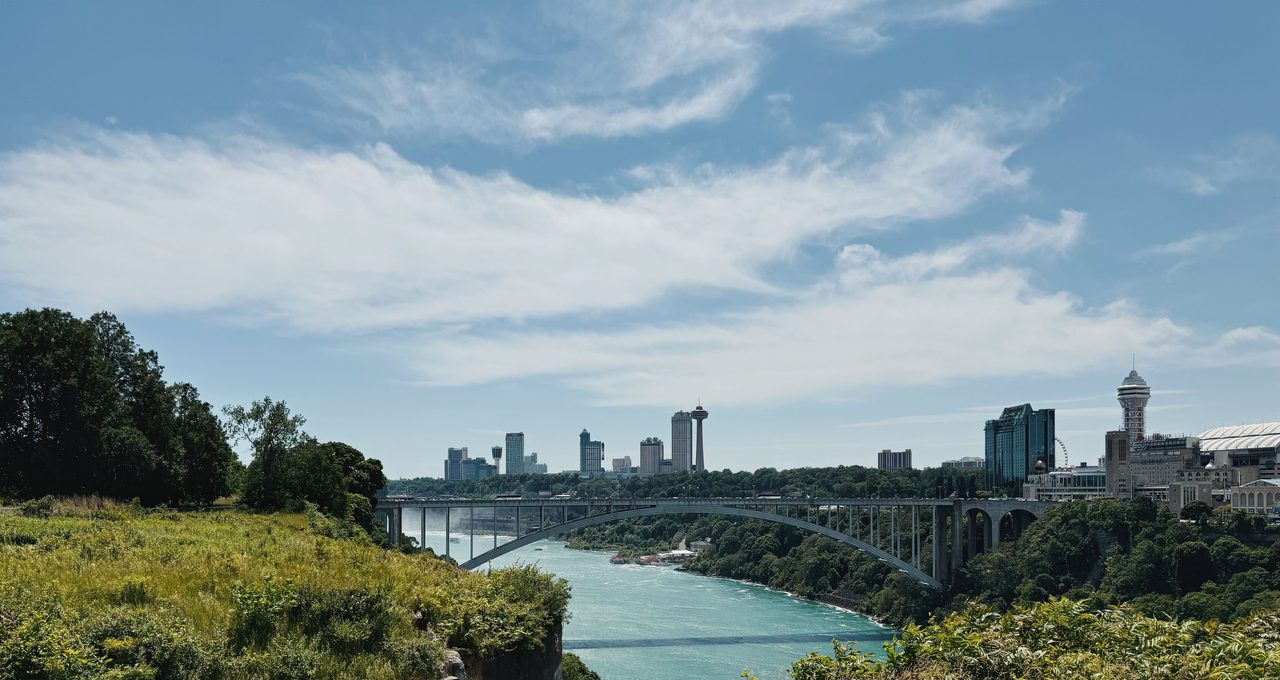
Niagara Falls
One of the world's most famous waterfalls, with over 3,100 tons of water cascading over the edge every second. Experience the thundering power up close on a Hornblower boat cruise or from viewing platforms. The falls are illuminated at night with colorful lights creating a magical atmosphere.
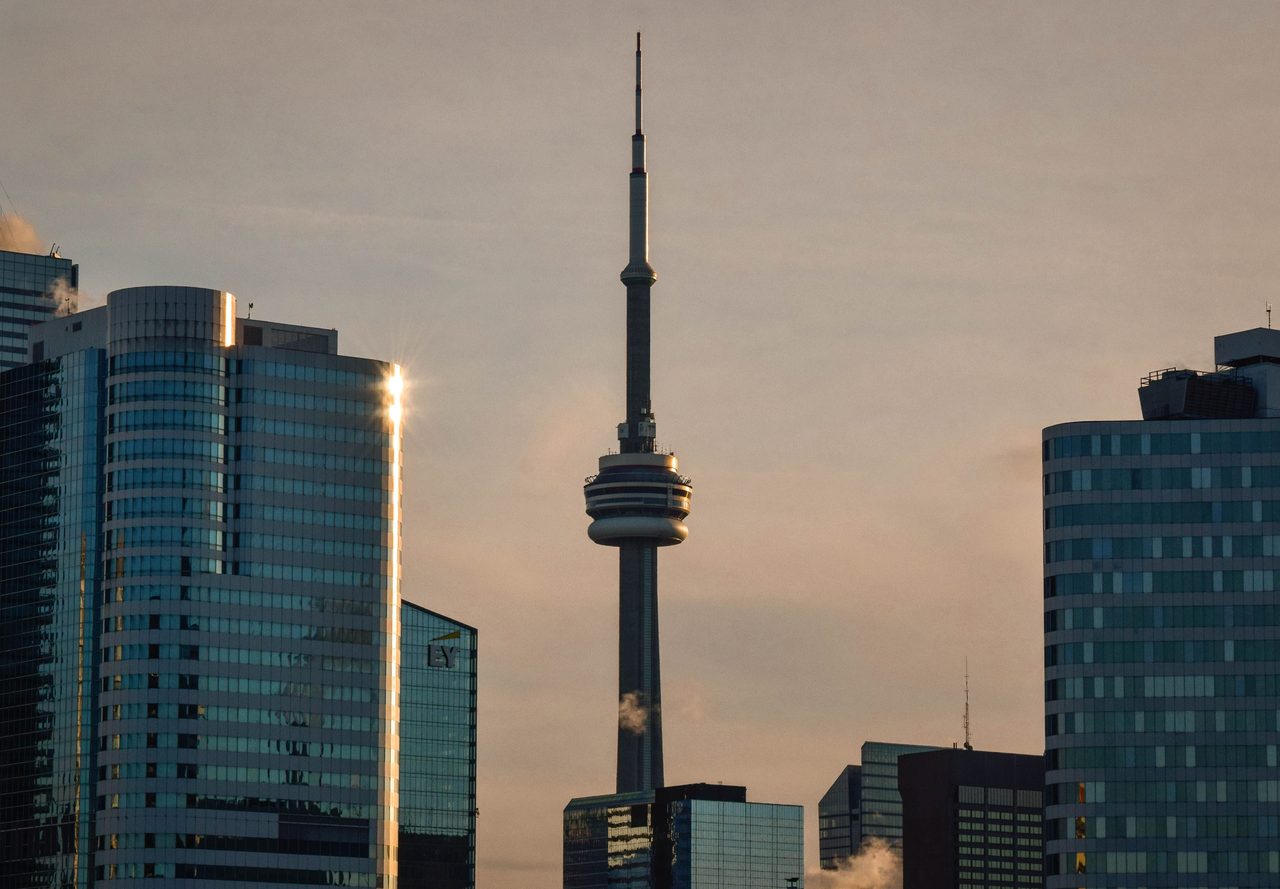
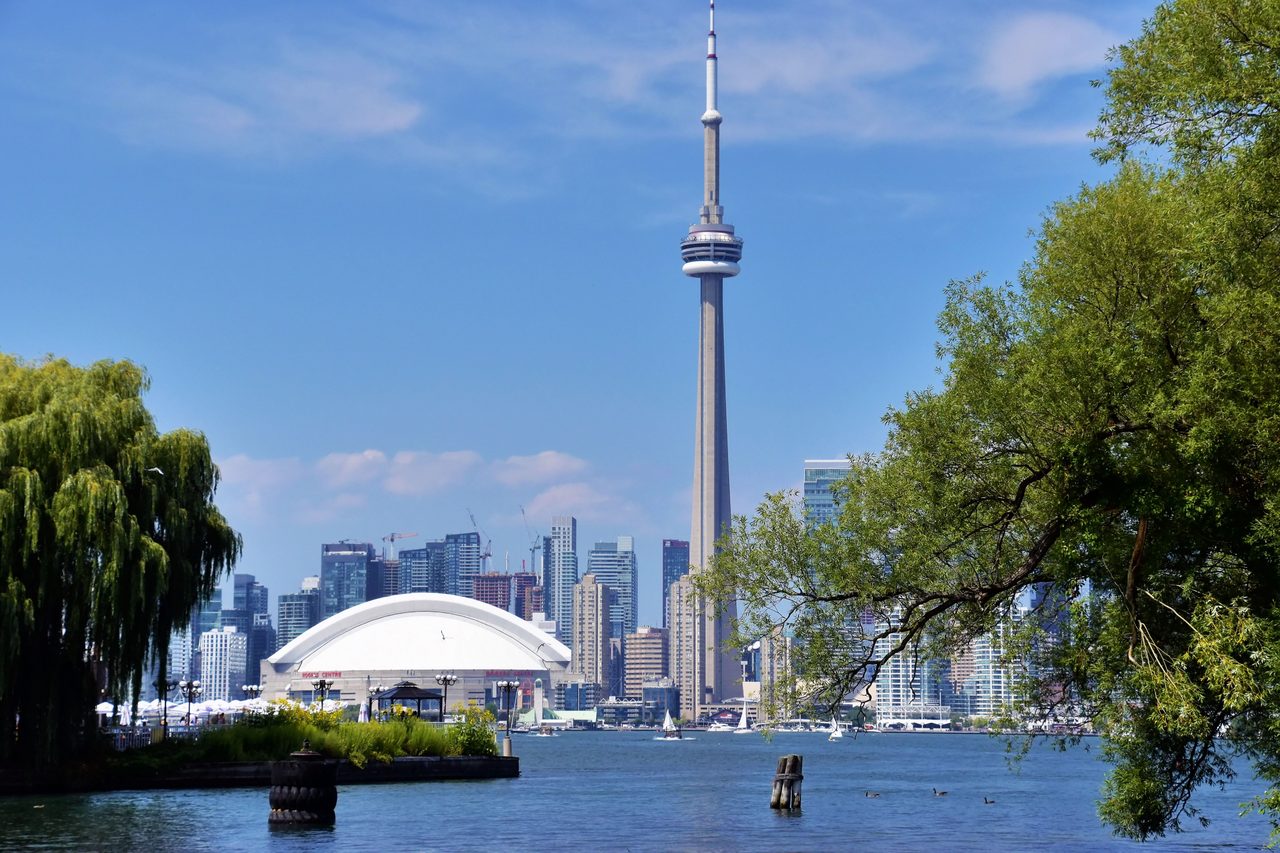
CN Tower
Toronto's iconic 553-meter tall landmark dominates the city skyline. Take the glass-floor elevator to the observation deck for 360-degree views extending 160km on clear days. The EdgeWalk allows thrill-seekers to walk around the outside of the tower's main pod.
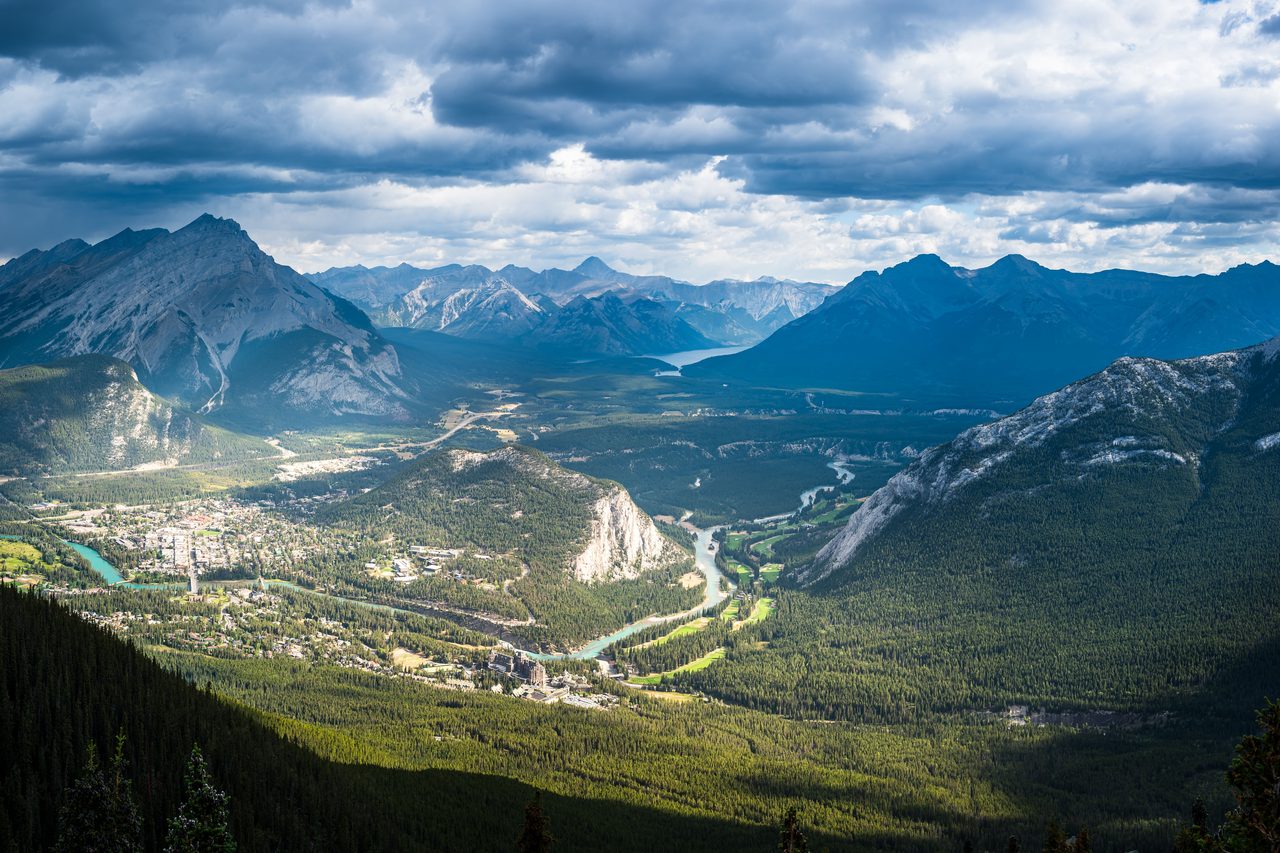
Banff National Park
Canada's first national park features stunning Rocky Mountain scenery with turquoise glacial lakes, snow-capped peaks, and abundant wildlife. Explore Lake Louise, Moraine Lake, and the charming town of Banff. Activities include hiking, skiing, wildlife watching, and soaking in natural hot springs.
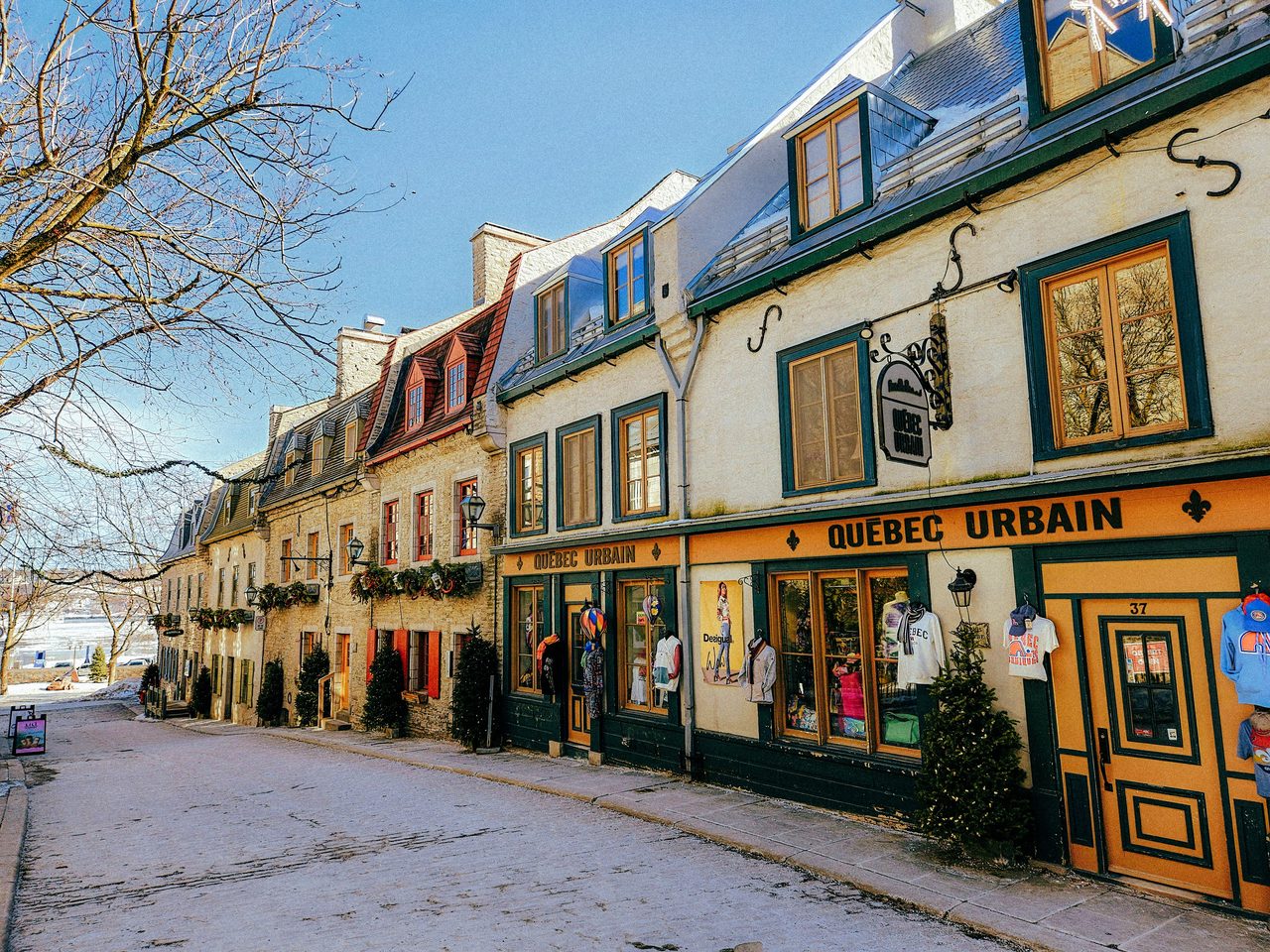
Old Quebec
The only walled city north of Mexico, Old Quebec is a UNESCO World Heritage site with cobblestone streets, 17th-century architecture, and European charm. Explore Château Frontenac, historic battlefields, charming boutiques, and French bistros in this living piece of history.
Stanley Park
Vancouver's 400-hectare urban rainforest peninsula offers beaches, trails, gardens, and stunning views. Walk or bike the 8.8km Seawall, visit totem poles at Brockton Point, explore the Vancouver Aquarium, and enjoy beaches with mountain backdrops.
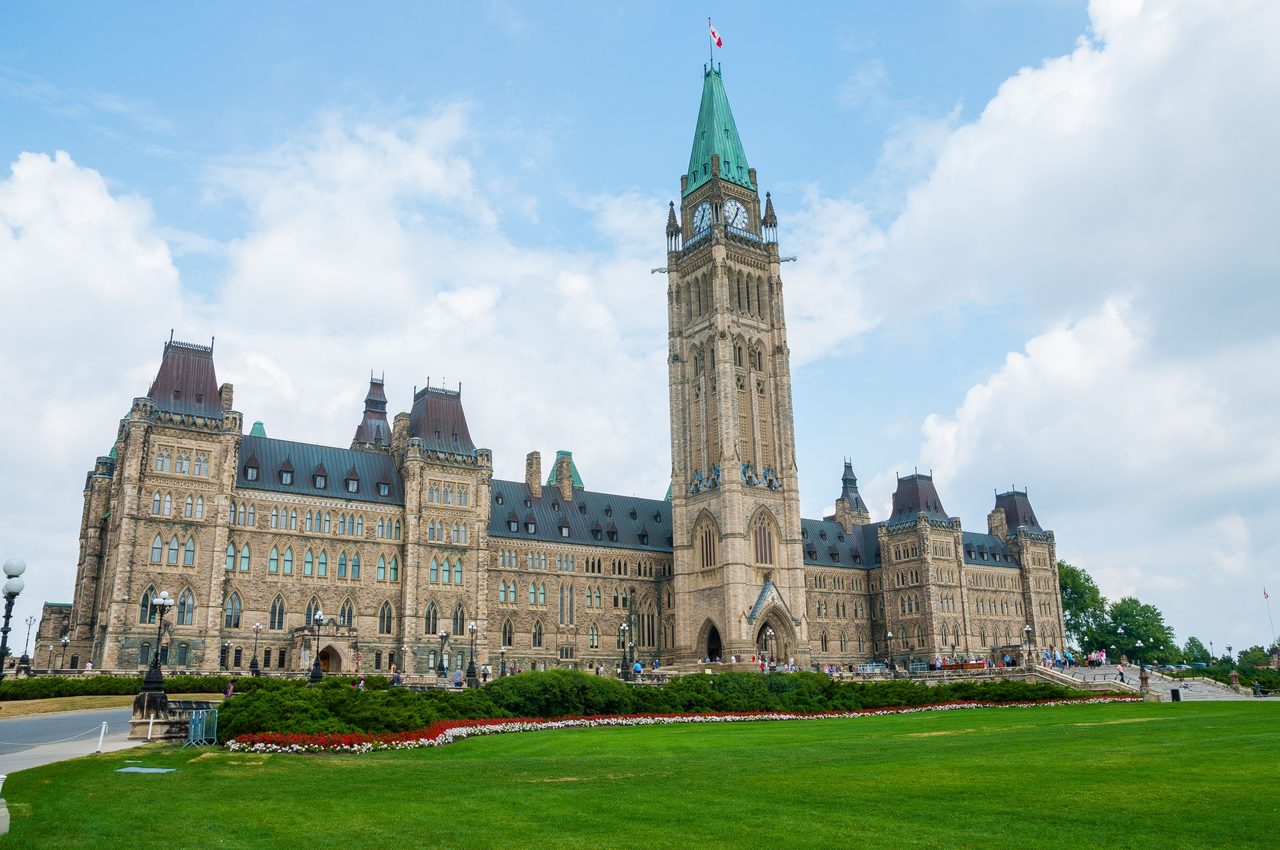
Parliament Hill
Canada's political heart features stunning Gothic Revival architecture overlooking the Ottawa River. Watch the Changing of the Guard ceremony in summer, tour the Parliament Buildings, and see the Centennial Flame. The Peace Tower offers panoramic city views.
Recommended itineraries
Pick a length, follow the route. Each itinerary balances headline sights with breathing room.
5-Day Canada Explorer
Day 1Arrive in Canada, explore city center
Day 2Visit top attractions and museums
Day 3Day trip to nearby highlights
Day 4Local markets and hidden gems
Day 5Final sightseeing, departure
7-Day Classic Canada
Days 1-2Canada city highlights
Days 3-4Regional exploration
Days 5-6Cultural immersion and local experiences
Day 7Return and departure
14-Day Ultimate Canada
Days 1-3Canada comprehensive city tour
Days 4-6Northern region exploration
Days 7-9Eastern highlights
Days 10-12Southern attractions
Days 13-14Return to Canada, departure
Where to stay in Canada
Three tiers, every traveller covered — from cost-conscious to flagship hotels.
Budget $60-100 CAD
Hostels, budget hotels, and guesthouses offer affordable stays without sacrificing experience.
Mid-range $150-250 CAD
Boutique hotels and well-located accommodations provide comfort and convenience at reasonable prices.
Luxury $400-800+ CAD
World-class resorts and premium hotels deliver unforgettable experiences.
Fairmont Chateau Lake Louise
AB T0L 1E0 · $350-$550
Legendary luxury resort on the shores of Lake Louise with stunning glacier and mountain views. Features world-class dining, spa, and year-round outdoor activities. Historic property dating from 1890 blends heritage charm with modern amenities.
Boutique hotel in downtown Toronto's historic building featuring modern rooms, rooftop patio, and central location. Walking distance to Union Station, Rogers Centre, and entertainment district.
Toronto's eco-friendly hostel near Kensington Market offering dorms and private rooms. Features rooftop patio, communal kitchen, and carbon-neutral operations with solar panels and geothermal heating.
Eco-luxury hotel with 99.13% satisfaction rating featuring nature-inspired design, sustainable practices, and rooftop terraces. Located in King West neighborhood with farm-to-table dining and biophilic design throughout.
Cafés, neighbourhood gems, and tasting menus worth the table reservation.
Alo
French Contemporary · $$$$$
Canada's #1 restaurant for seven years running offers exquisite tasting menus in an elegant setting. Chef Patrick Kriss creates artful French-inspired cuisine with impeccable technique. Reservations extremely difficult to obtain.
Pai Northern Thai Kitchen
Thai · $$
Toronto's beloved Thai restaurant serving authentic northern Thai cuisine in vibrant atmosphere. Known for khao soi, pad thai, and boat noodles. Often has lineups but worth the wait.
Tim Hortons
Canadian Fast Food · $
Iconic Canadian coffee and donut chain serving Timbits, coffee, sandwiches, and breakfast all day. Essential Canadian experience with locations everywhere.
Granville Island Public Market
Various · $
Vancouver's famous market featuring fresh produce, artisan foods, bakeries, and ready-to-eat options. Browse vendors for local specialties and waterfront dining.
Café Olimpico
Italian Café · $
Montreal's legendary Mile End espresso bar serving since 1970. Simple menu of perfect espresso, cappuccinos, and gelato. Local institution with sidewalk seating.
Hawksworth Restaurant
Contemporary Canadian · $$$$$
Vancouver's premier fine dining destination in the Rosewood Hotel Georgia. Chef David Hawksworth showcases Pacific Northwest ingredients with refined technique and elegant presentation.
Transportation options in Canada include local buses, taxis, and rental cars. Check local conditions before planning your travel.
Budget breakdown
Daily spend by tier in USD, broken out by category.
Category
Budget
Mid-range
Luxury
Accommodation
$30-45 (hostel dorm)
$80-140 (3-star hotel, Airbnb)
$200-500+ (4-5 star hotels)
Food (per day)
$20-30 (supermarkets, cheap eats, cook)
$40-70 (casual restaurants, some mid-range)
$100-200 (fine dining, quality restaurants)
Transportation
$5-15 (public transit passes)
$15-25 (mix of public transit and occasional taxi)
$50-100 (taxis, car service, rentals)
Activities
$5-10 (free attractions, hiking)
$15-40 (paid attractions, tours)
$50-150+ (premium tours, experiences)
Daily total
$60-100 CAD
$150-250 CAD
$400-800+ CAD
Best time to visit Canada
Weather through the year in Canada
Best timeShoulderWorth avoiding
Average daytime temperature in °C. Figures are for Canada.
July-August (summer festivals, warm weather, all attractions open)
Essential travel tips
Research visa requirements before your trip
Learn a few basic phrases in the local language
Carry cash as cards may not be accepted everywhere
Respect local customs and dress codes
Purchase travel insurance before departure
Hidden gems
Off-the-beaten-path corners most travellers miss.
Fogo Island, Newfoundland
Remote island off Newfoundland's coast featuring dramatic landscapes, unique Fogo Island Inn architecture, artist residencies, and traditional outport culture. Iceberg alley in spring.
Haida Gwaii, British Columbia
Isolated archipelago known as 'Canadian Galapagos' with ancient rainforests, Indigenous Haida culture, abandoned villages, and exceptional wildlife watching.
Grasslands National Park, Saskatchewan
Canada's only prairie national park preserving endangered grasslands ecosystem. Dark sky preserve, black-footed ferrets, bison, tipi camping.
Îles de la Madeleine, Quebec
Wind-swept islands in Gulf of St. Lawrence with red sandstone cliffs, pristine beaches, seafood, and Acadian culture. Accessible by ferry or flight.
Tofino Storm Watching
While Tofino is known, winter storm watching is an underrated experience. Watch massive Pacific storms from cozy lodges with crashing waves and dramatic skies.
Churchill Wildlife Management Area
Beyond polar bears, summer brings thousands of beluga whales to Churchill River
Rattlesnake Point, Milton
Walk 10 minutes to the Nassagaweya Canyon overlook for an unobstructed panorama rarely visited by tourists.
Niagara Escarpment, Ontario, 50 km west of Toronto
Tunnel Mountain Summit, Banff
This easy 1.5-hour hike gives a commanding view of Banff townsite and Bow Valley that most visitors miss by taking the Sulphur Mountain gondola instead.
Banff National Park, Alberta
Cap Bon Ami, Forillon National Park
Arrive at Cap Bon Ami parking lot at dawn for orange-lit cliffs at sunrise with possible minke whale sightings offshore.
Gaspe Peninsula, Quebec
Cabot Trail Highlands Lookout, Cape Breton
Pull off at French Mountain lookout on the northern Cabot Trail loop at dawn — the mist-covered Atlantic horizon at sunrise is one of the most underrated views in Canada.
Cape Breton Highlands National Park, Nova Scotia
Maligne Lake Shoreline, Jasper
Walk 1 km past the boathouse to the eastern shoreline for an unobstructed reflection of the Maligne Range at sunset without paying for a boat tour.
Jasper National Park, Alberta
Safety information
INFO
Keep valuables secured in busy tourist areas and public transit
INFO
Be aware of wildlife when hiking or camping in national parks
INFO
Check weather forecasts before outdoor activities, especially in winter
INFO
Have travel insurance as healthcare can be expensive for visitors
INFO
In remote areas, inform someone of your travel plans
INFO
Register with your home country embassy or consulate before extended travel in Canada; the Registration of Canadians Abroad (ROCA) service is free for Canadians traveling abroad.
INFO
Cannabis is legal across Canada, but carrying any cannabis products across the US-Canada border in either direction is a federal offense and can result in arrest.
INFO
Winter driving is extremely hazardous — if renting a vehicle between November and April, request winter tires, carry an emergency kit (blankets, booster cables, shovel), and check 511 road condition hotlines before departing.
INFO
Use licensed taxis or established ride-sharing apps (Uber, Lyft) in cities; avoid unmarked or unofficial taxis especially at airports and busy tourist areas.
INFO
Tap water is safe to drink in all major cities and towns; in backcountry, remote Indigenous communities, or wilderness areas, always filter or boil water before drinking.
INFO
Bears (black and grizzly) and cougars are present in many national parks — carry bear spray, make noise while hiking, store all food in bear-proof containers, and never approach wildlife.
INFO
Emergency services across Canada: dial 911 for police, fire, and ambulance; in remote areas with limited cellular coverage, consider renting a satellite communicator (e.g., SPOT or Garmin inReach) before wilderness travel.
Frequently asked questions
Is Canada safe to visit in 2026?
Canada is one of the safest countries in the world for international visitors, consistently ranking in the top tier of global safety indices. Violent crime affecting tourists is rare, infrastructure is excellent, and emergency services are reliable and professional. The primary risks are environmental — wildlife encounters in national parks, extreme winter weather, and road conditions in remote areas. Emergency services: police at 911, medical at 911.
What is the best time to visit Canada?
The best time to visit Canada is July-August (summer festivals, warm weather, all attractions open). Canada is one of the world's most climatically diverse countries, spanning subarctic tundra in the north to temperate rainforest in BC and humid continental climate in Ontario and Quebec. Coastal Brit
Do I need a visa to visit Canada?
No visa required for stays up to 6 months. Valid passport required. No eTA needed for land/sea entry. Requirements vary by nationality, so check with your nearest embassy or the official immigration website before traveling.
What currency is used in Canada?
The currency in Canada is the Canadian Dollar (CAD) (CAD). ATMs are widely available in cities and tourist areas. Credit cards are accepted at most hotels and restaurants, but carry cash for markets and smaller establishments.
What language is spoken in Canada?
The main language(s) spoken in Canada: English, French. In tourist areas, English is generally understood. Learning a few basic phrases in the local language is appreciated by locals.
What are the top attractions in Canada?
The top attractions in Canada include Niagara Falls, CN Tower, Banff National Park, Old Quebec, and Stanley Park. Each offers a unique experience, from historic landmarks to natural wonders.
Explore Canada by region
Each region has its own character — coastal, alpine, vineyard, capital. Pick a starting point.