Hubei · 18 Places · Best March–May, September–November
Hubei
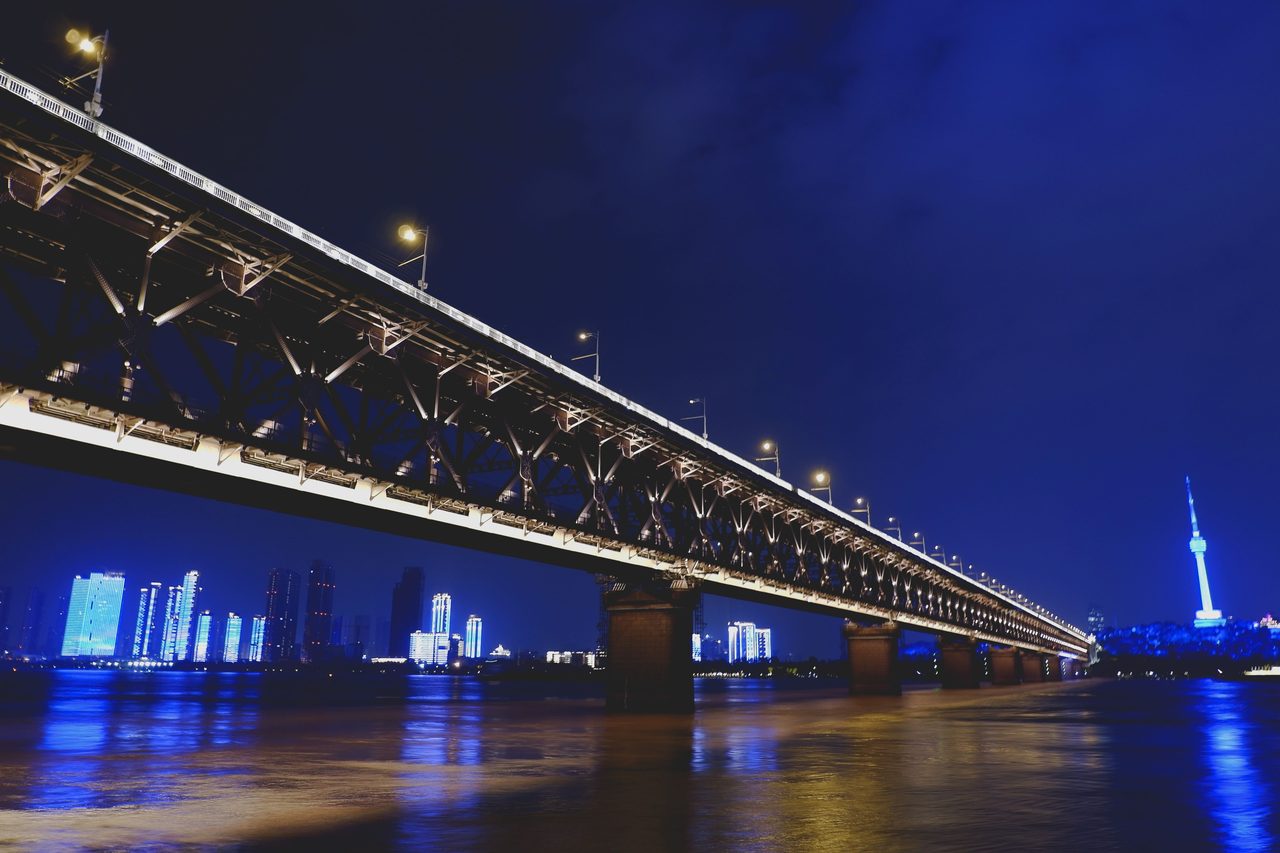
Hubei is a central Chinese province straddling the middle reaches of the Yangtze River, known as the 'Province of a Thousand Lakes' and 'Nine Provinces Thoroughfare' for its role as China's inland transport crossroads. Home to the Three Gorges Dam, the sacred Wudang Mountains, the mysterious Shennongjia rainforest, and the buzzing riverside metropolis of Wuhan, Hubei blends Chu-dynasty history, Taoist heritage, and modern engineering on the banks of China's longest river.
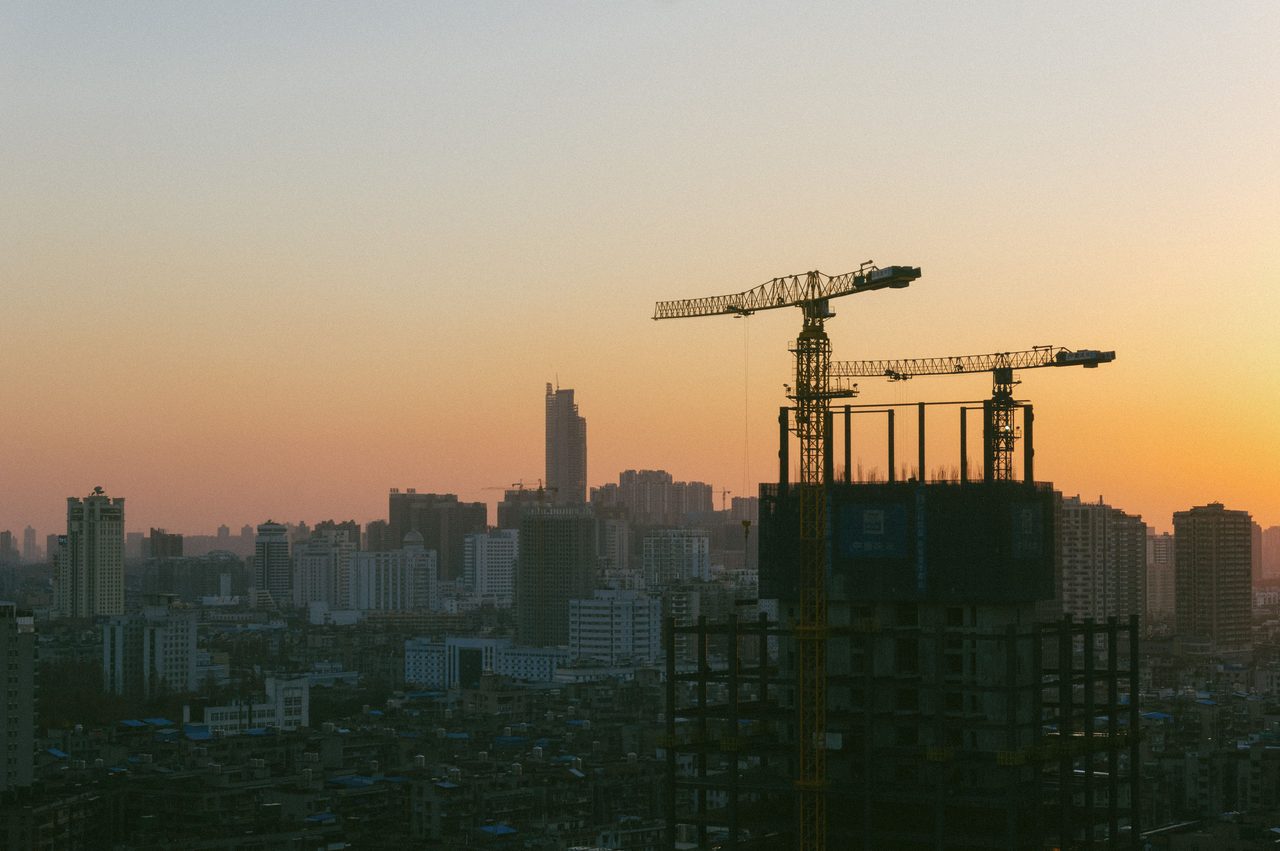
Hubei sits in central China where the Yangtze River meets the Han River, bordering Henan, Anhui, Jiangxi, Hunan, Chongqing, and Shaanxi provinces. The Jianghan Plain forms a fertile lake-studded lowland in the east, while the Wudang and Daba mountain ranges rise in the northwest and the Shennongjia rainforest covers the west. Wuhan, formed from the historic tri-cities of Wuchang, Hankou, and Hanyang, is one of China's largest inland river ports and a major rail and high-speed transport hub.
The 18 destinations our editors recommend — from iconic landmarks to under-the-radar finds.
Yellow Crane Tower
This multi-story tower on Snake Hill overlooks the Yangtze and the First Bridge, rebuilt in 1985 on a design drawing from Qing-era images after the original wooden tower burned in 1884. It has been rebuilt on this hill repeatedly since the 3rd century, and the current concrete structure houses murals and ceramic friezes depicting its many past incarnations across several floors.
Hubei Provincial Museum
This is the main repository for artifacts excavated from the tomb of Marquis Yi of Zeng, a 5th-century BC ruler whose burial site at Leigudun was uncovered in 1978 near Suizhou. The centerpiece is a set of 65 bronze bells (bianzhong) still capable of being played across a wide tonal range, displayed alongside bronze vessels, lacquerware and weapons from the same tomb.
East Lake (Donghu) Scenic Area
East Lake is one of the largest urban lakes in China, considerably bigger than Hangzhou's West Lake, and the park grounds wrap around several distinct sections including Moshan and Tingtao scenic zones. The free lakeside paths and cycling routes cover a wide area, while Moshan's botanical garden is a separate paid section within the park focused on plum blossoms and landscaped hillside plantings.
Guiyuan Temple
Guiyuan Temple is a working Buddhist monastery founded in the early Qing dynasty, known for its hall of 500 luohan (arhat) statues, each carved with an individual face and pose. It remains an active site of worship rather than a purely historical attraction, with incense burning and monks present alongside visiting tourists.
Hubu Alley
Hubu Alley is a narrow street of food stalls and small shops in Wuchang serving Wuhan breakfast specialties, most notably hot dry noodles (re gan mian) tossed in sesame paste. It functions as a place to graze through several small dishes rather than sit for one meal, with vendors selling single portions meant to be eaten while walking.
Wuhan University Cherry Blossom Avenue
This tree-lined avenue on the Wuhan University campus is planted with cherry trees, some originally gifted decades ago, and draws large crowds when the trees bloom in late March. Outside of the bloom window the avenue is simply a campus street through a university with distinctive early-20th-century architecture in the surrounding academic buildings.
Recommended itineraries
Pick a length, follow the route. Each itinerary balances headline sights with breathing room.
5-Day Hubei Explorer
Day 1Arrive in Hubei, explore city center
Day 2Visit top attractions and museums
Day 3Day trip to nearby highlights
Day 4Local markets and hidden gems
Day 5Final sightseeing, departure
7-Day Classic Hubei
Days 1-2Hubei city highlights
Days 3-4Regional exploration
Days 5-6Cultural immersion and local experiences
Day 7Return and departure
14-Day Ultimate Hubei
Days 1-3Hubei comprehensive city tour
Days 4-6Northern region exploration
Days 7-9Eastern highlights
Days 10-12Southern attractions
Days 13-14Return to Hubei, departure
Where to stay in Hubei
Three tiers, every traveller covered — from cost-conscious to flagship hotels.
Budget $25
Hostels, budget hotels, and guesthouses offer affordable stays without sacrificing experience.
Mid-range $60
Boutique hotels and well-located accommodations provide comfort and convenience at reasonable prices.
Luxury $140
World-class resorts and premium hotels deliver unforgettable experiences.
Cafés, neighbourhood gems, and tasting menus worth the table reservation.
Cai Lin Ji
Wuhan Hot Dry Noodles · $
A long-running noodle counter on Zhongshan Avenue specializing in Wuhan's signature breakfast dish. Noodles are boiled quickly, tossed by hand with sesame paste, chili oil, and scallion, and served in a paper bowl or plastic tub for eating on the move. The setup is bare-bones: a few stools, an open kitchen, and a line that moves fast.
Sijimei Tangbaoguan
Wuhan Soup Dumplings · $
A soup dumpling specialist on Zhongshan Avenue in the Jianghan District noodle-and-snack corridor. The dumplings are steamed to order in bamboo baskets, with a thin wrapper built to hold a generous pocket of broth, and the room is simple and functional rather than decorative.
Zhou Hei Ya
Wuhan Spiced Duck Neck · $
The Wuhan-founded spiced duck neck chain that turned a local snack into a national retail brand. The product is vacuum-packed and sold by weight over a counter rather than served as a sit-down meal, spiced with a dark, numbing five-spice and chili marinade that's stronger on Sichuan peppercorn than most southern Chinese braises.
Jingwu Duck Neck
Wuhan Spiced Duck Neck · $
Named for Wuhan's Jingwu Road, the original home of this style of duck neck, which is spicier and more numbing than the Zhou Hei Ya version, built on a chili-and-Sichuan-peppercorn marinade rather than a sweeter five-spice base. This location is a stall within the Jiqing Street food court rather than a standalone shop.
Laotongcheng
Hubei Home-Style · $
One of Wuhan's oldest surviving restaurant names, historically associated with doupi, the city's signature dish of crisp fried glutinous rice and egg wrapped around a savory pork and mushroom filling. The Dazhi Road location serves it alongside other Hubei home-style dishes in a straightforward, canteen-like dining room.
Wuhan is Hubei's main transport hub, served by Wuhan Tianhe International Airport (WUH) and Wuhan Railway Station, with high-speed rail connecting to Yichang, Xiangyang, Jingzhou, and beyond in under 3 hours. The Wuhan Metro has 12+ lines within the city, and long-distance buses and the Yangtze River ferry network link smaller towns.
Metro (Wuhan)
12+ lines covering Wuchang, Hankou, and Hanyang
Cost: $0.30–$1.00
High-speed Train
Wuhan to Yichang East ~1.5 hours; Wuhan to Xiangyang ~2 hours
Cost: $8–$25
Long-distance Bus
Connects smaller towns not on the rail network
Cost: $3–$20
Didi (ride-hailing)
Affordable and widely used within cities
Cost: $2–$12
Yangtze River Ferry
Scenic option between Wuhan and Yichang / Three Gorges towns
Cost: $15–$60
Budget breakdown
Daily spend by tier in CNY, broken out by category.
Category
Budget
Mid-range
Luxury
Accommodation
$9
$25
$75
Food (per day)
$7
$16
$35
Transportation
$3
$9
$20
Activities
$6
$10
$10
Daily total
$25
$60
$140
Best time to visit Hubei
Weather through the year in China
Best timeShoulderWorth avoiding
Average daytime temperature in °C. Figures are for China.
Spring and autumn bring mild temperatures and clear skies across Hubei; summer is oppressively hot and humid in the Jianghan Plain lowlands.
Winter (December–February) is cold and damp with little indoor heating outside modern hotels; pack thermal layers.
Essential travel tips
Download WeChat and Alipay before arrival — essential for payments across Hubei
Get a local SIM card or eSIM at Wuhan Tianhe Airport on arrival for affordable data
Book Three Gorges Dam and Shennongjia tickets online in advance during peak season
A VPN is needed to access Google, Instagram, and WhatsApp in China
Hidden gems
Off-the-beaten-path corners most travellers miss.
Tangxunhu Wetland Park
Quiet wetland lake popular with local birdwatchers, free to enter and rarely visited by foreign tourists
Qingjiang Gallery
Dramatic limestone gorge river cruise near Yichang, far less crowded and cheaper than the main Three Gorges route
Guanmen Mountain Village
A preserved Qing-dynasty stone village near Wudangshan with terraced fields and traditional guesthouses
Danjiangkou, Shiyan
Safety information
INFO
Save the address of the nearest hospital in Chinese characters on your phone before day trips outside Wuhan
INFO
Keep small denominations of cash on hand as a backup — some rural vendors don't accept foreign cards even when mobile payment apps are linked
INFO
Install a VPN before arrival, since it cannot be downloaded once inside mainland China's internet restrictions
INFO
Avoid wading or swimming in the Yangtze and its tributaries during flood season due to strong currents
INFO
Screenshot key addresses and hotel names in Chinese characters to show taxi or Didi drivers who may not read English
INFO
Keep emergency contacts and travel insurance details written down on paper in case of phone loss or battery failure
INFO
Be cautious crossing streets — right turns on red are common and scooters frequently ignore pedestrian right-of-way
Frequently asked questions
Is Hubei safe to visit in 2026?
Hubei is generally a very safe destination for international travelers with low rates of violent crime in urban areas. Standard precautions apply around transport hubs, and travelers should monitor river conditions during the June–August flood season. Emergency services: police at 110, medical at 120.
What is the best time to visit Hubei?
The best time to visit Hubei is March–May and September–November, when temperatures are mild and skies are clear. Summer (July–August) is extremely hot and humid, especially in Wuhan, one of China's traditional 'Furnace Cities'.
Do I need a visa to visit Hubei?
Entry requirements follow China national rules. Most foreign nationals require a visa; citizens of select countries may qualify for the 144-hour transit visa-free policy at Wuhan Tianhe International Airport or 15-day unilateral visa-free entry depending on nationality. Check with the Chinese embassy in your home country before travel.
What currency is used in Hubei?
The currency in Hubei is the Chinese Yuan (CNY). ATMs are widely available in cities and tourist areas. Mobile payment via WeChat Pay or Alipay is used for the vast majority of transactions, so set these up before arrival.
What language is spoken in Hubei?
The main language spoken in Hubei is Mandarin Chinese, with local Wuhan and Southwestern Mandarin dialects widely used. English is limited outside major hotels and attractions, so a translation app is useful.
What are the top attractions in Hubei?
The top attractions in Hubei include Yellow Crane Tower, the Three Gorges Dam, Hubei Provincial Museum, the Wudang Mountains, and Shennongjia National Park. Each offers a distinct experience, from ancient Chu-dynasty history to modern engineering and Taoist heritage.
Explore Hubei by city
The cities below have their own guides — hotels, attractions and where to eat, in depth.