Shanghai · 26 Places · Best April-May and September-October
Shanghai
Shanghai is China's largest city and a global financial hub, where gleaming skyscrapers tower over historic colonial-era buildings along the iconic Bund waterfront. A dynamic metropolis blending East and West, Shanghai offers world-class dining, vibrant arts and culture, and remarkable contrasts between ancient gardens and futuristic architecture.
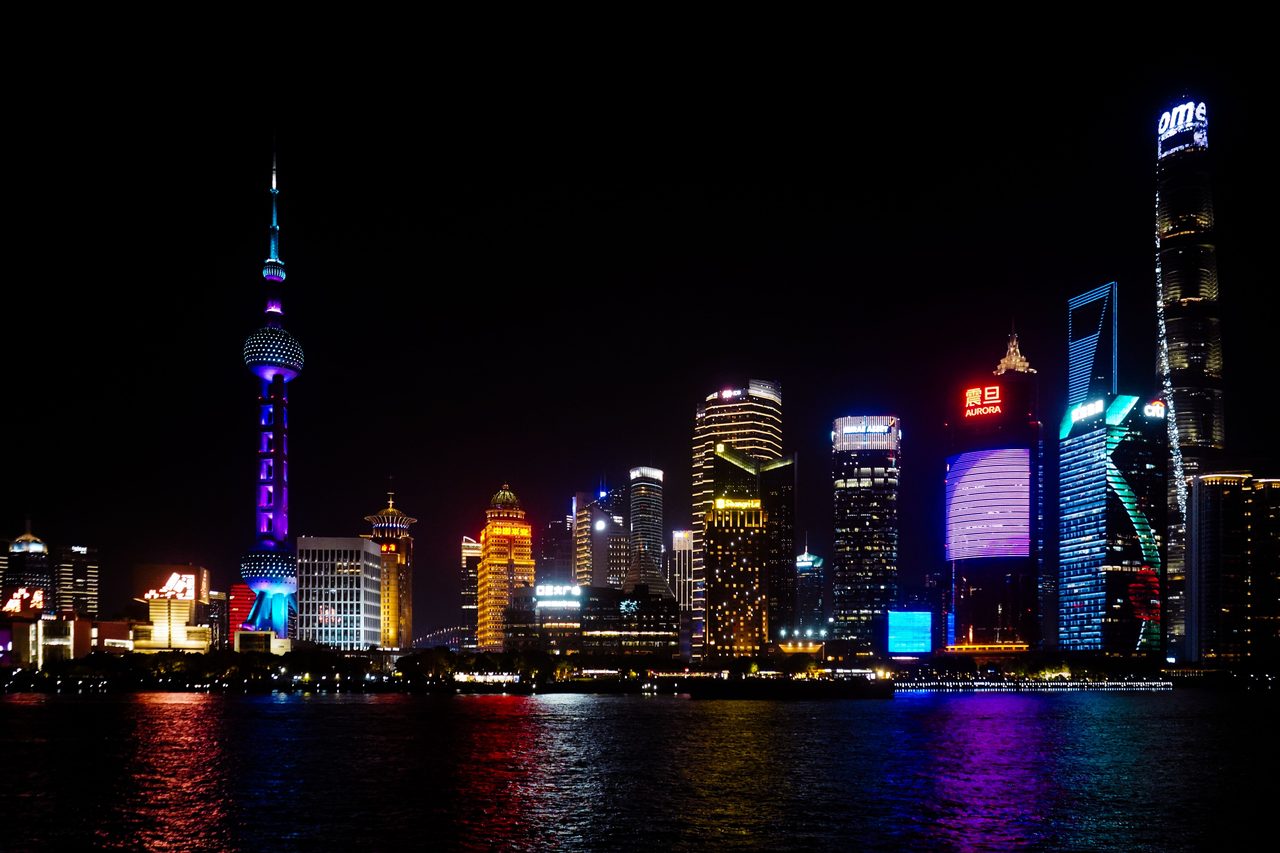
Shanghai, China's most cosmopolitan city, sits at the mouth of the Yangtze River on the eastern coast. The city is famous for its dramatic skyline, with the Pearl Tower, Shanghai Tower, and World Financial Center rising above Lujiazui in Pudong. Across the Huangpu River, the colonial-era Bund promenade showcases European architecture from the city's treaty-port era. Shanghai is also a food lover's paradise with exceptional local cuisine and a thriving international dining scene.
The 26 destinations our editors recommend — from iconic landmarks to under-the-radar finds.
The Bund (Waitan)
Shanghai's most iconic promenade stretches 1.5km along the west bank of the Huangpu River, lined with 52 grand colonial-era buildings representing British, French, American, and other architectural styles. By night, the skyline across the river in Lujiazui blazes with lights, creating one of Asia's most spectacular urban panoramas.
Yu Garden (Yuyuan Garden)
A masterpiece of classical Chinese garden design, Yu Garden was created in 1559 during the Ming Dynasty and spans 2 hectares of pavilions, rockeries, koi ponds, and ornate corridors. The surrounding Yu Garden Bazaar is a lively marketplace for traditional snacks, silk, and souvenirs.
Shanghai Tower
The second-tallest building in the world at 632 meters, Shanghai Tower features a dramatic twisting form and houses the world's highest observation deck at 561m on the 118th floor with 360-degree views. The tower also contains the world's fastest elevator, reaching the top in just 55 seconds.
Tianzifang
A creative arts and shopping district hidden within a labyrinth of restored shikumen (stone-gate house) alleyways in the French Concession, Tianzifang is packed with independent boutiques, art galleries, cafes, and craft studios. The narrow lanes have a bohemian energy that feels distinctly local.
Oriental Pearl Tower
Shanghai's most recognizable symbol before the Pudong boom, this striking television tower with its two distinctive pink spheres offers observation decks at 263m and 350m, plus a revolving restaurant. The base houses the Shanghai History Museum with life-size recreations of old Shanghai streets.
French Concession
Shanghai's most charming neighborhood retains the elegant tree-lined boulevards and art deco mansions from its days as an international settlement between 1849 and 1943. Today it's the city's most stylish district for boutique hotels, independent restaurants, cocktail bars, and boutique shopping.
Recommended itineraries
Pick a length, follow the route. Each itinerary balances headline sights with breathing room.
5-Day Shanghai Explorer
Day 1Arrive in Shanghai, explore city center
Day 2Visit top attractions and museums
Day 3Day trip to nearby highlights
Day 4Local markets and hidden gems
Day 5Final sightseeing, departure
7-Day Classic Shanghai
Days 1-2Shanghai city highlights
Days 3-4Regional exploration
Days 5-6Cultural immersion and local experiences
Day 7Return and departure
14-Day Ultimate Shanghai
Days 1-3Shanghai comprehensive city tour
Days 4-6Northern region exploration
Days 7-9Eastern highlights
Days 10-12Southern attractions
Days 13-14Return to Shanghai, departure
Where to stay in Shanghai
Three tiers, every traveller covered — from cost-conscious to flagship hotels.
Budget $52
Hostels, budget hotels, and guesthouses offer affordable stays without sacrificing experience.
Mid-range $137
Boutique hotels and well-located accommodations provide comfort and convenience at reasonable prices.
Luxury $388
World-class resorts and premium hotels deliver unforgettable experiences.
The Peninsula Shanghai
The Bund · $$$$
An iconic landmark occupying the prestigious 1928 heritage building at the northern tip of the Bund, The Peninsula is widely considered Shanghai's finest hotel. Impeccably furnished rooms overlook either the Bund promenade or the dazzling Lujiazui skyline, and the hotel's fleet of Rolls-Royces and private yacht complete the classic grand hotel experience.
Opened in 1929 as the Cathay Hotel and once called the finest hotel east of Suez, the Fairmont Peace Hotel is an art deco masterpiece on the Bund. Glamorous public spaces, the legendary Jazz Bar, and rooms with stunning river or city views make it an unmissable Shanghai experience.
A stunning combination of a restored 1910 Shanghai Club building and a sleek modern tower, the Waldorf Astoria offers palatial rooms with Bund or river views. The legendary Long Bar — once the longest bar in the world — is a prime attraction in itself.
Occupying floors 79-93 of the Shanghai World Financial Center, the Park Hyatt is among the world's highest hotels with jaw-dropping views from every room and facility. The 100 Century Avenue restaurant and the rooftop pool at 85 floors up are extraordinary experiences.
Cafés, neighbourhood gems, and tasting menus worth the table reservation.
Nanxiang Mantou Dian
Shanghainese · $
Founded in 1900, this legendary dim sum restaurant in Yu Garden Bazaar is famous for inventing the xiaolongbao soup dumpling. The original upstairs restaurant has queues that start before opening, but the ground floor takeaway counter offers the same dumplings to go.
Din Tai Fung
Taiwanese/Shanghainese · $$
The world-renowned Michelin-starred dumpling chain is arguably the best place to eat consistent, high-quality xiaolongbao in Shanghai. The kitchen is visible through glass — watch chefs pleat exactly 18 folds per dumpling.
Mr & Mrs Bund
French Modern · $$$$
Paul Pairet's acclaimed modern bistro on the Bund is one of Shanghai's most beloved restaurants, combining playful French cuisine with stunning Lujiazui views. The Late Night Menu served from 10:30PM is a popular option after a night out.
Ultraviolet by Paul Pairet
Multi-sensory French · $$$$
The world's most unique dining experience: a single 10-person table with a 20-course tasting menu synchronized with 360-degree projections, scent diffusion, and custom soundscapes. Widely considered one of Asia's best restaurants with three Michelin stars.
Fu 1088
Shanghainese · $$$$
Hidden inside a labyrinthine collection of restored 1930s French Concession villas, Fu 1088 serves refined traditional Shanghainese cuisine in extraordinary private dining rooms. The experience recreates the elegance of Republican-era Shanghai entertaining.
Lost Heaven
Yunnan / Southeast Asian · $$
A beautiful restaurant in a restored heritage building near People's Square serving the spicy, aromatic cuisine of Yunnan Province with Southeast Asian influences. The striking tribal-inspired decor and lively atmosphere make it one of Shanghai's most atmospheric dining experiences.
Shanghai has world-class public transportation anchored by one of the world's largest metro networks with 20+ lines and 500+ stations. The city is also served by two international airports, an extensive bus network, DiDi ride-hailing, and the iconic Maglev train from Pudong Airport.
Metro (Subway)
Shanghai Metro is the best way to navigate the city. With 20+ lines and 500+ stations covering all major attractions and neighborhoods, it's fast, cheap, and runs until 11PM. Signs and announcements are in English and Chinese.
Cost: ¥3-10 per ride ($0.42-1.40)
Maglev Train
The world's fastest commercial train connects Pudong International Airport to Longyang Road metro station in just 7 minutes at up to 430 km/h. A thrilling and surprisingly affordable transfer option.
Cost: ¥50 one-way, ¥80 round-trip ($7/$11)
DiDi (Ride-Hailing)
China's dominant ride-hailing app works like Uber and is the recommended way to get a taxi. The app supports English, shows a fixed fare upfront, and accepts payment via WeChat Pay or international credit cards.
Cost: ¥25-60 for most city rides ($3.50-8)
Taxi
Metered taxis (blue Dazhong and yellow Qiangsheng brands are most reliable) are available throughout the city. Show the driver your destination in Chinese characters to avoid language issues.
Cost: ¥14 base fare + ¥2.5/km ($1.95 base)
Bus
Extensive bus network with 1,000+ routes covering areas the metro doesn't reach. Buses are affordable but slower due to traffic. Real-time apps show arrival times.
Cost: ¥2 per ride ($0.28)
Ferry
The Bund-Pudong ferry crosses the Huangpu River in 10 minutes and offers scenic river views. Much more atmospheric than the metro for crossing between the Bund and Pudong.
Cost: ¥2 per crossing ($0.28)
Bike (Meituan / Hello Bike)
Shared bike apps (dockless) are available citywide. Scan the QR code on any bike to unlock it. Ideal for exploring the French Concession and flat city-center streets.
Cost: ¥1-2 per 30 minutes ($0.14-0.28)
Budget breakdown
Daily spend by tier in CNY, broken out by category.
Category
Budget
Mid-range
Luxury
Accommodation
$17
$80
$250
Food (per day)
$15
$35
$90
Transportation
$5
$12
$25
Activities
$15
$10
$23
Daily total
$52
$137
$388
Best time to visit Shanghai
Weather through the year in Shanghai
Best timeShoulderWorth avoiding
Average daytime temperature in °C. Figures are for Shanghai.
Essential travel tips
Get a local SIM card at the airport for data; install VPN before arriving
Download WeChat Pay or Alipay — many vendors no longer accept cash
The metro is the fastest and cheapest way to get around
Book major attractions online to avoid long queues
Spring (Apr-May) and autumn (Sep-Oct) offer the best weather
Hidden gems
Off-the-beaten-path corners most travellers miss.
Longhua Pagoda rooftop terrace (¥10 entry)
Jing'an Park interior upper terrace
North Bund elevated walkway (free)
Bao Lo Ge breakfast stall (7AM only)
Fuxing Park dawn dancing (6:30-8:30AM)
Sinan Road bookshops (quiet, curated)
The Bund (5:30-7AM depending on season)
Zhujiajiao canal bridges on weekdays
Longhua Temple before worshippers arrive
Sir Elly's Terrace (Peninsula Hotel rooftop)
New Heights (Three on the Bund)
Lujiazui elevated walkway for tower reflections
Safety information
INFO
Only use official licensed taxis (Dazhong blue taxis or Qiangsheng yellow taxis) or the DiDi app — unlicensed drivers at airports and train stations frequently overcharge tourists
INFO
Keep your passport with you at all times — hotels require it for check-in, and police may request ID
INFO
Install and activate a VPN before arriving in China — accessing Google, WhatsApp, Instagram, and Gmail requires a VPN; purchasing one inside China is difficult
INFO
Set up WeChat Pay or Alipay before relying on cash — many Shanghai street stalls and small restaurants no longer accept cash
INFO
Be cautious with your belongings in crowded areas: Nanjing Road, Yu Garden Bazaar, metro platforms, and the Bund attract pickpockets targeting tourists
INFO
Register at your country's embassy or consulate upon arrival if staying for an extended period
INFO
Avoid discussing politically sensitive topics (Tibet, Taiwan, Tiananmen Square, Xinjiang) in public — these conversations can attract unwanted attention
INFO
Be aware that many apps and websites are blocked in China (Google Maps, WhatsApp, Facebook, Instagram, YouTube) — download Chinese alternatives like Baidu Maps and WeChat before or on arrival
INFO
Be wary of 'tea ceremony' invitations from friendly strangers — this is a well-known tourist scam ending in highly inflated bills at private tea houses
INFO
Art gallery scams: avoid being persuaded by strangers to visit 'student art exhibitions' that pressure you to buy overpriced art
INFO
Counterfeit currency still circulates — check ¥100 notes for security strip and watermark when receiving change
INFO
Emergency services (police 110, ambulance 120, fire 119) speak Chinese only — hotels and tourist police stations can assist with translation
INFO
Air quality in Shanghai varies — check daily AQI (Air Quality Index) on apps; on high-pollution days, wear an N95 mask, available at all pharmacies
INFO
Tap water is not safe to drink anywhere in Shanghai — use bottled water or boil first
INFO
Crossing roads requires caution — traffic signals are observed inconsistently by cyclists and e-bikes; electric scooters often run red lights silently
INFO
Keep copies of your passport, visa, and travel insurance documents in a separate location or cloud storage
Frequently asked questions
Is Shanghai safe to visit in 2026?
Shanghai is consistently ranked among the world's safest major cities with extremely low rates of violent crime against tourists. The primary concerns for visitors are petty theft in crowded tourist areas, tourist-targeted scams, and navigating digital restrictions. Emergency services: police at 110, medical at 120.
What is the best time to visit Shanghai?
The best time to visit Shanghai is April-May and September-October. Shanghai has a humid subtropical climate with four distinct seasons. Summers are hot and humid with frequent rain and occasional typhoons tracking up the coast; winters are cold and damp with occasion
Do I need a visa to visit Shanghai?
Entry requirements follow China rules. Most visitors need a visa in advance; however, citizens of 54 countries qualify for a 144-hour visa-free transit through Shanghai. Check current requirements as policies change. Requirements vary by nationality, so check with your nearest embassy or the official immigration website before traveling.
What currency is used in Shanghai?
The currency in Shanghai is the Chinese Yuan (CNY). ATMs are widely available in cities and tourist areas. Credit cards are accepted at most hotels and restaurants, but carry cash for markets and smaller establishments.
What language is spoken in Shanghai?
The main language(s) spoken in Shanghai: Mandarin Chinese, Shanghainese (Wu Chinese). In tourist areas, English is generally understood. Learning a few basic phrases in the local language is appreciated by locals.
What are the top attractions in Shanghai?
The top attractions in Shanghai include The Bund (Waitan), Yu Garden (Yuyuan Garden), Shanghai Tower, Tianzifang, and Oriental Pearl Tower. Each offers a unique experience, from historic landmarks to natural wonders.
Explore Shanghai by city
The cities below have their own guides — hotels, attractions and where to eat, in depth.