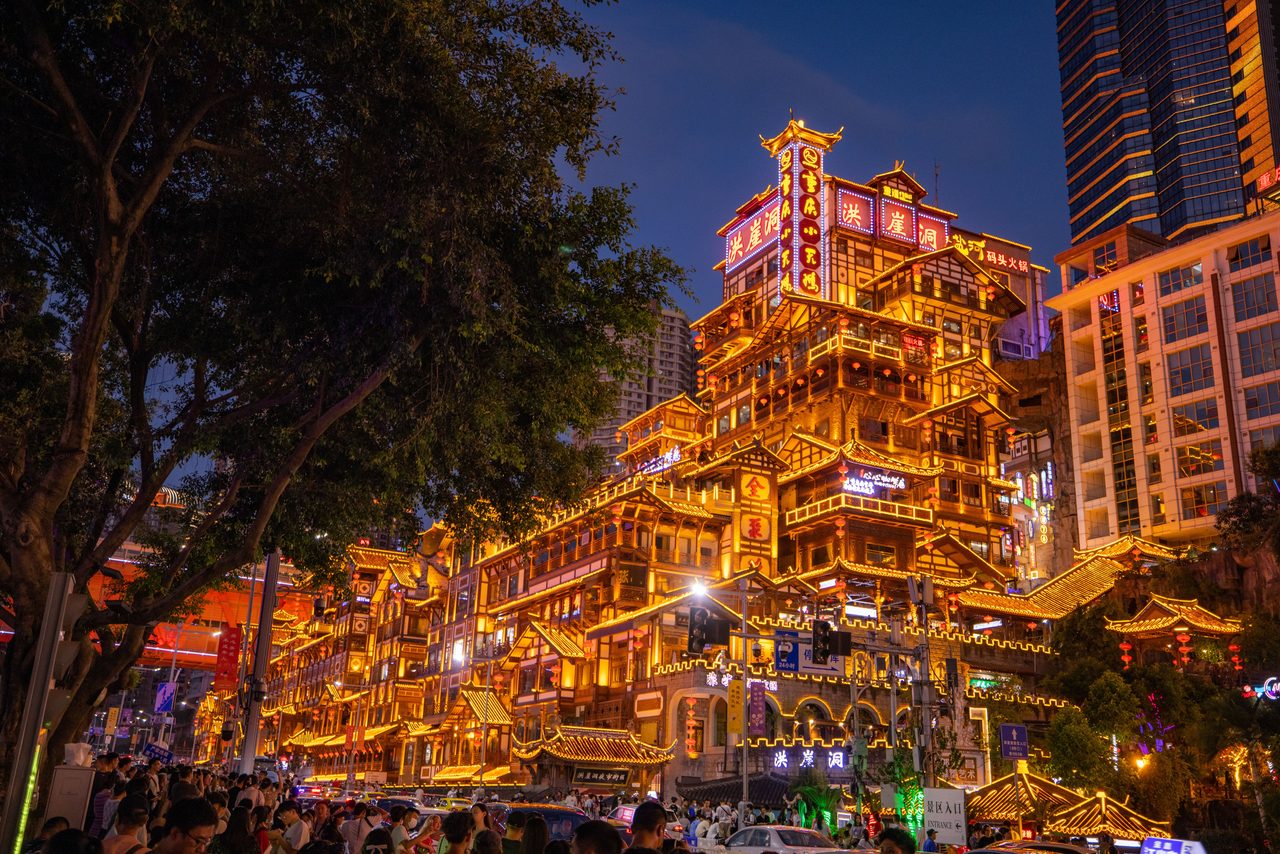
Sichuan · 25 Places · Best March–May and September–November
Sichuan
Sichuan is a vast southwestern province of China renowned for its fiery cuisine, spectacular natural scenery, and rich cultural heritage. Home to UNESCO World Heritage Sites including Jiuzhaigou, Mount Emei, and the Leshan Giant Buddha, Sichuan captivates visitors with its dramatic landscapes ranging from lush river valleys to towering Tibetan-fringe highlands.
Sichuan Province sits in southwestern China and borders Tibet, Yunnan, Guizhou, Chongqing, Shaanxi, Gansu, and Qinghai. The province is bisected by the Sichuan Basin in the east and towering mountain ranges in the west, creating extraordinary biodiversity and dramatic scenery. Sichuan is the global home of the giant panda and is equally celebrated for its bold, numbing-spicy cuisine that has conquered the world's palates.
The 25 destinations our editors recommend — from iconic landmarks to under-the-radar finds.
Jiuzhaigou National Park
A UNESCO World Heritage Site in northern Sichuan famed for its spectacular multi-colored lakes, cascading waterfalls, and snow-capped peaks. The valley stretches over 72,000 hectares and hosts over 100 lakes of vivid turquoise, emerald, and sapphire hues caused by mineral deposits and algae. Autumn (September–November) is the most spectacular season when foliage frames the iridescent waters.
Chengdu Research Base of Giant Panda Breeding
The world's foremost giant panda conservation and research center, home to over 200 giant and red pandas. Located just 10 km from central Chengdu, visitors can observe pandas feeding, playing, and resting in naturalistic enclosures. Mornings are the best time to visit when pandas are most active before mid-morning naps.
Leshan Giant Buddha
The world's largest stone Buddha statue, carved into a cliff face at the confluence of three rivers in the 8th century Tang Dynasty. Standing 71 meters tall, the Maitreya Buddha took 90 years to complete and is now a UNESCO World Heritage Site alongside nearby Mount Emei. Visitors can descend stairs to the riverside for a full view or cruise past by boat.
Mount Emei (Emeishan)
One of China's Four Great Buddhist Mountains and a UNESCO World Heritage Site, Mount Emei rises to 3,099 meters in southwestern Sichuan. The mountain hosts over 30 monasteries and temples including the magnificent Wannian Temple dating to the 4th century. The summit of Golden Summit offers breathtaking sunrise views above the clouds with a gilded Samantabhadra statue.
Dujiangyan Irrigation System
An engineering masterpiece built in 256 BC during the Qin dynasty, the Dujiangyan system diverts the Min River to irrigate the Chengdu Plain without using a dam, and is still fully operational today after 2,000+ years. The system comprises three main components — Fish Mouth Water-Dividing Dam, Feisha Weir, and Bottle-Neck Channel — and is listed as a UNESCO World Heritage Site.
Huanglong Scenic Area
A UNESCO World Heritage Site in northwestern Sichuan featuring a series of calcite-rimmed colorful pools, glaciers, waterfalls, and dense forests. The Main Valley Scenic Area offers a 7.5 km trail leading to the Five-Color Pond at 3,600 meters altitude, surrounded by snow-capped peaks. Huanglong is one of China's highest-altitude scenic areas and requires acclimatization.
Recommended itineraries
Pick a length, follow the route. Each itinerary balances headline sights with breathing room.
5-Day Sichuan Explorer
Day 1Arrive in Sichuan, explore city center
Day 2Visit top attractions and museums
Day 3Day trip to nearby highlights
Day 4Local markets and hidden gems
Day 5Final sightseeing, departure
7-Day Classic Sichuan
Days 1-2Sichuan city highlights
Days 3-4Regional exploration
Days 5-6Cultural immersion and local experiences
Day 7Return and departure
14-Day Ultimate Sichuan
Days 1-3Sichuan comprehensive city tour
Days 4-6Northern region exploration
Days 7-9Eastern highlights
Days 10-12Southern attractions
Days 13-14Return to Sichuan, departure
Where to stay in Sichuan
Three tiers, every traveller covered — from cost-conscious to flagship hotels.
Budget $27
Hostels, budget hotels, and guesthouses offer affordable stays without sacrificing experience.
Mid-range $66
Boutique hotels and well-located accommodations provide comfort and convenience at reasonable prices.
Luxury $180
World-class resorts and premium hotels deliver unforgettable experiences.
Niccolo Chengdu
Tianfu Square, Central Chengdu · $$$$
Occupying the upper floors of the International Finance Square tower, Niccolo Chengdu offers sweeping panoramic views of the city skyline and distant mountains. The hotel features sleek contemporary interiors, a rooftop infinity pool, multiple award-winning dining outlets, and exceptional personalized service.
A flagship luxury hotel blending contemporary design with traditional Chinese aesthetics in the heart of Chengdu. The Shangri-La offers spacious rooms, an indoor pool, the celebrated Shang Palace Cantonese restaurant, and the hotel's signature Chi Spa with Sichuan-inspired treatments.
An elegant French-influenced luxury hotel near Chengdu's financial and cultural district, featuring Art Deco-inspired interiors and Michelin-caliber French-Cantonese dining. The hotel's SoSPA offers an extensive menu of wellness treatments tailored to the Sichuan climate.
A boutique luxury hotel nestled within a restored Ming Dynasty temple complex in the Taikoo Li shopping precinct adjacent to Daci Temple. The Temple House integrates historic carved stone walls, wooden lattice screens, and serene garden courtyards with ultra-modern guest rooms and a rooftop pool.
Cafés, neighbourhood gems, and tasting menus worth the table reservation.
Haidilao Hot Pot (Chunxi Road Branch)
Sichuan Hotpot · $$
The flagship Chengdu location of China's most celebrated hotpot chain, renowned for theatrical tableside service including noodle-pulling performances and complimentary snacks during wait times. Diners choose from classic spicy numbing broth, mild clear broth, or a split pot to enjoy both simultaneously with premium-quality meats and fresh vegetables.
Chen Mapo Tofu (Original Branch)
Sichuan · $
The birthplace of mapo tofu, this legendary Chengdu restaurant has been serving its signature silken tofu braised with fermented black beans, chili oil, ground pork, and the numbing tingle of Sichuan peppercorns since 1862. A pilgrimage site for food lovers visiting Chengdu, the original recipe remains unchanged after 150+ years.
Long Chao Shou
Sichuan Dim Sum · $
A beloved Chengdu institution operating since 1941, Long Chao Shou specializes in wonton (chaoshou) soup and a vast selection of Sichuan street food snacks all served in a casual multi-story dining hall. A must-visit for dim sum breakfast featuring delicate dumplings in red oil chili sauce.
Fu Qi Fei Pian
Sichuan · $
Named after the legendary dish invented by a married couple (fuqi means 'husband and wife'), this restaurant specializes in the classic Sichuan cold dish of thinly sliced beef and offal drizzled in a complex sauce of chili oil, sesame paste, and Sichuan peppercorns. A definitive Chengdu eating experience.
Yuxiang Renjia
Sichuan Home-style · $
A popular Chengdu restaurant chain serving authentic home-style Sichuan cooking at affordable prices, including fish-fragrant eggplant, twice-cooked pork, and dry-braised green beans. A reliable choice for a filling local meal that captures the flavors Sichuan families eat every day.
Shu Feng Yuan Ye Sichuan Opera Teahouse
Sichuan Teahouse · $$
A traditional Chengdu teahouse that serves authentic Sichuan snacks and tea sets while hosting live Sichuan Opera face-changing performances. Guests sit in ornate teahouse booths enjoying tea ceremony experiences and a rotating cast of performers throughout the evening — an all-in-one cultural and culinary experience.
Chengdu is the major transport hub of Sichuan with two international airports, extensive high-speed rail connections, and a growing metro network. Western Sichuan highlands are best reached by long-distance bus or private vehicle as rail links are limited. Domestic flights connect Chengdu to Daocheng Yading and Kangding airports in remote western areas.
Metro (Chengdu)
9 lines covering central Chengdu and extending to airports; comfortable, frequent, and very affordable
Cost: $0.30–0.80 per ride
High-speed Train (CRH)
Bullet trains connecting Chengdu to Leshan (1 hr), Emeishan (1 hr), and Mianyang (30 min)
Cost: $7–15
Long-distance Coach Bus
Buses from Chengdu's main stations to Jiuzhaigou, Dujiangyan, Kangding, and Daocheng
Cost: $5–45
Didi (Ride-hailing)
The Chinese equivalent of Uber; essential for getting around Chengdu city without cash
Cost: $3–15
Domestic Flight
Chengdu to Daocheng Yading (DCY), Kangding (KGT), and Jiuhuang/Jiuzhaigou (JZH) airports
Cost: $50–120 one way
Private Car Hire
Most practical for multi-day western Sichuan tours including Siguniang, Daocheng, and Tagong
Cost: $80–180/day with driver
Budget breakdown
Daily spend by tier in CNY, broken out by category.
Category
Budget
Mid-range
Luxury
Accommodation
$8
$25
$100
Food (per day)
$8
$20
$45
Transportation
$4
$10
$20
Activities
$7
$11
$15
Daily total
$27
$66
$180
Best time to visit Sichuan
Weather through the year in Sichuan
Best timeShoulderWorth avoiding
Average daytime temperature in °C. Figures are for Sichuan.
Essential travel tips
Download WeChat and Alipay before arrival — essential for payments in Sichuan
Get a local SIM card at the airport for affordable data
Book Jiuzhaigou tickets well in advance online — daily caps apply
A VPN is needed to access Google, Instagram, and WhatsApp in China
Hidden gems
Off-the-beaten-path corners most travellers miss.
Wangjiaxiang rooftop café overlooking Chengdu's old neighborhood alley grid
Paoma Mountain cable car view over Kangding valley (Day 4 optional extension)
Tongzi Lou Teahouse in People's Park
where real Chengdu residents spend their mornings
Huang Cheng Bazi spice market at 7 AM before tourist crowds
Mount Emei Golden Summit (stay overnight)
Siguniang Mountain dawn alpenglow on snow peaks
Jiuzhaigou Mirror Lake golden hour
Chengdu IFS rooftop bar
Safety information
INFO
Acclimatize slowly when traveling to western Sichuan highlands — altitude sickness can occur above 2,500m; ascend gradually and allow 1–2 days for adjustment before strenuous activity
INFO
Carry altitude sickness medication (acetazolamide/Diamox) prescribed by your doctor if planning visits to Daocheng Yading (4,000m+), Kangding Airport (4,290m), or Huanglong (3,600m)
INFO
Drink only bottled or boiled water — tap water is not safe to drink anywhere in Sichuan; hot tea served at restaurants is safe
INFO
Use Didi (ride-hailing app) exclusively for taxis in Chengdu and other cities — unlicensed taxis at tourist sites and transport hubs frequently overcharge international visitors
INFO
Install a VPN before entering China — Google Maps, WhatsApp, Instagram, and many other services are blocked; use Baidu Maps and WeChat instead
INFO
Sichuan is in a seismically active zone — the 2008 Wenchuan earthquake was centered in Sichuan. Familiarize yourself with earthquake safety procedures and your hotel's emergency exits
INFO
Monkeys at Mount Emei and some forest areas are bold and may snatch food, glasses, or bags — secure belongings and do not feed or tease them
INFO
Register with your country's embassy or consulate upon arrival in China for emergency assistance
INFO
Some areas of western Sichuan near the Tibet Autonomous Region border require a Tibet Travel Permit (TTP) — research permit requirements for your specific route well before traveling
INFO
Sudden weather changes are common in western Sichuan mountains — always carry warm layers, waterproof jacket, and sun protection regardless of season
INFO
Download offline maps (Baidu Maps, Amap/Gaode) and save your hotel address in Chinese before venturing out — language barriers can complicate getting help when lost
INFO
Emergency services operate on standardized Chinese numbers; keep the police (110), ambulance (120), and fire (119) numbers saved on your phone
INFO
Sichuan food can be very spicy — inform restaurants of your spice tolerance to avoid gastrointestinal distress; carry basic anti-diarrhea medication as a precaution
INFO
Flash floods and landslides occur during summer rainy season (June–August) on mountain roads — check road conditions before driving or taking buses to remote areas
INFO
Be cautious with ATM usage — use bank branch ATMs (ICBC, Bank of China) rather than standalone machines to minimize card skimming risk
Frequently asked questions
Is Sichuan safe to visit in 2026?
Sichuan is generally a very safe destination for international travelers with low rates of violent crime in urban areas. The main safety considerations are altitude sickness in western highland areas, seismic activity, and the need to navigate Chinese internet restrictions and payment systems. Emergency services: police at 110, medical at 120.
What is the best time to visit Sichuan?
The best time to visit Sichuan is March–May and September–November. Sichuan has dramatically varied climates due to its geography. The Sichuan Basin (Chengdu and surrounds) has a subtropical monsoon climate with mild winters, hot humid summers, and low sunshine hours
Do I need a visa to visit Sichuan?
Entry requirements follow China national rules. Most foreign nationals require a visa; citizens of select countries may benefit from 144-hour transit visa-free or 15-day visa-free policies depending on port of entry. Check with the Chinese embassy in your country before travel. Requirements vary by nationality, so check with your nearest embassy or the official immigration website before traveling.
What currency is used in Sichuan?
The currency in Sichuan is the Chinese Yuan (CNY). ATMs are widely available in cities and tourist areas. Credit cards are accepted at most hotels and restaurants, but carry cash for markets and smaller establishments.
What language is spoken in Sichuan?
The main language(s) spoken in Sichuan: Mandarin Chinese, Sichuan dialect, Tibetan. In tourist areas, English is generally understood. Learning a few basic phrases in the local language is appreciated by locals.
What are the top attractions in Sichuan?
The top attractions in Sichuan include Jiuzhaigou National Park, Chengdu Research Base of Giant Panda Breeding, Leshan Giant Buddha, Mount Emei (Emeishan), and Dujiangyan Irrigation System. Each offers a unique experience, from historic landmarks to natural wonders.
Explore Sichuan by city
The cities below have their own guides — hotels, attractions and where to eat, in depth.