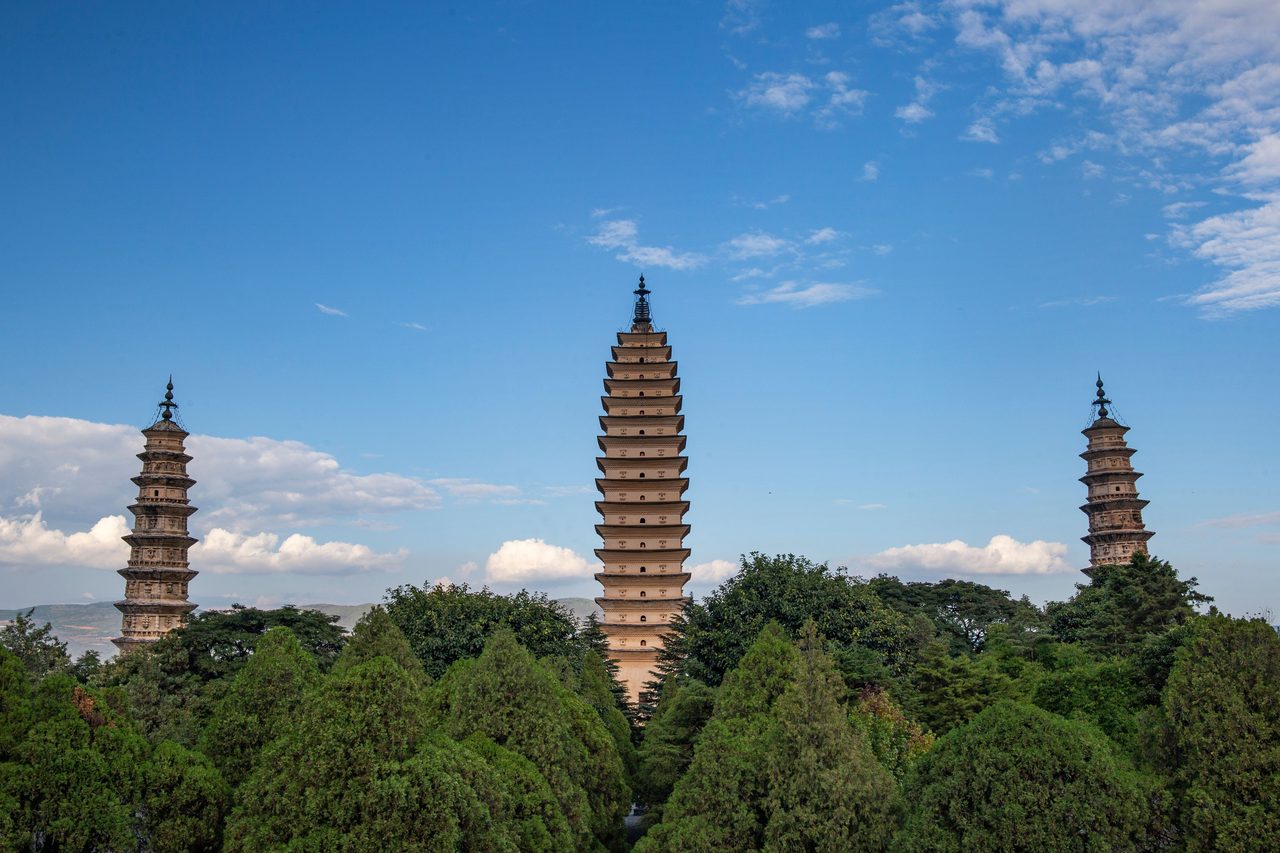
Yunnan is China's most ethnically diverse province, home to 26 of China's 56 recognized ethnic groups. Stretching from subtropical jungles in the south to Tibetan plateau landscapes in the north, it offers an extraordinary range of landscapes, cultures, and experiences. Famous for Lijiang's ancient town, Tiger Leaping Gorge, and Xishuangbanna's tropical rainforests, Yunnan is a destination unlike anywhere else in China.
Yunnan Province is located in southwestern China, bordering Myanmar, Laos, and Vietnam. The province encompasses an extraordinary diversity of landscapes from Xishuangbanna's tropical rainforests to Shangri-La's alpine meadows at over 3,000m elevation. Kunming, the provincial capital, enjoys a mild year-round climate and serves as the gateway to Yunnan's many wonders. The province is renowned for its Pu'er tea, wild mushrooms, Crossing the Bridge Noodles, and vibrant ethnic minority cultures.
The 27 destinations our editors recommend — from iconic landmarks to under-the-radar finds.
Stone Forest (Shilin)
A vast natural wonder of towering limestone karst formations rising from the earth like a petrified forest. Covering 400 square kilometers southeast of Kunming, this UNESCO World Heritage Site features labyrinthine paths between stone pillars up to 30 meters tall. The site holds deep cultural significance for the local Sani people (a Yi subgroup) and includes a scenic lake.
Jade Dragon Snow Mountain (Yulong Xueshan)
A majestic snow-capped mountain range rising to 5,596 meters, visible from Lijiang on clear days and sacred to the Naxi people. Three cable cars ascend to different scenic areas: the Glacier Park cable car reaches 4,680m with views of permanent glaciers. The Blue Moon Valley at the mountain base offers stunning turquoise pools surrounded by alpine scenery.
Tiger Leaping Gorge (Hutiao Xia)
One of the world's deepest river gorges, where the Jinsha River plunges between Jade Dragon Snow Mountain and Haba Snow Mountain, creating a canyon up to 3,900 meters deep. The 2-3 day high trail trek is one of China's most spectacular hikes, passing through Naxi villages and offering vertiginous views. The gorge gets its name from a legend that a tiger escaped hunters by leaping across a narrow rock midstream.
Lijiang Old Town (Dayan)
A UNESCO World Heritage Site and one of China's best-preserved ancient towns, Lijiang Old Town is a maze of cobblestone alleys, traditional Naxi architecture, and flowing water channels. The town dates to the Song Dynasty and features the iconic Sifang Square, wood-carved buildings, and views to Jade Dragon Snow Mountain. At night, the town glows with red lanterns and the sounds of traditional Naxi music.
Songzanlin Monastery (Ganden Sumtseling)
Yunnan's largest Tibetan Buddhist monastery, known as 'Little Potala Palace,' was originally built in 1679 under the Fifth Dalai Lama. The complex houses over 700 monks and features magnificent gilded roofs, thousands of Buddhist statues, and sweeping views over Shangri-La's plateau. The monastery is an important center of Tibetan Buddhism and contains precious sutras, thangkas, and artifacts.
Erhai Lake (Erhai Hu)
A stunning alpine lake cradled between the Cangshan Mountains and the Yunnan plateau, Erhai Lake is the second-largest freshwater lake in Yunnan. Covering 250 square kilometers, the lake is famous for its clear blue waters, scenic villages, and the traditional Bai fishermen who use trained cormorants to catch fish. Cycling the lakeside route through traditional Bai villages is one of the best experiences in Dali.
Recommended itineraries
Pick a length, follow the route. Each itinerary balances headline sights with breathing room.
5-Day Yunnan Explorer
Day 1Arrive in Yunnan, explore city center
Day 2Visit top attractions and museums
Day 3Day trip to nearby highlights
Day 4Local markets and hidden gems
Day 5Final sightseeing, departure
7-Day Classic Yunnan
Days 1-2Yunnan city highlights
Days 3-4Regional exploration
Days 5-6Cultural immersion and local experiences
Day 7Return and departure
14-Day Ultimate Yunnan
Days 1-3Yunnan comprehensive city tour
Days 4-6Northern region exploration
Days 7-9Eastern highlights
Days 10-12Southern attractions
Days 13-14Return to Yunnan, departure
Where to stay in Yunnan
Three tiers, every traveller covered — from cost-conscious to flagship hotels.
Budget $35
Hostels, budget hotels, and guesthouses offer affordable stays without sacrificing experience.
Mid-range $120
Boutique hotels and well-located accommodations provide comfort and convenience at reasonable prices.
Luxury $400
World-class resorts and premium hotels deliver unforgettable experiences.
Banyan Tree Lijiang
Jade Dragon Snow Mountain, Lijiang · $$$$
An iconic luxury resort nestled at the foot of Jade Dragon Snow Mountain, featuring 123 private villas and suites inspired by traditional Naxi architecture with pitched roofs, carved wood details, and courtyard gardens. The resort is renowned for its award-winning Banyan Tree Spa offering signature treatments using local Naxi ingredients, along with three distinct restaurants serving Yunnan cuisine, Chinese, and international dishes.
A flagship international luxury hotel in central Kunming combining French elegance with contemporary design, featuring 355 rooms and suites with floor-to-ceiling windows and city or mountain views. The hotel boasts a rooftop pool, an extensive spa with hydrotherapy facilities, and multiple award-winning dining venues including a French restaurant and authentic Chinese banquet hall.
A stunning tropical luxury resort set on the banks of the Luosuo River, overlooking the Xishuangbanna Tropical Botanical Garden. The resort integrates Dai ethnic architectural elements with contemporary luxury, offering riverside villas with private terraces, a lavish spa incorporating traditional Dai herbal treatments, and multiple dining venues serving Dai and international cuisine.
An intimate boutique luxury lodge near Songzanlin Monastery offering just 20 Tibetan-style rooms with panoramic views of alpine meadows and the surrounding plateau. The lodge features the renowned Songtsam Spa combining Tibetan healing traditions and Chinese medicine with signature treatments including Tibetan medicine nectar baths and Himalayan salt scrubs.
Cafés, neighbourhood gems, and tasting menus worth the table reservation.
Fuzhaolou
Yunnan · $$
Established in 1938, Fuzhaolou is Kunming's most storied Yunnan restaurant and a pilgrimage site for food lovers seeking authentic provincial flavors. Famous for its Steam Pot Chicken (Qiguoji), where a whole chicken is steamed in a special earthenware pot over water vapor without added liquid, resulting in an intensely pure broth.
Jiqingyuan
Yunnan · $
A beloved institution specializing in Crossing the Bridge Rice Noodles (Guoqiao Mixian), where a bowl of scalding broth is served tableside along with raw ingredients that cook in the hot soup. The recipe follows the traditional Mengzi-style preparation with a rich chicken and pork bone broth topped with a layer of fat to retain heat.
Wild Mushroom Hot Pot Restaurant (Ye Jun Huo Guo)
Yunnan · $$
A seasonal restaurant in Kunming serving wild mushroom hot pot using over 30 varieties of locally foraged mushrooms from Yunnan's forests, including prized matsutake, termite mushrooms, and exotic chanterelles. The clear broth allows the complex earthy flavors to shine, and staff guide guests on which mushrooms are in season.
No. 84 Renmin Road
Bai/Dali · $$
The most famous traditional Dali restaurant, serving authentic Bai ethnic cuisine in a whitewashed courtyard setting on Dali Ancient City's main street. This time-honored establishment is known for its Dali Fish in Casserole, Roasted Er Kuai rice cakes, and Ru Shan (Yunnan fresh cheese), along with the famous Three-Course Tea ceremony that accompanies meals.
Zhusheng Garden Restaurant
Bai/Yunnan · $$
A charming garden restaurant in Dali offering Bai-style cuisine served in an open-air setting surrounded by traditional architecture and bamboo gardens. The menu features fresh Erhai fish, Bai minority dishes, and seasonal vegetables from the Cangshan mountain slopes, with tables arranged around a central garden fountain.
Mishi Restaurant
Naxi · $$
An intimate restaurant in Lijiang Old Town run by a Naxi family, serving traditional Naxi recipes that have been passed down through generations. The menu features Naxi pork sausages (Lijiang Pipa Pork), Naxi-style braised meats, local mushrooms, and authentic Yunnan rice wine in a candlelit wooden interior with carved Naxi motifs.
Yunnan is a large province requiring varied transport modes. Kunming is the main hub with frequent high-speed rail and domestic flights connecting to Dali, Lijiang, and Shangri-La. Buses fill gaps, and ride-hailing (DiDi) is essential for local urban transit.
High-speed Train
CRH trains connect Kunming to Dali in ~2 hours and Kunming to other major cities
Cost: $8-20
Domestic Flight
Fastest way to reach Lijiang, Shangri-La, and Xishuangbanna from Kunming
Cost: $30-80
Long-distance Bus
Serves routes not covered by rail; comfortable coaches to smaller towns
Cost: $5-25
DiDi (Ride-Hailing)
China's Uber equivalent; essential for city transport and some cross-town trips
Cost: $2-8
Metro (Kunming)
6 metro lines covering central Kunming and extending to the airport
Cost: $0.30-1
Bicycle
Ideal for Erhai Lake circuit and Lijiang Old Town environs; rental widely available
Cost: $3-5/day
Shared Minivan
Flexible shared transport on popular tourist routes (e.g., Lijiang to Tiger Leaping Gorge)
Cost: $4-8 per seat
Budget breakdown
Daily spend by tier in CNY, broken out by category.
Category
Budget
Mid-range
Luxury
Accommodation
$10
$55
$220
Food (per day)
$10
$35
$100
Transportation
$5
$15
$50
Activities
$10
$15
$30
Daily total
$35
$120
$400
Best time to visit Yunnan
Weather through the year in Yunnan
Best timeShoulderWorth avoiding
Average daytime temperature in °C. Figures are for Yunnan.
March to May and September to November
Essential travel tips
Download DiDi (Chinese Uber) for local transport
VPN recommended for accessing foreign websites
WeChat Pay or Alipay essential for cashless payments
Book cable cars at Jade Dragon Snow Mountain well in advance
Hidden gems
Off-the-beaten-path corners most travellers miss.
Lijiang Old Town northern city wall walk for village views
Dali Three Pagodas reflection pond (rear entrance) at dawn
Naxi Kitchen on Guangyi Street
grandmother-run, authentic, sell out by 7 PM
Xizhou Village morning tofu market (5-7 AM)
Black Dragon Pool for Jade Dragon Snow Mountain glow
Yuanyang Rice Terraces Duoyishu viewpoint
Dali Three Pagodas reflection pond
Shangri-La Napahai highland meadows
Safety information
INFO
Download and carry digital copies of your passport, visa, and travel insurance — originals may be required at hotels and some attractions
INFO
Acclimatize for 24 hours before visiting Shangri-La (3,200m elevation) or the Jade Dragon Snow Mountain cable car peak (4,680m) to prevent altitude sickness
INFO
Carry altitude sickness medication (acetazolamide/Diamox) if visiting high-altitude areas in Shangri-La or planning to trek Haba Snow Mountain
INFO
Drink only bottled or purified water throughout Yunnan — tap water is not potable and can cause stomach issues
INFO
Use DiDi (the official ride-hailing app) or metered taxis only; avoid unofficial taxis particularly around train stations and tourist sites
INFO
Secure your valuables in crowded tourist areas, particularly in Lijiang Old Town, Kunming markets, and busy bus stations — pickpocketing occurs in tourist crowds
INFO
Register with your embassy or consulate upon arrival for longer stays; US, UK, and Australian embassies have emergency hotlines for citizens
INFO
Be cautious of 'friendship' scams in tourist areas: strangers who invite you for tea or to meet their family may be leading you to overpriced shops or scam art galleries
INFO
Do not wade in fresh water lakes or rivers without checking for schistosomiasis risk — Dianchi Lake is not safe for swimming
INFO
Yunnan is seismically active — familiarize yourself with earthquake procedures and note exit routes at your hotel
INFO
During rainy season (June-September), mountain roads are at risk of landslides, particularly on routes to Shangri-La and Tiger Leaping Gorge — check conditions before travel
INFO
Store emergency numbers in your phone: police 110, ambulance 120, fire 119
INFO
Keep a small amount of cash (¥200-500) on you at all times as many rural areas don't accept mobile payments
INFO
If trekking Tiger Leaping Gorge, tell your guesthouse your plans and carry sufficient water — the trail is strenuous and has limited rescue access
INFO
Be aware of strong sun at altitude — Yunnan's high elevation (Kunming 1,900m, Shangri-La 3,200m) means UV radiation is significantly higher than at sea level; use SPF 50+ sunscreen
INFO
Electrical storms are common during afternoon in the rainy season — descend from exposed mountain trails by midday if storms are forecast
Frequently asked questions
Is Yunnan safe to visit in 2026?
Yunnan is one of China's safer provinces for tourists, with low violent crime rates and generally welcoming communities. The main risks are altitude sickness in highland areas, natural hazards (earthquakes, landslides in rainy season), petty theft in tourist areas, and travel scams targeting foreign visitors. Emergency services: police at 110, medical at 120.
What is the best time to visit Yunnan?
The best time to visit Yunnan is March to May and September to November. Yunnan spans multiple climate zones due to its extreme elevation variation, from tropical Xishuangbanna (200m) to Tibetan alpine Shangri-La (3,200m). Kunming, the capital, sits at 1,900m and enjoys it
Do I need a visa to visit Yunnan?
Entry requirements follow China rules. Most visitors require a Chinese visa obtained in advance; citizens of select countries may be eligible for visa-free or visa-on-arrival entry. Check the current China visa policy for your nationality before traveling. Requirements vary by nationality, so check with your nearest embassy or the official immigration website before traveling.
What currency is used in Yunnan?
The currency in Yunnan is the Chinese Yuan (CNY). ATMs are widely available in cities and tourist areas. Credit cards are accepted at most hotels and restaurants, but carry cash for markets and smaller establishments.
What language is spoken in Yunnan?
The main language(s) spoken in Yunnan: Mandarin Chinese, Yi, Tibetan. In tourist areas, English is generally understood. Learning a few basic phrases in the local language is appreciated by locals.
What are the top attractions in Yunnan?
The top attractions in Yunnan include Stone Forest (Shilin), Jade Dragon Snow Mountain (Yulong Xueshan), Tiger Leaping Gorge (Hutiao Xia), Lijiang Old Town (Dayan), and Songzanlin Monastery (Ganden Sumtseling). Each offers a unique experience, from historic landmarks to natural wonders.
Explore Yunnan by city
The cities below have their own guides — hotels, attractions and where to eat, in depth.