Zhejiang · 20 Places · Best March-May and September-November
Zhejiang
Zhejiang is a coastal province in eastern China, on the southern shore of the Yangtze River Delta and the East China Sea. It is one of China's smallest provinces by land area yet one of its wealthiest and most densely populated, anchored by the historic capital Hangzhou and its famous West Lake. Zhejiang is celebrated for its canal-laced water towns, sacred Buddhist mountain of Putuo Shan, tea plantations, and a coastline scattered with thousands of islands.
Zhejiang stretches along China's central-eastern coast, bordered by Jiangsu and Shanghai to the north, Anhui and Jiangxi to the west, and Fujian to the south, with the East China Sea forming its eastern edge. Its capital, Hangzhou, sits on the UNESCO-listed West Lake and once served as the terminus of the Grand Canal and the capital of the Southern Song Dynasty. Beyond Hangzhou, the province is dotted with well-preserved canal towns such as Wuzhen, Xitang, and Nanxun, the cool mountain retreat of Moganshan, the sacred Buddhist island of Putuo Shan, and the vast, island-studded Qiandao Lake. Zhejiang is also one of China's economic powerhouses, home to Ningbo's deep-water port and Yiwu's global small-commodities market, giving visitors a mix of imperial history, garden cities, and fast-moving modern commerce.
The 20 destinations our editors recommend — from iconic landmarks to under-the-radar finds.
West Lake (Xi Hu)
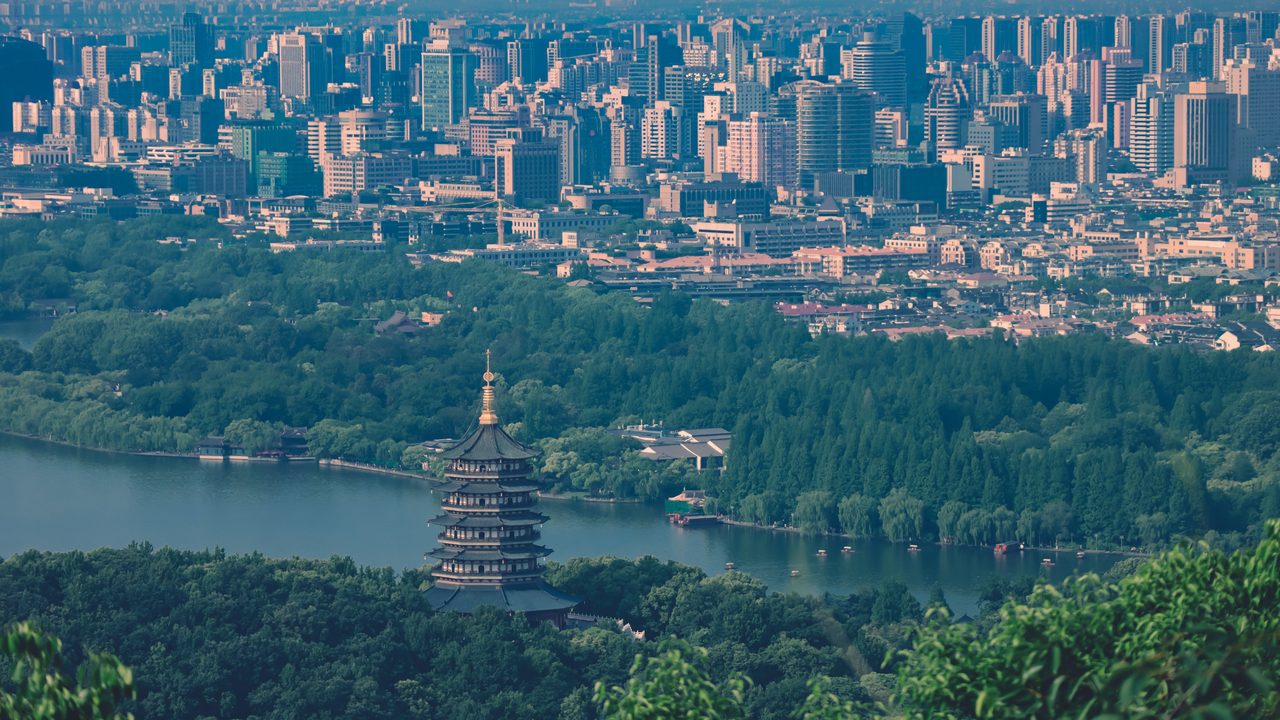
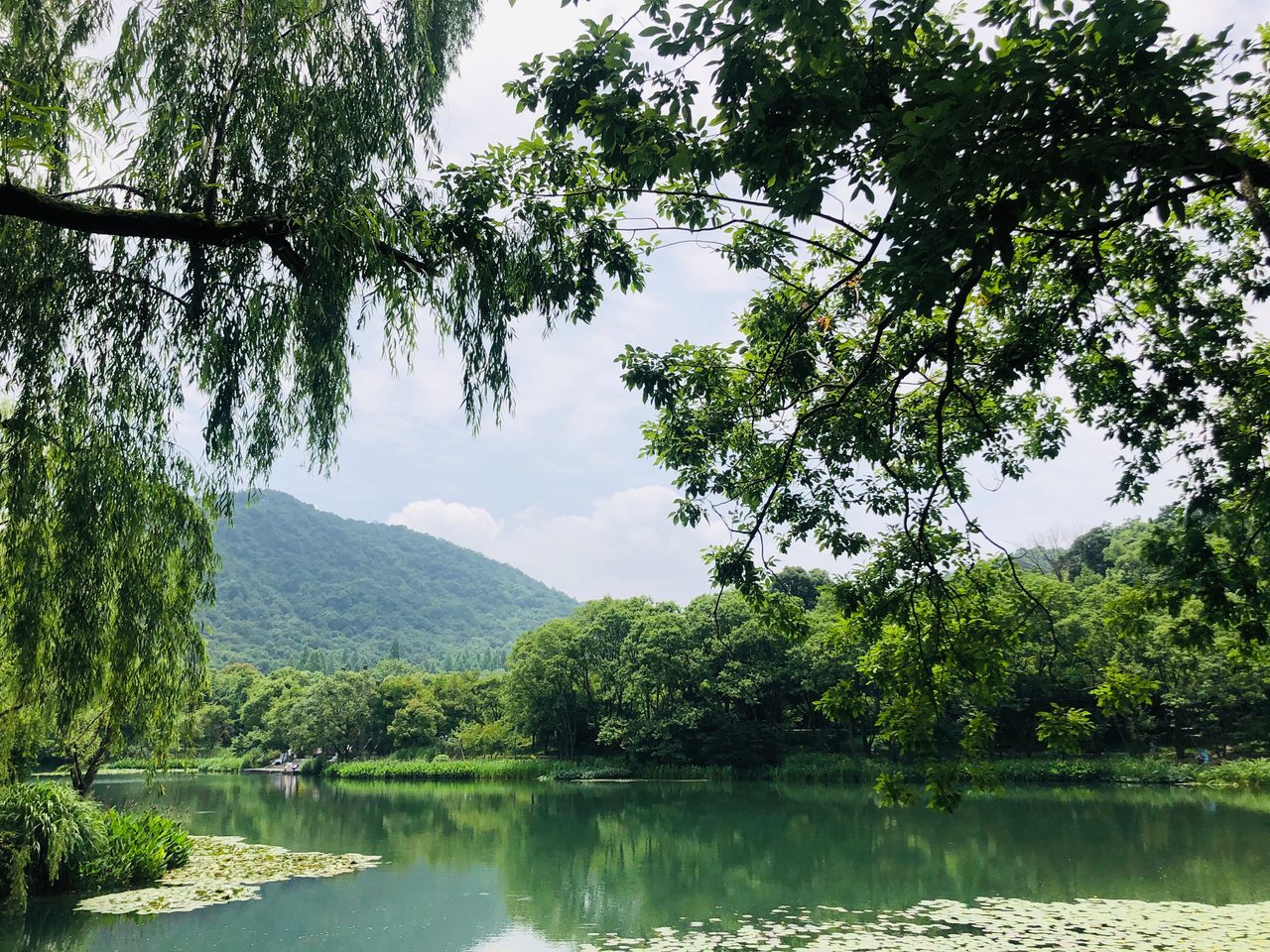
West Lake is the freshwater lake at the center of Hangzhou, ringed by causeways, temples and gardens that have been painted and written about since the Song dynasty. It's a UNESCO World Heritage cultural landscape rather than a single sight, so a visit usually means walking or cycling a stretch of the Bai or Su Causeway and stopping at a garden or pavilion along the way. Most of the lakefront, including the causeways, is open and free, so people come back at different times of day rather than trying to see it all at once.
Lingyin Temple
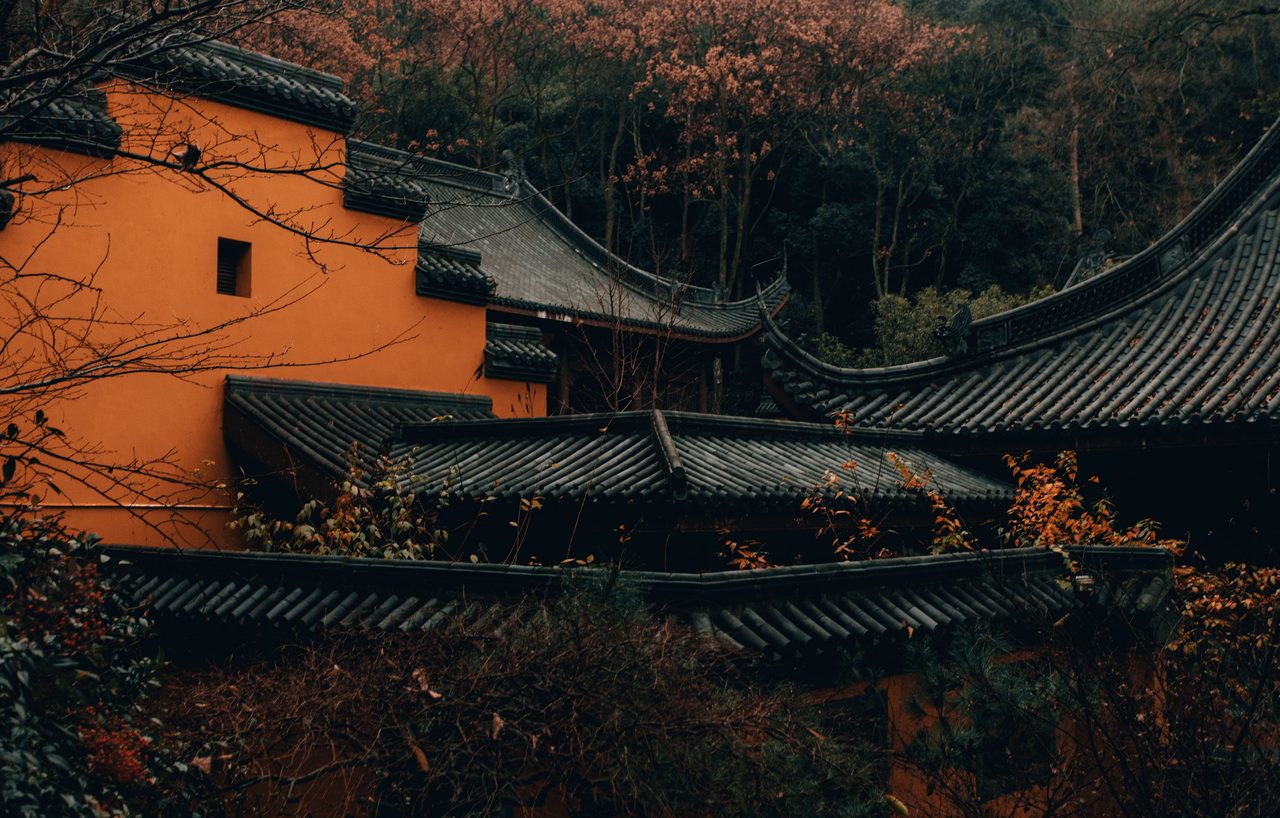
Lingyin Temple is one of China's oldest and wealthiest Chan Buddhist monasteries, founded in the 4th century in the wooded hills west of West Lake. The complex holds several halls of increasing scale culminating in a hall with a tall gilded Buddha statue, and it remains an active place of worship with monks and incense smoke rather than a museum piece. The combined ticket also covers Feilai Feng, the limestone outcrop opposite the temple carved with hundreds of Buddhist grottoes and reliefs dating from the 10th to 14th centuries.
Xixi National Wetland Park
Xixi is a large wetland of interlocking waterways, ponds and reed beds on the edge of Hangzhou, developed from what was historically a patchwork of fish farms and canal-side villages. It's the rare major attraction in the city built around slow movement through water rather than around a single monument, with wooden bridges, old farmhouses and boat channels replacing what most cities would have paved over. The scale is large enough that most visitors pick one zone rather than trying to cover the whole park on foot.
Wuzhen Water Town
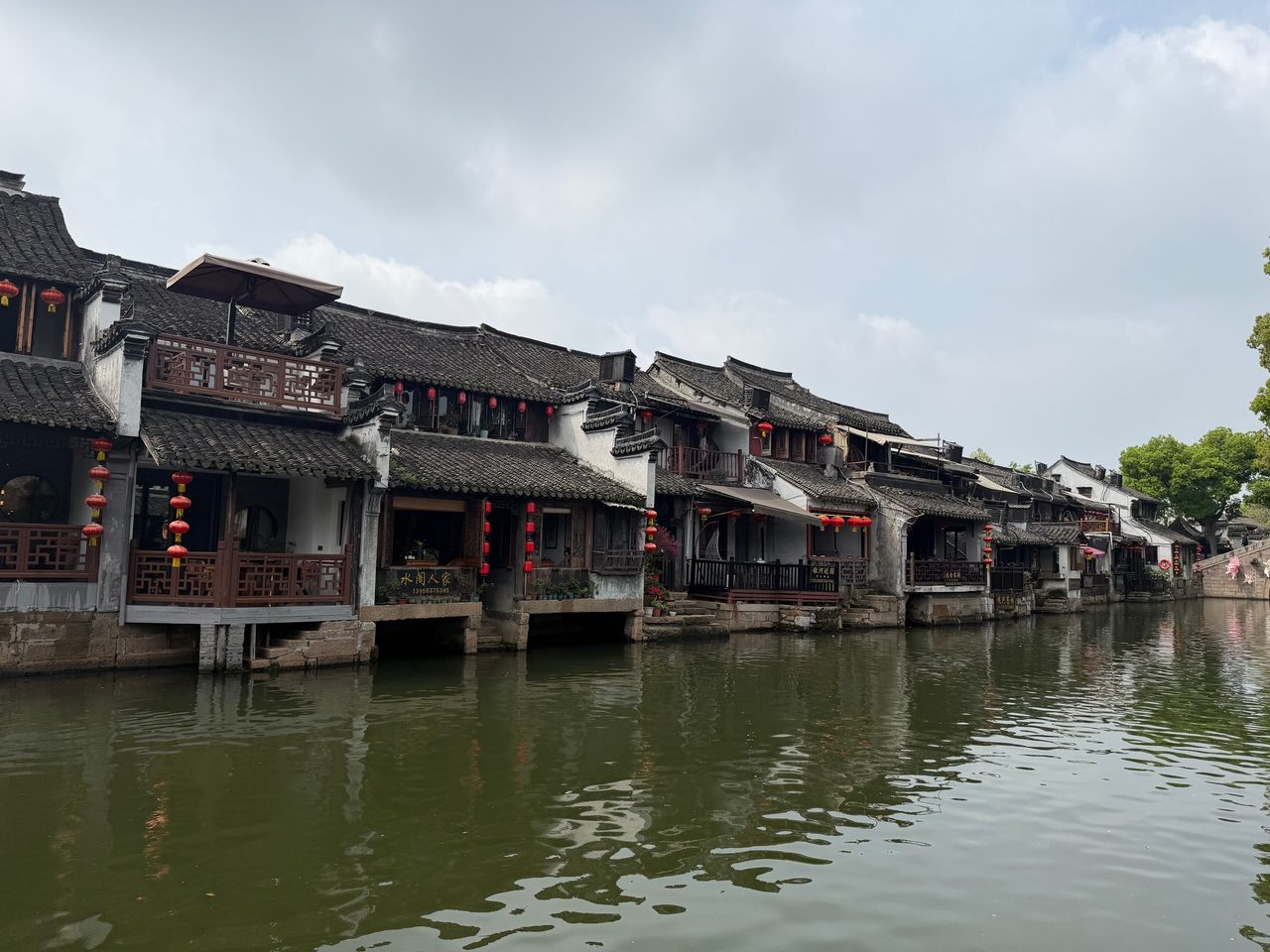
Wuzhen is a canal town in Jiaxing prefecture split into two restored districts, Dongzha and the larger Xizha, both built around timber houses, stone bridges and covered walkways along the water. Xizha in particular has been developed for overnight stays, with lodging inside the scenic area itself, and it hosts the Wuzhen Theatre Festival and the World Internet Conference, which shape when the town feels busiest. The restoration is thorough enough that it functions as much as a themed destination as a preserved historic town, which is worth knowing going in.
Xitang Ancient Water Town
Xitang is a canal town in Jiashan County known for its covered corridors, called langpeng, that run along the water and let visitors walk for long stretches sheltered from sun or rain. It's smaller and less commercially developed for overnight stays than Wuzhen, and its lanes and bridges have been used as filming locations, including scenes for Mission: Impossible III. Walking the streets and crossing the bridges is free; the through-ticket only opens specific historic residences and gardens.
Nanxun Ancient Town
Nanxun, in Huzhou, grew wealthy from silk trading in the late Qing and Republican periods, and its former merchant residences show a distinctive mix of Chinese courtyard architecture with Western-style rooms and furnishings brought back by trading families. It draws far fewer visitors than Wuzhen or Xitang, which makes the gardens and mansions easier to walk through without crowds. The combined ticket covers the main gardens and several of these former residences, which are the real reason to visit rather than the canal scenery alone.
Recommended itineraries
Pick a length, follow the route. Each itinerary balances headline sights with breathing room.
5-Day Zhejiang Explorer
Day 1Arrive in Zhejiang, explore city center
Day 2Visit top attractions and museums
Day 3Day trip to nearby highlights
Day 4Local markets and hidden gems
Day 5Final sightseeing, departure
7-Day Classic Zhejiang
Days 1-2Zhejiang city highlights
Days 3-4Regional exploration
Days 5-6Cultural immersion and local experiences
Day 7Return and departure
14-Day Ultimate Zhejiang
Days 1-3Zhejiang comprehensive city tour
Days 4-6Northern region exploration
Days 7-9Eastern highlights
Days 10-12Southern attractions
Days 13-14Return to Zhejiang, departure
Where to stay in Zhejiang
Three tiers, every traveller covered — from cost-conscious to flagship hotels.
Budget ¥350 (approx $52)
Hostels, budget hotels, and guesthouses offer affordable stays without sacrificing experience.
Mid-range ¥900 (approx $134)
Boutique hotels and well-located accommodations provide comfort and convenience at reasonable prices.
Luxury ¥2,700+ (approx $402+)
World-class resorts and premium hotels deliver unforgettable experiences.
Four Seasons Hotel Hangzhou at West Lake
West Lake north shore, Hangzhou · ¥2200-5500/night (~$328-820)
Cafés, neighbourhood gems, and tasting menus worth the table reservation.
Louwailou Restaurant (Gushan)
Hangzhou cuisine (Hangbang cai) · $$$
Louwailou is the best-known name in Hangzhou cuisine, occupying a multi-storey building on the Gushan (Solitary Hill) side of West Lake, near the Xiling Seal Society and the causeway approach. The dining rooms are formal and can feel touristic, with large round tables for groups and lake-facing windows on the upper floors. The kitchen sticks to classic Hangbang preparations rather than fusion or modern plating.
Waipo Jia (Grandma's Kitchen), Hubin
Hangzhou home-style cuisine · $$
Waipo Jia is a home-style chain that became popular across China for approachable Hangzhou and Jiangnan comfort food at fair prices, and this Hubin branch sits in the lakeside shopping and pedestrian strip near In77. The look is warm and rustic rather than fine dining, with wood tones and simple table settings aimed at families and shoppers. Portions are generous and the menu leans on braises and stir-fries rather than banquet-style presentation dishes.
Zhiweiguan Restaurant (Renhe Road)
Hangzhou snacks and noodles · $
Zhiweiguan is an old Hangzhou snack-house brand specializing in noodles and dumplings rather than banquet cuisine, with this branch on Renhe Road in the older commercial core near Yan'an Road. It's a fast, canteen-like operation with counter ordering common at some branches, aimed at quick meals rather than lingering. The food is unpretentious noodle-shop fare, not elevated presentation.
Xin Xin Restaurant (Beishan Street)
Hangzhou cuisine · $$$
Xin Xin sits on Beishan Street, the quieter, tree-lined lane along the north shore of West Lake that's popular for cycling and walking rather than the busier Hubin side. The setting trades on its location more than architectural flourish, with a dining room aimed at travelers doing a lake-circuit stop. Cooking follows standard Hangzhou repertoire.
Tianwaitian Restaurant (Nanshan Road)
Hangzhou cuisine, Dongpo pork specialist · $$
Tianwaitian is another long-running Hangzhou-cuisine name, with this location on Nanshan Road along the lake's southeastern shore near Leifeng Pagoda. It's positioned as a mid-range, sit-down option rather than the grander Louwailou-style dining hall, drawing both locals and visitors doing the southern lakeside route. The kitchen is particularly associated with pork preparations.
Kuiyuanguan Noodle Restaurant (Jiefang Road)
Hangzhou noodle house, established 1867 · $
Kuiyuanguan is a historic noodle house dating to the Qing dynasty (1867) on Jiefang Road in central Hangzhou, one of the city's oldest surviving noodle-shop names. It functions as a proper noodle restaurant rather than a street stall, with a menu built entirely around broth-and-noodle combinations rather than banquet dishes. The interior is functional and geared toward efficient service of a local lunch crowd.
Zhejiang is one of China's best-connected provinces, built around Hangzhou East Railway Station and a dense high-speed rail grid that reaches Shanghai in under an hour and Beijing or Guangzhou in a few hours. Hangzhou's expanding metro, DiDi ride-hailing, and local and intercity buses cover the cities and canal towns, while ferries link the mainland to the Zhoushan archipelago and its beaches. Self-drive rental is impractical for most international visitors; trains and ride-hailing cover almost every itinerary.
Budget breakdown
Daily spend by tier in CNY, broken out by category.
Category
Budget
Mid-range
Luxury
Accommodation
¥150 (approx $22)
¥450 (approx $67)
¥1,700 (approx $253)
Food (per day)
¥100 (approx $15)
¥250 (approx $37)
¥600 (approx $89)
Transportation
¥70 (approx $10)
¥120 (approx $18)
¥250 (approx $37)
Activities
¥30 (approx $4)
¥80 (approx $12)
¥150 (approx $22)
Daily total
¥350 (approx $52)
¥900 (approx $134)
¥2,700+ (approx $402+)
Best time to visit Zhejiang
Weather through the year in Zhejiang
Best timeShoulderWorth avoiding
Average daytime temperature in °C. Figures are for Zhejiang.
Essential travel tips
Set up Alipay or WeChat Pay with an international card before arrival, since most vendors no longer accept cash
Buy high-speed rail tickets in advance through the 12306 app or Trip.com during holiday periods
Visit West Lake at sunrise to avoid the biggest tour groups
Try Longjing (Dragon Well) tea tasting at a plantation near Hangzhou's Meijiawu village
Hidden gems
Off-the-beaten-path corners most travellers miss.
Meijiawu Tea Village
Cheaper, more authentic tea tastings than the touristed Longjing village entrance
Anchang Ancient Town
A working canal town near Shaoxing with a much lower entry fee than Wuzhen or Xitang
Zhuge Bagua Village
A Ming Dynasty village near Lanxi laid out in an eight-trigram pattern, still inhabited by descendants of strategist Zhuge Liang
Lanxi, Jinhua
Songyang Ancient Villages
A cluster of remote stone-and-timber mountain villages in Lishui prefecture with terraced fields and centuries-old ancestral halls
Songyang County, Lishui
Shipu Ancient Fishing Town
A working fishing harbor on the Ningbo coast with a walled Ming Dynasty old town and daily seafood auctions
Xiangshan County, Ningbo
Nanmen Village Rapeseed Terraces
Hillside rapeseed and rice terraces near the Zhejiang-Fujian border that draw far fewer visitors than the province's better-known scenic parks
Qingyuan County, Lishui
Baochu Pagoda Hill
A free hilltop climb gives one of the best full views of West Lake without any entrance fee
Baoshi Hill, north shore of West Lake
Safety information
INFO
Zhejiang is a very safe province with low rates of violent crime; the main risks for visitors are petty theft in crowded tourist areas and a handful of well-documented scams rather than physical danger
INFO
Near West Lake in Hangzhou, friendly English-speaking strangers sometimes invite tourists to a 'tea ceremony' at a private teahouse; the visit ends with a bill of several hundred to several thousand yuan. Politely decline unsolicited invitations and only visit licensed teahouses chosen independently
INFO
China's national security laws are broadly worded and enforcement can be arbitrary, particularly around photography of official buildings, military sites, or border areas; avoid photographing anything that looks government or security related
INFO
Carry a passport at all times, as police can request identification, and hotels are required to register foreign guests
INFO
Mobile payment (Alipay or WeChat Pay) dominates daily transactions; carrying some cash as backup is wise since a minority of small vendors no longer accept cards or foreign cash
INFO
Typhoon season affects Zhejiang's coastal areas, including Zhoushan and Putuoshan, from roughly July through September; check forecasts before island or coastal travel and expect possible ferry cancellations
INFO
Air quality in Hangzhou and other cities can be poor on still winter days; travelers with respiratory conditions should check daily air quality index readings
INFO
Internet access is restricted under China's firewall; many foreign sites, apps, and messaging services are blocked, so arrange a VPN before arrival if needed for communication or navigation apps
Frequently asked questions
Do I need a visa to visit Zhejiang?
It depends on nationality. Citizens of around 50 countries, including most of the EU, the UK, Australia, and New Zealand, can enter mainland China visa-free for up to 30 days under China's extended unilateral visa-free policy. Travelers from many other countries can use the 240-hour visa-free transit if entering through an eligible port and continuing to a third country or region. Everyone else needs to arrange a Chinese visa in advance, so check current requirements for your nationality before traveling.
What is the best way to get around Zhejiang?
High-speed rail is the easiest way to move between Zhejiang's cities, connecting Hangzhou, Ningbo, Wenzhou, Shaoxing, and Jiaxing in under two hours. Within Hangzhou, the metro covers the city center and airport, while ferries connect the mainland to the Zhoushan islands and Putuo Shan. Ride-hailing through the Didi app is widely available and affordable for shorter trips.
What food is Zhejiang famous for?
Zhejiang, and Hangzhou in particular, is known for delicate, slightly sweet cuisine built around fresh lake and river ingredients. Signature dishes include West Lake fish in vinegar sauce, Dongpo pork, longjing shrimp stir-fried with Dragon Well tea leaves, and beggar's chicken baked in clay. The province is also one of China's premier tea-growing regions, famous for Longjing green tea.
What are the top attractions in Zhejiang?
The top attractions in Zhejiang include West Lake in Hangzhou, the canal water towns of Wuzhen, Xitang, and Nanxun, the sacred Buddhist mountain of Putuo Shan, Qiandao Lake with its thousand islands, and the cool mountain retreat of Moganshan. Each offers a distinct experience, from imperial gardens and canal life to island temples and forested peaks.
Explore Zhejiang by city
The cities below have their own guides — hotels, attractions and where to eat, in depth.