Central America · 26 Places · Best December to April (dry season)
Costa Rica
Costa Rica is a Central American paradise known for its incredible biodiversity, pristine beaches, lush rainforests, and active volcanoes. This eco-tourism destination offers world-class wildlife viewing, adventure activities, and a laid-back 'pura vida' lifestyle that welcomes travelers from around the globe.
Costa Rica is a Central American paradise known for its incredible biodiversity, pristine beaches, lush rainforests, and active volcanoes. This eco-tourism destination offers world-class wildlife viewing, adventure activities, and a laid-back 'pura vida' lifestyle that welcomes travelers from around the globe.
The 26 destinations our editors recommend — from iconic landmarks to under-the-radar finds.
Arenal Volcano National Park
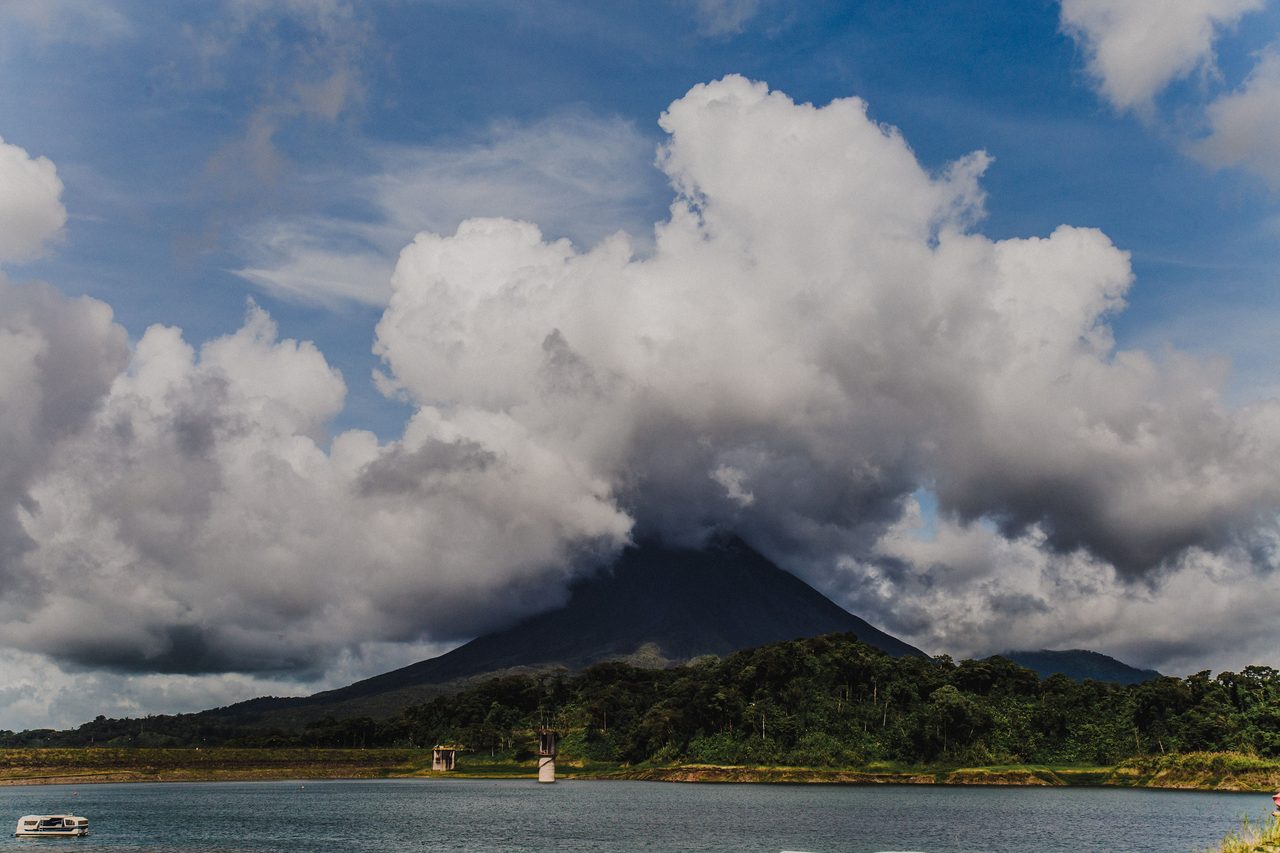
One of Costa Rica's most iconic landmarks, Arenal Volcano rises 1,657 meters above sea level. While currently in a resting phase, this near-perfect cone-shaped volcano offers spectacular hiking trails, hanging bridges, and stunning views across Lake Arenal. The park is home to diverse wildlife including howler monkeys, toucans, and agoutis.
Manuel Antonio National Park
Costa Rica's smallest but most popular national park combines pristine white-sand beaches with lush tropical rainforest. The park is renowned for incredible wildlife sightings including three-toed sloths, white-faced capuchin monkeys, iguanas, and over 350 bird species. Four beautiful beaches within the park offer excellent swimming and snorkeling.
Monteverde Cloud Forest Reserve
This mystical cloud forest reserve protects over 26,000 acres of pristine biodiversity. Perpetual mist creates an ethereal atmosphere as you walk among moss-covered trees, orchids, and ferns. Home to the resplendent quetzal, jaguars, and over 400 bird species, Monteverde offers some of the world's best nature experiences including canopy bridges and night tours.
Tortuguero National Park
Accessible only by boat or plane, Tortuguero is a remote paradise of canals, lagoons, and pristine beaches where sea turtles nest. Often called the 'Amazon of Costa Rica,' this park's waterways teem with caimans, river otters, manatees, and over 300 bird species. Between July and October, witness the incredible spectacle of green sea turtles nesting on the beaches.
Poás Volcano National Park
Home to one of the world's largest active crater lakes, Poás Volcano offers an otherworldly landscape of steaming fumaroles and turquoise acidic lagoons. The main crater is 1.3 km wide and periodically emits sulfurous gases. Well-maintained trails lead through cloud forest to viewpoints, though the volcano can close during periods of high activity.
Corcovado National Park
National Geographic called Corcovado 'the most biologically intense place on Earth.' This remote park on the Osa Peninsula protects 13 major ecosystems and is home to all four Costa Rican monkey species, jaguars, tapirs, and scarlet macaws. Pristine beaches, dense jungle, and incredible biodiversity make this a once-in-a-lifetime destination for serious nature lovers.
Recommended itineraries
Pick a length, follow the route. Each itinerary balances headline sights with breathing room.
5-Day Costa Rica Explorer
Day 1Arrive in Costa Rica, explore city center
Day 2Visit top attractions and museums
Day 3Day trip to nearby highlights
Day 4Local markets and hidden gems
Day 5Final sightseeing, departure
7-Day Classic Costa Rica
Days 1-2Costa Rica city highlights
Days 3-4Regional exploration
Days 5-6Cultural immersion and local experiences
Day 7Return and departure
14-Day Ultimate Costa Rica
Days 1-3Costa Rica comprehensive city tour
Days 4-6Northern region exploration
Days 7-9Eastern highlights
Days 10-12Southern attractions
Days 13-14Return to Costa Rica, departure
Where to stay in Costa Rica
Three tiers, every traveller covered — from cost-conscious to flagship hotels.
Budget $35-50
Hostels, budget hotels, and guesthouses offer affordable stays without sacrificing experience.
Mid-range $100-150
Boutique hotels and well-located accommodations provide comfort and convenience at reasonable prices.
Luxury $300-600+
World-class resorts and premium hotels deliver unforgettable experiences.
Nayara Springs
Alajuela Province · $650-900
This adults-only oasis near Arenal Volcano features private plunge pools fed by natural hot springs in each villa. Surrounded by lush rainforest with volcano views, the resort offers world-class spa treatments, gourmet dining, and exceptional service. Named one of the world's best hotels by Condé Nast Traveler.
This boutique hotel in San José occupies a beautifully restored Victorian mansion. The rooftop restaurant is renowned for gourmet dining, while elegant rooms feature antique furnishings and modern amenities. A peaceful courtyard garden provides an oasis in the city center.
This trendy hostel-hotel hybrid offers everything from dorm beds to private rooms near Arenal Volcano. Social spaces include a pool, coworking area, bar, and restaurant. The property organizes tours and provides a great base for budget travelers wanting to explore La Fortuna.
Four Seasons Resort Costa Rica at Peninsula Papagayo
Guanacaste Province · $550-850
Perched on a cliff overlooking the Pacific, this luxury resort combines tropical elegance with Five-Star service. Features include championship golf, multiple pools, a world-class spa, and access to pristine beaches. Families enjoy the kids' club while couples relax in sophisticated surroundings.
Cafés, neighbourhood gems, and tasting menus worth the table reservation.
Grano de Oro Restaurant
Contemporary International · $$$
Housed in a restored Victorian mansion, this award-winning rooftop restaurant serves innovative cuisine blending Costa Rican ingredients with international techniques. The romantic setting and impeccable service make it San José's premier fine dining destination.
Soda Tapia
Traditional Costa Rican · $$
This beloved San José institution has served authentic Tico food since 1950. Generous portions of casado, gallo pinto, and traditional stews attract locals and tourists alike. The no-frills atmosphere and friendly service embody Costa Rican hospitality.
Taco Bar
Mexican-Fusion · $
This lively taco joint in Tamarindo serves creative tacos, burritos, and Mexican-inspired dishes with fresh ingredients. The casual atmosphere, reasonable prices, and late-night hours make it a favorite among surfers and backpackers.
Mercado Central
Costa Rican Street Food · $
San José's central market offers dozens of sodas serving authentic Costa Rican breakfasts and lunches. Navigate the maze of stalls to find casado, gallo pinto, and fresh fruit juices at rock-bottom prices favored by locals.
Café de los Deseos
Café-International · $$
This bohemian café in San José's Barrio Amón offers artisanal coffee, creative breakfasts, and light meals in a charming courtyard garden. The artistic atmosphere and quality coffee make it a favorite among locals and expats.
Silvestre
Farm-to-Table Costa Rican · $$$
This acclaimed restaurant showcases modern Costa Rican cuisine using locally-sourced, organic ingredients. Chef Santiago Fernández creates innovative dishes that honor traditional flavors while presenting them with contemporary flair in an elegant setting.
Average daytime temperature in °C. Figures are for Costa Rica.
Essential travel tips
Research visa requirements before your trip
Learn a few basic phrases in the local language
Carry cash as cards may not be accepted everywhere
Respect local customs and dress codes
Purchase travel insurance before departure
Hidden gems
Off-the-beaten-path corners most travellers miss.
Nauyaca Waterfalls
These spectacular twin-tiered falls cascade 45 and 20 meters into pristine swimming holes. Far less crowded than famous waterfalls, the journey via horseback or hiking through pastoral countryside is half the magic.
Playa Ventanas (Sea Caves Beach)
Natural sea caves you can walk through at low tide, with tidal pools and unique rock formations. Uncrowded beach near Uvita with stunning sunsets and occasional whale sightings offshore.
Río Celeste & Tenorio Volcano
Electric blue river created by volcanic minerals mixing creates an otherworldly landscape. The waterfall is spectacular, and the park remains less visited than other national parks despite its beauty.
Bajos del Toro
Cloud forest canyon with spectacular waterfalls including the powerful Catarata del Toro (90 meters into a volcanic crater). Remote location means few tourists despite stunning scenery.
Gandoca-Manzanillo Wildlife Refuge
Pristine Caribbean beaches, coral reefs, and jungle trails at Costa Rica's southeastern corner. Remote location keeps crowds away despite excellent snorkeling, dolphin watching, and turtle nesting.
Cerro Chirripo Summit Trail Viewpoint
Permits sell out months in advance via SINAC website. 360-degree view from 3821m includes both Pacific and Caribbean coasts on clear days.
San Gerardo de Rivas, Chirripo National Park
Mirador El Silencio de los Angeles
Private cloud forest reserve with views over the Gulf of Nicoya. Combine with wildlife trails for howler monkeys and quetzals.
San Ramon, Alajuela Province
Mirador Valle del General
Roadside viewpoint on Route 2 heading south reveals the entire General Valley with Chirripo dominating the skyline — unknown to most tourists.
Perez Zeledon, San Jose Province
Poas Volcano Crater Rim
First entry slot gives best chance of cloud-free crater view — clouds typically roll in by 10 AM. Book tickets online in advance as they are mandatory.
Parque Nacional Volcan Poas, Alajuela
Arenal Volcano from Lake Arenal West Shore
Drive to the western shore of Lake Arenal near Nuevo Arenal for perfect volcano reflections at sunrise. Far less crowded than the La Fortuna side.
Nuevo Arenal, Alajuela Province
Mal Pais and Santa Teresa Beach
Northwest-facing orientation creates some of Costa Rica most dramatic Pacific sunsets. Sunset yoga sessions on the beach are a local institution.
Nicoya Peninsula, Puntarenas Province
Playa Espadilla, Manuel Antonio
The park closes at 4 PM but Espadilla Beach outside the entrance stays open. White-faced monkeys play in the trees as the sun sets over the Pacific.
Manuel Antonio, Puntarenas Province
Safety information
INFO
Avoid displaying expensive jewelry or electronics in public
INFO
Use hotel safes for passports and valuables
INFO
Be cautious when withdrawing money from ATMs, especially at night
INFO
Book accommodations through verified platforms and check reviews
INFO
Avoid isolated beaches and trails after dark
INFO
Keep car doors locked and windows up in urban areas
INFO
Register with your country embassy upon arrival — Costa Rica Ministry of Foreign Affairs website lists all embassies in San Jose.
INFO
Use only licensed yellow taxis or Uber and InDriver apps — unlicensed pirate taxis frequently overcharge tourists.
INFO
Be cautious on beaches after dark especially in Jaco and Limon where petty theft and assaults are more common.
INFO
Carry photocopies of your passport rather than the original when exploring — police accept copies for ID checks.
INFO
Costa Rica has strict drug laws despite its relaxed reputation — even small possession amounts can result in arrest.
INFO
Rent a 4WD vehicle for remote areas like the Osa Peninsula or Monteverde in rainy season — roads can flood.
INFO
Never feed monkeys as they become aggressive, maintain distance from crocodiles, and wear sandals on beaches to avoid stingray stings.
INFO
Riptides are common on Pacific beaches — swim only at beaches with lifeguards and heed warning flags.
Frequently asked questions
Is Costa Rica safe to visit in 2026?
Costa Rica is one of Central America's safest countries for tourists. Most visits are trouble-free, though petty theft, pickpocketing, and opportunistic crime require standard urban precautions, especially in San José. Emergency services: police at 911 (also for all emergencies), medical at 911 or 128 (Red Cross).
What is the best time to visit Costa Rica?
The best time to visit Costa Rica is December to April (dry season). Costa Rica has two main seasons: the dry season (verano, December-April) and the rainy season (invierno, May-November). The country's varied topography creates microclimates ranging from hot, dry Guan
Do I need a visa to visit Costa Rica?
No visa required for stays up to 180 days. Valid passport (minimum 1 day validity), return ticket, and proof of $100/month economic means required. Requirements vary by nationality, so check with your nearest embassy or the official immigration website before traveling.
What currency is used in Costa Rica?
The currency in Costa Rica is the Costa Rican Colón (CRC) (CRC). ATMs are widely available in cities and tourist areas. Credit cards are accepted at most hotels and restaurants, but carry cash for markets and smaller establishments.
What language is spoken in Costa Rica?
The main language(s) spoken in Costa Rica: Spanish, English (widely spoken in tourist areas). In tourist areas, English is generally understood. Learning a few basic phrases in the local language is appreciated by locals.
What are the top attractions in Costa Rica?
The top attractions in Costa Rica include Arenal Volcano National Park, Manuel Antonio National Park, Monteverde Cloud Forest Reserve, Tortuguero National Park, and Poás Volcano National Park. Each offers a unique experience, from historic landmarks to natural wonders.
Explore Costa Rica by region
Each region has its own character — coastal, alpine, vineyard, capital. Pick a starting point.