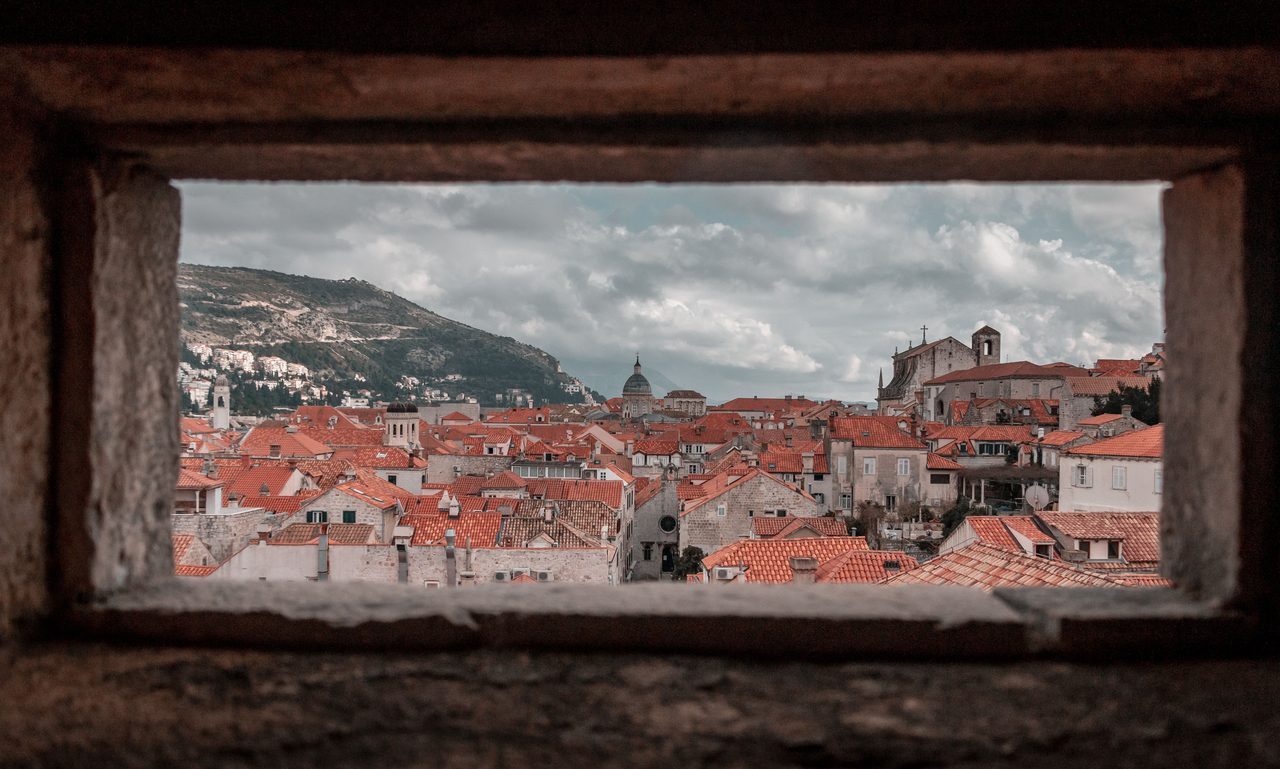
Dubrovnik Neretva · 25 Places · Best May, June, September, October
Dubrovnik Neretva
Dubrovnik-Neretva County is Croatia's southernmost county, renowned for the UNESCO-listed walled city of Dubrovnik, the Pelješac Peninsula with its world-class wines and oysters, and the lush Neretva River delta. The region encompasses stunning Adriatic coastline, idyllic islands including Korčula, Mljet, and the Elafiti archipelago, and historic towns that blend Venetian and Ragusan architectural heritage.
Dubrovnik-Neretva County sits at the southern tip of Croatia, stretching along the Adriatic coast from the Neretva River delta to the Bay of Kotor border. The county's crown jewel, Dubrovnik, is one of the world's best-preserved medieval walled cities and a UNESCO World Heritage Site. Beyond Dubrovnik, the region offers island-hopping adventures to Korčula, Hvar, and Mljet, wine tasting on Pelješac, and exploring the unique wetlands of the Neretva delta.
Capital
Dubrovnik
Largest city
Dubrovnik
Population
122,568
Languages
Croatian, English (widely spoken in tourist areas)
The 25 destinations our editors recommend — from iconic landmarks to under-the-radar finds.
Dubrovnik City Walls
The iconic 2km medieval fortification encircling Dubrovnik's Old Town is the must-do attraction. Walk the complete circuit atop walls up to 6 meters thick and 25 meters high, with sweeping views over terracotta rooftops and the sparkling Adriatic Sea. Built between the 8th and 16th centuries, the walls remain remarkably intact.
Dubrovnik Old Town (Stari Grad)
Dubrovnik's UNESCO World Heritage Site Old Town is one of the best-preserved medieval cities in the world. Enclosed by the famous walls, the marble-paved Stradun promenade runs through the heart of the city flanked by Baroque churches, palaces, and Renaissance fountains. The car-free limestone streets invite exploration at every turn.
Lokrum Island
Just a 10-minute ferry ride from Dubrovnik's Old Port, Lokrum is a forested island nature reserve with a Benedictine monastery, botanical garden, sea-swimming spots, and free-roaming peacocks. The island's rocky coves and a small saltwater lake make it perfect for swimming away from the city beach crowds.
Mljet National Park
Mljet is Croatia's greenest island and its national park features two magical saltwater lakes — Malo Jezero (Small Lake) and Veliko Jezero (Great Lake) — connected to the sea. At the center of Great Lake sits a small islet with a 12th-century Benedictine monastery. Rent a bike, kayak, or just swim and walk in this pristine Mediterranean landscape.
Korčula Town
Often called 'Little Dubrovnik,' Korčula Town is a beautifully preserved medieval walled town on the island of Korčula. It is the reputed birthplace of Marco Polo, and its narrow herringbone-pattern streets, Gothic-Renaissance cathedral, and vibrant meštar sword dance performances make it one of the Adriatic's most enchanting towns.
Mt. Srđ & Napoleon's Fortress
Rising 412 meters directly above Dubrovnik, Mt. Srđ offers the most spectacular panoramic views over the Old Town, Elafiti Islands, and the Adriatic stretching to Italy on clear days. Napoleon's Fortress at the summit houses a museum about the Dubrovnik War (1991-92) and a popular sky bar and restaurant.
Recommended itineraries
Pick a length, follow the route. Each itinerary balances headline sights with breathing room.
5-Day Dubrovnik Neretva Explorer
Day 1Arrive in Dubrovnik Neretva, explore city center
Day 2Visit top attractions and museums
Day 3Day trip to nearby highlights
Day 4Local markets and hidden gems
Day 5Final sightseeing, departure
7-Day Classic Dubrovnik Neretva
Days 1-2Dubrovnik Neretva city highlights
Days 3-4Regional exploration
Days 5-6Cultural immersion and local experiences
Day 7Return and departure
14-Day Ultimate Dubrovnik Neretva
Days 1-3Dubrovnik Neretva comprehensive city tour
Days 4-6Northern region exploration
Days 7-9Eastern highlights
Days 10-12Southern attractions
Days 13-14Return to Dubrovnik Neretva, departure
Where to stay in Dubrovnik Neretva
Three tiers, every traveller covered — from cost-conscious to flagship hotels.
Budget €50
Hostels, budget hotels, and guesthouses offer affordable stays without sacrificing experience.
Mid-range €130
Boutique hotels and well-located accommodations provide comfort and convenience at reasonable prices.
Luxury €380
World-class resorts and premium hotels deliver unforgettable experiences.
Hotel Excelsior Dubrovnik
Ploče · $$$$
Dubrovnik's most storied grand hotel, opened in 1913, enjoys a dramatic clifftop position 500m east of Old Town with views of the city walls and Lokrum Island. The hotel features a private beach, outdoor pool, spa, and fine-dining restaurants, and has hosted royalty and celebrities for over a century.
A supremely elegant boutique property dramatically set on a cliff with a private funicular to its pebble beach and 180-degree views of the Adriatic and Lokrum Island. Each of the 56 suites has a sea-view terrace, and the terrace restaurant is one of Dubrovnik's finest dining experiences.
Perched above its own private cove beach just west of the Old Town, Hotel Bellevue offers spectacular sea views from every room and one of Dubrovnik's most stunning infinity pools. The hotel's Vapor restaurant and cliff-side bar create an unforgettable setting for sundowners.
Located directly outside the Pile Gate entrance to Old Town in a beautifully restored 19th-century building, the Hilton Imperial is ideal for those wanting to walk out of their hotel directly into medieval history. The hotel's restaurant, outdoor pool, and spa maintain high standards.
Cafés, neighbourhood gems, and tasting menus worth the table reservation.
Restaurant 360°
Contemporary Dalmatian · $$$$
Arguably Dubrovnik's most spectacular dining experience, set on top of the ancient city walls with panoramic views of the Old Port and Adriatic. The innovative menu highlights local ingredients — Pelješac oysters, Adriatic fish, truffle and black risotto — in elegant contemporary presentations with an extensive Croatian wine list.
Restaurant Nautika
Dalmatian Seafood · $$$$
Located at the base of the city walls next to Pile Gate with sweeping sea views from its terrace, Nautika has been one of Dubrovnik's finest restaurants for decades. Fresh Adriatic lobster, Dalmatian fish specialties, and impeccable service make it a special occasion destination.
Restaurant Proto
Dalmatian · $$$
One of Dubrovnik's oldest and most respected restaurants, established in 1886, with a beautiful Old Town terrace shaded by an ancient palm tree. Proto specializes in Ragusan cuisine traditions — pasticada (beef braised in wine), black risotto, and fresh fish — with an excellent Croatian wine cellar.
Bota Šare Oyster & Sushi Bar
Seafood / Japanese Fusion · $$$
A unique Dubrovnik gem that pairs the world-famous Pelješac oysters from nearby Mali Ston with Japanese-inspired sushi preparation. The raw bar is exceptional, and the combination of Croatian terroir with Japanese technique makes this a truly original dining experience in the heart of Old Town.
Konoba Dalmatino
Traditional Dalmatian · $$
A beloved authentic konoba tucked in a narrow alley behind Stradun, serving honest Dalmatian home cooking at prices far more reasonable than the main tourist restaurants. The riblja plata (mixed fish platter), grilled meats under peka (a bell-shaped lid), and house wine are consistently excellent.
Konoba Ribar
Seafood · $$
A simple, family-run fish restaurant at the edge of Old Town near the Old Port, where the freshest catch of the day is grilled simply and honestly. A refreshing contrast to the tourist-oriented Old Town restaurants with excellent value and genuine Dalmatian hospitality.
Dubrovnik-Neretva County is served by Dubrovnik Airport (DBV), one of Croatia's busiest international airports. Within the county, travel relies on a combination of Libertas city buses in Dubrovnik, Jadrolinija ferries to the islands, coaches along the Pelješac Peninsula, and car rental for rural areas. Dubrovnik Old Town is car-free; all driving stops at the Pile or Ploče gates.
City Bus (Libertas)
Dubrovnik's local bus network covers Old Town, Lapad, Gruž, and Ploče; key route 6 runs from Pile to Lapad every 15 minutes
Cost: €2 on board, €1.73 with advance ticket
Jadrolinija Ferry
State ferry company serving Gruž Port with regular services to Elafiti Islands, Mljet, Korčula, and Hvar; car ferries and passenger-only catamarans available
Cost: €5-20 per person depending on destination
Speedboat / Catamaran
Private and semi-private fast boats to islands, faster than Jadrolinija ferries but significantly more expensive
Cost: €20-60 per person
Taxi
Licensed taxis at stands near Pile Gate, Gruž Port, and Lapad; also available via app (Radio Taxi Dubrovnik)
Cost: €1.47 base + €0.93/km
Uber
Available in Dubrovnik; generally cheaper and more convenient than street taxis
Cost: Comparable to taxi with upfront pricing
Car Rental
Essential for exploring Pelješac, Konavle, and inland areas; all major agencies at Dubrovnik Airport
Cost: €35-80/day depending on season and car type
Intercity Coach
Flixbus and Autotrans coaches connect Dubrovnik to Split (4h), Zagreb (10h), and international destinations
Cost: €15-45 to Split
Budget breakdown
Daily spend by tier in EUR, broken out by category.
Category
Budget
Mid-range
Luxury
Accommodation
€18
€70
€220
Food (per day)
€14
€35
€95
Transportation
€8
€12
€35
Activities
€10
€13
€30
Daily total
€50
€130
€380
Best time to visit Dubrovnik Neretva
Weather through the year in Dubrovnik Neretva
Best timeShoulderWorth avoiding
Average daytime temperature in °C. Figures are for Dubrovnik Neretva.
Essential travel tips
Visit City Walls at opening time (8AM) to beat the cruise ship crowds
Buy a Dubrovnik Card for access to multiple attractions
Stay in Lapad Bay for a quieter, more affordable base
Book restaurants in the Old Town well in advance in summer
Hidden gems
Off-the-beaten-path corners most travellers miss.
Buža Bar cliff for sea views
Fort Lovrijenac exterior walkway
Gornji Kono hill above Lapad
Spaghetteria Toni (best value pasta)
Buža Bar (hidden hole-in-the-wall entrance)
Šunj Beach on Lopud (most visitors don't know Dubrovnik has a sandy beach)
Skip Banje Beach Club (expensive)
Do free section of Banje Beach or Sveti Jakov instead
Skip tourist traps on Stradun
Do the side alleys off Stradun for local shops
Mt. Srđ summit (cable car opens 8AM; hike earlier)
Banje Beach (face city walls from water)
Buža Bar cliff (faces open Adriatic west)
Tramonto Bar (Pile Bay)
Cavtat promenade (faces open sea)
Safety information
INFO
Dubrovnik-Neretva is extremely safe — Croatia consistently ranks among Europe's lowest crime rate countries; violent crime targeting tourists is virtually unheard of
INFO
Pickpocketing can occur in the crowded Old Town, especially during summer cruise ship days when 10,000+ day visitors descend; keep bags zipped and valuables in front pockets
INFO
Wear proper footwear on the City Walls — marble steps become slippery when wet and sandals/flip-flops can lead to falls
INFO
Stay well hydrated in summer: July-August temperatures regularly exceed 35°C and the reflected heat from Old Town's limestone and marble is intense
INFO
The Adriatic current along the coast can be surprisingly strong — check sea conditions before open-water swimming between islands
INFO
Use only licensed taxis (marked with official taxi signs) or ride apps like Uber to avoid overcharging; some unlicensed drivers operate near the airport
INFO
Book ferry tickets in advance for island trips in July-August; being stranded on an island at night is uncomfortable and not a safety risk, but inconvenient
INFO
The zig-zag hiking trail to Mt. Srđ is unshaded and exposed — start early morning and carry at least 1.5L of water in summer
INFO
Emergency number in Croatia: 112 (EU standard) works for all emergencies including police (192), ambulance (194), and fire (193)
INFO
Be cautious when swimming at unmarked beaches — look for the blue flag designation indicating safe, clean water and lifeguard presence
INFO
Keep a photocopy of your passport separate from the original; Croatia requires ID on your person at all times
INFO
Croatian roads are well-maintained but Pelješac mountain roads can be narrow and winding; drive carefully in unfamiliar areas especially at night
INFO
Jellyfish (particularly the mauve stinger) can appear in Adriatic waters in late summer — vinegar neutralizes stings; first aid kits are available at most beach facilities
INFO
Sea urchins (ježi) are common on rocky coasts; wear water shoes when entering the sea from rocky shores
INFO
Drinking water from taps is safe throughout Dubrovnik-Neretva County; tap water quality is among Europe's best
Frequently asked questions
Is Dubrovnik Neretva safe to visit in 2026?
Dubrovnik-Neretva County is one of the safest travel destinations in Europe, with very low crime rates and excellent infrastructure. The main risks for visitors are heat-related illness in summer, minor pickpocketing in crowded Old Town, and water hazards at unmonitored beaches. Emergency services: police at 192 (or 112 general emergency), medical at 194 (ambulance) or 112.
What is the best time to visit Dubrovnik Neretva?
The best time to visit Dubrovnik Neretva is May, June, September, October. Dubrovnik-Neretva County has a classic Mediterranean climate with hot, dry summers and mild, wet winters. Dubrovnik enjoys 2,700 hours of sunshine per year — one of the sunniest cities in Europe. Summ
Do I need a visa to visit Dubrovnik Neretva?
Croatia is a Schengen Area member. EU/EEA citizens need only a valid ID. Most non-EU visitors can stay up to 90 days without a visa under Schengen rules. Check your country's specific requirements before travel. Requirements vary by nationality, so check with your nearest embassy or the official immigration website before traveling.
What currency is used in Dubrovnik Neretva?
The currency in Dubrovnik Neretva is the Euro (EUR). ATMs are widely available in cities and tourist areas. Credit cards are accepted at most hotels and restaurants, but carry cash for markets and smaller establishments.
What language is spoken in Dubrovnik Neretva?
The main language(s) spoken in Dubrovnik Neretva: Croatian, English (widely spoken in tourist areas). In tourist areas, English is generally understood. Learning a few basic phrases in the local language is appreciated by locals.
What are the top attractions in Dubrovnik Neretva?
The top attractions in Dubrovnik Neretva include Dubrovnik City Walls, Dubrovnik Old Town (Stari Grad), Lokrum Island, Mljet National Park, and Korčula Town. Each offers a unique experience, from historic landmarks to natural wonders.