Istria · 30 Places · Best May-June, September-October
Istria
Istria is Croatia's largest peninsula, jutting into the northern Adriatic Sea and bordering Slovenia and Italy. Known as the 'Croatian Tuscany,' it blends Roman heritage, Venetian architecture, medieval hilltop villages, and a world-class culinary scene centered on truffles, olive oil, and indigenous wines.
Istria is a triangular peninsula in the northern Adriatic that has been shaped by Roman, Byzantine, Venetian, Austro-Hungarian and Yugoslav influences. The coastline is dotted with charming towns like Rovinj, Poreč and Pula, while the interior hides medieval hilltop villages surrounded by truffle forests, vineyards and olive groves. Its mild Mediterranean climate, outstanding gastronomy, pristine beaches and rich historical heritage make it one of Europe's most rewarding travel destinations.
The 30 destinations our editors recommend — from iconic landmarks to under-the-radar finds.
Pula Amphitheatre (Arena)
One of the six largest and best-preserved Roman amphitheatres in the world, dating to the 1st century AD. Built entirely of local limestone, it could hold up to 23,000 spectators and today hosts concerts, festivals and the Pula Film Festival.
Rovinj Old Town
A stunning Baroque-influenced old town built on a peninsula jutting into the Adriatic. Colorful fishermen's houses, narrow cobblestone lanes, a lively harbor and the hilltop Church of St. Euphemia make Rovinj one of the most photographed places in Croatia.
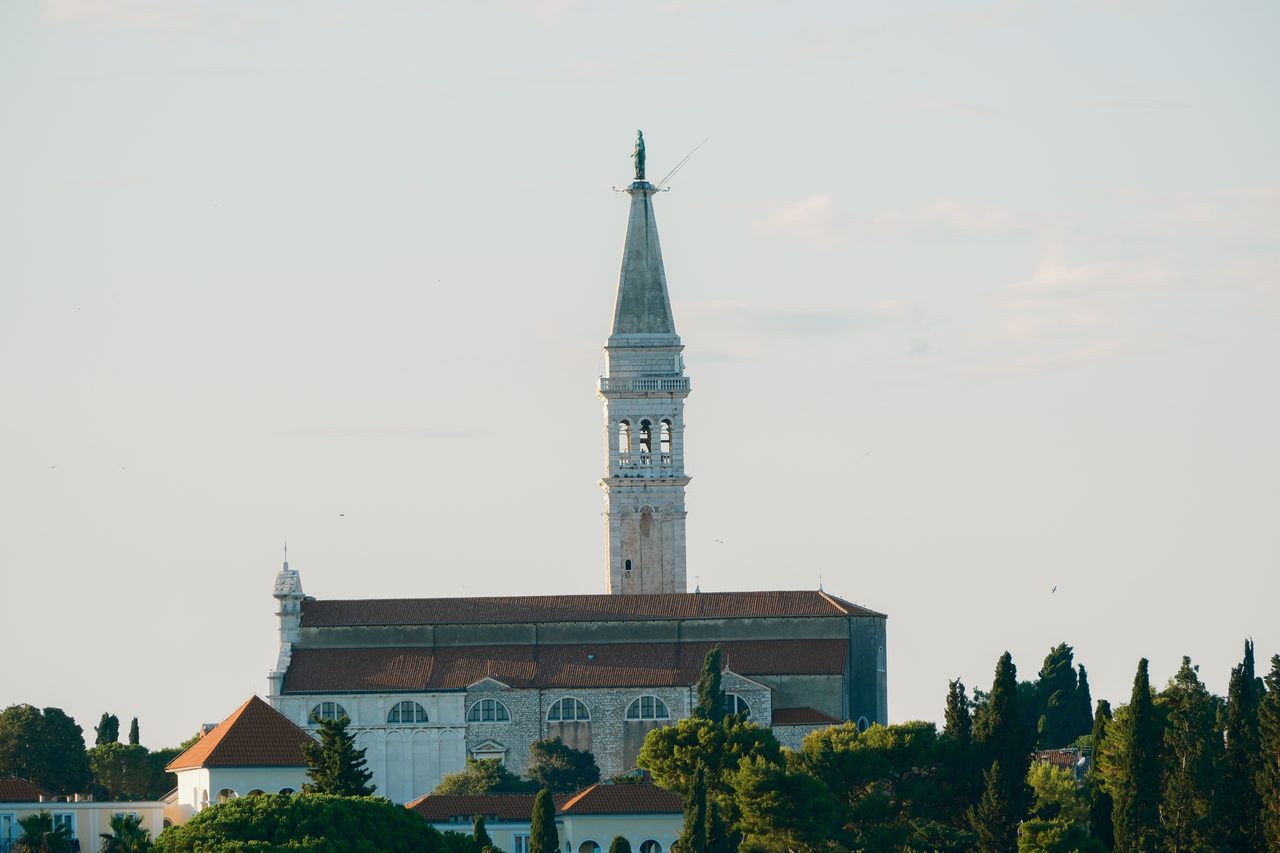
Church of St. Euphemia Bell Tower, Rovinj
The 60-metre campanile of the Church of St. Euphemia dominates the Rovinj skyline. Visitors can climb to the top for breathtaking panoramic views over the terracotta rooftops, Adriatic Sea and surrounding islands.
Euphrasian Basilica, Poreč
A masterpiece of Byzantine art dating to 553 CE, the Euphrasian Basilica complex in Poreč is a UNESCO World Heritage Site renowned for its stunning gold-leaf mosaics, which rival those of Ravenna in Italy. The complex includes an atrium, baptistery, episcopal palace and octagonal bell tower.
Motovun Hilltop Village
A perfectly preserved medieval walled town perched 270 metres above the Mirna River valley, surrounded by truffle-rich oak forests. Stroll the medieval ramparts for panoramic views, sip local Malvazija wine and attend the famous Motovun Film Festival held each July.
Brijuni National Park
An archipelago of 14 islands off the western Istrian coast, Brijuni is famous for dinosaur footprints, Roman ruins, Tito's former presidential retreat, a safari park with exotic animals, and beautiful beaches. Access is by official ferry from Fažana only.
Recommended itineraries
Pick a length, follow the route. Each itinerary balances headline sights with breathing room.
5-Day Istria Explorer
Day 1Arrive in Istria, explore city center
Day 2Visit top attractions and museums
Day 3Day trip to nearby highlights
Day 4Local markets and hidden gems
Day 5Final sightseeing, departure
7-Day Classic Istria
Days 1-2Istria city highlights
Days 3-4Regional exploration
Days 5-6Cultural immersion and local experiences
Day 7Return and departure
14-Day Ultimate Istria
Days 1-3Istria comprehensive city tour
Days 4-6Northern region exploration
Days 7-9Eastern highlights
Days 10-12Southern attractions
Days 13-14Return to Istria, departure
Where to stay in Istria
Three tiers, every traveller covered — from cost-conscious to flagship hotels.
Budget €60
Hostels, budget hotels, and guesthouses offer affordable stays without sacrificing experience.
Mid-range €130
Boutique hotels and well-located accommodations provide comfort and convenience at reasonable prices.
Luxury €350
World-class resorts and premium hotels deliver unforgettable experiences.
Hotel Monte Mulini
Rovinj · $$$
Istria's premier 5-star boutique hotel set among pine forests above the rocky Adriatic, with floor-to-ceiling glass rooms, a gourmet restaurant, infinity pool and world-class spa. Steps from Zlatni Rt forest park.
Croatia's first and only design hotel, winner of numerous architectural awards. Its sweeping curved facade overlooks Lone Bay, with a rooftop bar, underground spa, outdoor pools and state-of-the-art contemporary interior.
Opened in 2019, this stunning 5-star waterfront hotel blends Venetian architecture with contemporary luxury. Its floating sea-platform pool, Michelin-recommended restaurant Alla Beccaccia and rooftop bar make it a top address in Rovinj.
A large 4-star resort on a wooded peninsula north of Rovinj with direct sea access, multiple restaurants, indoor and outdoor pools, and a full entertainment program. Excellent for families.
Cafés, neighbourhood gems, and tasting menus worth the table reservation.
Monte Restaurant
Modern Istrian / Mediterranean · $$$$
Rovinj's most celebrated restaurant, holding a Michelin star and consistently ranked among Croatia's best. Chef Danijel Đekić crafts innovative tasting menus around seasonal Istrian ingredients—truffles, Adriatic fish, wild herbs—with impeccable wine pairings from an extraordinary cellar.
Konoba Batelina
Seafood / Istrian · $$
A legendary family-run fish restaurant in the fishing village of Banjole, run by the Kompare family for three generations. No menu—guests eat whatever was caught that morning. Wild scorpionfish, spider crab and sea urchin pasta are legendary. Bib Gourmand award from Michelin.
Restaurant Zigante
Truffle / Istrian · $$$
Run by Giancarlo Zigante, the man who found the world's largest white truffle in 1999, this iconic restaurant near Motovun is the definitive address for truffle cuisine. Almost every dish features fresh or preserved truffles, from scrambled eggs to black truffle risotto.
Restaurant Valsabbion
Adriatic seafood / Fine dining · $$$
One of the most refined dining experiences in Istria, set directly above the sea on a rocky cove south of Pula. Chef Nevio Šestan creates elegant dishes from fresh Adriatic catch and seasonal produce, with a terrace that feels like dining on the water.
Konoba Morgan
Traditional Istrian / Grilled meat · $$
A beloved family konoba (tavern) near the Savudrija lighthouse in northwest Istria, famous for its wood-fired grilled meats, homemade pasta and rustic Istrian hospitality. Maneštra (vegetable stew) and grilled lamb are must-orders.
Konoba Agli Olivi
Traditional Istrian · $$
Set among ancient olive trees south of Pula, this authentic agritourism konoba serves exceptional home cooking—wild asparagus frittata, slow-braised veal, homemade pasta and the family's own olive oil and wine. The terrace is glorious in spring.
A rental car is by far the best way to explore Istria, especially for reaching inland hill towns, wineries and rural konobi. The peninsula has a good network of well-maintained roads including the Istrian Y motorway (A9/A8). Public buses connect major towns but are infrequent to rural areas.
Budget breakdown
Daily spend by tier in EUR, broken out by category.
Category
Budget
Mid-range
Luxury
Accommodation
€25
€80
€250
Food (per day)
€15
€30
€60
Transportation
€10
€10
€20
Activities
€10
€10
€20
Daily total
€60
€130
€350
Best time to visit Istria
Weather through the year in Croatia
Best timeShoulderWorth avoiding
Average daytime temperature in °C. Figures are for Croatia.
Essential travel tips
Rent a car for flexibility
Visit hill towns in morning
Book summer accommodation early
Hidden gems
Off-the-beaten-path corners most travellers miss.
Grožnjan
Artists' village with galleries and music festivals
Northern Istria
Cape Kamenjak
Wild protected peninsula with secluded coves
Southern Istria
Safety information
INFO
Keep valuables secure on beaches
INFO
Use licensed taxis
INFO
Stay hydrated in summer heat
Frequently asked questions
Do I need a visa to visit Istria?
EU citizens free entry. US/UK/AUS need no visa for stays under 90 days. Croatia is part of Schengen. Requirements vary by nationality, so check with your nearest embassy or the official immigration website before traveling.
What currency is used in Istria?
The currency in Istria is the Euro (EUR). ATMs are widely available in cities and tourist areas. Credit cards are accepted at most hotels and restaurants, but carry cash for markets and smaller establishments.
What language is spoken in Istria?
The main language(s) spoken in Istria: Croatian, Italian, Istrian dialect. In tourist areas, English is generally understood. Learning a few basic phrases in the local language is appreciated by locals.