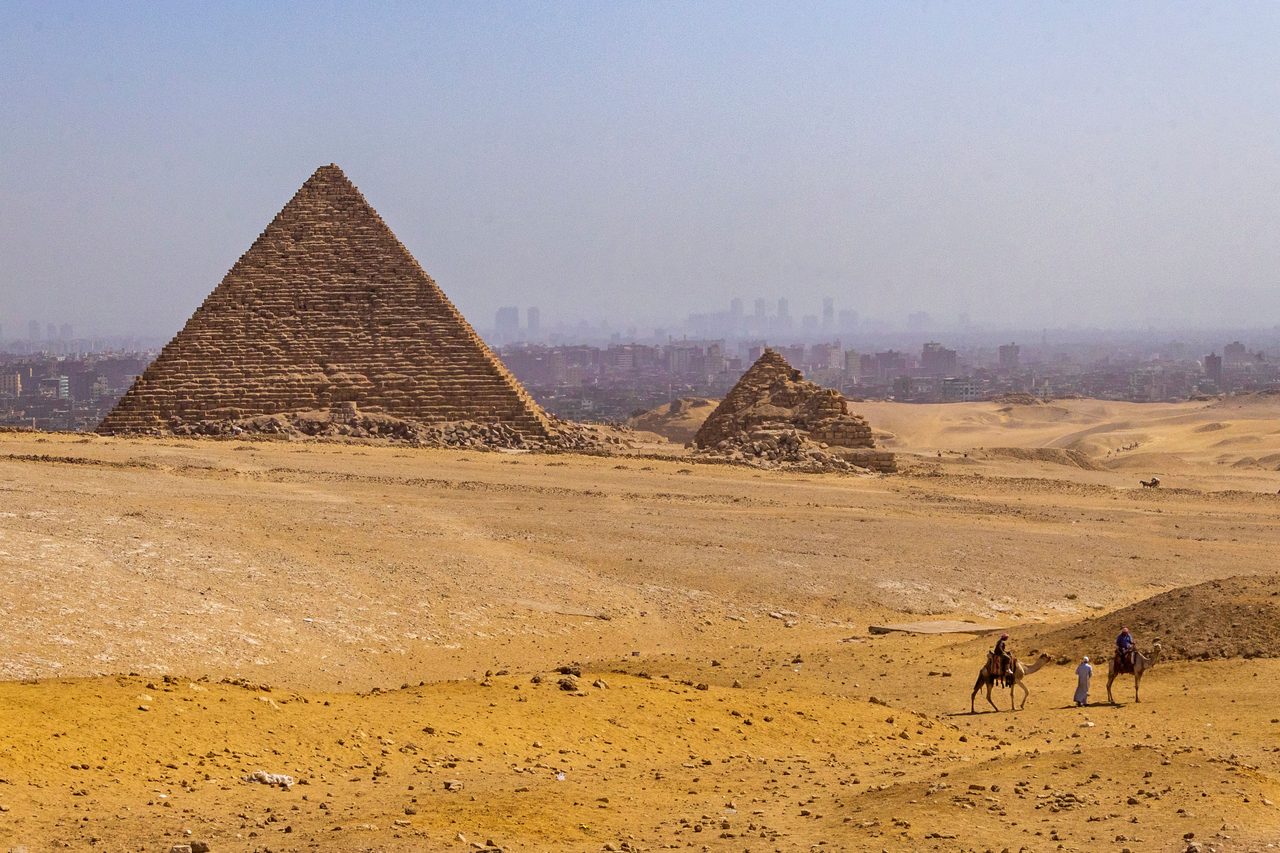
Giza is Egypt's most iconic governorate, home to the world-famous Pyramids of Giza and the Great Sphinx — some of humanity's greatest architectural achievements. Situated on the west bank of the Nile directly opposite Cairo, Giza blends ancient wonders with a bustling modern city of nearly 9 million people. The governorate is the gateway to ancient Egyptian civilization and one of the most visited destinations on Earth.
Giza Governorate stretches from the iconic Giza Plateau — where the Three Great Pyramids and the Great Sphinx stand — to the fertile Nile Delta edge and into the Eastern Desert. The governorate hosts the newly opened Grand Egyptian Museum, the largest archaeological museum in the world, as well as the historic Pharaonic Village and numerous ancient sites. Giza's location adjacent to Cairo makes it an accessible base for exploring both ancient wonders and Egypt's vibrant modern culture.
The 26 destinations our editors recommend — from iconic landmarks to under-the-radar finds.
Great Pyramid of Khufu (Cheops)
The largest and oldest of the three Giza pyramids, the Great Pyramid of Khufu is the last surviving Wonder of the Ancient World. Standing at 138.8 meters (455 feet), it was the tallest man-made structure on Earth for over 3,800 years. Visitors can enter the interior passages leading to the King's Chamber and the Grand Gallery for an awe-inspiring underground experience.
Great Sphinx of Giza
The Great Sphinx is a monumental limestone statue of a mythical creature with a human head and a lion's body, dating back approximately 4,500 years to the reign of Pharaoh Khafre. At 73 meters long and 20 meters high, it is the largest monolithic statue in the world. The Sphinx faces east toward the rising sun and is best photographed at sunrise when its features glow in golden light.
Pyramid of Khafre
The second largest pyramid at Giza, the Pyramid of Khafre retains its original polished limestone casing stones at the summit, giving it a distinctly two-toned appearance. Built for Pharaoh Khafre, son of Khufu, it appears taller than the Great Pyramid due to its elevated position on the plateau. The pyramid complex includes the Valley Temple, one of the best-preserved Old Kingdom temples in Egypt.
Pyramid of Menkaure
The smallest and southernmost of the three Great Pyramids, the Pyramid of Menkaure was built for Pharaoh Menkaure, grandson of Khufu. Though smaller at 65 meters, it is surrounded by three satellite pyramids and has an impressive mortuary temple. The pyramid was never fully cased in white Tura limestone and its lower portion shows the original reddish granite casing.
Grand Egyptian Museum (GEM)
The Grand Egyptian Museum is the world's largest archaeological museum, opened in 2023 adjacent to the Giza Plateau. It houses over 100,000 ancient Egyptian artifacts including the complete Tutankhamun collection with all 5,000+ objects displayed together for the first time. The museum's 10-story atrium features a breathtaking 11-meter statue of Ramesses II and includes multiple restaurants, gift shops, and a children's museum.
Valley Temple of Khafre
One of the best-preserved mortuary temples from ancient Egypt, the Valley Temple of Khafre dates to around 2500 BC and is constructed from massive pink Aswan granite blocks. This was the site where the pharaoh's body was embalmed before burial, and archaeologist Mariette discovered the famous diorite statue of Khafre here in 1860. The temple is directly connected to the Great Sphinx and is often overlooked by tourists focused on the pyramids.
Recommended itineraries
Pick a length, follow the route. Each itinerary balances headline sights with breathing room.
5-Day Giza Explorer
Day 1Arrive in Giza, explore city center
Day 2Visit top attractions and museums
Day 3Day trip to nearby highlights
Day 4Local markets and hidden gems
Day 5Final sightseeing, departure
7-Day Classic Giza
Days 1-2Giza city highlights
Days 3-4Regional exploration
Days 5-6Cultural immersion and local experiences
Day 7Return and departure
14-Day Ultimate Giza
Days 1-3Giza comprehensive city tour
Days 4-6Northern region exploration
Days 7-9Eastern highlights
Days 10-12Southern attractions
Days 13-14Return to Giza, departure
Where to stay in Giza
Three tiers, every traveller covered — from cost-conscious to flagship hotels.
Budget $25
Hostels, budget hotels, and guesthouses offer affordable stays without sacrificing experience.
Mid-range $80
Boutique hotels and well-located accommodations provide comfort and convenience at reasonable prices.
Luxury $350+
World-class resorts and premium hotels deliver unforgettable experiences.
Marriott Mena House
Giza Plateau · $$$$
One of the world's most legendary hotels, the Marriott Mena House sits at the foot of the Giza Plateau with breathtaking direct views of the Great Pyramid from its grounds and many rooms. Originally built as a royal hunting lodge in 1869 and converted to a hotel for the opening of the Suez Canal, it has hosted kings, presidents, and celebrities for over 150 years. The lush 40-acre gardens, magnificent swimming pool overlooking the pyramids, and elegant restaurants make this an unforgettable stay.
Located in Giza's upscale Dokki district on the Nile, the Four Seasons at First Residence offers impeccable luxury with Nile views and world-class dining across its 35 floors. The hotel's signature restaurant Zitouni serves outstanding Egyptian cuisine, and the rooftop pool overlooks the city and river. Its position in Giza makes it an excellent base combining Nile-side glamour with proximity to the pyramids.
The JW Marriott Cairo is a gleaming luxury skyscraper in Giza's Mirage City, offering exceptional facilities including one of Cairo's best golf courses at the Mirage Golf Club next door. The hotel's multiple restaurants serve international cuisine to the highest standards, and the expansive pool complex is among the city's finest. Ideal for business travelers and those seeking polished five-star service.
The Le Méridien Pyramids Hotel offers modern luxury in a prime location near the Giza Plateau, with many rooms and suites providing pyramid views. The hotel's outdoor pool area is spectacular and the Au Sauvage restaurant is a local institution known for its French-Egyptian cuisine. Its proximity to the pyramids — just minutes away — makes it ideal for early morning visits.
Cafés, neighbourhood gems, and tasting menus worth the table reservation.
Andrea El Mariouteya
Egyptian · $$
One of Giza's most beloved restaurants, Andrea El Mariouteya has been serving legendary spit-roasted chicken in a rustic Nile-side setting since the 1970s. The sprawling outdoor dining area along the Mariouteya canal is magical at sunset, filled with local families and celebrities. Their signature dish — crispy-skinned rotisserie chicken served with bread and salads — is considered the best in Egypt.
Zeeyara Pyramids Elite Restaurant
Egyptian · $$$
Perched near the Giza Plateau with unobstructed pyramid views, Zeeyara Pyramids Elite offers an elevated Egyptian dining experience like no other. The menu features beautifully presented versions of classic Egyptian dishes — including a showstopping kofta platter, slow-cooked fatta, and fresh mezze — all enjoyed with the Great Pyramid rising dramatically in the background.
Moghul Room (Marriott Mena House)
Indian · $$$$
The Moghul Room inside the legendary Marriott Mena House is one of Egypt's finest restaurants — a beloved institution that has served Mughal-inspired Indian cuisine since the hotel's early days. The ornate interior with hand-painted murals, stained glass, and antique chandeliers creates an atmosphere of extraordinary opulence. The tandoor dishes and biryanis are exceptional, and the signature lamb rogan josh is renowned.
Alfredo Restaurant (Mena House)
Italian/International · $$$$
The Alfredo Restaurant at Marriott Mena House occupies a gorgeous terrace and indoor space offering Italian and international cuisine with views of the hotel's lush gardens and pyramids beyond. Fresh pasta, wood-fired pizzas, and an exceptional wine list complement a relaxed yet elegant atmosphere. Ideal for a romantic dinner with a spectacular backdrop.
Zitouni (Four Seasons First Residence)
Egyptian · $$$$
Zitouni at the Four Seasons First Residence is regarded as one of Cairo-Giza's finest Egyptian restaurants, serving elevated interpretations of classic Egyptian and Middle Eastern cuisine in a sophisticated setting with Nile views. The mezze selection is extraordinary, and the slow-cooked lamb dishes are highlights. An exceptional wine and spirits menu complements the food perfectly.
Felfela Restaurant
Egyptian · $
Felfela is a beloved Egyptian restaurant chain with strong roots in the Giza area, famous for authentic Egyptian street food classics served in a colorful rustic setting. The restaurant is decked out with traditional crafts, antiques, and folk art, creating an atmosphere as authentically Egyptian as the food. Foul, ta'meya (falafel), koshari, and stuffed pigeon are the standout dishes.
Giza is well-connected to Cairo via Metro Line 3, buses, and shared transport. Within Giza, app-based ride-hailing (Uber and Careem) provides the most reliable and transparent service. Taxis are plentiful but require negotiation. The Giza Plateau itself is accessed via taxi, microbus, or organized tour from anywhere in Giza or Cairo.
Cairo Metro Line 3
The metro connects central Cairo to Giza's Kit Kat, Ataba, and Remaya Square stations. Clean, safe, and very affordable.
Cost: $0.15
Uber/Careem
App-based ride-hailing widely available throughout Giza — the most reliable option with fixed metered pricing.
Cost: $2-10 per trip
White Taxis
Metered white taxis are widely available. Insist on the meter or negotiate a fair price before boarding.
Cost: $1-5 per trip
Microbus
Shared minibuses on fixed routes throughout Giza — very cheap but crowded and routes are hard to navigate without Arabic.
Cost: $0.05-0.15
CTA Bus
Cairo Transport Authority buses cover major routes in Giza. Route 355 connects Giza to the pyramids area.
Cost: $0.05-0.10
Tourist Taxi (Private)
Privately arranged taxis for full-day or half-day tours — negotiate a daily rate upfront.
Cost: $40-60/day
Organized Tour Bus
Air-conditioned coach tours from hotels covering pyramids, Saqqara, Memphis, and other major sites.
Cost: $30-80 per tour
Budget breakdown
Daily spend by tier in EGP, broken out by category.
Category
Budget
Mid-range
Luxury
Accommodation
$10
$40
$200
Food (per day)
$5
$20
$80
Transportation
$3
$10
$30
Activities
$7
$10
$40
Daily total
$25
$80
$350+
Best time to visit Giza
Weather through the year in Giza
Best timeShoulderWorth avoiding
Average daytime temperature in °C. Figures are for Giza.
Essential travel tips
Arrive at the Giza Plateau at opening time (8AM) to beat the heat and crowds
Buy a combo ticket that includes the plateau, interior of one pyramid, and the Sphinx area
Hire a licensed guide through your hotel or the official tourism office for the best experience
The Grand Egyptian Museum requires a separate ticket and half a day to explore properly
Sound and Light Show at the pyramids runs nightly in multiple languages — book in advance
Hidden gems
Off-the-beaten-path corners most travellers miss.
Campbell's Tomb viewpoint on the plateau edge
Abusir pyramid field southern viewpoint with Dahshur visible in the distance
Neighborhood forn (bakery) in Nazlet El-Semman for pre-dawn ta'meya
Kazouza drink vendor at the foot of Al Haram Street for tamarind and carob drinks
Skip tourist-facing restaurants on the main pyramid entry road
instead eat at Kababgy El Pyramids or walk 500m into Nazlet El-Semman village for authentic local food
Giza Plateau southwest panoramic viewpoint (8AM minimum
get there right at opening)
Rooftop of Onyx Pyramids Boutique Hotel
Giza Corniche facing west over the Nile
Zeeyara Pyramids Elite rooftop terrace
Al Haram Street looking toward the pyramid silhouettes
Safety information
INFO
Use Uber or Careem instead of street taxis — app-based rides have fixed transparent pricing and eliminate overcharging scams
INFO
Purchase Giza Plateau tickets ONLY at the official ticket office at the site entrance — never from touts or informal sellers who approach you outside
INFO
Drink only bottled water throughout Giza — tap water is not safe for visitors. Check the seal is unbroken on any bottled water you purchase.
INFO
Apply SPF 50+ sunscreen and wear a hat when visiting the Giza Plateau — UV radiation is intense year-round and sunstroke is a real risk
INFO
Carry at least 2 liters of water per person when visiting outdoor sites. Heat exhaustion can occur rapidly at the pyramids, especially May-September
INFO
Dress modestly in Giza — women should cover shoulders and knees in public areas, markets, and near religious sites. This also minimizes unwanted attention.
INFO
Keep your passport, credit cards, and most cash in your hotel safe. Carry only what you need for the day in a money belt or secure inner pocket.
INFO
Beware of common pyramid area scams: the 'complimentary' camel ride that becomes a ransom situation, unofficial 'guides' offering secret access, and overpriced papyrus shops
INFO
Photography of military installations, bridges, and government buildings is strictly prohibited in Egypt — this includes areas near the Giza Plateau boundaries
INFO
The Egyptian Tourism Police maintain a strong presence at all major tourist sites in Giza — they are approachable and genuinely helpful; find them if you have problems
INFO
Negotiate ALL prices (taxis, camel rides, souvenir purchases) BEFORE committing. Once you've accepted a service, the price discussion is over.
INFO
Women traveling alone should be aware of street harassment, particularly in crowded market areas. Firm, assertive responses work best — do not engage with persistent touts.
INFO
Keep your COVID-19 documents and travel insurance information accessible — Egyptian hospitals require proof of ability to pay before treating foreign visitors
INFO
Do not accept food or drinks from strangers, particularly near the pyramid area. Drink-spiking for theft has been reported rarely but remains a risk.
INFO
Emergency ambulance response times in Giza can be slow — identify the nearest hospital to your hotel upon arrival for peace of mind
Frequently asked questions
Is Giza safe to visit in 2026?
Giza is generally safe for tourists and millions visit the pyramids annually without incident. The most common issues are petty scams, overcharging, and persistent touts near tourist sites rather than violent crime — awareness and preparation reduce these to minor nuisances. Emergency services: police at 122, medical at 123.
What is the best time to visit Giza?
The best time to visit Giza is October to April. Giza has a hot desert climate (Köppen BWh) characterized by almost no annual rainfall, extremely hot dry summers, and mild pleasant winters. The city sits at 23 meters elevation on the edge of the Sah
Do I need a visa to visit Giza?
Entry requirements follow Egypt rules. Most nationalities can obtain a visa on arrival for $25 USD or apply online via the Egypt e-Visa portal before travel. Citizens of some Arab countries enter visa-free. Requirements vary by nationality, so check with your nearest embassy or the official immigration website before traveling.
What currency is used in Giza?
The currency in Giza is the Egyptian Pound (EGP). ATMs are widely available in cities and tourist areas. Credit cards are accepted at most hotels and restaurants, but carry cash for markets and smaller establishments.
What language is spoken in Giza?
The main language(s) spoken in Giza: Arabic, Egyptian Arabic. In tourist areas, English is generally understood. Learning a few basic phrases in the local language is appreciated by locals.
What are the top attractions in Giza?
The top attractions in Giza include Great Pyramid of Khufu (Cheops), Great Sphinx of Giza, Pyramid of Khafre, Pyramid of Menkaure, and Grand Egyptian Museum (GEM). Each offers a unique experience, from historic landmarks to natural wonders.
Explore Giza by city
The cities below have their own guides — hotels, attractions and where to eat, in depth.