Luxor Governorate · 27 Places · Best October to February
Luxor
Luxor is an open-air museum stretching along the Nile in Upper Egypt, home to the greatest concentration of ancient monuments on Earth. From the colossal Karnak Temple Complex to the tombs of pharaohs in the Valley of the Kings, Luxor preserves millennia of Egyptian civilization. Once the ancient capital of Thebes, it remains one of the world's most extraordinary archaeological destinations.
Luxor Governorate in Upper Egypt is one of the world's most significant archaeological zones, encompassing the ancient city of Thebes on both banks of the Nile. The East Bank features the living city with Luxor Temple and Karnak Temple, while the West Bank holds the royal necropolises including the Valley of the Kings and the Temple of Hatshepsut. The region enjoys a desert climate with virtually no rainfall and over 300 sunny days per year, making it accessible nearly year-round. Modern Luxor city offers a range of hotels, restaurants, and services catering to international visitors from every budget tier.
The 27 destinations our editors recommend — from iconic landmarks to under-the-radar finds.
Karnak Temple Complex
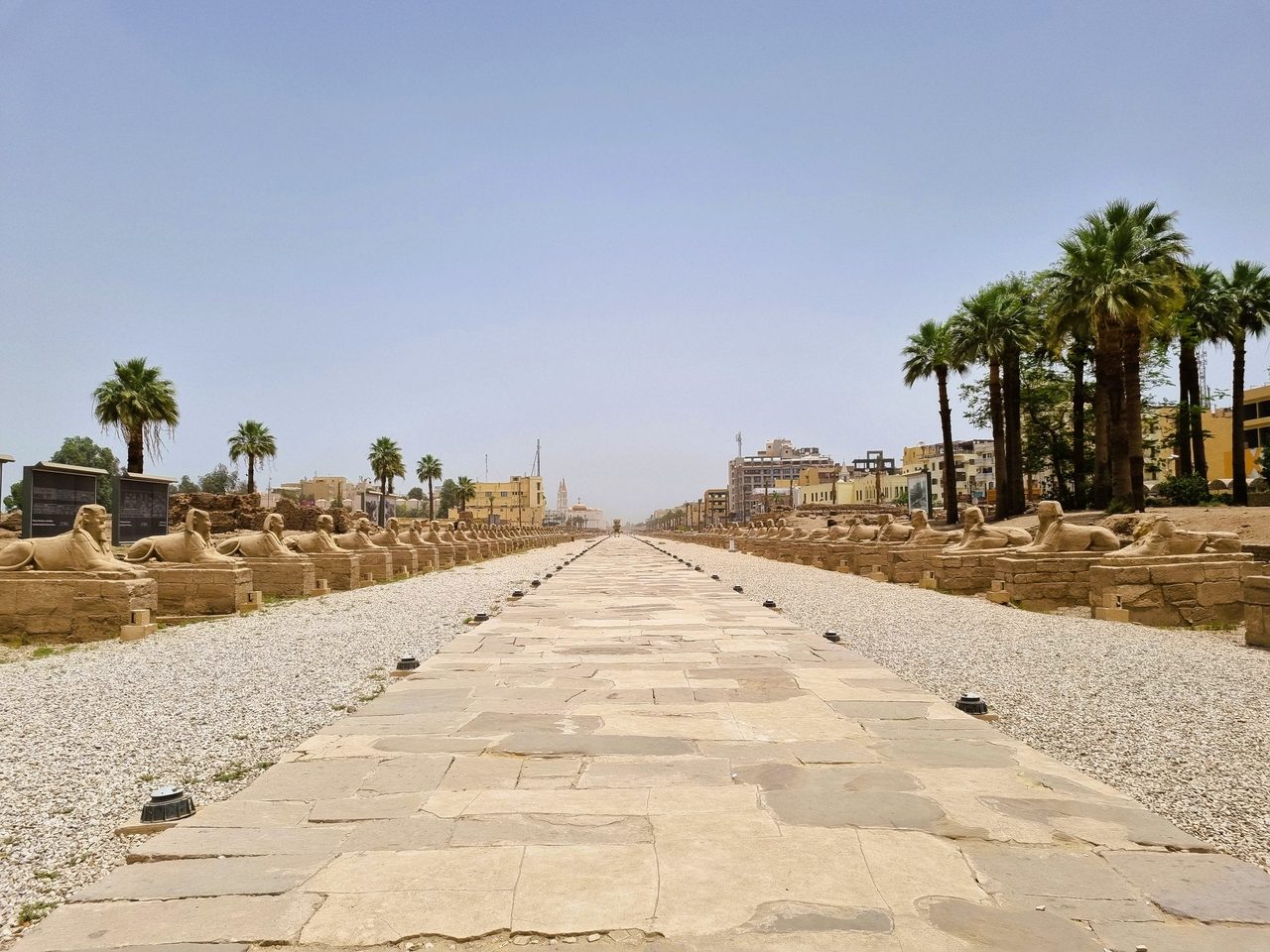
The largest ancient religious complex in the world, Karnak sprawls across 200 acres and was built over 2,000 years by successive pharaohs. Highlights include the Great Hypostyle Hall with 134 massive columns, the Sacred Lake, and the Avenue of Ram-Headed Sphinxes. The evening Sound & Light Show brings the ruins dramatically to life.
Valley of the Kings
The royal necropolis of the New Kingdom pharaohs contains 63 known rock-cut tombs, including those of Tutankhamun, Ramesses II, and Seti I. Admission includes entry to three standard tombs; additional tombs like KV62 (Tutankhamun) and KV17 (Seti I) require extra tickets. The elaborately painted burial chambers are among the most spectacular ancient artworks in existence.
Luxor Temple
Founded around 1400 BCE by Amenhotep III and later expanded by Ramesses II, Luxor Temple sits dramatically on the East Bank Corniche along the Nile. The entrance is guarded by towering statues of Ramesses II and a remaining obelisk; its twin stands in Place de la Concorde in Paris. The temple is spectacular at sunset and when lit up at night.
Temple of Hatshepsut (Deir el-Bahari)
The mortuary temple of Egypt's most famous female pharaoh is one of the most architecturally refined ancient buildings in the world. Three colonnaded terraces rise against the sheer limestone cliffs of the Theban escarpment. Vivid painted reliefs inside depict Hatshepsut's divine birth and her legendary trading expedition to the land of Punt.
Colossi of Memnon
Two enormous seated statues of Pharaoh Amenhotep III stand 18 metres tall on the West Bank floodplain, guarding the entrance to his largely destroyed mortuary temple. These iconic stone giants have watched over the Theban plains for 3,400 years and are one of Egypt's most recognisable images. Free to visit and accessible at any time.
Luxor Museum
Considered one of Egypt's finest archaeological museums, Luxor Museum houses a curated collection of statues, jewellery, and artefacts from the Theban region. Notable pieces include the reconstructed wall of Akhenaten and exquisite statuary of New Kingdom pharaohs. Far less crowded than the Cairo Museum, it offers an intimate experience.
Recommended itineraries
Pick a length, follow the route. Each itinerary balances headline sights with breathing room.
5-Day Luxor Explorer
Day 1Arrive in Luxor, explore city center
Day 2Visit top attractions and museums
Day 3Day trip to nearby highlights
Day 4Local markets and hidden gems
Day 5Final sightseeing, departure
7-Day Classic Luxor
Days 1-2Luxor city highlights
Days 3-4Regional exploration
Days 5-6Cultural immersion and local experiences
Day 7Return and departure
14-Day Ultimate Luxor
Days 1-3Luxor comprehensive city tour
Days 4-6Northern region exploration
Days 7-9Eastern highlights
Days 10-12Southern attractions
Days 13-14Return to Luxor, departure
Where to stay in Luxor
Three tiers, every traveller covered — from cost-conscious to flagship hotels.
Budget $34
Hostels, budget hotels, and guesthouses offer affordable stays without sacrificing experience.
Mid-range $108
Boutique hotels and well-located accommodations provide comfort and convenience at reasonable prices.
Luxury $259
World-class resorts and premium hotels deliver unforgettable experiences.
Sofitel Winter Palace Luxor
East Bank Corniche · $$$
A legendary Victorian-era palace hotel set in four acres of lush Nile gardens, the Winter Palace is one of Egypt's most storied accommodations. Lord Carnarvon announced the discovery of Tutankhamun's tomb here in 1922, and the hotel retains its grandeur with marble floors, high ceilings, and an iconic Nile-facing terrace.
A modern 5-star riverside resort north of the city centre with expansive Nile views, multiple pools, and a full-service spa. The hotel's location near Karnak Temple makes it convenient for early morning visits to the site. Spacious rooms feature private balconies overlooking the Nile.
A central 5-star property directly on the Corniche with sweeping Nile views and some of the best dining in Luxor. The heated outdoor pool terrace faces the West Bank mountains, creating a stunning panorama at any time of day. Close to Luxor Temple and the Avenue of Sphinxes.
A romantic boutique hotel on the West Bank decorated in ornate Moorish and Mediterranean style with handcrafted antique furniture, mosaic tiling, and lush gardens. Each of the 54 rooms is uniquely designed, and the property feels more like a private palace than a hotel. One of the most atmospheric stays in all of Egypt.
Cafés, neighbourhood gems, and tasting menus worth the table reservation.
Sofra Restaurant & Café
Egyptian · $$
Set in a beautifully restored 1930s villa with patterned floor tiles, antique furniture, and ceiling fans, Sofra serves authentic Egyptian cuisine including stuffed pigeon, lamb tagines, and extensive mezze spreads. One of Luxor's most celebrated restaurants, beloved by both tourists and locals.
Al-Sahaby Lane Restaurant
Egyptian/Middle Eastern · $$
Perched above El Sahabi Street on a rooftop terrace, Al-Sahaby offers sweeping views of Luxor Temple and the Nile while serving excellent Egyptian mezze, falafel, baba ganoush, and tagines. A family-run restaurant with warm service and consistent quality.
Marsam Restaurant
Nubian/Egyptian · $
Located in a traditional Nubian house on the West Bank, Marsam serves authentic regional dishes including bamia (okra stew), fatta (bread and rice in broth), and hibiscus drinks. The atmospheric mud-brick setting and family-run hospitality make this a memorable meal.
Nile Valley Restaurant
Egyptian/Middle Eastern · $$
A popular riverside restaurant along the East Bank Corniche serving Egyptian classics and Middle Eastern favourites with Nile views from an outdoor terrace. The grilled meats, fresh bread, and aromatic rice dishes are crowd-pleasers for both tourists and local families.
El Kababgy
Egyptian Grill · $
One of Luxor's most popular local spots for grilled meats, El Kababgy draws a loyal clientele with its succulent kebabs, kofta, and chicken on charcoal, served with salads, tahini and fresh flatbread. Simple décor, fast service, and outstanding value.
1886 Restaurant
French/Continental · $$$$
The Winter Palace Hotel's formal fine dining restaurant occupies an elegant colonial-era room with chandeliers and white-gloved service. Named after the hotel's founding year, it offers French-influenced cuisine with Egyptian ingredients, a serious wine list, and a strict dress code. Reservations essential.
Luxor is served by Luxor International Airport (LXR) with direct connections to Cairo and several European cities. Within the city, taxis (negotiate fares), shared minibuses, bicycle rental, and the traditional Nile public ferry are the main options. A calèche (horse-drawn carriage) adds colour but needs firm fare negotiation. Most East Bank attractions are walkable from the Corniche.
Taxi
Unlicensed and private taxis throughout the city; always negotiate fare before boarding — there are no meters
Cost: EGP 20-80 for most city rides
Shared Minibus
Cheap local minibuses run fixed routes throughout the East Bank; useful for locals but confusing without Arabic
Cost: EGP 3-7 per ride
Nile Public Ferry
Government public ferry connects the East and West Banks; the cheapest and most authentic Nile crossing
Cost: EGP 1 per crossing
Private Motorboat
Faster private boats cross the Nile at any time; prices are negotiable but much higher than the public ferry
Cost: EGP 30-80 per crossing
Felucca
Traditional wooden sailboats for Nile pleasure cruises or crossing; negotiate duration and fare
Cost: EGP 50-150/hour
Bicycle
Flat terrain on the West Bank makes cycling ideal for independent temple exploration; bikes widely available for hire
Cost: EGP 30-50/day
Calèche
Horse-drawn carriage; charming and atmospheric but requires firm price negotiation
Cost: EGP 50-100/hour
Private Driver/Car
Best option for covering multiple West Bank sites efficiently; hire for a full day for convenience
Cost: EGP 300-600/day
Budget breakdown
Daily spend by tier in EGP, broken out by category.
Category
Budget
Mid-range
Luxury
Accommodation
$15
$55
$150
Food (per day)
$8
$25
$60
Transportation
$4
$15
$30
Activities
$7
$13
$19
Daily total
$34
$108
$259
Best time to visit Luxor
Weather through the year in Luxor
Best timeShoulderWorth avoiding
Average daytime temperature in °C. Figures are for Luxor.
Essential travel tips
Visit Valley of the Kings and West Bank sites in the morning before heat peaks
Karnak Temple is spectacular both in morning and at the evening Sound & Light show
Carry small EGP notes for baksheesh (tips) at temples and sites
October–February offers the most comfortable sightseeing temperatures
The public Nile ferry (EGP 1) is far cheaper than private motorboat crossings
Hidden gems
Off-the-beaten-path corners most travellers miss.
West Bank hilltop above Deir el-Bahari (30 min climb, extraordinary aerial temple view)
Theban Hills summit (3h return, 360-degree Nile Valley panorama)
Ahwa balady café behind Luxor Temple
West Bank village morning market
Banana Island plantations
Skip crowded tour buses
hire your own licensed guide instead
Skip hot midday temple visits
go to the Luxor Museum instead
Colossi of Memnon (West Bank plain)
Valley of the Kings entrance road (Theban Hills backdrop)
East Bank Corniche (Nile and West Bank mountains)
West Bank hilltop viewpoints
Nile felucca looking west
Al-Sahaby Lane rooftop terrace
Safety information
INFO
Always negotiate and agree on taxi fares before getting into any vehicle — drivers routinely charge tourists significantly more than locals
INFO
Use the Tourist Police (call 126) if you encounter serious problems at any site or in the city — they are stationed at all major attractions
INFO
Carry at least 1.5-2 litres of water per person when visiting outdoor sites; heatstroke is a genuine risk at temperatures above 40°C in summer
INFO
Dress modestly (shoulders and knees covered) especially when visiting mosques, churches, and traditional market areas
INFO
Be cautious of 'free gift' offers in the souk — vendors who give you an unsolicited item then pressure you to pay are common
INFO
Never accept offers from strangers to take you to a 'closed' or 'better' attraction — this is a common scam to divert you to a shop where they earn commission
INFO
Keep a physical copy of your passport, visa, and travel insurance in a separate location from the originals
INFO
Avoid displaying expensive jewellery, cameras, or cash openly in crowded areas like the bazaar
INFO
Be wary of unofficial guides offering services at temple entrances; licensed Egyptologist guides wear ID badges
INFO
When using the public Nile ferry, be alert to pickpockets in the crowd — keep bags in front of you
INFO
Do not photograph military installations, bridges, government buildings, or uniformed personnel — it is illegal and can result in detention
INFO
Check Egypt's current travel advisory from your government before travelling; advisories change with regional security situations
INFO
Travel insurance that covers medical evacuation is essential — private hospital care in Luxor is adequate but serious conditions may require Cairo
INFO
Avoid swimming in the Nile — currents are strong, bilharzia (schistosomiasis) is present, and boat traffic is heavy
INFO
For solo female travellers: avoid walking alone after dark in non-tourist areas and on quieter streets; the Corniche and bazaar areas are generally safe
Frequently asked questions
Is Luxor safe to visit in 2026?
Luxor is one of Egypt's safest tourist destinations with a strong tourist police presence at all major sites. Standard urban precautions apply, particularly around the bazaar where vendor pressure and common tourist scams require awareness. Emergency services: police at 122, medical at 123.
What is the best time to visit Luxor?
The best time to visit Luxor is October to February. Luxor has a classic hot desert climate (Köppen BWh) with virtually zero rainfall year-round and extreme summer heat. Winters are warm and pleasant with daytime temperatures around 20-25°C and cool eve
Do I need a visa to visit Luxor?
Entry requirements follow Egypt rules. Most nationalities can obtain a visa on arrival (~$25 USD) at Egyptian airports or apply for an e-visa online. The e-visa is available to citizens of 44+ countries and takes 7+ days to process. Requirements vary by nationality, so check with your nearest embassy or the official immigration website before traveling.
What currency is used in Luxor?
The currency in Luxor is the Egyptian Pound (EGP). ATMs are widely available in cities and tourist areas. Credit cards are accepted at most hotels and restaurants, but carry cash for markets and smaller establishments.
What language is spoken in Luxor?
The main language(s) spoken in Luxor: Arabic, English (widely spoken in tourism). In tourist areas, English is generally understood. Learning a few basic phrases in the local language is appreciated by locals.
What are the top attractions in Luxor?
The top attractions in Luxor include Karnak Temple Complex, Valley of the Kings, Luxor Temple, Temple of Hatshepsut (Deir el-Bahari), and Colossi of Memnon. Each offers a unique experience, from historic landmarks to natural wonders.