Occitanie · 25 Places · Best April–June, September–October
Occitanie
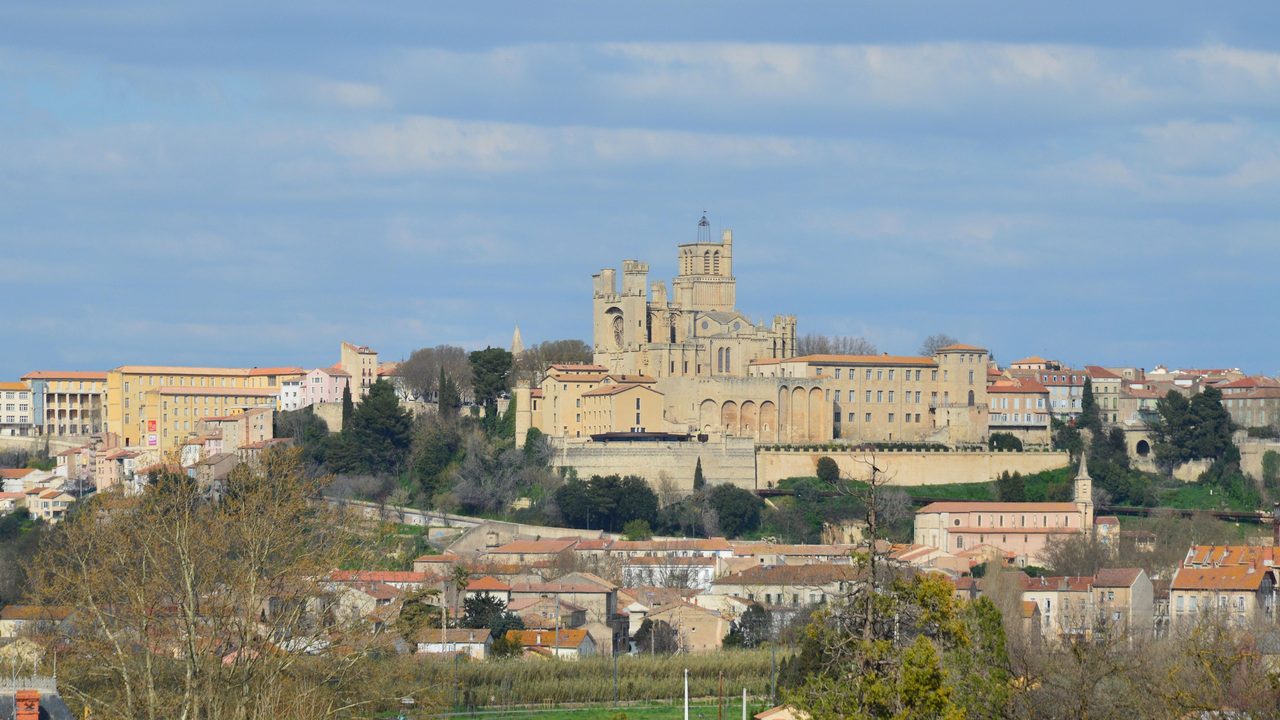
Occitanie is a vast region in southern France stretching from the Atlantic Pyrenees to the Mediterranean coast, encompassing the historic cities of Toulouse, Montpellier, Carcassonne, and Nîmes. It blends medieval heritage, Roman ruins, UNESCO World Heritage sites, sandy beaches, and the soaring Pyrenees mountains into one of France's most diverse travel destinations. The region is also France's leading wine producer and home to world-famous culinary traditions including cassoulet and Roquefort cheese.
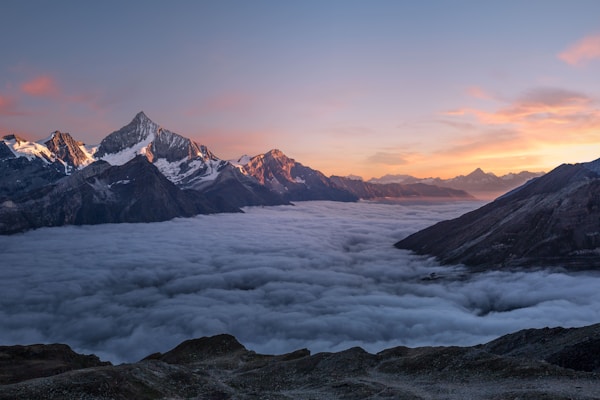
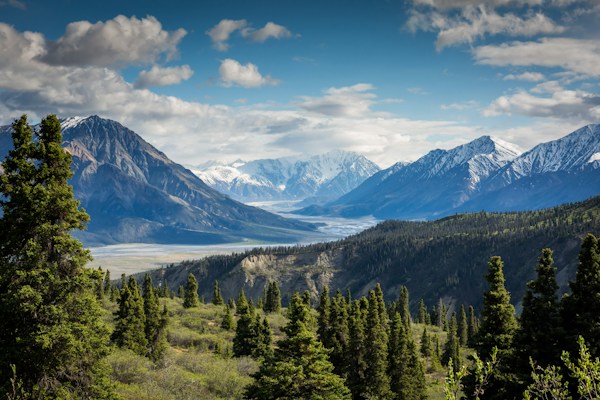
Occitanie captivates visitors with its remarkable diversity — from the sun-bleached Roman amphitheatre of Nîmes and the fairy-tale battlements of Carcassonne to the wild granite peaks of the Pyrenees and 220 km of Mediterranean coastline. Toulouse, the 'Pink City', pulses with aerospace energy and a vibrant student culture, while Montpellier buzzes with Mediterranean joie de vivre. The region's landscapes range from sunflower fields and vineyard-draped hillsides to glacial cirques and flamingo-dotted lagoons.
The 25 destinations our editors recommend — from iconic landmarks to under-the-radar finds.
Cité de Carcassonne
The Cité de Carcassonne is one of Europe's finest examples of a medieval fortified city, encircled by 3 km of double walls and 52 towers. Designated a UNESCO World Heritage Site in 1997, this fairy-tale citadel dates to Gallo-Roman times and was magnificently restored by architect Viollet-le-Duc in the 19th century. Walk the ramparts, explore the Château Comtal, and lose yourself in the cobblestone lanes within.
Pont du Gard
The Pont du Gard is a breathtaking 1st-century Roman aqueduct spanning the Gardon River near Remoulins, standing 49 m high on three tiers of arches. This UNESCO World Heritage Site was built without mortar and carried water 50 km from Uzès to Nîmes. The surrounding park offers swimming in the river, kayaking, and a first-rate museum on Roman engineering.
Canal du Midi
The Canal du Midi is a 240 km UNESCO World Heritage waterway built in the 17th century connecting Toulouse to the Mediterranean Sea at Sète. Lined with thousands of plane trees, it offers one of France's most scenic cycling routes and is popular for barge holidays. Key sections pass through Carcassonne, Béziers (with its famous nine-lock staircase), and the wine country of Hérault.
Cirque de Gavarnie
The Cirque de Gavarnie is a UNESCO-listed natural amphitheatre in the high Pyrenees, rising to 3,000 m and featuring the Grande Cascade, at 423 m the tallest waterfall in France. A gentle 4 km walk from the village of Gavarnie leads to the foot of the cirque, making it accessible to most visitors. The dramatic limestone walls and permanent snowfields create an awe-inspiring alpine spectacle.
Toulouse Capitole and Place du Capitole
The Place du Capitole is the grand heart of Toulouse, dominated by the magnificent pink-brick Capitole building which serves as the city hall and opera house. The ornate interior features remarkable 19th-century paintings in the Salle des Illustres, and the underground Donjon du Capitole houses a free museum. The surrounding pedestrian streets are perfect for café terraces and people-watching.
Les Arènes de Nîmes
The Arènes de Nîmes is one of the best-preserved Roman amphitheatres in the world, built around 70 AD and still used today for bullfights, concerts, and the Nîmes festivals. Seating up to 16,000 spectators, it offers a vivid sense of Roman engineering and popular entertainment. The multimedia 'Journey to the Heart of the Arena' experience brings the gladiatorial past to life.
Recommended itineraries
Pick a length, follow the route. Each itinerary balances headline sights with breathing room.
5-Day Occitanie Explorer
Day 1Arrive in Occitanie, explore city center
Day 2Visit top attractions and museums
Day 3Day trip to nearby highlights
Day 4Local markets and hidden gems
Day 5Final sightseeing, departure
7-Day Classic Occitanie
Days 1-2Occitanie city highlights
Days 3-4Regional exploration
Days 5-6Cultural immersion and local experiences
Day 7Return and departure
14-Day Ultimate Occitanie
Days 1-3Occitanie comprehensive city tour
Days 4-6Northern region exploration
Days 7-9Eastern highlights
Days 10-12Southern attractions
Days 13-14Return to Occitanie, departure
Where to stay in Occitanie
Three tiers, every traveller covered — from cost-conscious to flagship hotels.
Budget €50
Hostels, budget hotels, and guesthouses offer affordable stays without sacrificing experience.
Mid-range €120
Boutique hotels and well-located accommodations provide comfort and convenience at reasonable prices.
Luxury €320
World-class resorts and premium hotels deliver unforgettable experiences.
Hôtel de la Cité
Cité de Carcassonne (medieval city) · $$$$
A legendary Relais & Châteaux property set within the walls of Carcassonne's UNESCO medieval citadel, offering opulent rooms with views of the ramparts and vineyards. The hotel's gourmet restaurant and pool terrace create an unforgettable setting within one of Europe's greatest medieval monuments.
An iconic 4-star hotel occupying a 17th-century convent adjoining the Capitole opera house in the heart of Toulouse, with classically decorated rooms, a lush indoor garden, and one of the city's finest restaurants. The hotel's pink-stone façade and Belle Époque interiors embody the elegance of the Pink City.
A beautifully restored 18th-century private mansion in the Écusson historic quarter of Montpellier, transformed into a refined boutique hotel with just seven elegant suites. The vaulted ceilings, period fireplaces, and private garden create an atmosphere of quiet luxury that major hotels cannot match.
A stunning 5-star Relais & Châteaux estate set among 25 hectares of private vineyards just outside Montpellier, with a world-class spa, Michelin-recommended restaurant, and 26 individually designed rooms in a renovated 16th-century château. Guests can tour the estate's cellars and taste the house Languedoc wines.
Cafés, neighbourhood gems, and tasting menus worth the table reservation.
Restaurant Michel Sarran
Haute cuisine / Gascon · $$$$
Michel Sarran holds two Michelin stars for his creative cuisine rooted in the flavours of Gascony and the Pyrenees, served in an elegant dining room near the Capitole in Toulouse. Signature dishes include foie gras preparations and Gascon lamb cooked with extraordinary precision.
Auberge du Vieux Puits, Fontjoncouse
Contemporary French / Languedoc · $$$$
Chef Gilles Goujon holds three Michelin stars at this legendary auberge in the remote Corbières hills, creating extraordinary dishes from the region's finest products in a setting of breathtaking simplicity. This is one of the most celebrated destinations in France for serious gastronomes.
Le Jardin des Sens, Montpellier
Gastronomy / Mediterranean · $$$$
The legendary Pourcel twin brothers built their reputation at this iconic Montpellier address, which holds a Michelin star for its outstanding Mediterranean-influenced haute cuisine in elegant garden surroundings. The wine list draws extensively from Languedoc appellations.
L'Exception, Toulouse
French bistro / Seasonal · $$
A favourite neighbourhood bistro near the Carmes market in Toulouse, serving a daily-changing chalkboard menu of market-fresh dishes at honest prices — expect classic French dishes executed with skill and generous portions. The wine list focuses on natural and artisan producers from Languedoc and Gascony.
Le Genty Magre, Toulouse
French / Toulousain · $$
An historic Toulouse restaurant in a magnificent 17th-century building with exposed brick and wooden beams, serving hearty Toulousain classics — cassoulet, confit de canard, and magret de canard — with local wines. A beloved institution for both locals and visitors seeking authentic regional flavours.
Au Fin Gourmet, Carcassonne
Languedoc / French · $$
One of Carcassonne's most respected restaurants in the Ville Basse (lower town), long celebrated for its classic Languedoc cuisine — particularly cassoulet, duck, and seafood from the nearby Mediterranean — at fair prices in an unpretentious setting. A locals' favourite over decades.
Occitanie is well connected by high-speed TGV and intercity trains between its major cities, with two international airports at Toulouse-Blagnac and Montpellier-Méditerranée. The liO regional transport network of buses and trains covers smaller towns throughout the region. A rental car is highly recommended for exploring the Pyrenees, the Corbières wine country, the Causses, and the Gorges du Tarn.
TGV / High-speed train
Paris to Toulouse in 4h10 or Paris to Montpellier in 3h30 with TGV; Toulouse to Montpellier takes 2h by Intercités
Cost: €10–80 (book early for Prem's fares)
liO Regional Buses
Occitanie's regional bus network covering towns not served by rail, including Carcassonne to Limoux, Montpellier to Sète, and mountain villages
Cost: €2–15
Metro (Toulouse)
Two metro lines (A and B) covering central Toulouse and suburbs; frequency every 3–8 minutes
Cost: €1.80/ride or €5.80/10-ticket carnet
Tram (Montpellier)
Five tram lines covering the city and suburbs from airport to outskirts; frequency every 6 minutes
Cost: €1.80/ride or €5.80/10-ticket carnet
Car Rental
Essential for Pyrenees, Corbières, Aveyron, and Gorges du Tarn; available at both airports and major train stations
Cost: €30–60/day (compact) + fuel + tolls
Intercity Coach (FlixBus, Ouibus)
Budget intercity coaches between Toulouse, Montpellier, Carcassonne, Perpignan, and Nîmes
Cost: €5–20
Bicycle / Vélo+
Toulouse and Montpellier have extensive cycle hire schemes (Vélô Toulouse, Vélomagg Montpellier); Canal du Midi towpath is ideal for cycling
Cost: €1–5/day
Budget breakdown
Daily spend by tier in EUR, broken out by category.
Category
Budget
Mid-range
Luxury
Accommodation
€22
€70
€190
Food (per day)
€15
€35
€90
Transportation
€5
€10
€25
Activities
€8
€15
€45
Daily total
€50
€120
€320
Best time to visit Occitanie
Weather through the year in Occitanie
Best timeShoulderWorth avoiding
Average daytime temperature in °C. Figures are for Occitanie.
Essential travel tips
Book accommodation in Carcassonne months in advance for summer
Purchase a multi-day pass for Toulouse or Montpellier public transport
Visit Pont du Gard at sunrise to beat the crowds
Explore Canal du Midi by bicycle between Toulouse and Carcassonne
Hidden gems
Off-the-beaten-path corners most travellers miss.
Roc des Hourtous above the Gorges du Tarn
400 m above the river, almost no visitors
Peyre cliff village viewpoint from the D998 bridge, Aveyron
a village inside a cliff
Belvédère du Millau Viaduct on the D992
the definitive bridge-above-the-mist shot
Marché de la place Arnaud Bernard, Toulouse (Saturday morning)
the real Toulouse neighbourhood market
Quai de la Daurade, Toulouse at sunset
locals' favourite Garonne riverside spot
Cave à vins La Cave de l'Insolite, Montpellier
where local winemakers drink
Skip the Carcassonne souvenir shops → Do a Canal du Midi cycle instead
Skip Pont du Gard parking stress → Take the kayak from Collias to approach by water
Skip Montpellier's touristy Place de la Comédie restaurants → Do the Marché du Lez food market
Pont du Gard from the left-bank rock shelf at sunrise
Espiguette dunes at first light
Lac de Gaube before 8AM for perfect mountain reflections
Cité de Carcassonne from the Pont Vieux
Mont Saint-Clair in Sète
Gorges du Tarn from Roc des Hourtous
Safety information
INFO
Keep wallets and phones in front pockets or secure bags on metro, tram, and crowded tourist sites — pickpocketing is the most common crime affecting tourists in Toulouse and Montpellier
INFO
Use only licensed taxis or Uber/Bolt apps rather than unlicensed vehicles approaching you at airports or train stations
INFO
In summer, monitor Météo France weather alerts for thunderstorms, flash floods (crues soudaines), and the Tramontane/Autan winds which can reach dangerous speeds
INFO
If hiking in the Pyrenees, always inform someone of your route, check the mountain weather forecast (Météo France montagne), and carry a paper map as mobile coverage is unreliable at altitude
INFO
Beware of sun exposure — Occitanie is the sunniest region in France; always carry water, sunscreen, and a hat, especially in July–August when temperatures can exceed 40°C
INFO
Flash flooding can occur with little warning in river valleys including the Tarn, Orb, Aude, and Hérault — heed local emergency warnings and never camp in dry riverbeds
INFO
Carry cash when travelling to rural villages in the Corbières, Aveyron, Lozère, and the Pyrenean foothills — many small establishments do not accept cards
INFO
Swimming in the sea at non-lifeguarded beaches carries risks — check the coloured flag system (green = safe, yellow = caution, red = prohibited) at all beaches
INFO
Do not approach or feed wild animals in the Pyrenees — bears (Ursus arctos) have been reintroduced and are present in the mountains; maintain distance and make noise on trails
INFO
Avoid leaving valuables visible in rental cars, especially in urban areas and at tourist sites — theft from vehicles is more common at busy Pyrenean trailheads and canal-side parking areas
INFO
In the event of a wildfire (feu de forêt) — common in the garrigue and Corsican pine forests of the Hérault and Aude in summer — follow official evacuation orders immediately
INFO
The Tramontane wind (cold, dry, strong wind from the northwest) and Marin (warm, humid wind from the south) can make beach and boating conditions unexpectedly hazardous — check forecasts before water activities
Frequently asked questions
Is Occitanie safe to visit in 2026?
Occitanie is a very safe region for tourists by European standards, with the main risks being petty theft in urban centres and seasonal weather hazards. Violent crime affecting tourists is rare, and the region's cities, mountains, and beaches are all generally accessible without significant safety concerns. Emergency services: police at 17 (Police Nationale / Gendarmerie), medical at 15 (SAMU — Medical Emergency) or 112 (European emergency).
What is the best time to visit Occitanie?
The best time to visit Occitanie is April–June, September–October. Occitanie encompasses three distinct climate zones: a Mediterranean climate along the coast (hot, dry summers; mild, wet winters); a continental semi-arid climate inland around Toulouse and the plains
Do I need a visa to visit Occitanie?
Entry requirements follow France and Schengen Area rules. EU/EEA citizens may enter freely. Non-EU visitors from many countries may stay up to 90 days without a visa. ETIAS authorization will be required for visa-exempt nationalities in future. Requirements vary by nationality, so check with your nearest embassy or the official immigration website before traveling.
What currency is used in Occitanie?
The currency in Occitanie is the Euro (EUR). ATMs are widely available in cities and tourist areas. Credit cards are accepted at most hotels and restaurants, but carry cash for markets and smaller establishments.
What language is spoken in Occitanie?
The main language(s) spoken in Occitanie: French, Occitan, Catalan. In tourist areas, English is generally understood. Learning a few basic phrases in the local language is appreciated by locals.
What are the top attractions in Occitanie?
The top attractions in Occitanie include Cité de Carcassonne, Pont du Gard, Canal du Midi, Cirque de Gavarnie, and Toulouse Capitole and Place du Capitole. Each offers a unique experience, from historic landmarks to natural wonders.