Attica · 28 Places · Best April-May and September-October
Attica
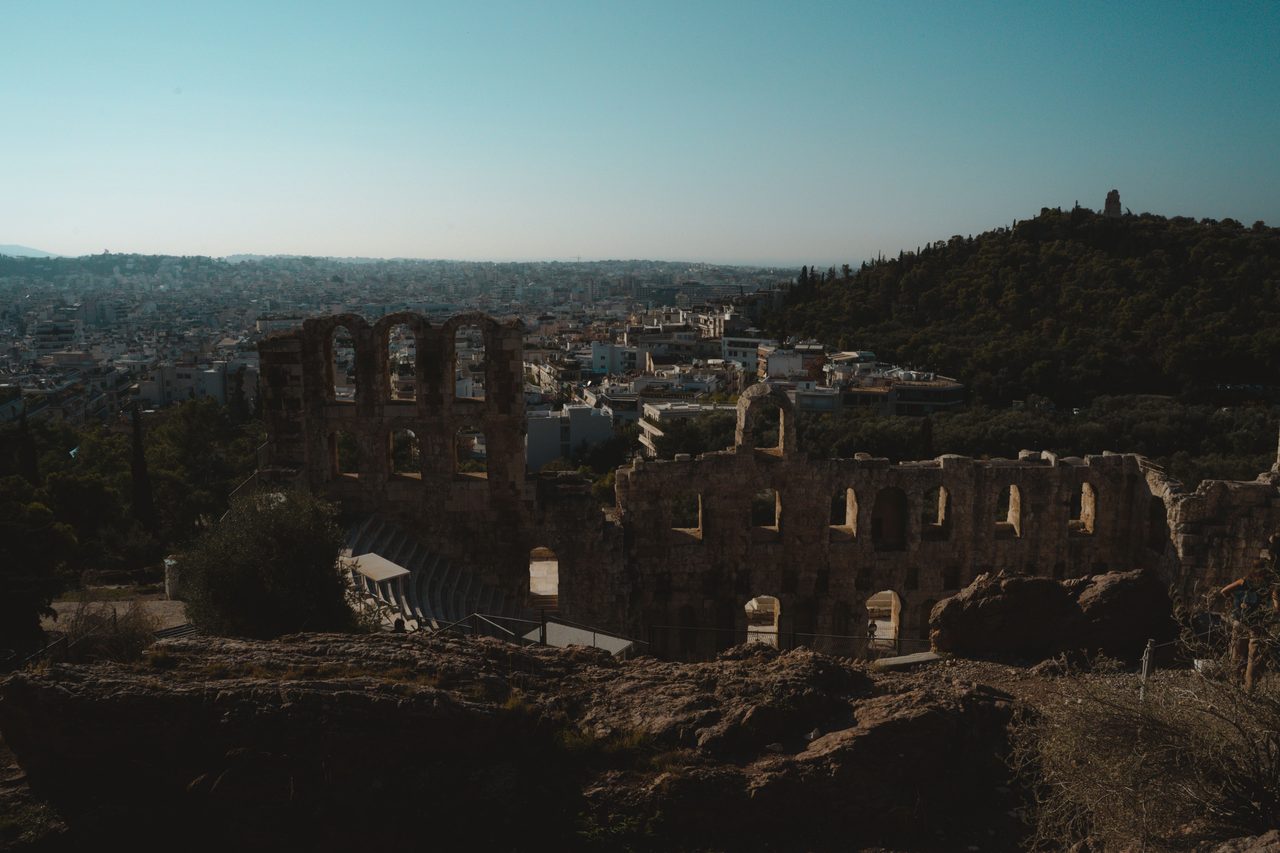
Attica is the historical region of Greece that surrounds Athens, the country's capital, encompassing ancient monuments, stunning Mediterranean coastline, and verdant mountains. Home to some of the world's most iconic ancient sites including the Acropolis and Temple of Poseidon at Cape Sounion, Attica blends millennia of history with a vibrant modern city culture.
Attica is the cradle of Western civilization, centered on Athens with its legendary Acropolis, world-class museums, and dynamic neighborhoods. The region extends along the Saronic Gulf with a 60-kilometer riviera of beaches, and inland to three mountain ranges — Parnitha, Penteli, and Hymettus — offering hiking, wildlife, and panoramic views. Beyond the capital, Attica encompasses historic Marathon, the dramatic cape at Sounion, the port of Piraeus, and dozens of charming coastal towns making it one of Greece's most diverse and rewarding regions to explore.
The 28 destinations our editors recommend — from iconic landmarks to under-the-radar finds.
Acropolis & Parthenon
The crowning glory of ancient Athens, the Acropolis is a 5th-century BCE citadel rising 150 meters above the city. The Parthenon, dedicated to the goddess Athena, is one of the world's most enduring symbols of classical architecture and Western civilization.
Acropolis Museum
One of Europe's finest museums, the Acropolis Museum houses over 3,000 artifacts from the Acropolis site in a stunning modern building. The top-floor Parthenon Gallery displays the frieze at the exact angle it sat on the temple, with direct views of the Acropolis through floor-to-ceiling glass.
National Archaeological Museum
The largest archaeological museum in Greece and one of the most important in the world, housing artifacts spanning 5,000 years of Greek history from prehistoric through Hellenistic eras. Highlights include the Mask of Agamemnon, Antikythera Mechanism, and stunning Bronze Age gold.
Temple of Poseidon at Cape Sounion
Perched dramatically on a rocky headland 70 kilometers south of Athens, this 5th-century BCE Doric temple dedicated to Poseidon offers arguably the most spectacular sunset views in all of Greece. Lord Byron carved his name on a column during his visit in 1810.
Temple of Olympian Zeus
Once the largest temple in ancient Greece, the Temple of Olympian Zeus was begun in the 6th century BCE but not completed until 638 years later under Emperor Hadrian in 131 CE. Of the original 104 Corinthian columns, 15 still stand, making for one of Athens' most photogenic ancient ruins.
Panathenaic Stadium (Kallimarmaro)
The only stadium in the world built entirely of white Pentelic marble, the Panathenaic Stadium hosted the first modern Olympic Games in 1896. Originally constructed in 330 BCE, this magnificent horseshoe-shaped stadium seats 50,000 and offers visitors the chance to run on the original Olympic track.
Recommended itineraries
Pick a length, follow the route. Each itinerary balances headline sights with breathing room.
5-Day Attica Explorer
Day 1Arrive in Attica, explore city center
Day 2Visit top attractions and museums
Day 3Day trip to nearby highlights
Day 4Local markets and hidden gems
Day 5Final sightseeing, departure
7-Day Classic Attica
Days 1-2Attica city highlights
Days 3-4Regional exploration
Days 5-6Cultural immersion and local experiences
Day 7Return and departure
14-Day Ultimate Attica
Days 1-3Attica comprehensive city tour
Days 4-6Northern region exploration
Days 7-9Eastern highlights
Days 10-12Southern attractions
Days 13-14Return to Attica, departure
Where to stay in Attica
Three tiers, every traveller covered — from cost-conscious to flagship hotels.
Budget $50
Hostels, budget hotels, and guesthouses offer affordable stays without sacrificing experience.
Mid-range $130
Boutique hotels and well-located accommodations provide comfort and convenience at reasonable prices.
Luxury $400
World-class resorts and premium hotels deliver unforgettable experiences.
Hotel Grande Bretagne
Syntagma Square · $$$$
Athens' most iconic hotel since 1874, the Grande Bretagne is a landmark of elegance facing Syntagma Square and the Parliament. The rooftop GB Roof Garden restaurant offers legendary city views, and the spa is among the finest in Greece.
A neoclassical masterpiece on Syntagma Square with beautifully appointed rooms featuring period furnishings. The Tudor Hall restaurant is one of Athens' finest, and the rooftop terrace overlooks the Parthenon.
A refined 5-star hotel in the heart of Plaka with a stunning rooftop pool offering unobstructed Acropolis views. The location couldn't be better for exploring the historic center on foot.
Situated just steps from the Acropolis, this elegant 5-star hotel features impressive archaeological remains within the property itself. Rooms with Acropolis view are among the most sought-after in Athens.
Cafés, neighbourhood gems, and tasting menus worth the table reservation.
Varoulko Seaside
Michelin seafood · $$$$
Chef Lefteris Lazarou's Michelin-starred restaurant on the picturesque Mikrolimano harbor in Piraeus is Athens' finest seafood destination. Creative Greek seafood dishes with exceptional ingredients and stunning waterfront atmosphere.
Funky Gourmet
Modern Greek · $$$$
A two-Michelin-star restaurant in the Keramikos area offering one of Greece's most innovative dining experiences. The tasting menu deconstructs traditional Greek flavors into extraordinary contemporary compositions.
Hytra
Modern Greek · $$$$
Perched on the 6th floor of the Onassis Arts Center with spectacular Acropolis views, Hytra serves refined modern Greek cuisine by chef Tasos Mantis. The terrace is one of the most desirable dining spots in Athens.
Kuzina
Modern Greek · $$$
A Michelin Guide-listed restaurant near the Temple of Hephaestus with a beautiful terrace and creative modern Greek dishes. The kitchen uses top-quality local ingredients to deliver surprising interpretations of Greek classics.
Psarras Taverna
Traditional Greek · $$
One of Athens' oldest and most beloved tavernas, operating in Plaka since 1898. Psarras has hosted artists, intellectuals, and generations of Athenians on its vine-shaded terrace. The grilled fish and octopus are legendary.
Taverna Klimataria
Traditional Greek · $$
A family-run Athenian taverna operating since 1927 in the Psirri neighborhood, famous for its live traditional music in the evenings, generous portions, and authentic recipes passed down through generations.
Attica has one of the best public transport networks in the Mediterranean, centered on Athens' metro system supplemented by buses, trams, suburban rail, and coastal ferry connections. The capital is very walkable for sightseeing, with most major attractions clustered within a 2km radius.
Metro
3-line system covering central Athens, Piraeus, the airport, and suburbs; modern, clean, and reliable
Cost: €1.20 per ride, €4.10 for 24h tourist ticket
Bus (OASA)
Extensive city bus network covering areas not served by metro
Cost: €1.20 per ride
Tram
Coastal tram from Syntagma to Glyfada; good for beach access on the Athens Riviera
Cost: €1.40 per ride
Suburban Rail (Proastiakos)
Connects Athens center to the airport and suburbs via Larissa Station
Cost: €1.20-16 depending on distance
Taxi
Available throughout Attica; metered fare with night and holiday surcharges
Cost: €3.50 base + €0.74/km day / €1.19/km night
Ferry
From Piraeus Port to Greek islands; also water taxis around coastal areas
Cost: From €8 (Aegina day trip)
Budget breakdown
Daily spend by tier in EUR, broken out by category.
Category
Budget
Mid-range
Luxury
Accommodation
$20
$80
$250
Food (per day)
$15
$30
$90
Transportation
$5
$10
$30
Activities
$10
$20
$50
Daily total
$50
$130
$400
Best time to visit Attica
Weather through the year in Attica
Best timeShoulderWorth avoiding
Average daytime temperature in °C. Figures are for Attica.
Essential travel tips
Purchase the Athens multi-museum combo ticket to save on entry fees
Visit major sites early morning or late afternoon to avoid midday heat and crowds
The Athens metro is clean, reliable, and the best way to navigate the city
Many smaller tavernas only accept cash — carry euros
Book Acropolis tickets online in advance especially May-September
Hidden gems
Off-the-beaten-path corners most travellers miss.
Areopagus Rock (north face of Acropolis hill)
Filopappou Hill at dawn before any crowds
Observatory Hill (National Observatory Athens) for 360° city views
Diporto Agoras taverna (underground, no menu, pure Athens)
Kaisariani Monastery in Hymettus forest
Limanakia hidden beach coves
Filopappou Hill for Acropolis in early morning light
Lycabettus Hill for city and sea panorama
Marathon beach for Aegean sunrise
Cape Sounion Temple of Poseidon
Filopappou Hill for the classic Acropolis sunset
Lycabettus Hill for city panorama
A for Athens rooftop bar (Monastiraki)
Safety information
INFO
Keep wallets, phones, and valuables secured in a front pocket or zipped bag, especially in crowded tourist areas like Monastiraki, the Acropolis entrance queue, and Piraeus port
INFO
Use only licensed taxis with a visible meter, or book through the Beat, Bolt, or Uber apps to ensure transparent pricing and route tracking
INFO
Be aware that the area around Omonia Square can feel rough, especially at night — stick to well-lit, populated streets
INFO
Avoid individuals who approach offering 'free drinks' at bars near Monastiraki — this is a common tourist scam leading to inflated bills
INFO
Carry sunscreen, a hat, and adequate water during summer visits (June-September) — temperatures regularly exceed 35°C and heat exhaustion is a real risk
INFO
Keep a copy of your passport and travel documents separate from the originals
INFO
Be cautious around Syntagma Square during political demonstrations — these occur occasionally and police may use tear gas
INFO
Watch for the 'dropped ring' scam where someone finds a gold ring and asks to split the value — always decline
INFO
Restaurant and bar menus should list all prices clearly by law — check before ordering, and verify the bill matches what you ordered
INFO
Be extra vigilant on the Athens Metro at busy times, especially on Line 1 between Monastiraki and Piraeus — pickpockets target tourists with luggage
INFO
When hiking on mountain trails (Parnitha, Hymettus, Penteli), inform someone of your route, carry adequate water, and avoid hiking alone in remote areas
INFO
Swimming in the sea: check for posted signs at beaches, follow lifeguard instructions, and be aware of jellyfish which can appear in late summer
INFO
Emergency services in Greece respond well — call 112 for general emergencies, 100 for police, 166 for ambulance
INFO
Tourist police (TΟΥΡΙΣΤΙΚΗ ΑΣΤΥΝΟΜΙΑ) at Dragatsaniou 4, near Syntagma, offer assistance in English and other languages
INFO
Tap water is safe to drink throughout Athens and most of Attica — no need to purchase bottled water for safety reasons
Frequently asked questions
Is Attica safe to visit in 2026?
Attica and Athens are generally safe destinations for tourists with low rates of violent crime. The main concerns are petty theft and pickpocketing in busy tourist areas, occasional scams targeting tourists near Monastiraki, and heat-related health risks during summer. Emergency services: police at 100, medical at 166 (ambulance) / 112 (general emergency).
What is the best time to visit Attica?
The best time to visit Attica is April-May and September-October. Attica has a classic Mediterranean climate with hot, dry summers and mild, moderately rainy winters. Athens enjoys nearly 2,800 hours of sunshine annually, making it one of Europe's sunniest capitals.
Do I need a visa to visit Attica?
Entry requirements follow Greece/Schengen rules. EU citizens enter freely; US, UK, Australian, Canadian citizens can stay up to 90 days without a visa. Other nationalities should check Schengen visa requirements. Requirements vary by nationality, so check with your nearest embassy or the official immigration website before traveling.
What currency is used in Attica?
The currency in Attica is the Euro (EUR). ATMs are widely available in cities and tourist areas. Credit cards are accepted at most hotels and restaurants, but carry cash for markets and smaller establishments.
What language is spoken in Attica?
The main language(s) spoken in Attica: Greek. In tourist areas, English is generally understood. Learning a few basic phrases in the local language is appreciated by locals.
What are the top attractions in Attica?
The top attractions in Attica include Acropolis & Parthenon, Acropolis Museum, National Archaeological Museum, Temple of Poseidon at Cape Sounion, and Temple of Olympian Zeus. Each offers a unique experience, from historic landmarks to natural wonders.
Explore Attica by city
The cities below have their own guides — hotels, attractions and where to eat, in depth.