World · 21 Places · Best April–June and September–October
Central Greece
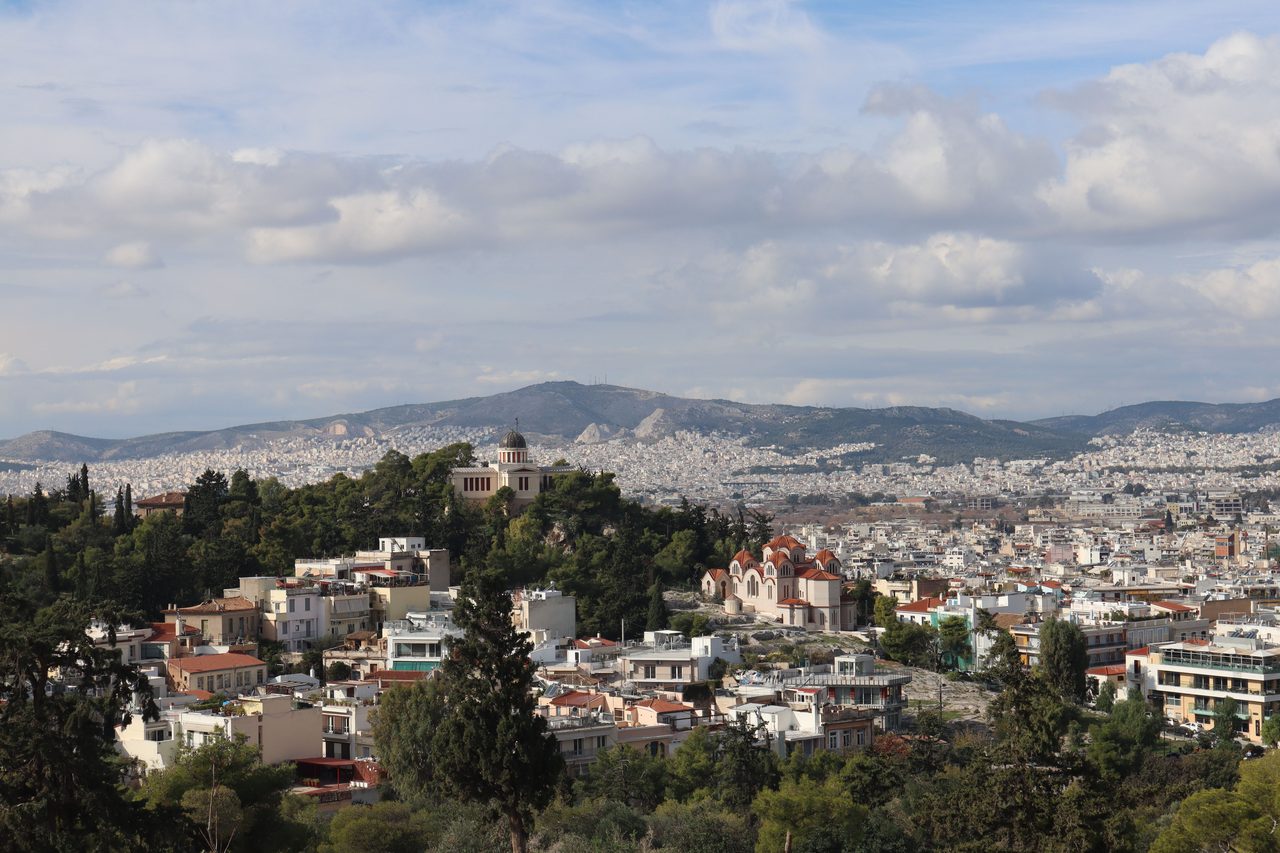
Central Greece (Στερεά Ελλάδα) is the heartland of Western civilization, encompassing the mythic landscapes of Delphi, the heroic pass of Thermopylae, the sacred slopes of Mount Parnassus, and the verdant island of Euboea. The region spans five regional units — Boeotia, Euboea, Evrytania, Phocis, and Phthiotis — ranging from alpine ski resorts above 2,400 m to Aegean shores and the dense forests of Evrytania. Visitors explore UNESCO-listed Byzantine monasteries, walk ancient oracle roads, and eat lamb slow-roasted over beechwood in mountain tavernas largely untouched by mass tourism.
Central Greece serves as both a gateway to antiquity and an underrated wilderness destination. The Parnassus ski resort draws winter crowds to Arachova, while Delphi's archaeological site ranks among Greece's most visited ruins year-round. The Euboean coastline offers beaches rivaling the Aegean islands without the ferry queues. Evrytania — known as the 'Switzerland of Greece' — rewards hikers and white-water rafters with gorges and virgin forests. Regional capital Lamia provides a comfortable base with good transport links to Athens (2.5 hours by car on the E75 motorway) and Thessaloniki.
The 21 destinations our editors recommend — from iconic landmarks to under-the-radar finds.
Archaeological Site of Delphi
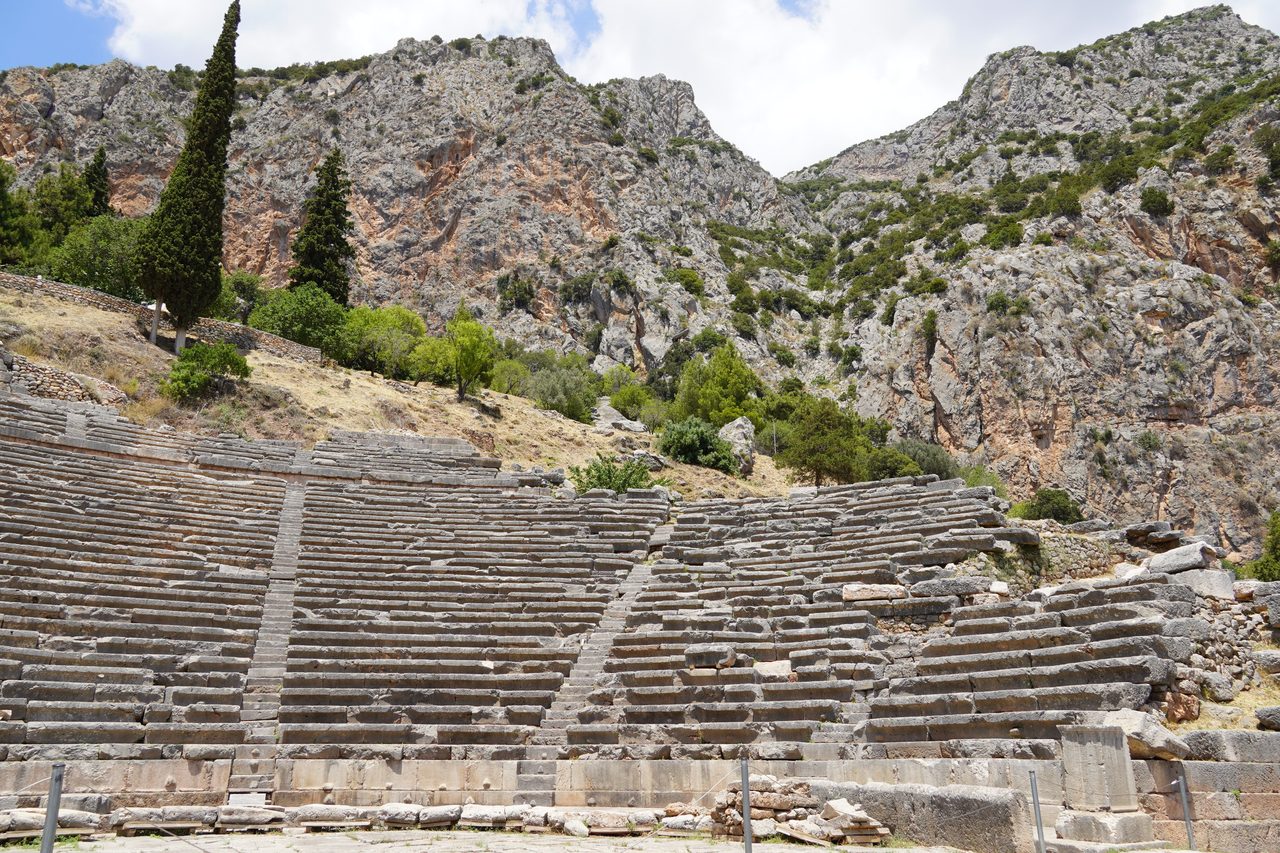
This was the sanctuary of Apollo where the ancient world's most consulted oracle delivered cryptic pronouncements, drawing pilgrims and city-states seeking guidance on wars and colonization. The site climbs the slope of Mount Parnassus and includes the Sacred Way lined with the ruined treasuries that city-states built to store offerings, the Temple of Apollo, and a well-preserved theatre and stadium higher up the hill. Walking the full circuit from the lower gymnasium to the stadium at the top takes a couple of hours and involves a steady uphill climb on uneven stone paths.
Delphi Archaeological Museum
The museum houses the finds excavated from the sanctuary above it, including the bronze Charioteer of Delphi, one of the few surviving large bronze statues from classical Greece, and the carved friezes from the Siphnian Treasury. Its collection spans from the archaic period through Roman times, tracing how the sanctuary's art and offerings changed over centuries of continuous use. The galleries are organized roughly chronologically, so a walk through also traces the sanctuary's evolution.
Thermopylae Pass & Leonidas Monument
This is the narrow coastal pass where a small Greek force under the Spartan king Leonidas held off the much larger Persian army in 480 BC before being outflanked and annihilated. A bronze statue of Leonidas stands at the site along with an inscribed monument, and a low hill nearby, known as Kolonos, is traditionally identified as the last stand of the defenders. The coastline has silted up considerably since antiquity, so the sea that once hemmed in the pass is now some distance away.
Osios Loukas Monastery
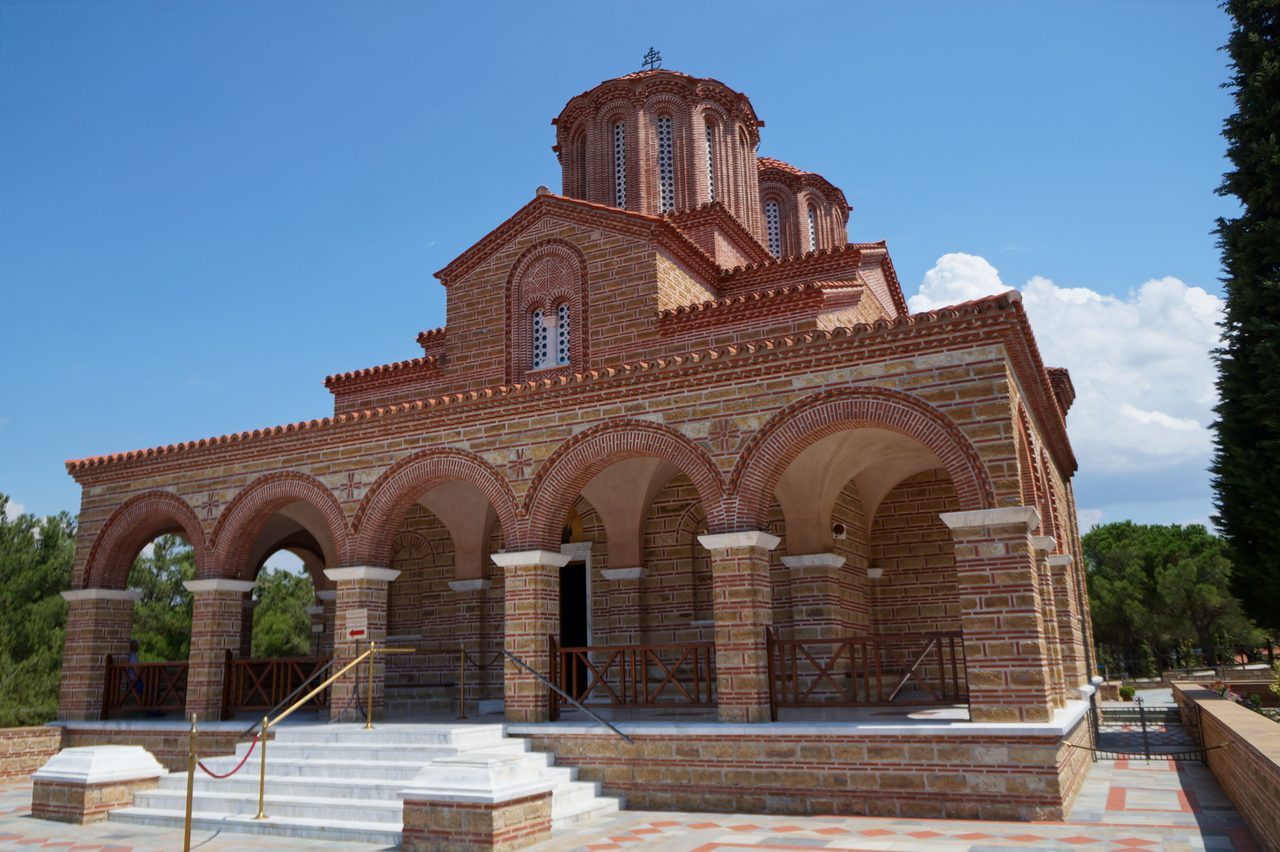
This Byzantine monastery, a UNESCO World Heritage Site, is known for its katholikon church covered in mosaics and marble revetment dating largely from the 11th century, among the finest surviving examples of middle Byzantine church decoration in Greece. The complex also includes a second, older church and a crypt beneath the main katholikon holding the tomb of the hermit Loukas the monastery is named for. A handful of monks still live and worship there, so parts of the site remain an active religious community rather than a pure museum.
Arachova Village
Arachova is a stone-built mountain village on the slopes of Parnassus, close enough to Delphi that many visitors base themselves here overnight, and it doubles as the apres-ski hub for the nearby Parnassos ski centre in winter. The main street is lined with shops selling local wool textiles, cheese, and honey, and the village's tiered houses climb steeply up the hillside above it. Outside ski season it functions as a quieter overnight stop for people touring Delphi and the surrounding region.
Chalcis Euripus Strait
At Chalkida the Euripus Strait narrows to a channel only a few dozen metres wide, and the tidal current here reverses direction several times a day in a pattern that puzzled ancient observers, including Aristotle by later tradition. The Euripus Bridge, a sliding bridge over the strait, opens to let boats through, and the swirling current beneath it is visible from the bridge itself or the promenades on either bank. The phenomenon has made the strait a minor object of scientific curiosity for centuries because the tidal reversals don't follow a simple, easily predicted lunar pattern.
Recommended itineraries
Pick a length, follow the route. Each itinerary balances headline sights with breathing room.
5-Day Central Greece Explorer
Day 1Arrive in Central Greece, explore city center
Day 2Visit top attractions and museums
Day 3Day trip to nearby highlights
Day 4Local markets and hidden gems
Day 5Final sightseeing, departure
7-Day Classic Central Greece
Days 1-2Central Greece city highlights
Days 3-4Regional exploration
Days 5-6Cultural immersion and local experiences
Day 7Return and departure
14-Day Ultimate Central Greece
Days 1-3Central Greece comprehensive city tour
Days 4-6Northern region exploration
Days 7-9Eastern highlights
Days 10-12Southern attractions
Days 13-14Return to Central Greece, departure
Where to stay in Central Greece
Three tiers, every traveller covered — from cost-conscious to flagship hotels.
Budget €40–€100 (~$44–$110)
Hostels, budget hotels, and guesthouses offer affordable stays without sacrificing experience.
Mid-range €150–€270 (~$165–$297)
Boutique hotels and well-located accommodations provide comfort and convenience at reasonable prices.
Luxury €310–€630 (~$341–$693)
World-class resorts and premium hotels deliver unforgettable experiences.
Central Greece is best explored by rental car. The E75 motorway (Athens–Thessaloniki) bisects the region and provides fast access to Lamia. KTEL bus services connect Athens to Lamia (2.5 hr, €17/~$19), Delphi (3 hr, €14/~$15), and Chalkida (1.5 hr, €6.50/~$7). The Chalkida rail line runs from Athens Larissa Station several times daily (1.5 hr, €6/~$7). Ferries cross from Arkitsa to Loutra Aidipsou in Euboea (45 min, €3.50/~$4 per person). Car rental from Athens Airport starts at €35/day (~$39).
Budget breakdown
Daily spend by tier in EUR, broken out by category.
Category
Budget
Mid-range
Luxury
Accommodation
€20–€40 (~$22–$44) hostel or budget guesthouse
€70–€120 (~$77–$132) 3-star hotel
€150–€300 (~$165–$330) boutique hotel or spa resort
Food (per day)
€15–€25 (~$17–$28) two meals at tavernas
€30–€50 (~$33–$55) mix of tavernas and restaurants
€60–€100 (~$66–$110) fine dining
Transportation
€5–€15 (~$6–$17) local buses
€30–€50 (~$33–$55) rental car per day
€50–€80 (~$55–$88) premium rental or private transfer
Activities
€0–€20 (~$0–$22) site admissions
€20–€50 (~$22–$55) guided tours and sites
€50–€150 (~$55–$165) private tours
Daily total
€40–€100 (~$44–$110)
€150–€270 (~$165–$297)
€310–€630 (~$341–$693)
Best time to visit Central Greece
Weather through the year in Greece
Best timeShoulderWorth avoiding
Average daytime temperature in °C. Figures are for Greece.
Spring brings wildflowers around Delphi and Parnassus. Autumn colors in Evrytania (October) rival alpine scenery. Arachova ski season runs roughly December–April depending on snowfall.
Essential travel tips
A rental car unlocks the region — KTEL buses only reach major towns on fixed schedules
Combine Delphi (Phocis) with Osios Loukas (Boeotia) in one day — they're 40 km apart
Book Arachova accommodation well ahead for ski weekends (December–March)
Ferries from Arkitsa to Loutra Aidipsou run hourly 07:00–22:00; no reservation needed for foot passengers
Most archaeological sites are closed on Mondays — plan visits on Tuesday–Sunday
Hidden gems
Off-the-beaten-path corners most travellers miss.
Galaxidi Fishing Village
A perfectly preserved 19th-century maritime town on the Corinthian Gulf with neoclassical mansions and excellent seafood tavernas.
Galaxidi, Phocis
Prokopi Village & St. John the Russian
A quiet Euboean village hosting the relics of St. John the Russian — pilgrims mix with hikers exploring forested valleys.
Prokopi, Euboea
Loutraki Thermal Springs of Evia
Greece's most celebrated thermal spa town with 80°C springs flowing into the sea — a 19th-century resort beloved by Aristotle Onassis.
Loutra Aidipsou, Euboea
Safety information
INFO
Carry water and sun protection when visiting archaeological sites — shade is limited
INFO
Check weather forecasts before hiking on Parnassus (storm risk May–September)
INFO
Drive carefully on the winding mountain roads of Evrytania
INFO
Emergency number in Greece: 112 (all services); 100 (police); 166 (ambulance); 199 (fire)
Frequently asked questions
Is Central Greece safe to visit in 2026?
Central Greece presents minimal risk to travelers. Violent crime is extremely rare. Petty theft targeting tourists (pickpocketing, bag snatching) is virtually absent outside of Chalkida's busier streets. The main risks are environmental: mountain weather changes rapidly on Parnassus, forest fires oc
What is the best time to visit Central Greece?
The best time to visit Central Greece is April–June and September–October. Central Greece spans three distinct climate zones: a Mediterranean coastal climate along the Gulf of Corinth and the Euboean coast (hot dry summers, mild wet winters); a continental highland climate i
What currency is used in Central Greece?
The currency in Central Greece is the Euro (EUR). ATMs are widely available in cities and tourist areas. Credit cards are accepted at most hotels and restaurants, but carry cash for markets and smaller establishments.
What language is spoken in Central Greece?
The main language(s) spoken in Central Greece: Greek. In tourist areas, English is generally understood. Learning a few basic phrases in the local language is appreciated by locals.
What are the top attractions in Central Greece?
The top attractions in Central Greece include Archaeological Site of Delphi, Delphi Archaeological Museum, Thermopylae Pass & Leonidas Monument, Osios Loukas Monastery, and Arachova Village. Each offers a unique experience, from historic landmarks to natural wonders.