INFO
Always swim at designated beaches with lifeguard coverage and observe colored flag warnings — red means do not swim, yellow means caution, green means safe conditions.
INFO
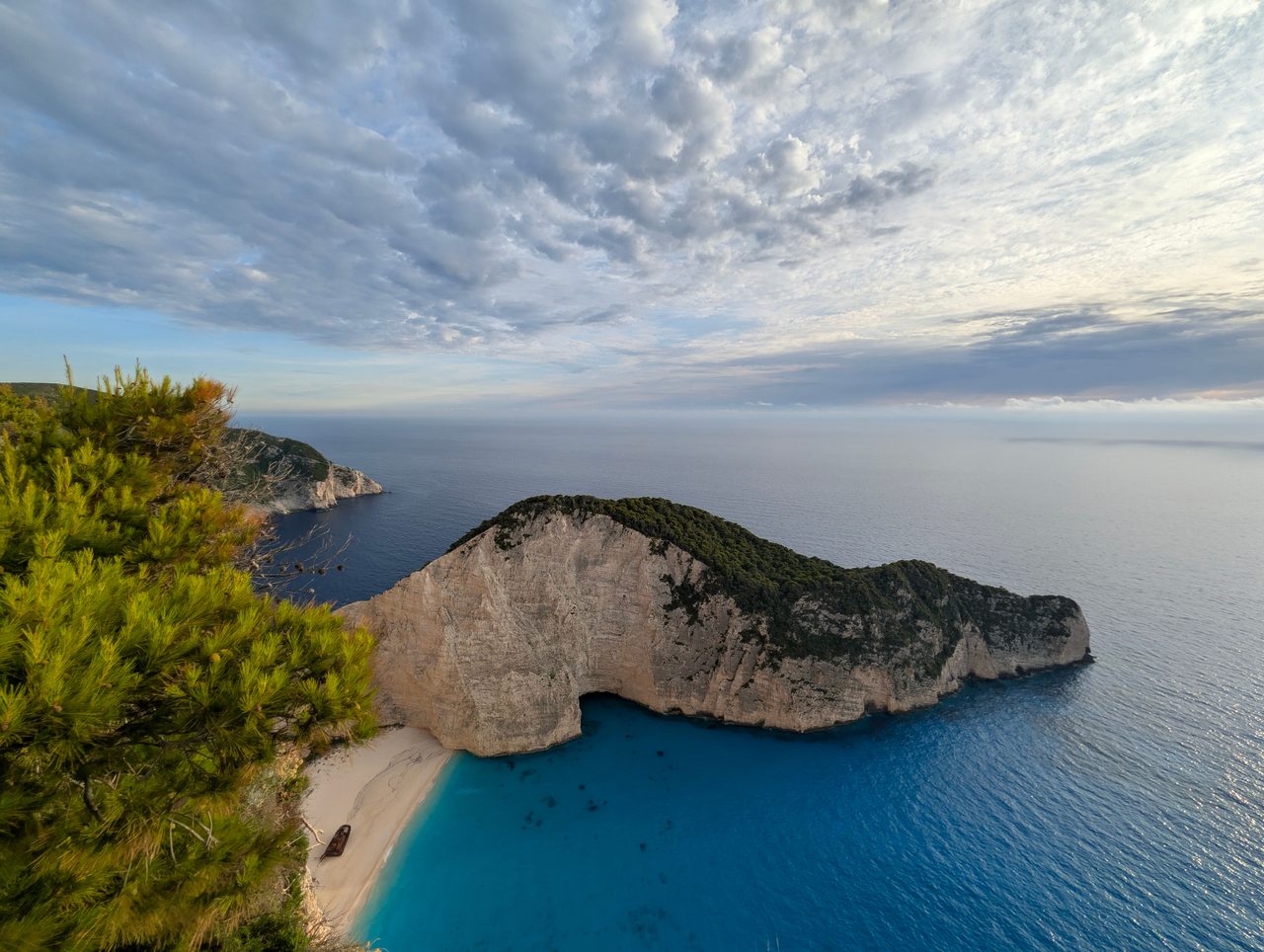
Strong currents and waves can be present at Myrtos Beach and Navagio Beach despite their beauty — check conditions before entering the water and do not swim if waves are large.
INFO
When taking boat trips to sea caves or Navagio Beach, only use reputable licensed tour operators with proper safety equipment onboard.
INFO
Apply high-factor sunscreen (SPF 30 minimum) every 2 hours, especially between 11AM and 3PM when UV levels are most intense in summer. The Ionian sun is very strong from June through August.
INFO
Drink at least 2-3 liters of water per day in summer to prevent dehydration. Carry a reusable water bottle and refill it regularly.
INFO
Wear a hat, sunglasses, and light loose clothing during midday hours. Heatstroke can be serious — seek shade and cool spaces during peak afternoon heat.
INFO
Greek roads in the Ionian Islands can be narrow, winding, and poorly lit. Drive carefully, especially on mountain roads in Kefalonia and Corfu. Mopeds and scooters account for a significant proportion of tourist accidents.
INFO
Always wear a helmet when riding a scooter or moped — it is both legally required and essential for safety. Check your rental vehicle thoroughly before accepting it.
INFO
Many road signs are in Greek script only in rural areas. Download offline maps (Google Maps or Maps.me) before venturing into the countryside.
INFO
Petty theft (pickpocketing, bag snatching) can occur in crowded tourist areas, busy markets, and at airports. Keep valuables secure in a money belt or hotel safe.
INFO
Avoid leaving bags, phones, or valuables visible in rental cars or unattended on beaches. Use lockers at beaches where available.
INFO
Only use official licensed taxis. Agree on a fare before getting in, or ensure the meter is running. Unofficial taxi operators at airports can overcharge.
INFO
Loggerhead sea turtles nest on beaches in Zakynthos from June to August. Respect all marine park regulations: do not approach turtles, use no lights on nesting beaches at night, and do not disturb nesting areas.
INFO
Sea urchins are common on rocky shores. Wear water shoes when entering the sea over rocks to avoid painful injuries.
INFO
EU visitors should carry a European Health Insurance Card (EHIC) for access to state healthcare. Non-EU visitors should ensure they have comprehensive travel insurance with medical coverage.
INFO
Mosquitoes can be a nuisance in summer, especially near wetlands and forests. Use repellent, especially at dawn and dusk. No malaria risk exists in the Ionian Islands.
INFO
The Ionian Islands lie in an active seismic zone. Major earthquakes are rare but tremors are felt occasionally. In the event of an earthquake, move to open ground away from buildings and follow local guidance.
INFO
Forest fires can occur during the hot, dry summer months. Do not start fires in the countryside, dispose of cigarettes carefully, and follow any wildfire alerts from local authorities.
INFO
In busy nightlife areas like Laganas on Zakynthos, drink responsibly. Never accept drinks from strangers, and use pre-arranged taxis or reputable ride services to return to your accommodation.
INFO
When visiting churches and monasteries, dress modestly — cover shoulders and knees. Shoulders and short clothing are not permitted inside Orthodox religious sites.