North Aegean · 20 Places · Best May–June and September–October
North Aegean
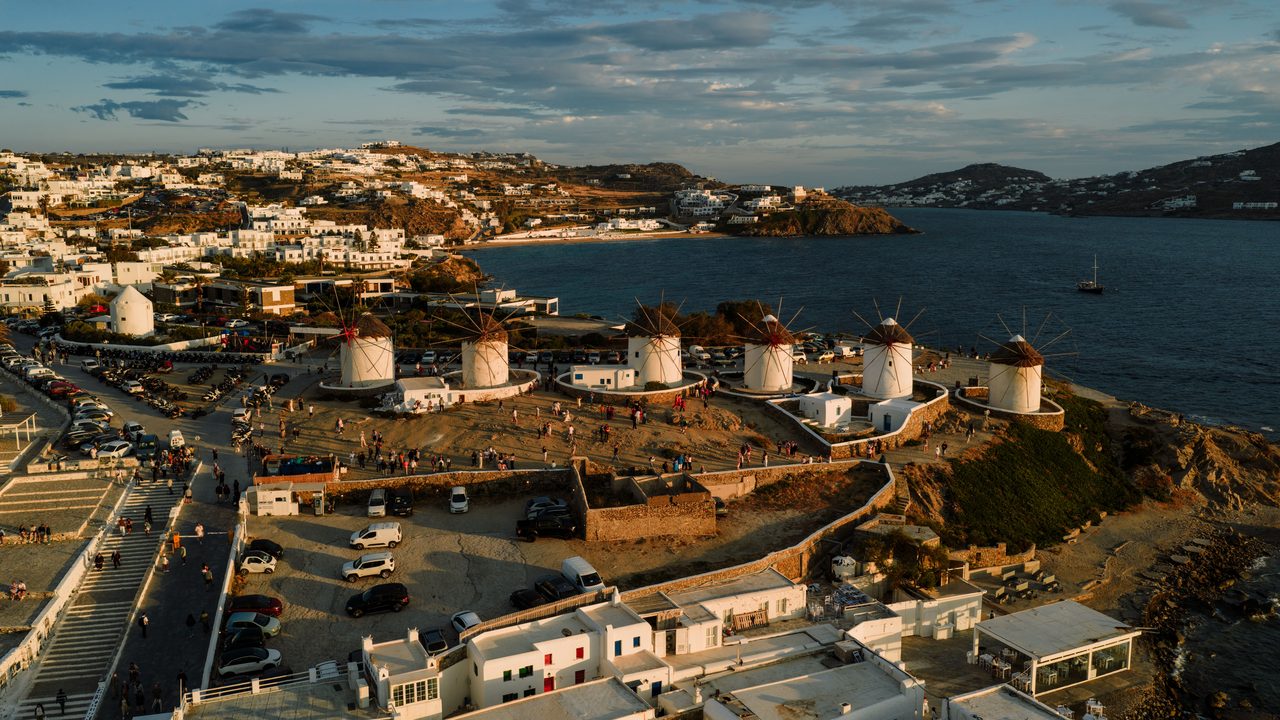
The North Aegean is Greece's most authentically Greek island region, a scattered archipelago of forested mountains, medieval stone villages, Byzantine monasteries, and crystalline bays stretching along Turkey's western coast. Lesbos, Chios, Samos, Ikaria, and Lemnos each carry distinct identities shaped by centuries of Greek, Byzantine, Ottoman, and ancient civilisation.
The North Aegean spans seven main inhabited islands — Lesbos, Chios, Samos, Ikaria, Lemnos, Agios Efstratios, and Psara — each preserving a fiercely individual character. Lesbos, the region's capital island, produces some of the world's finest ouzo and olive oil in an interior of silver-green olive groves and pine forests stretching between fishing villages and the petrified forest at Sigri. Chios is famous for mastic production, a resin unique to the island's southern villages, and harbours one of Greece's most extraordinary medieval settlements, the Mastichochoria. Samos offers the Heraion, a UNESCO World Heritage Site dedicated to the goddess Hera, and was birthplace of the mathematician Pythagoras. Ikaria is celebrated for the extraordinary longevity of its population and its free-spirited festivals called panygiria. Lemnos brings volcanic landscapes and important Bronze Age archaeology at Poliochni. The region sees fewer international visitors than the Cyclades or Dodecanese, preserving an authenticity rare in Greek island tourism.
The 20 destinations our editors recommend — from iconic landmarks to under-the-radar finds.
Heraion of Samos (UNESCO)
This was the sanctuary of Hera on the site Samian myth held as her birthplace, and the temple built here by the architects Rhoikos and Theodoros in the 6th century BC ranked among the largest in the Greek world, rivaling the Artemision at Ephesus. What survives now is mostly column drums, foundations, and a single standing column rising from the flat coastal plain near the Imbrasos river.
Chios Mastichochoria Villages
The Mastichochoria are the cluster of villages in southern Chios, including Pyrgi, Mesta, and Olympoi, that grew wealthy from cultivating mastic gum, a resin tapped from Pistacia lentiscus trees that grow productively in this microclimate and almost nowhere else. Mesta was laid out as a defensive maze of narrow, covered lanes to protect against pirate raids, while Pyrgi is known for xysta, the grey-and-white geometric patterns scratched into house facades.
Lesbos Petrified Forest
This is a landscape of fossilized tree trunks, some still standing where they grew, created when volcanic ash and lava buried a subtropical forest here roughly 20 million years ago. It's the core feature of the Lesbos UNESCO Global Geopark and one of the few places anywhere to see fossilized wood in its original standing position rather than as loose specimens.
Pythagoreion (Ancient Samos Town)
Pythagoreion sits on the site of the ancient capital of Samos, renamed for its native son Pythagoras, and preserves remains from the harbor town that flourished under the 6th-century BC tyrant Polycrates, including Roman baths and an early Christian basilica. The hilltop castle of Lykourgos Logothetis, built over older fortifications, overlooks the small harbor and was used as a stronghold during the 1821 Greek uprising.
Nea Moni Monastery, Chios
Founded in the mid-11th century by the Byzantine emperor Constantine IX Monomachos, Nea Moni's katholikon holds gold-ground mosaics from the same artistic tradition as Daphni and Hosios Loukas, making it one of the three major surviving mosaic cycles from that period in Greece. A small ossuary near the entrance holds the remains of villagers killed here during the 1822 massacre of Chios, giving the site a second, somber layer of history.
Mytilini Castle (Kastro)
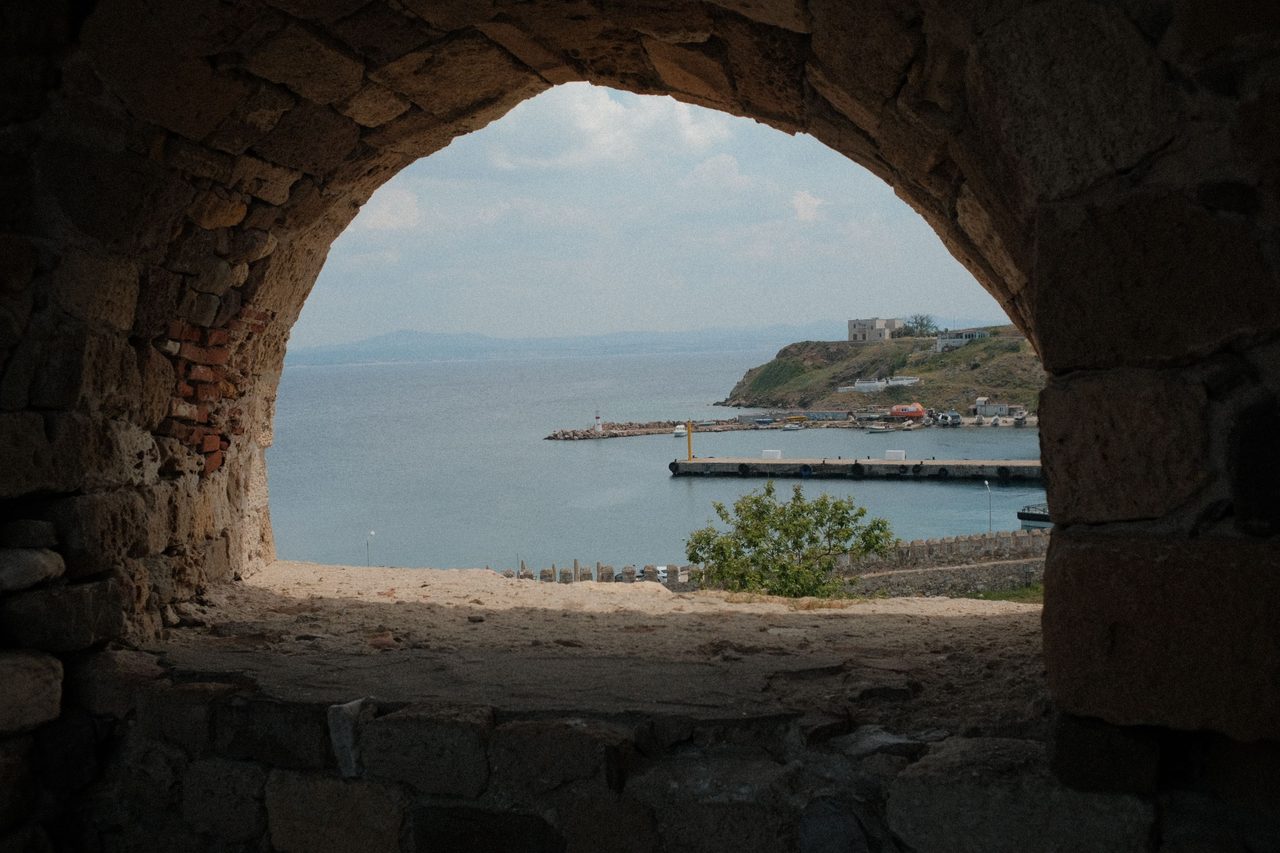
Overlooking Mytilene's harbor, this is one of the larger castles in the Aegean, built on Byzantine foundations and substantially expanded in the 14th century by the Genoese Gattilusi family, then further modified under Ottoman rule. Its scale reflects Lesbos's importance as a maritime and defensive stronghold rather than a simple hilltop lookout.
Recommended itineraries
Pick a length, follow the route. Each itinerary balances headline sights with breathing room.
5-Day North Aegean Explorer
Day 1Arrive in North Aegean, explore city center
Day 2Visit top attractions and museums
Day 3Day trip to nearby highlights
Day 4Local markets and hidden gems
Day 5Final sightseeing, departure
7-Day Classic North Aegean
Days 1-2North Aegean city highlights
Days 3-4Regional exploration
Days 5-6Cultural immersion and local experiences
Day 7Return and departure
14-Day Ultimate North Aegean
Days 1-3North Aegean comprehensive city tour
Days 4-6Northern region exploration
Days 7-9Eastern highlights
Days 10-12Southern attractions
Days 13-14Return to North Aegean, departure
Where to stay in North Aegean
Three tiers, every traveller covered — from cost-conscious to flagship hotels.
Budget 58-105
Hostels, budget hotels, and guesthouses offer affordable stays without sacrificing experience.
Mid-range 135-245
Boutique hotels and well-located accommodations provide comfort and convenience at reasonable prices.
Luxury 310-730
World-class resorts and premium hotels deliver unforgettable experiences.
Cafés, neighbourhood gems, and tasting menus worth the table reservation.
Averof Restaurant
Greek seafood & mezedes · $$
Hotzas Taverna
Traditional Greek · $$
One of the oldest continuously running tavernas in Chios town, operated by the same family for multiple generations out of a modest building with a courtyard used for outdoor seating in warmer months. The kitchen sticks to a short, handwritten menu that changes with what's available rather than offering a full printed list, drawing on old Chiot home-cooking recipes rather than restaurant-style plating.
Flights and ferries connect the islands to Athens; car hire is essential for island exploration.
Budget breakdown
Daily spend by tier in EUR, broken out by category.
Category
Budget
Mid-range
Luxury
Accommodation
25-45
70-130
160-400
Food (per day)
20-30
35-55
70-150
Transportation
8-15
15-30
40-80
Activities
5-15
15-30
40-100
Daily total
58-105
135-245
310-730
Best time to visit North Aegean
Weather through the year in Greece
Best timeShoulderWorth avoiding
Average daytime temperature in °C. Figures are for Greece.
Spring (May–June) offers wildflowers, bird migration on Lesbos, and pleasant temperatures without peak crowds. Autumn (September–October) sees warm seas, grape and olive harvests, and excellent hiking conditions.
Essential travel tips
Book ferry tickets at least 2 weeks ahead in July and August.
Rent a car on each island — public buses are infrequent outside main towns.
Learn a few words of Greek; English is less widely spoken here than in the Cyclades.
Carry cash — ATMs exist in main towns but not in remote villages.
Ouzo is drunk slowly with water and ice as an aperitif, not as a shot.
Hidden gems
Off-the-beaten-path corners most travellers miss.
Volissos Village, Chios
A hilltop stone village with a Byzantine castle, claimed as Homer's birthplace, and largely unknown to tourists.
Eftalou Thermal Baths, Lesbos
A crumbling 19th-century Ottoman bathhouse with a thermal pool right on the shore near Molyvos. Entry €5 (~$5.45).
Fournoi Islands
A tiny archipelago between Samos and Ikaria with excellent seafood, almost no tourists, and pristine swimming coves. Regular ferry from Ikaria.
Agia Paraskevi, Lesbos
Village famous for the annual bull race (Agios Charalampos festival, February) — a uniquely Lesbian tradition.
Kalloni Salt Pans, Lesbos
Internationally renowned birdwatching site attracting rare flamingos, waders, and raptors — best April to May.
Safety information
INFO
Carry the European emergency number 112 in your phone — it works across the region.
INFO
Inform someone of your plans before hiking remote trails on Ikaria or the Lesbos interior.
INFO
Carry travel insurance with helicopter evacuation coverage — smaller islands have limited medical facilities.
INFO
Road conditions in mountain areas (especially Ikaria) can be challenging — drive cautiously on hairpin bends.
INFO
Respect the sea conditions — the meltemi wind creates rough surf that looks calm from shore but has dangerous currents.
INFO
Keep a photocopy of your passport separate from the original.