Delhi, India's sprawling capital territory, is a city where ancient monuments stand beside ultramodern malls and Mughal gardens shadow gleaming corporate towers. As one of the world's most populous cities, Delhi offers an intoxicating blend of history spanning 3,000 years, from Iron Age settlements to British colonial architecture. The city serves as the political, cultural, and commercial heart of India, drawing millions of visitors annually to its UNESCO World Heritage Sites, vibrant street food scene, and legendary bazaars.
Delhi is India's National Capital Territory, a megacity straddling the Yamuna River and encompassing the seat of Indian government at New Delhi. The city's layered history includes ruins from seven successive cities, each built by different rulers across millennia. Modern Delhi is a dynamic blend of ancient heritage and contemporary India, offering world-class museums, Michelin-quality restaurants, designer boutiques, and some of Asia's most dramatic historic monuments.
The 27 destinations our editors recommend — from iconic landmarks to under-the-radar finds.
Red Fort (Lal Qila)
Built by Mughal Emperor Shah Jahan in 1638, Red Fort served as the main residence of Mughal emperors for over 200 years. The massive red sandstone fortress contains palaces, halls of audience, and beautiful gardens, and hosts the annual Independence Day flag-hoisting ceremony. A UNESCO World Heritage Site, it remains one of Delhi's most iconic landmarks.
Qutub Minar
A soaring 73-meter minaret of red sandstone and marble, Qutub Minar is the world's tallest brick minaret and the centerpiece of the Qutb complex, a UNESCO World Heritage Site. Built in the 12th century by Qutb ud-Din Aibak to mark the beginning of Muslim rule in India, the complex also contains the Quwwat ul-Islam mosque and the enigmatic Iron Pillar that has resisted corrosion for 1,600 years.
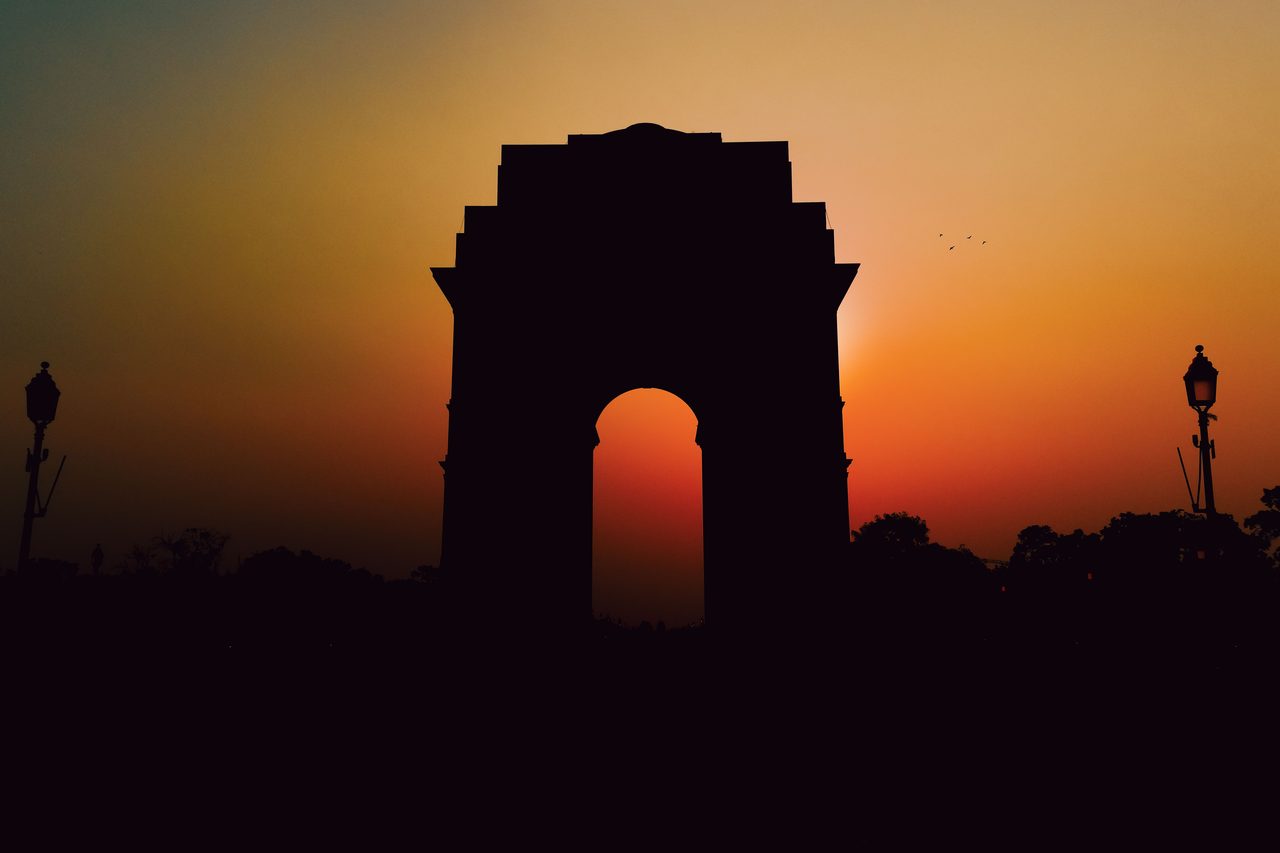
India Gate
India Gate is a 42-meter war memorial standing at the end of Rajpath (now Kartavya Path), designed by Edwin Lutyens and dedicated to 84,000 Indian soldiers who died in World War I. The eternal flame of Amar Jawan Jyoti burns at its base in honor of fallen soldiers. It is the most visited monument in Delhi and surrounded by lush lawns perfect for evening strolls.
Humayun's Tomb
Commissioned by Humayun's widow Hamida Banu Begum in 1565, this magnificent Mughal mausoleum set in a formal garden was the inspiration for the Taj Mahal. The double-domed structure of red sandstone and white marble is a masterpiece of Mughal architecture and a UNESCO World Heritage Site. The complex houses the tombs of numerous Mughal royals and was India's first garden-tomb.
Lotus Temple
The Baha'i House of Worship, popularly known as the Lotus Temple, is a stunning architectural masterpiece shaped like a blooming lotus flower with 27 free-standing marble-clad petals. Designed by Iranian-Canadian architect Fariborz Sahba and completed in 1986, it welcomes visitors of all religions for prayer and meditation. It is one of the most visited buildings in the world.
Akshardham Temple
Opened in 2005, Swaminarayan Akshardham is a breathtaking Hindu temple complex covering 100 acres and featuring an intricately carved pink sandstone and white marble monument. The central monument stands 43 meters tall and is adorned with 234 ornate pillars, 9 domes, and 20,000 statues. The complex includes exhibitions, a musical fountain show, and a boat ride through 10,000 years of Indian history.
Recommended itineraries
Pick a length, follow the route. Each itinerary balances headline sights with breathing room.
5-Day Delhi Explorer
Day 1Arrive in Delhi, explore city center
Day 2Visit top attractions and museums
Day 3Day trip to nearby highlights
Day 4Local markets and hidden gems
Day 5Final sightseeing, departure
7-Day Classic Delhi
Days 1-2Delhi city highlights
Days 3-4Regional exploration
Days 5-6Cultural immersion and local experiences
Day 7Return and departure
14-Day Ultimate Delhi
Days 1-3Delhi comprehensive city tour
Days 4-6Northern region exploration
Days 7-9Eastern highlights
Days 10-12Southern attractions
Days 13-14Return to Delhi, departure
Where to stay in Delhi
Three tiers, every traveller covered — from cost-conscious to flagship hotels.
Budget $20-30
Hostels, budget hotels, and guesthouses offer affordable stays without sacrificing experience.
Mid-range $60-100
Boutique hotels and well-located accommodations provide comfort and convenience at reasonable prices.
Luxury $200-500
World-class resorts and premium hotels deliver unforgettable experiences.
The Leela Palace New Delhi
Chanakyapuri · $$$$
An opulent palace-style hotel in the diplomatic enclave of Chanakyapuri, The Leela Palace offers legendary hospitality with lavish rooms, multiple award-winning restaurants, and a magnificent spa. The hotel's regal decor blends Indian craftsmanship with modern luxury, making it a favorite of heads of state and discerning travelers. The rooftop pool and Le Cirque Signature restaurant are highlights.
A legendary 1936 colonial-era hotel on Janpath, The Imperial is Delhi's grandest heritage property, combining art deco elegance with Mughal influences. Its collection of 5,000 artworks spanning the colonial period is unrivaled in any hotel worldwide. The 1911 bar, Spice Route restaurant, and pristine palm-lined pool make it a Delhi institution beloved by dignitaries and discerning travelers for nearly a century.
ITC Maurya is one of Delhi's most prestigious addresses, home to the legendary Bukhara restaurant - rated one of Asia's 50 best restaurants. The hotel's Mauryan-inspired architecture, world-class spa, and impeccable service have made it a favorite of visiting heads of state, including US Presidents Bill Clinton and Barack Obama. The Dum Pukht restaurant offering Awadhi cuisine is equally acclaimed.
The Taj Mahal Hotel on Mansingh Road opened in 1978 and remains one of Delhi's finest luxury addresses, offering elegant rooms overlooking the garden pool, multiple acclaimed restaurants including Varq for contemporary Indian cuisine, and the lively Machan restaurant. Located steps from Khan Market, India Gate, and Lodi Garden, the hotel's central yet tranquil position is ideal for exploring the best of New Delhi.
Cafés, neighbourhood gems, and tasting menus worth the table reservation.
Indian Accent
Modern Indian · $$$$
Consistently ranked among Asia's 50 Best Restaurants, Indian Accent at The Lodhi hotel is Delhi's most celebrated fine dining establishment. Chef Manish Mehrotra reinvents Indian cuisine with global techniques and locally sourced ingredients, creating dishes like blue cheese naan, daulat ki chaat, and meetha achaar pork ribs. The warm, intimate dining room and impeccable service make every meal memorable.
Bukhara
North-West Frontier / Tandoori · $$$$
Opened in 1978 at ITC Maurya hotel, Bukhara is one of Asia's most legendary restaurants, serving slow-cooked frontier cuisine with recipes virtually unchanged for 45 years. The restaurant is famous worldwide for its Dal Bukhara (black lentils simmered for 18 hours), Sikandari Raan (marinated leg of lamb), and spectacular tandoori preparations. US Presidents, the Clintons, and Obamas have dined here.
Dum Pukht
Awadhi (Lucknowi) · $$$$
Dum Pukht at ITC Maurya is the definitive destination for Awadhi cuisine in Delhi, specializing in the ancient dum (sealed slow-cooking) technique where dishes are cooked in sealed pots over gentle heat. The gilded, regal dining room evokes the courts of Lucknow nawabs, and each dish on the menu is an heirloom recipe. The biryani, gosht dum pukht, and khameeri roti are extraordinary.
Varq
Contemporary Indian · $$$$
Located in the Taj Mahal Hotel, Varq (meaning a thin leaf of precious metal used in Indian sweets) serves contemporary Indian cuisine in an elegant setting that draws on traditions from across the subcontinent. The menu changes seasonally to reflect the best local ingredients, with preparations spanning coastal seafood to Mughal-influenced meat dishes and innovative vegetarian offerings.
Threesixtyone Degrees
International / Multi-cuisine · $$$$
Threesixtyone Degrees at The Oberoi New Delhi is a spectacular all-day dining restaurant with a theatrical open kitchen, in-house bakery, and a sweeping menu covering Indian, Continental, Japanese, and Mediterranean cuisines. The Sunday brunch at Threesixtyone is considered one of Delhi's finest, with live cooking stations, unlimited champagne, and an extraordinary spread of international cuisine.
Karim's
Mughlai · $
Established in 1913 near Jama Masjid, Karim's is arguably Old Delhi's most famous restaurant, serving authentic Mughal-era recipes passed down through generations of the Karim family, descendants of cooks who served the Mughal court. The no-frills establishment is legendary for its mutton korma, seekh kebabs, nihari, and nalli (marrow) curry, drawing locals and tourists from around the world.
Delhi has one of Asia's most extensive public transport networks, anchored by the Delhi Metro's 9 color-coded lines covering over 256 stations across the National Capital Region. Auto-rickshaws and cycle-rickshaws handle last-mile connectivity, while ride-hailing apps Uber and Ola offer metered, air-conditioned alternatives. The city's Indira Gandhi International Airport connects to the metro via the Airport Express Line.
Delhi Metro
9 color-coded lines, 256 stations covering most of Delhi and NCR. Runs 6AM-11PM daily, very reliable and air-conditioned. Smart Card offers 10% discount on all fares.
Cost: $0.12–$0.72 per ride
Auto-Rickshaw
Three-wheeled tuk-tuks available everywhere. Use metered autos or Ola/Uber app-hail for fair pricing. Metered autos start at ₹25 base fare.
Cost: $0.60–$2.50 for short trips
Cycle-Rickshaw
Best for Old Delhi's narrow lanes around Chandni Chowk and Jama Masjid area. Negotiate fare before boarding.
Cost: $0.40–$1.20 per trip
Uber/Ola
App-based ride-hailing with fixed pricing. Uber Auto and Ola Auto are cheapest; Uber Mini and Ola Mini for AC cars. No bargaining needed.
Cost: $1.20–$6 within city
DTC Bus
Delhi Transport Corporation buses cover extensive routes across the city. AC and non-AC options available. Slow in traffic but cheapest option.
Cost: $0.06–$0.30 per journey
Airport Express Metro
Direct orange line metro link from New Delhi Metro Station to Terminal 3 (IGI Airport) in just 19 minutes. Separate platform at New Delhi station.
Cost: $0.72 one way
Pre-paid Taxi (Airport)
Government-authorized pre-paid taxi counters at all airport terminals. Fixed fares to major areas with no bargaining required.
Cost: $5–$10 to city center
E-Rickshaw
Electric three-wheelers common in residential areas and near metro stations for last-mile connectivity. Shared or private.
Cost: $0.25–$0.60 per trip
Budget breakdown
Daily spend by tier in , broken out by category.
Category
Budget
Mid-range
Luxury
Accommodation
$8-15
$30-60
$150-400
Food (per day)
$5-8
$15-25
$60-100
Transportation
$2-4
$8-12
$25-50
Activities
$3-5
$7-10
$15-30
Daily total
$20-30
$60-100
$200-500
Best time to visit Delhi
Weather through the year in India
Best timeShoulderWorth avoiding
Average daytime temperature in °C. Figures are for India.
Essential travel tips
Buy a Delhi Metro Tourist Card for unlimited rides
Visit monuments early morning to avoid heat and crowds
Carry a scarf to cover shoulders at religious sites
Use Ola or Uber instead of negotiating with auto-rickshaws
Hidden gems
Off-the-beaten-path corners most travellers miss.
Sanjay Van
A 784-acre urban forest in South Delhi with walking trails passing through Aravalli scrub forest. Contains ruins of a 14th-century mosque and is a birding hotspot with 110+ species.
Vasant Kunj, South Delhi
Feroz Shah Kotla Fort
The ruined 14th-century fortress of Sultan Feroz Shah Tughluq, containing an Ashokan pillar inscribed with Emperor Ashoka's edicts from 300 BCE. Every Thursday, Delhiites come to leave offerings for djinn believed to inhabit the ruins.
Bahadur Shah Zafar Marg, Near ITO, New Delhi
Rajpath (Kartavya Path) Dawn Walk
Delhi's grand ceremonial boulevard from Rashtrapati Bhavan to India Gate is stunning at dawn, with mist over the lawns, joggers, and golden light illuminating the monuments. Almost no tourists.
Rajpath, New Delhi
Safety information
INFO
Download the AQI India app and check Delhi's air quality index daily; on days above AQI 200, wear an N95 or N99 mask outdoors and limit exposure
INFO
Always book auto-rickshaws through Uber Auto or Ola Auto apps to get fixed metered rates and avoid overcharging by street autos
INFO
Avoid stopping for strangers who approach with unsolicited offers to help, direct you to shops, or claim to be 'government tourist guides' near CP and monuments
INFO
Use the Delhi Metro women's reserved coach (first carriage) when traveling alone at night – it provides a safer environment
INFO
Never drink tap water; drink only sealed bottled water (verify the seal is intact) or carry a SteriPen/filtered water bottle
INFO
Keep a photocopy of your passport and visa in a separate location from the originals; store originals in hotel safe
INFO
Share your live location with someone trustworthy when taking late-night rides; screenshot your Uber/Ola booking details including driver name and plate number
INFO
Be aware of your surroundings in crowded areas like Chandni Chowk, Paharganj, and major metro stations where pickpocketing is common
INFO
Negotiate and confirm any taxi or rickshaw fare before boarding if not using an app; agree on the total price, not 'per person'
INFO
Avoid eating cut fruit from street stalls and be cautious with ice in drinks at lower-end establishments to reduce risk of food-borne illness
INFO
Keep emergency numbers saved in your phone: Police 100, Ambulance 102, Fire 101, National Emergency 112, Delhi Police PCR 110
INFO
Be cautious of 'helpful' touts near the airport, New Delhi Railway Station, and Paharganj who offer suspiciously cheap accommodation or tours
INFO
If driving or cycling, be extremely vigilant – Delhi roads are chaotic with unpredictable overtaking, jaywalking pedestrians, and animals on roads
INFO
During Diwali and New Year, air pollution peaks severely; consider wearing an N95 mask even outdoors and keep windows closed
INFO
Avoid isolated areas after dark, including poorly lit streets in Paharganj, Sadar Bazaar, and behind major train stations
Frequently asked questions
Is Delhi safe to visit in 2026?
Delhi is generally safe for tourists visiting major monuments and tourist areas during the day, but requires vigilance, particularly around crowded markets, at night, and for solo female travelers. Common hazards include traffic accidents, petty theft in crowded areas, tourist-targeted scams near Connaught Place and major monuments, severe air pollution (especially October–February), and waterborne illnesses. Using the Delhi Metro, staying in established neighborhoods, and booking transport thro
What is the best time to visit Delhi?
The best time to visit Delhi is October to March. Delhi experiences a hot semi-arid climate (Köppen BSh) with four distinct seasons: a cold, foggy winter (November–February), an extremely hot summer (April–June), a monsoon season with heavy rainfall
Do I need a visa to visit Delhi?
Entry requirements follow India rules. Most foreign nationals require an e-Visa or visa on arrival; apply at least 4 days before travel via the Indian government e-Visa portal. Requirements vary by nationality, so check with your nearest embassy or the official immigration website before traveling.
What currency is used in Delhi?
The currency in Delhi is the Indian Rupee (INR). ATMs are widely available in cities and tourist areas. Credit cards are accepted at most hotels and restaurants, but carry cash for markets and smaller establishments.
What language is spoken in Delhi?
The main language(s) spoken in Delhi: Hindi, Punjabi, Urdu. In tourist areas, English is generally understood. Learning a few basic phrases in the local language is appreciated by locals.
What are the top attractions in Delhi?
The top attractions in Delhi include Red Fort (Lal Qila), Qutub Minar, India Gate, Humayun's Tomb, and Lotus Temple. Each offers a unique experience, from historic landmarks to natural wonders.
Explore Delhi by city
The cities below have their own guides — hotels, attractions and where to eat, in depth.