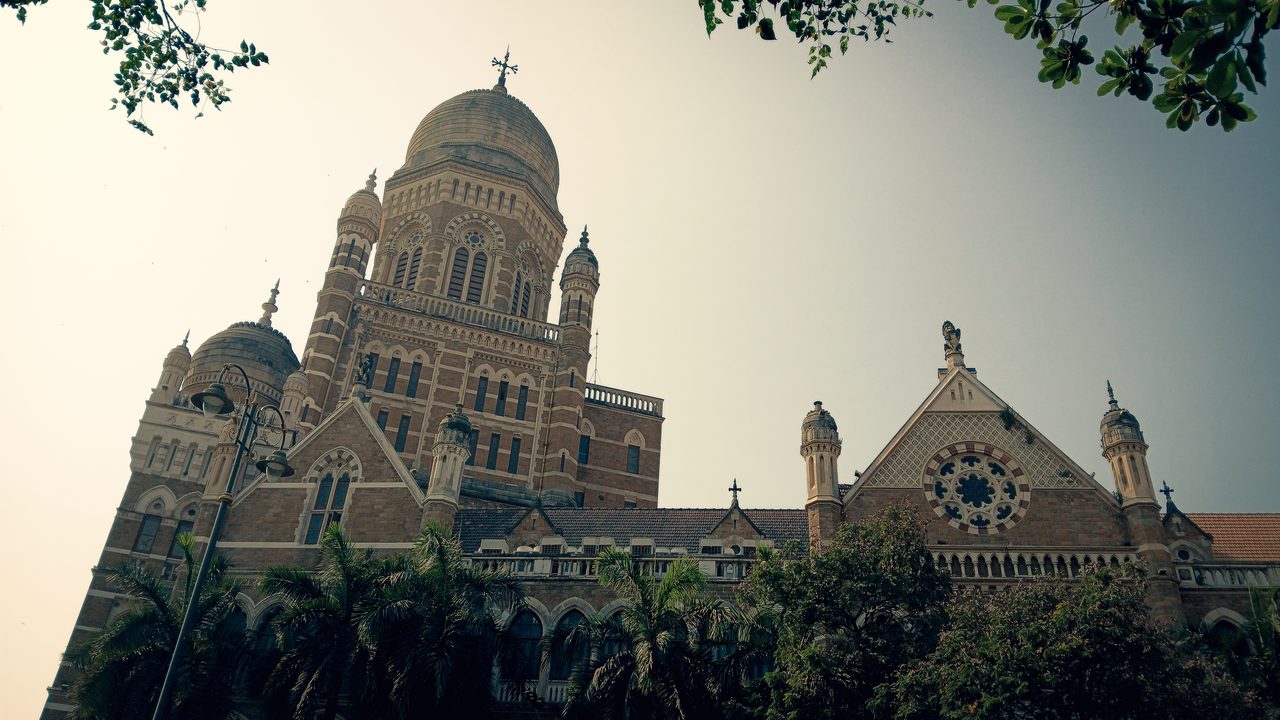
Sangli is a Krishna-river city in southern Maharashtra, known for turmeric trading, sugar and grapes, the Patwardhan-era Ganpati Mandir and its twin town Miraj, a centre of Indian stringed-instrument making.
Sangli is a city of about 500,000 people (2011 census, Sangli-Miraj-Kupwad Municipal Corporation area) on the Krishna River in southern Maharashtra. It is famous for one of Asia's largest turmeric markets, sugar and grape farming, the Patwardhan-era Ganpati Mandir and its twin town Miraj, a centre of sitar and tanpura making. Few foreign visitors come, but it is an easy base for Kolhapur, Narsobawadi and the Western Ghats.
Capital
Mumbai is the capital of Maharashtra; Sangli is the headquarters of Sangli district.
Largest city
Pune is the largest city of western Maharashtra; Sangli is one of the largest in the southern part of the state.
Population
About 500,000 (2011 census, Sangli-Miraj-Kupwad urban area)
The 12 destinations our editors recommend — from iconic landmarks to under-the-radar finds.
Sangli Ganpati Mandir
The city's signature temple, dedicated to Ganesha, built between roughly 1811 and 1844 under the Patwardhan rulers of the Sangli princely state. It stands near the Krishna riverbank and is the centre of the city's Ganesh Chaturthi celebrations.
Sangli Fort
A Maratha-era fort on the Kolhapur-Sangli road, built by the Patwardhan family. Parts of the complex now house government offices, so visitors mainly see the bastions, gateway and ramparts from outside.
Irwin Bridge and Krishna Riverfront
A long road bridge over the Krishna River dating from 1928, named after the then Viceroy Lord Irwin, linking Sangli with the Kolhapur side. Locals gather at the riverbank for evening walks and sunsets.
Sangameshwar Temple, Haripur
An old Shiva temple at Haripur on the confluence of the Krishna and Warna rivers, said by local tradition to have been established by Lord Rama and described in news reports as having a history of over four centuries. Reached by following the Kolhapur-Sangli highway and turning towards Haripur.
Vasantdada Market Yard (Turmeric Market)
Sangli is widely described as one of Asia's largest turmeric trading centres, and the market yard is where sacks of turmeric, jaggery, grapes and other produce are traded in auctions. Visitors can watch the trade and buy packed turmeric from nearby shops.
Vishrambag Wada
A 19th-century palace-style wada of the Patwardhan rulers on the Sangli-Miraj road, in the Vishrambag district that gave the locality its name. Parts of the building are used by institutions, so visitors mostly view the facade and grounds.
Recommended itineraries
Pick a length, follow the route. Each itinerary balances headline sights with breathing room.
5-Day Sangli Explorer
Day 1Arrive in Sangli, explore city center
Day 2Visit top attractions and museums
Day 3Day trip to nearby highlights
Day 4Local markets and hidden gems
Day 5Final sightseeing, departure
7-Day Classic Sangli
Days 1-2Sangli city highlights
Days 3-4Regional exploration
Days 5-6Cultural immersion and local experiences
Day 7Return and departure
14-Day Ultimate Sangli
Days 1-3Sangli comprehensive city tour
Days 4-6Northern region exploration
Days 7-9Eastern highlights
Days 10-12Southern attractions
Days 13-14Return to Sangli, departure
Where to stay in Sangli
Three tiers, every traveller covered — from cost-conscious to flagship hotels.
Budget INR 1,700 (approx $18 USD)
Hostels, budget hotels, and guesthouses offer affordable stays without sacrificing experience.
Mid-range INR 4,400 (approx $46 USD)
Boutique hotels and well-located accommodations provide comfort and convenience at reasonable prices.
Luxury INR 10,000 (approx $104 USD)
World-class resorts and premium hotels deliver unforgettable experiences.
Effotel by Sayaji Sangli
Vishrambag · INR 3,500-6,500 per night (approx $36-68 USD)
A 59-room upscale hotel on Sangli-Miraj Road under the Sayaji brand, the city's leading business hotel.
Sangli has its own railway station on the Pune-Miraj-Kolhapur line and a large junction at Miraj about 6-7 km away. The nearest airport is Kolhapur (KLH, about 55 km); Pune (about 230 km) and Belagavi (about 140 km) have more flights.
Auto-rickshaw
Standard local transport; agree the fare first
Cost: INR 30-150 per ride (approx $0.3-1.6 USD)
MSRTC bus
State buses from Sangli Bus Stand to Kolhapur, Pune, Satara, Miraj and Mumbai
Cost: INR 20-700
Budget breakdown
Daily spend by tier in INR, broken out by category.
Category
Budget
Mid-range
Luxury
Accommodation
INR 900 (approx $9.4 USD)
INR 2,500 (approx $26 USD)
INR 5,500 (approx $57 USD)
Food (per day)
INR 400 (approx $4.2 USD)
INR 800 (approx $8.3 USD)
INR 1,800 (approx $19 USD)
Transportation
INR 250 (approx $2.6 USD)
INR 700 (approx $7.3 USD)
INR 2,000 (approx $21 USD)
Activities
INR 150 (approx $1.6 USD)
INR 400 (approx $4.2 USD)
INR 700 (approx $7.3 USD)
Daily total
INR 1,700 (approx $18 USD)
INR 4,400 (approx $46 USD)
INR 10,000 (approx $104 USD)
Best time to visit Sangli
Weather through the year in Maharashtra
Best timeShoulderWorth avoiding
Average daytime temperature in °C. Figures are for Maharashtra.
Sangli sits in the rain-shadow side of the Western Ghats, so the monsoon is moderate; check flood bulletins before visiting riverbank sites in July-August.
Essential travel tips
Base on Miraj Road at Vishrambag for hotels and restaurants.
Miraj Junction is the bigger rail hub; Sangli station is closer to the old town.
Mornings are best for markets and temples.
Carry cash; smaller eateries do not take cards.
Hidden gems
Off-the-beaten-path corners most travellers miss.
Miraj Instrument Workshops (early morning)
Arrive when workshops open to see craftsmen tuning sitars and tanpuras before the day's orders begin.
Gandhi Chowk, Miraj
Dandoba Hill Forest
A green forested hill between Sangli and Miraj for early-morning walks and birdwatching.
Miraj-Sangli road
Safety information
INFO
Use app cabs or agree the auto fare first.
INFO
Drink bottled water.
INFO
Dress modestly at temples.
INFO
Keep a photocopy of the passport and visa.
INFO
Avoid walking along the Krishna riverbank during monsoon (July-September) when flood warnings are issued; the river rises quickly after dam releases.