Emilia Romagna · 27 Places · Best April-June, September-October
Emilia Romagna
Emilia Romagna is Italy's gastronomic heartland, stretching from the Apennine Mountains to the Adriatic Sea. Known as the 'Food Valley' for producing Parmigiano-Reggiano, Prosciutto di Parma, and balsamic vinegar, the region also boasts medieval cities, Ferrari's birthplace, and vibrant beach resorts.
Emilia Romagna spans from the Po Valley plains to the Adriatic coast, encompassing nine provinces including Bologna, Parma, Modena, Ferrara, and Ravenna. The region is celebrated for its culinary heritage, Renaissance architecture, Byzantine mosaics, and as the birthplace of iconic Italian car brands.
The 27 destinations our editors recommend — from iconic landmarks to under-the-radar finds.
Piazza Maggiore & Neptune Fountain
Bologna's magnificent main square, the heart of the city since medieval times. Dominated by the unfinished Gothic Basilica di San Petronio and the Palazzo d'Accursio, the piazza features Giambologna's famous bronze Neptune Fountain (1565).
Due Torri (Two Towers)
Bologna's iconic medieval leaning towers—Asinelli (97m, built 1109-1119) and the shorter Garisenda (48m)—are the city's most recognizable symbol. Climbing the 498 steps of Asinelli offers panoramic views over Bologna's famous red rooftops.
Basilica di San Vitale
One of the world's greatest examples of early Christian Byzantine art and architecture, built 526-547 AD. The octagonal church features breathtaking gold mosaic panels depicting Emperor Justinian and Empress Theodora in full imperial splendor.
Mausoleo di Galla Placidia
The oldest intact mosaic monument in Ravenna (430 AD), this small but extraordinarily beautiful cruciform mausoleum contains the world's oldest surviving intact mosaics. The deep blue ceiling with stars and the lunette mosaics create an otherworldly atmosphere.
Ferrari Museum (Museo Ferrari), Maranello
The official Ferrari museum in Maranello, Ferrari's home town, showcases the brand's complete history from the first 125 S to the latest hypercars. Includes Formula 1 championship cars, engines, trophies, and the story of Enzo Ferrari's legacy.
Enzo Ferrari Museum, Modena
Striking modern museum designed by Jan Kaplický in Modena's city center, built over Enzo Ferrari's birthplace. The yellow aluminum wave-roof structure houses rotating exhibitions of Ferrari and Italian automotive design history.
Recommended itineraries
Pick a length, follow the route. Each itinerary balances headline sights with breathing room.
5-Day Emilia Romagna Explorer
Day 1Arrive in Emilia Romagna, explore city center
Day 2Visit top attractions and museums
Day 3Day trip to nearby highlights
Day 4Local markets and hidden gems
Day 5Final sightseeing, departure
7-Day Classic Emilia Romagna
Days 1-2Emilia Romagna city highlights
Days 3-4Regional exploration
Days 5-6Cultural immersion and local experiences
Day 7Return and departure
14-Day Ultimate Emilia Romagna
Days 1-3Emilia Romagna comprehensive city tour
Days 4-6Northern region exploration
Days 7-9Eastern highlights
Days 10-12Southern attractions
Days 13-14Return to Emilia Romagna, departure
Where to stay in Emilia Romagna
Three tiers, every traveller covered — from cost-conscious to flagship hotels.
Budget €55
Hostels, budget hotels, and guesthouses offer affordable stays without sacrificing experience.
Mid-range €130
Boutique hotels and well-located accommodations provide comfort and convenience at reasonable prices.
Luxury €320+
World-class resorts and premium hotels deliver unforgettable experiences.
Grand Hotel Majestic già Baglioni
Bologna City Center · $$$$
Bologna's most prestigious address, housed in an 18th-century palazzo with frescoed ceilings and gilded interiors. Home to the acclaimed I Carracci restaurant and impeccable butler service.
Elegant 5-star hotel in a historic Art Nouveau building with a Michelin-starred restaurant and a rooftop terrace overlooking Bologna's iconic porticoes and red rooftops.
Parma's finest hotel in a 17th-century palace named after Duchess Marie Louise, Napoleon's wife. Home to the legendary Michelin-starred Parizzi restaurant.
Grand Belle Époque seafront hotel immortalized by Federico Fellini in his films, open since 1908. A Rimini institution offering direct beach access and historic grandeur on the Adriatic Riviera.
Cafés, neighbourhood gems, and tasting menus worth the table reservation.
Osteria Francescana
Modern Italian / Creative · $$$$
Massimo Bottura's legendary 3-Michelin-star restaurant, ranked among the world's best for over a decade. Bottura transforms classic Emilian dishes into avant-garde masterpieces, celebrating Italian culture through food.
I Portici
Creative Italian · $$$$
Bologna's Michelin-starred restaurant in the Hotel I Portici, celebrating Emilian ingredients in beautifully creative presentations with a panoramic view of the city's porticoes.
Ristorante Parizzi
Elevated Parmigiana · $$$$
Parma's finest dining at Hotel Sina Maria Luigia, serving elevated Emilian cuisine with the best Culatello di Zibello, aged Parmigiano, and seasonal truffles. A pilgrimage for food lovers.
Trattoria Anna Maria
Traditional Bolognese · $$
The quintessential Bologna trattoria run by Anna Maria Monari since 1978. Photos of celebrity visitors line the walls, but the real stars are the handmade pasta and classic Bolognese recipes unchanged for decades.
Ristorante Diana
Classic Bolognese · $$$
Bologna institution since 1909, serving traditional Bolognese cuisine from a legendary rolling antipasto cart and exceptional bollito misto. A formal but welcoming classic.
Osteria Bottega
Modern Bolognese · $$$
Beloved Bologna osteria by Valeria Piccini and Daniele Minarelli, combining traditional Emilian recipes with seasonal creativity. One of Bologna's most-loved restaurants for genuine local cuisine.
Emilia Romagna has excellent transport infrastructure with Bologna as the main hub. High-speed trains connect Bologna to other Italian cities, while regional trains link all provincial capitals. The Via Emilia (SS9) road axis connects cities along the ancient Roman route.
Train (Trenitalia/Italo)
High-speed Frecciarossa and Frecciargento trains from Bologna; regional trains connect Parma, Modena, Ferrara, Ravenna, Rimini, Piacenza
Cost: €3-30
Bus (SETA/TPER)
SETA serves Modena and Reggio Emilia areas; TPER serves Bologna and Ferrara; START Romagna serves Rimini and Romagna coast
Cost: €1.50-8
Car Rental
Available at Bologna airport (BLQ) and main train stations; essential for countryside, Apennine villages, and producer visits
Cost: €35-80/day
Taxi / Ride-hailing
Available in all major cities; itTaxi app works throughout region; Uber limited to major cities
Cost: €8-20
Bike Sharing
BiciBO in Bologna (€1/30 min); bike sharing in Parma, Modena, and Rimini; Ferrara has extensive bike rental at station
Cost: €1-3/hour
Budget breakdown
Daily spend by tier in EUR, broken out by category.
Category
Budget
Mid-range
Luxury
Accommodation
€25
€75
€180
Food (per day)
€18
€35
€90
Transportation
€7
€12
€30
Activities
€5
€8
€20
Daily total
€55
€130
€320+
Best time to visit Emilia Romagna
Weather through the year in Emilia Romagna
Best timeShoulderWorth avoiding
Average daytime temperature in °C. Figures are for Emilia Romagna.
Essential travel tips
Book restaurants in advance, especially in Bologna and Parma
Purchase a Trenitalia regional pass for multiple city visits
Visit food producers directly for authentic experiences
Learn a few Italian phrases—locals appreciate the effort
Hidden gems
Off-the-beaten-path corners most travellers miss.
Asinelli Tower (Bologna)
Portico di San Luca hilltop sanctuary
Ferrara city walls north section near Certosa
L'Osteria del Sole Bologna (since 1465)
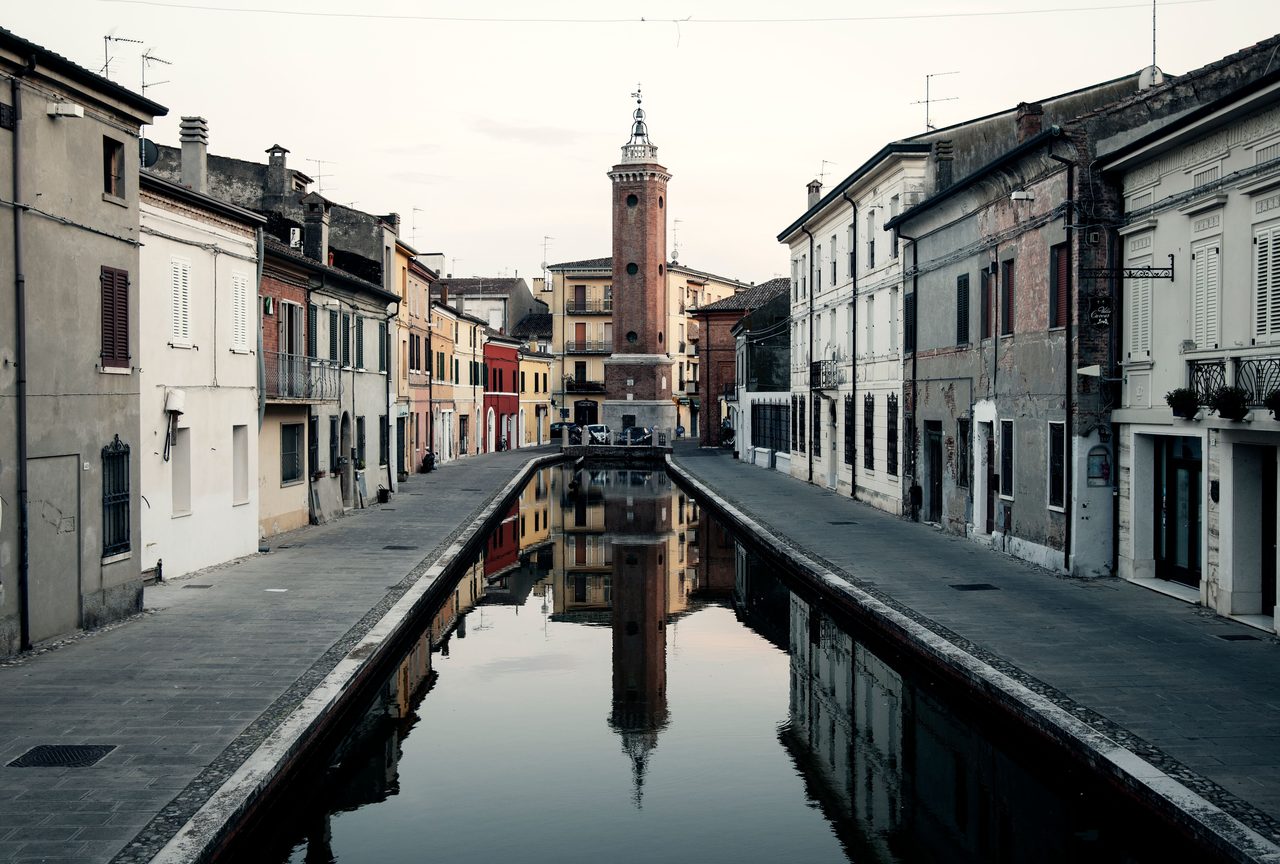
Comacchio canals at dawn
Dozza village on weekdays
Skip tourist restaurants near Piazza Maggiore
walk 5 min to Quadrilatero for authentic food
Rimini beach facing east over Adriatic
Ferrara castle moat in autumn morning fog
Portico di San Luca arches (Bologna)
Comacchio canal reflections
Modena Ghirlandina tower
Safety information
INFO
Emilia Romagna is one of Italy's safest regions; standard tourist precautions apply throughout
INFO
Keep valuables secure in busy areas like Bologna's Piazza Maggiore, Mercato di Mezzo, and Due Torri
INFO
Use official taxis from ranks or book via itTaxi app; avoid unlicensed drivers, especially at airports
INFO
Validate train and bus tickets before boarding to avoid fines from inspectors (€50+ penalty)
INFO
Beware of fake tickets and overcharging around tourist sites; buy tickets only at official offices or authorized websites
INFO
Do not leave valuables visible in rental cars, especially in car parks; use hotel safes for passports
INFO
Bologna, Parma, and Modena have very low crime rates; Rimini can be livelier and busier in summer
INFO
Be cautious at night around Rimini's beach bars and clubs in peak summer; travel in groups
INFO
Traffic in city centers can be chaotic; always use pedestrian crossings and watch for scooters and cyclists
INFO
Carry a photocopy of your passport; Italian law requires ID at all times; police may ask
INFO
Purchase travel insurance covering medical evacuation before departure; EU citizens bring EHIC/GHIC card
INFO
Tap water is safe to drink throughout Emilia Romagna—no need to buy bottled water
INFO
Emergency number for all services: 112 (works from any phone, even without SIM)
INFO
Download the It-Alert government emergency app for regional alerts; share your itinerary with someone at home
INFO
Po Valley fog (nebbia) can be extremely dense in autumn/winter—drive very carefully on motorways in fog
INFO
Flash flooding possible in the Apennine foothills during heavy autumn rain; check weather forecasts
Frequently asked questions
Is Emilia Romagna safe to visit in 2026?
Emilia Romagna is a very safe region with low violent crime rates. The main concerns for tourists are petty theft in crowded areas, occasional scams near tourist sites, and traffic when driving. The region is generally safer than average for European tourist destinations. Emergency services: police at 113 (Polizia di Stato) or 112, medical at 118 (ambulance) or 112.
What is the best time to visit Emilia Romagna?
The best time to visit Emilia Romagna is April-June, September-October. Emilia Romagna has a continental climate in the Po Valley plains with hot, humid summers (35°C+) and cold, foggy winters (0-5°C). The Adriatic coast around Rimini enjoys a slightly milder maritime cli
Do I need a visa to visit Emilia Romagna?
Entry requirements follow Italy/Schengen rules. EU citizens need ID card; non-EU visitors may need a Schengen visa for stays over 90 days. Requirements vary by nationality, so check with your nearest embassy or the official immigration website before traveling.
What currency is used in Emilia Romagna?
The currency in Emilia Romagna is the Euro (EUR). ATMs are widely available in cities and tourist areas. Credit cards are accepted at most hotels and restaurants, but carry cash for markets and smaller establishments.
What language is spoken in Emilia Romagna?
The main language(s) spoken in Emilia Romagna: Italian. In tourist areas, English is generally understood. Learning a few basic phrases in the local language is appreciated by locals.
What are the top attractions in Emilia Romagna?
The top attractions in Emilia Romagna include Piazza Maggiore & Neptune Fountain, Due Torri (Two Towers), Basilica di San Vitale, Mausoleo di Galla Placidia, and Ferrari Museum (Museo Ferrari), Maranello. Each offers a unique experience, from historic landmarks to natural wonders.