Lombardy · 12 Places · Best April-June and September-October
Lombardy
Lombardy is Italy's most populous and economically powerful region, stretching from the Alps in the north to the Po Plain in the south. It encompasses world-class cities like Milan, the Italian fashion and financial capital, alongside alpine lakes of breathtaking beauty — Como, Garda, Maggiore and Iseo — and Renaissance gems such as Mantua, Cremona and Bergamo. The region blends metropolitan sophistication with timeless natural landscapes and a rich artistic heritage.
Lombardy sits at the crossroads of European culture and commerce. Milan anchors the region as a global hub of fashion, design, finance and gastronomy, hosting the world-renowned Milan Fashion Week and Salone del Mobile design fair. Beyond Milan, the region unfolds into a tapestry of Alpine lakes with opulent Belle Époque villas, medieval hilltop cities, Renaissance palaces, Romanesque churches and UNESCO-listed rock carvings. The Lombard landscape ranges from glaciated alpine peaks in Valtellina and the Stelvio National Park to the flat agricultural plains of the Po Valley. Lombardy produces outstanding wines in Franciacorta and Valtellina, and its cuisine — risotto alla milanese, ossobuco, cotoletta, panettone and Gorgonzola cheese — has influenced Italian cooking worldwide.
The 12 destinations our editors recommend — from iconic landmarks to under-the-radar finds.
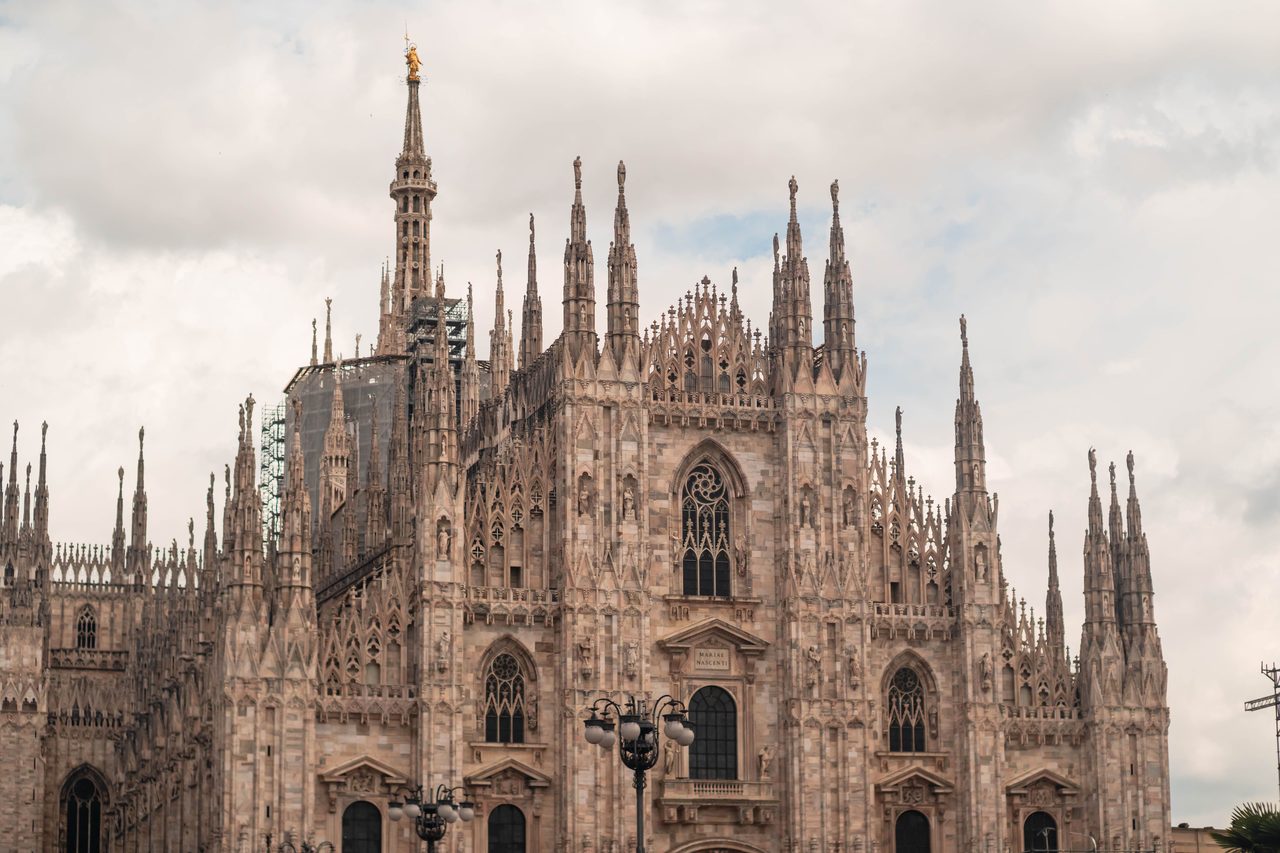
Duomo di Milano
The Gothic Cathedral of Milan is one of the world's largest churches, with 3,400 statues and 135 spires. Construction began in 1386 and took nearly six centuries to complete. The rooftop terrace offers panoramic views over Milan and, on clear days, to the Alps.
Santa Maria delle Grazie and The Last Supper
Leonardo da Vinci's 'The Last Supper' (Cenacolo Vinciano) is painted on the wall of the refectory adjacent to this 15th-century church. The mural, completed around 1498, is one of the world's most recognized artworks and a UNESCO World Heritage Site.
Galleria Vittorio Emanuele II
Italy's oldest and most elegant shopping mall, opened in 1877, features a stunning glass-and-iron dome and mosaic floors. The gallery connects Piazza del Duomo to Piazza della Scala and houses luxury boutiques, historic cafés and restaurants.
Castello Sforzesco
This vast 15th-century fortress was the residence of the Sforza dukes who ruled Milan. Today it houses several civic museums including Michelangelo's final unfinished sculpture, the Pietà Rondanini. The castle is surrounded by the large Parco Sempione.
Pinacoteca di Brera
Milan's foremost art gallery occupies an 18th-century palace in the Brera neighborhood and contains one of Italy's greatest collections of Italian Renaissance and Baroque paintings. Key works include Raphael's 'Marriage of the Virgin' and Mantegna's 'Dead Christ'.
Lake Como
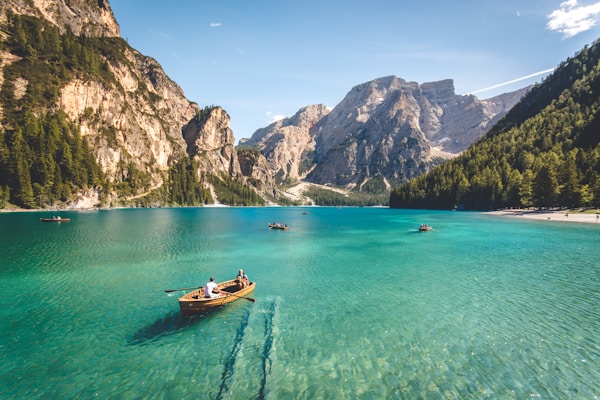
One of Europe's most beautiful lakes, Lake Como sits in a glacial valley framed by Alpine peaks. Its shores are lined with elegant 18th and 19th-century villas, lush gardens and picturesque villages connected by ferries.
Recommended itineraries
Pick a length, follow the route. Each itinerary balances headline sights with breathing room.
5-Day Lombardy Explorer
Day 1Arrive in Lombardy, explore city center
Day 2Visit top attractions and museums
Day 3Day trip to nearby highlights
Day 4Local markets and hidden gems
Day 5Final sightseeing, departure
7-Day Classic Lombardy
Days 1-2Lombardy city highlights
Days 3-4Regional exploration
Days 5-6Cultural immersion and local experiences
Day 7Return and departure
14-Day Ultimate Lombardy
Days 1-3Lombardy comprehensive city tour
Days 4-6Northern region exploration
Days 7-9Eastern highlights
Days 10-12Southern attractions
Days 13-14Return to Lombardy, departure
Where to stay in Lombardy
Three tiers, every traveller covered — from cost-conscious to flagship hotels.
Budget €60
Hostels, budget hotels, and guesthouses offer affordable stays without sacrificing experience.
Mid-range €150
Boutique hotels and well-located accommodations provide comfort and convenience at reasonable prices.
Luxury €400
World-class resorts and premium hotels deliver unforgettable experiences.
Mandarin Oriental Milan
Fashion District / Brera · $$$$
Milan's most sophisticated hotel occupies four restored 18th-century palazzi in the heart of the fashion district. Home to the Michelin two-starred restaurant Seta and a world-class spa, it is consistently ranked among Europe's finest urban hotels.
Housed in a 15th-century convent with a tranquil interior courtyard, the Four Seasons Milan is one of Italy's most celebrated addresses. Its La Veranda restaurant and elegant rooms set the standard for Milanese luxury hospitality.
A Grande Dame of Italian hospitality, this Art Deco masterpiece opposite Milano Centrale station was opened in 1932 and recently restored to flawless grandeur. The Michelin-starred Terrazza Gallia restaurant offers unforgettable rooftop dining.
A legendary 16th-century villa hotel on the western shore of Lake Como at Cernobbio, Villa d'Este is arguably the world's most romantic hotel. Set in 25 acres of gardens with a floating pool on the lake, it has hosted royalty, celebrities and heads of state for 150 years.
Cafés, neighbourhood gems, and tasting menus worth the table reservation.
Il Luogo di Aimo e Nadia
Creative Italian · €€€€
A Milan institution with two Michelin stars, Aimo e Nadia has championed Italian regional ingredients and artisan producers since 1962. The tasting menus celebrate the full breadth of Italian culinary geography with extraordinary finesse.
Cracco
Modern Italian · €€€€
Chef Carlo Cracco's Michelin-starred flagship in the Galleria Vittorio Emanuele II is as dramatic a setting as the food is innovative. The menu reimagines Italian classics with technical precision and theatrical presentation.
Seta at Mandarin Oriental
Contemporary Italian · €€€€
Chef Antonio Guida's two-Michelin-star restaurant in the Mandarin Oriental is widely considered Milan's finest dining experience. The seasonal menus use Italy's best ingredients with extraordinary refinement and a superb wine list.
Joia
Vegetarian Haute Cuisine · €€€€
Pietro Leemann's legendary Michelin-starred vegetarian restaurant has been redefining plant-based fine dining in Milan since 1989 — the first vegetarian restaurant in Europe to earn a Michelin star. The dishes are philosophically conceived and visually stunning.
Locanda dell'Isola Comacina
Traditional Lombard · €€€
Accessible only by boat taxi, this legendary restaurant on Lake Como's only island has served the same theatrical five-course fixed menu to every guest since 1947. The meal ends with a flaming ceremony. A once-in-a-lifetime experience.
Il Cigno dei Martini
Mantuan · €€€€
Mantua's finest restaurant, family-run by the Martini family for decades, serves the definitive versions of Mantuan cuisine — tortelli di zucca, luccio in salsa (pike in sauce) and sbrisolona cake. The setting in a historic palace is superb.
Lombardy has Italy's most comprehensive public transport network. Milan's metro system covers the city efficiently, Trenitalia and Trenord regional trains connect all provincial capitals and towns, and Navigazione Laghi ferries serve the lakes. For most visitors, a car is unnecessary within cities but useful for exploring rural areas, lake shores and wine country.
Budget breakdown
Daily spend by tier in EUR, broken out by category.
Category
Budget
Mid-range
Luxury
Accommodation
€25
€80
€250
Food (per day)
€15
€40
€100
Transportation
€10
€15
€30
Activities
€10
€15
€20
Daily total
€60
€150
€400
Best time to visit Lombardy
Weather through the year in Italy
Best timeShoulderWorth avoiding
Average daytime temperature in °C. Figures are for Italy.
Essential travel tips
Validate train tickets in yellow machines before boarding to avoid €50 fines
Many museums are closed on Mondays in Lombardy
Dress code required at churches: cover shoulders and knees
Book The Last Supper tickets months in advance — capacity is strictly limited
Milan Fashion Week (Feb/Sept) and Salone del Mobile (April) cause hotel price surges
Aperitivo is a Milanese institution: drinks from €8-12 often include a free buffet
Hidden gems
Off-the-beaten-path corners most travellers miss.
Civate
A small village in the Lecco hills, Civate requires a 40-minute hike to reach the 11th-century Basilica di San Pietro al Monte, which contains some of the finest Romanesque frescoes and stucco reliefs in Italy — and almost no tourists.
Lecco Province
Sabbioneta
Built from scratch as a Renaissance ideal city by Duke Vespasiano Gonzaga in the 1550s-1580s, Sabbioneta is a perfectly preserved walled town with a ducal palace, theater and synagogue. UNESCO-listed, remarkably uncrowded.
Mantua Province
Val di Mello
A car-free glacial valley in the Valmalenco area of Sondrio Province, often called the 'Yosemite of the Alps', with soaring granite walls, waterfalls and alpine swimming holes. Popular with climbers and hikers but still far less crowded than the lakes.
Sondrio Province
Lodi
An undervisited Lombard city with a breathtaking Cathedral (duomo) and baptistery, a charming historic center and excellent Lodigiano cheese. Napoleon won a decisive 1796 battle here at the Bridge of Lodi.
Lodi
Isola Comacina
Lake Como's only island, near Ossuccio, has Roman ruins and a legendary Locanda dell'Isola Comacina restaurant that has served the same theatrical fixed menu since 1947. Arrive by boat taxi from Sala Comacina.
Lake Como
Palazzo Te, Mantua
Federico II Gonzaga's summer palace on the outskirts of Mantua is Giulio Romano's masterpiece of Mannerist architecture, with the famous Sala dei Giganti — a room where painted giants appear to crash down the walls and ceiling in an overwhelming trompe l'oeil illusion.
Mantua
Safety information
INFO
Beware pickpockets around the Duomo — The area around Piazza del Duomo and Galleria Vittorio Emanuele II is Milan's most heavily trafficked tourist area and a hotspot for pickpockets. Keep bags zipped and in front of you, secure your wallet in an inner pocket, and be especially vigilant in crowds.
INFO
Metro and tram pickpocket awareness — Milan's metro and trams — particularly lines M1 and M2 during rush hour, and buses serving the Duomo area — are frequented by organized pickpocket teams. Keep bags in front, be alert when doors close (a common moment for grabs) and avoid showing expensive items.
INFO
Central Station area caution — Milano Centrale station and the surrounding area has higher petty crime rates than most of the city. Keep bags close, do not leave luggage unattended, and be wary of overly helpful strangers offering to assist with your bags or directions.
INFO
Use only licensed taxis — Always use official white metered taxis or licensed ride-hailing apps (Uber, ItTaxi). Never accept rides from unlicensed drivers who approach you at airports, stations or tourist sites — overcharging and scams occur.
INFO
Validate train and tram tickets — Ticket inspectors operate regularly on all Trenord trains and Milan trams and buses. Always validate your ticket in the yellow stamping machines before boarding. The fine for an unvalidated ticket is €50+ and ignorance is not accepted as an excuse.
INFO
ZTL (Limited Traffic Zones) — Many Lombard city centers — including Milan's Area C, Bergamo Alta, Mantua and Como — have ZTL restricted traffic zones. Cameras automatically photograph plates of unauthorized vehicles and fines are sent to rental car companies (who pass them on to you). Check ZTL maps before driving.
INFO
Lake and swimming safety — Lake currents and cold water temperatures can catch swimmers off guard, even in summer. Swim only in designated lido (beach/pool) areas with lifeguards when possible. Lake Garda is known for strong afternoon winds — respect warnings for water sports.
INFO
Mountain and hiking safety — Alpine weather in Stelvio National Park, Orobie Alps and Valtellina can change rapidly. Always carry layers, inform someone of your plans, download offline maps, and check weather forecasts before setting out. Carry water and sun protection.
INFO
Church dress code enforcement — Churches throughout Lombardy strictly enforce dress codes: shoulders must be covered and shorts are not acceptable. Keep a scarf or light layer in your bag, particularly when visiting the Duomo, San Maurizio or Santa Maria delle Grazie.
INFO
Food and water safety — Tap water is safe to drink throughout Lombardy, including in Milan and all lake towns. Italian food safety standards are very high. Only be cautious with street food served at outdoor markets in hot weather.
INFO
Nightlife areas at late hours — Navigli, Brera and Isola in Milan are busy nightlife areas that are generally safe. Standard nightlife precautions apply: watch your drink, keep your phone secured and book a taxi or use an app rather than accepting lifts from strangers after midnight.
INFO
Heat and sun in summer — Milan and the Po Plain can experience extreme heat (35-40°C) in July and August. Stay hydrated, avoid prolonged direct sun between 12PM-4PM, and use SPF50+ sunscreen. Lake shores and alpine areas are significantly cooler.
INFO
Winter fog and driving — The Po Plain and lower Lombardy experience dense fog (nebbia) from October through February. Driving in fog can be hazardous — use fog lights, slow down and use A4 motorway rest areas if visibility drops dangerously. Trains are a safer option in heavy fog.
Frequently asked questions
Do I need a visa to visit Lombardy?
EU Schengen visa rules apply. EU citizens need ID only. Non-EU visitors should check requirements for their nationality before travel. Requirements vary by nationality, so check with your nearest embassy or the official immigration website before traveling.
What currency is used in Lombardy?
The currency in Lombardy is the Euro (EUR). ATMs are widely available in cities and tourist areas. Credit cards are accepted at most hotels and restaurants, but carry cash for markets and smaller establishments.
What language is spoken in Lombardy?
The main language(s) spoken in Lombardy: Italian, Lombard dialect. In tourist areas, English is generally understood. Learning a few basic phrases in the local language is appreciated by locals.
Explore Lombardy by city
The cities below have their own guides — hotels, attractions and where to eat, in depth.