Piedmont · 25 Places · Best May-June and September
Piedmont
Piedmont (Piemonte) is a large region in northwest Italy, ringed on three sides by the Alps and sloping down toward the Po Valley. Its capital, Turin, is a city of elegant arcades, royal palaces, and the landmark Mole Antonelliana. Beyond the city lie the UNESCO-listed vineyards of the Langhe, Roero, and Monferrato, home to Barolo and Barbaresco wines and Alba's prized white truffles, plus the serene shores of Lake Maggiore and Lake Orta. Piedmont is the birthplace of vermouth, gianduja chocolate, and the Slow Food movement.
Piedmont, meaning 'at the foot of the mountains', is Italy's second-largest region and spreads from the high Alps on the French and Swiss borders across the fertile Po plain. Turin, the former capital of the House of Savoy and of unified Italy, anchors the region with its grand baroque squares, royal residences, and world-class Egyptian Museum. South of the city, the rolling Langhe, Roero, and Monferrato hills form a UNESCO World Heritage wine landscape that produces Barolo, Barbaresco, and Barbera, centred on Alba and its autumn white-truffle fairs. To the north, Lake Maggiore and Lake Orta offer belle-époque villas and the Borromean Islands, while Sestriere and the Susa Valley draw skiers in winter. Refined cuisine, exceptional wine, alpine scenery, and royal heritage make Piedmont one of Italy's most rewarding and least crowded regions.
The 25 destinations our editors recommend — from iconic landmarks to under-the-radar finds.
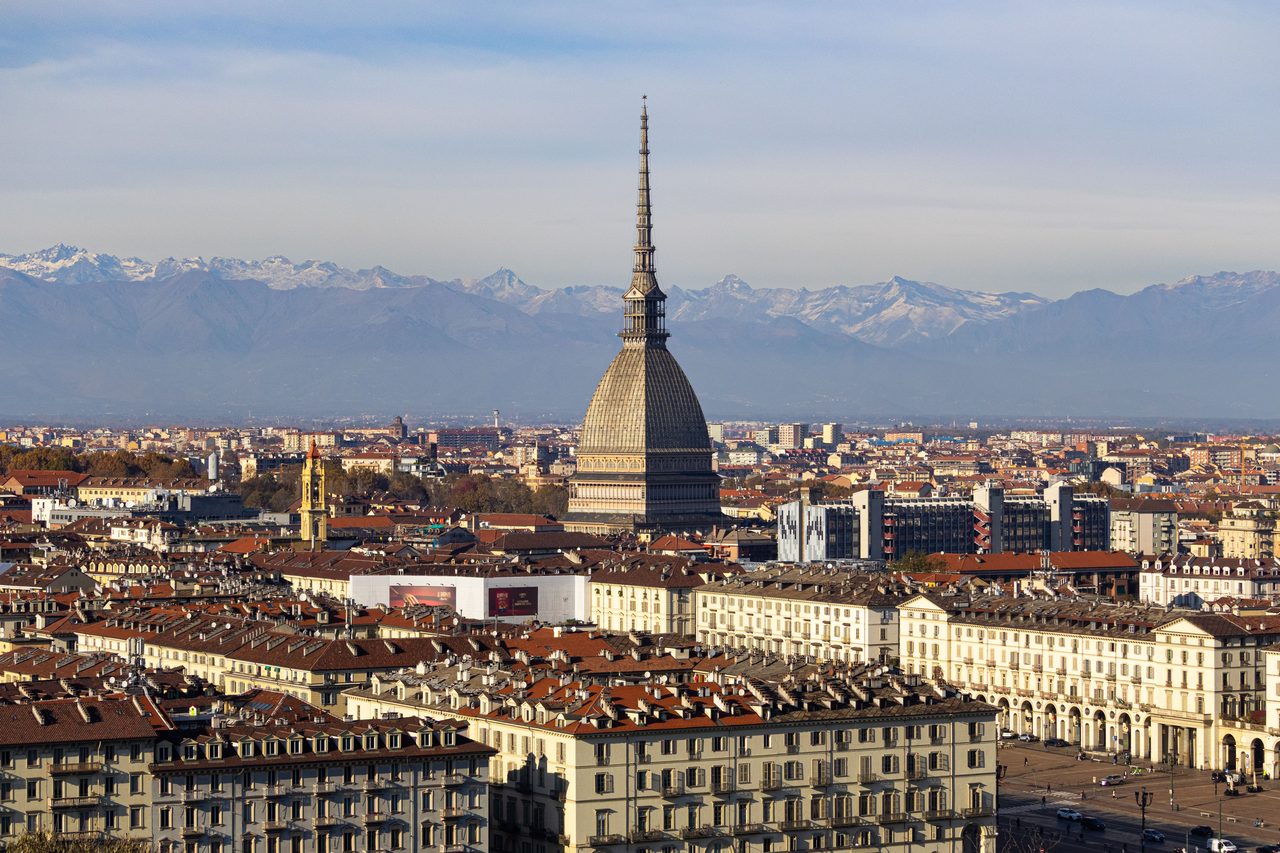
Mole Antonelliana & Museo Nazionale del Cinema
The 167-metre Mole Antonelliana is the symbol of Turin and houses the National Museum of Cinema across a spiralling exhibition that climbs the interior. A panoramic glass lift rises through the centre of the dome to an open viewing platform with sweeping views of the city and the Alps.
Museo Egizio (Egyptian Museum)
The Museo Egizio in Turin is the oldest museum dedicated entirely to ancient Egyptian culture and holds one of the largest collections of Egyptian antiquities in the world, second only to Cairo. Highlights include the intact tomb of Kha and Merit, the temple of Ellesiya and a hall of monumental statues.
Palazzo Reale & Musei Reali (Royal Palace)
The former residence of the House of Savoy anchors the Musei Reali complex in the heart of Turin, a UNESCO World Heritage Site. The circuit takes in lavish state apartments, the Royal Armoury, the Galleria Sabauda picture gallery, the Royal Library holding a Leonardo self-portrait, and the Royal Gardens.
Reggia di Venaria Reale
A vast Baroque royal palace and one of the grandest Savoy residences, the Reggia di Venaria Reale is a UNESCO World Heritage Site just outside Turin. Its highlights are the luminous Great Gallery of Diana designed by Filippo Juvarra and the enormous landscaped gardens, which host major art and garden installations.
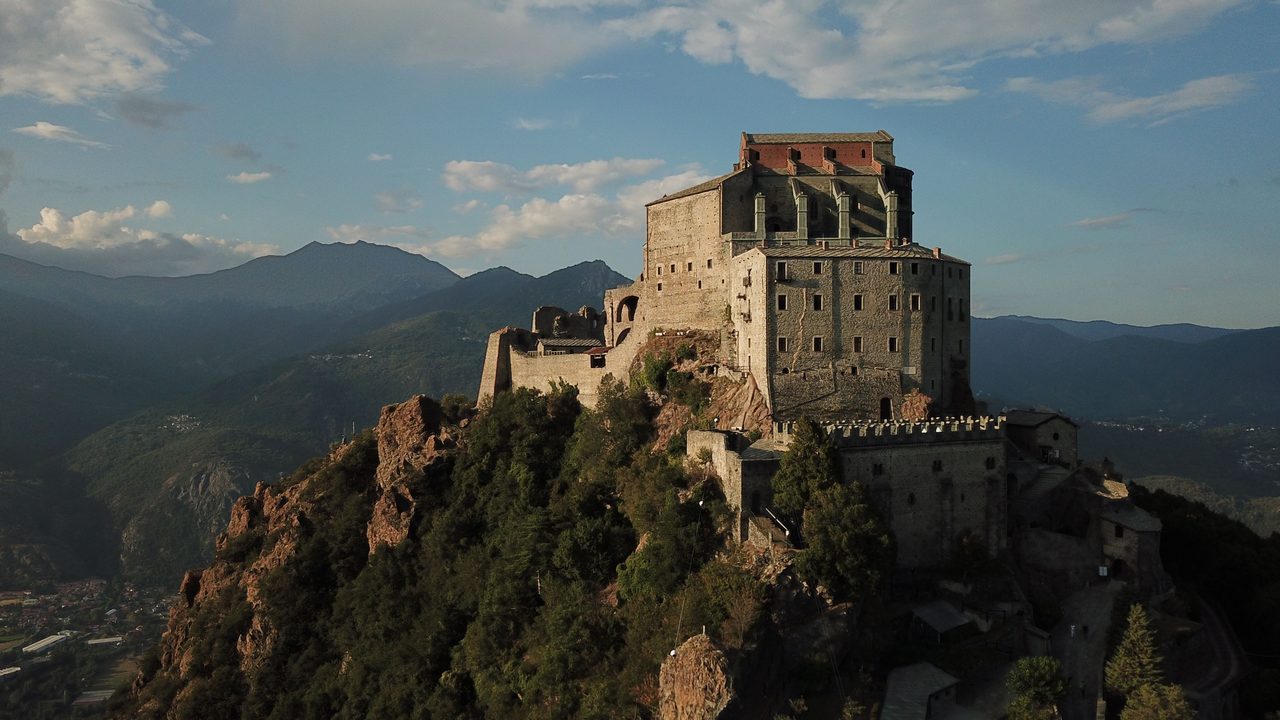
Sacra di San Michele
Perched dramatically on the summit of Monte Pirchiriano at the entrance to the Val di Susa, this medieval Benedictine abbey is the symbolic monument of the Piedmont region. Visitors climb the Scalone dei Morti staircase to the Romanesque-Gothic church, with panoramic views over the valley and the Alps.
Basilica di Superga
Built by Filippo Juvarra atop the Superga hill above Turin, this 18th-century Baroque basilica holds the royal tombs of the House of Savoy in its crypt. The terrace offers a sweeping panorama of Turin and the Alps, and the rear wall marks the 1949 air disaster that killed the Grande Torino football team.
Recommended itineraries
Pick a length, follow the route. Each itinerary balances headline sights with breathing room.
5-Day Piedmont Explorer
Day 1Arrive in Piedmont, explore city center
Day 2Visit top attractions and museums
Day 3Day trip to nearby highlights
Day 4Local markets and hidden gems
Day 5Final sightseeing, departure
7-Day Classic Piedmont
Days 1-2Piedmont city highlights
Days 3-4Regional exploration
Days 5-6Cultural immersion and local experiences
Day 7Return and departure
14-Day Ultimate Piedmont
Days 1-3Piedmont comprehensive city tour
Days 4-6Northern region exploration
Days 7-9Eastern highlights
Days 10-12Southern attractions
Days 13-14Return to Piedmont, departure
Where to stay in Piedmont
Three tiers, every traveller covered — from cost-conscious to flagship hotels.
Budget €70
Hostels, budget hotels, and guesthouses offer affordable stays without sacrificing experience.
Mid-range €170
Boutique hotels and well-located accommodations provide comfort and convenience at reasonable prices.
Luxury €460+
World-class resorts and premium hotels deliver unforgettable experiences.
Turin Palace Hotel
Turin, city centre (Porta Nuova) · €€€€
A five-star hotel facing Porta Nuova railway station in central Turin, first opened in 1872 and fully restored. The hotel offers refined contemporary rooms, a wellness area, and the Les Petites Madeleines restaurant, within walking distance of Via Roma and Piazza San Carlo.
A historic four-star hotel near Piazza San Carlo in the heart of Turin, run by the same family for generations. The hotel is known for its classic elegant rooms, the Carignano restaurant, and a central position close to Via Roma's arcades and the city's main museums.
A five-star hotel opened in 1934 in Turin's central San Carlo district, blending Art Deco heritage with modern comfort. The hotel features an indoor pool, a spa, and a panoramic rooftop, set steps from Via Roma and the Egyptian Museum.
A four-star hotel set in a restored 17th-century palazzo on Piazza Carlo Emanuele II, with a glass-roofed central courtyard. The hotel offers contemporary rooms, a rooftop terrace, and a quiet location near Turin's Mole Antonelliana and Via Po.
Cafés, neighbourhood gems, and tasting menus worth the table reservation.
Del Cambio
Piedmontese · €€€€
Founded in 1757, this historic Turin restaurant facing Piazza Carignano blends gilded Baroque dining rooms with refined contemporary Piedmontese cooking. It holds a Michelin star and counts statesman Camillo Cavour among its past regulars.
Combal.Zero
Contemporary Italian · €€€€
Davide Scabin's avant-garde restaurant sits within the Castello di Rivoli contemporary art museum just outside Turin. It is known for experimental, conceptual cooking that has long featured in international fine-dining rankings.
Consorzio
Piedmontese · €€€
A lively, market-driven osteria in central Turin championing small Piedmontese producers, natural wines and offal-forward traditional dishes. It is a favourite for an authentic, unfussy taste of the region's cucina.
Tre Galline
Piedmontese · €€€
One of Turin's oldest restaurants, documented since the 18th century in the Quadrilatero Romano district. It serves classic Piedmontese cooking with a focus on bollito misto and historic recipes.
Porto di Savona
Piedmontese · €€
A bustling traditional trattoria under the porticoes of Piazza Vittorio Veneto, open since 1863. It is a reliable, atmospheric spot for hearty Piedmontese plates of pasta and meat.
Scannabue
Piedmontese · €€€
A popular modern trattoria in Turin's San Salvario district known for generous, well-executed Piedmontese dishes and an extensive wine list. The carne cruda and fritto misto draw a steady local crowd.
Piedmont radiates from Turin, its capital and rail hub, with two main stations (Torino Porta Nuova and Torino Porta Susa) connecting high-speed and regional lines across the region and to Milan, Genoa, and France. Turin itself has an efficient GTT network of a driverless metro line, trams, and buses. Regional trains reach the wine towns of Alba and Asti, the southern city of Cuneo, and Lake Maggiore at Stresa. A rental car is the best way to explore the Langhe and Roero wine hills, the Alpine valleys around Sestriere and Gran Paradiso, and the lakeside villages, where public transport thins out.
Budget breakdown
Daily spend by tier in EUR, broken out by category.
Category
Budget
Mid-range
Luxury
Accommodation
€32
€95
€290
Food (per day)
€20
€42
€110
Transportation
€10
€15
€35
Activities
€8
€18
€25
Daily total
€70
€170
€460+
Best time to visit Piedmont
Weather through the year in Piedmont
Best timeShoulderWorth avoiding
Average daytime temperature in °C. Figures are for Piedmont.
Essential travel tips
Rent a car to explore the Langhe and Monferrato wine villages, which are hard to reach by public transport
Visit Alba in October and November for the International White Truffle Fair
Turin's historic cafés serve bicerin, a layered drink of espresso, chocolate, and cream
Many Turin museums are free or discounted with the Torino+Piemonte Card, which also covers transport
Restaurants typically open for dinner from 7:30PM, and many cellars require advance booking for tastings
Hidden gems
Off-the-beaten-path corners most travellers miss.
La Morra belvedere over the Barolo vineyards at sunset
The Mole Antonelliana panoramic lift platform over Turin and the Alps
The Basilica di Superga terrace above Turin
The vineyard footpaths between La Morra and Barolo
before the day-trippers arrive
The Quadrilatero Romano osterie at aperitivo hour in Turin
The Sacro Monte di Orta chapels above Lake Orta
Skip the busiest Stresa lakefront terraces
take the ferry to the Isola dei Pescatori and eat lake fish at the water's edge instead
The Langhe vineyard ridges around La Morra in the early morning mist
Parco del Valentino along the Po in Turin before the city wakes
The Sacra di San Michele above the Susa Valley
Stresa's lakefront promenade facing the Borromean Islands
The Roero hills across the Tanaro from the Langhe
quieter than Barolo, with Arneis whites and the Michelin kitchen of All'Enoteca in Canale
Safety information
INFO
Piedmont is a very safe region; the main risk is petty theft and pickpocketing in Turin around Porta Nuova station, Porta Palazzo market, San Salvario nightlife, and crowded trams and metro, especially after dark
INFO
When hiking in the Alpine valleys around Sestriere, Gran Paradiso, and the Susa Valley, check weather and trail conditions, carry proper gear, and note that Alpine rescue is reached via the general emergency number 112
INFO
Always validate (stamp) regional train tickets in the green machines on the platform before boarding; failure to validate can mean a fine of €50 or more, and inspectors are common on lines to Alba, Asti, and Cuneo
INFO
Trenitalia and GTT transport strikes (sciopero) happen periodically; check the carrier website for guaranteed service bands and confirm timetables before travelling between Turin and the wine towns
INFO
Po Valley fog (nebbia) is common in late autumn and winter, reducing visibility sharply on roads and motorways; drive slowly with fog lights and allow extra time, and Alpine roads may need winter tyres or chains
INFO
Summer heat can be intense and humid in Turin and the lowlands; carry water, wear a hat and sunscreen, and avoid strenuous midday activity in July and August
INFO
Mosquitoes (including the tiger mosquito) are common near the Po river, rice paddies, and the lakes in summer; bring repellent and consider window screens, as older accommodation may lack them
INFO
In winter, the Alpine ski resorts around Sestriere carry avalanche risk off-piste; respect closures, check bollettino valanghe avalanche bulletins, and ski within marked areas
Frequently asked questions
Do I need a visa to visit Piedmont?
Entry requirements follow Italy/Schengen rules. EU citizens need only a national ID card; non-EU visitors from many countries may stay visa-free for up to 90 days; others require a Schengen visa. Requirements vary by nationality, so check with your nearest embassy or the official immigration website before traveling.
What is the best way to explore Piedmont?
Turin is well connected by train and metro and makes an ideal base for the city and nearby royal residences. To tour the Langhe, Roero, and Monferrato wine villages, renting a car is the most practical option, as buses between hilltop hamlets are infrequent. Trains reach Alba, Asti, and Stresa on Lake Maggiore, and lake ferries link the Borromean Islands in season.
What food is Piedmont famous for?
Piedmont is renowned for Alba white truffles, agnolotti del plin, tajarin pasta, vitello tonnato, bagna càuda, and brasato al Barolo. Turin is the home of gianduja and gianduiotto chocolate, grissini breadsticks, and bicerin, while the region's wines include Barolo, Barbaresco, Barbera d'Asti, Moscato d'Asti, and Gavi.
What are the top attractions in Piedmont?
The top attractions in Piedmont include Turin's Mole Antonelliana and National Cinema Museum, the Egyptian Museum, the Royal Palace, the Reggia di Venaria Reale, the UNESCO-listed Langhe and Barolo wine country around Alba, and Lake Maggiore with the Borromean Islands. Together they span royal heritage, world-class wine, and alpine lakes.