Veneto · 26 Places · Best April–June and September–October
Veneto
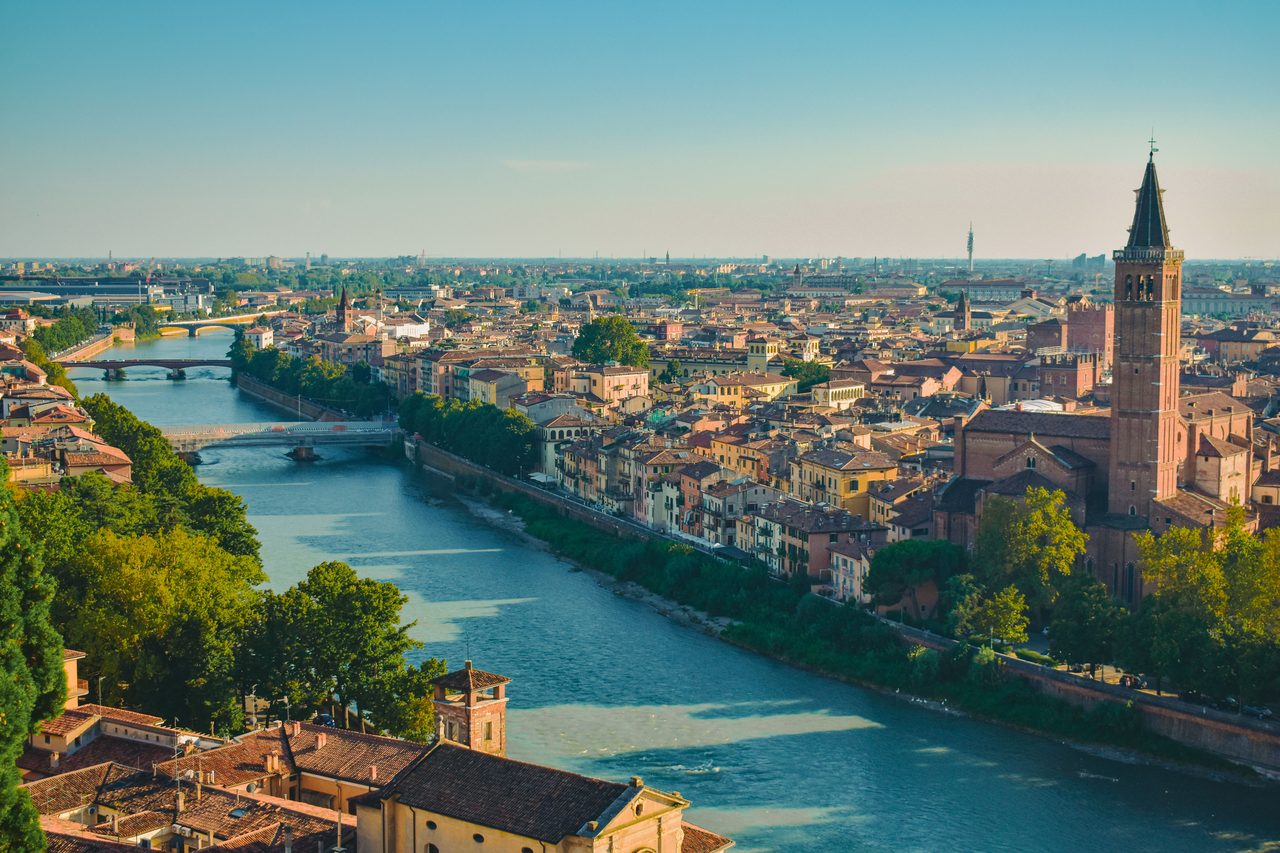
Veneto is one of Italy's most diverse and captivating regions, stretching from the dramatic peaks of the Dolomites in the north to the Adriatic Sea in the east. Home to Venice, Verona, and Padua, it blends iconic art cities with rolling wine hills, thermal spas, and pristine alpine landscapes. From the canals of La Serenissima to the ancient Roman amphitheater of Verona, Veneto offers an unmatched tapestry of history, cuisine, and natural beauty.
Veneto is Italy's third-largest region by population and one of its most economically prosperous, offering a breathtaking variety of landscapes. Visitors can explore the UNESCO-listed canals of Venice, attend opera at Verona's Roman arena, visit Giotto's stunning frescoes in Padua, and ski in the Dolomites—all within a single region. The area is also Italy's largest wine-producing region, famed for Prosecco, Soave, Amarone, and Valpolicella.
The 26 destinations our editors recommend — from iconic landmarks to under-the-radar finds.
St. Mark's Basilica
The jewel of Venice, St. Mark's Basilica is a breathtaking Byzantine cathedral adorned with golden mosaics covering over 8,000 square meters. Built to house the relics of St. Mark the Evangelist, it served as the private chapel of the Doge and a symbol of Venetian power. The Pala d'Oro altarpiece alone, studded with over 2,000 gemstones, is worth the visit.
Doge's Palace (Palazzo Ducale)
The magnificent Gothic palace served as the seat of Venetian government for nearly a millennium, housing the Doge, courts, prisons, and state offices. Marvel at the world's largest oil painting, Tintoretto's 'Paradise', in the Great Council Chamber, and cross the Bridge of Sighs connecting the palace to the old prison.
Rialto Bridge
The most famous of Venice's four Grand Canal bridges, the Rialto was the city's only Grand Canal crossing for centuries and a center of commerce. Built between 1588 and 1591 to a design by Antonio da Ponte, this elegant stone arch is lined with jewelry and souvenir shops and offers superb canal views.
Arena di Verona
One of the world's best-preserved Roman amphitheaters, the Arena was built in the 1st century AD and could once hold 30,000 spectators. Today it hosts world-class opera productions each summer, with performances under the stars creating an unforgettable experience. Even outside opera season, the arena is a magnificent sight to explore.
Scrovegni Chapel, Padua
Considered one of the greatest works of Western art, Giotto's revolutionary fresco cycle (1304–1306) covers every wall and ceiling of this small chapel. The 37 scenes depicting the lives of the Virgin and Christ fundamentally changed the course of European painting, moving from Byzantine flatness to naturalistic emotion.
Grand Canal, Venice
Venice's main waterway stretches 3.8 kilometers in a sweeping S-curve through the heart of the city, lined with over 170 palaces and Gothic, Renaissance, and Baroque mansions. Taking a vaporetto ride along its length is an essential Venice experience, offering ever-changing views of the city's spectacular skyline.
Recommended itineraries
Pick a length, follow the route. Each itinerary balances headline sights with breathing room.
5-Day Veneto Explorer
Day 1Arrive in Veneto, explore city center
Day 2Visit top attractions and museums
Day 3Day trip to nearby highlights
Day 4Local markets and hidden gems
Day 5Final sightseeing, departure
7-Day Classic Veneto
Days 1-2Veneto city highlights
Days 3-4Regional exploration
Days 5-6Cultural immersion and local experiences
Day 7Return and departure
14-Day Ultimate Veneto
Days 1-3Veneto comprehensive city tour
Days 4-6Northern region exploration
Days 7-9Eastern highlights
Days 10-12Southern attractions
Days 13-14Return to Veneto, departure
Where to stay in Veneto
Three tiers, every traveller covered — from cost-conscious to flagship hotels.
Budget $60
Hostels, budget hotels, and guesthouses offer affordable stays without sacrificing experience.
Mid-range $160
Boutique hotels and well-located accommodations provide comfort and convenience at reasonable prices.
Luxury $480
World-class resorts and premium hotels deliver unforgettable experiences.
Hotel Danieli
San Marco / Castello, Venice · $$$$
One of the world's great hotels, the Danieli occupies a magnificent 14th-century Gothic palace steps from St. Mark's Square. Its stunning four-story lobby atrium, Dogaressa staircase, and rooftop restaurant with lagoon views make it an unmissable Venice experience.
A legendary Grand Canal palazzo that served as a Doge's residence, The Gritti Palace offers opulent rooms with direct lagoon views and one of Venice's finest restaurants, Club del Doge. Impeccably restored in 2013, it combines 15th-century grandeur with modern luxury.
Verona's most prestigious address, the Due Torri has welcomed royalty and dignitaries since the 14th century. Each room is individually decorated with period furniture and authentic antiques, and the location on Piazza Sant'Anastasia puts guests steps from the city's finest medieval architecture.
A stunning 15th-century Venetian villa transformed into a contemporary art hotel in the Valpolicella hills outside Verona. The property features rotating contemporary art installations, a magnificent pool, and Michelin-starred restaurant Arquade within a splendid historic setting.
Cafés, neighbourhood gems, and tasting menus worth the table reservation.
Osteria alle Testiere
Venetian Seafood · $$$
Arguably Venice's best seafood restaurant, this tiny osteria with just 22 covers serves exquisitely simple Adriatic seafood with perfectly matched natural wines. Reservations are essential and must be made weeks in advance — a true pilgrimage for seafood lovers.
Il Desco
Modern Veronese · $$$$
One of Verona's most celebrated restaurants, Il Desco holds a Michelin star for its creative modern Italian cuisine rooted in Veronese tradition. The elegant 16th-century palazzo setting and extensive wine list matching the best of the Veneto make this a special occasion choice.
Glam Venezia
Modern Italian · $$$$
The Michelin-starred restaurant within Palazzo Venart hotel, Glam serves contemporary Italian cuisine by chef Donato Ascani. The intimate dining room and beautiful Grand Canal garden terrace provide an exceptional setting for creative seasonal menus.
Osteria L'Anfora
Venetian Cicchetti · $$
A beloved classic bacaro in the Santa Croce district, L'Anfora serves some of Venice's finest cicchetti alongside an excellent selection of wines by the glass. The bar fills with locals from noon onwards for the traditional Venetian lunch ritual of ombra e cicchetti.
Trattoria alla Madonna
Venetian Traditional · $$
A Venice institution since 1954 near the Rialto, this bustling traditional trattoria serves honest Venetian cuisine at fair prices. Noisy, busy, and beloved by locals and knowing visitors alike — expect excellent fish, fresh pasta, and simple desserts.
Cantina Do Mori
Venetian Bacaro · $
Venice's oldest bacaro, operating since 1462 near the Rialto market. Dark, atmospheric, and authentic, it serves traditional cicchetti from hanging copper pots and a fine selection of wines. The quintessential Venetian eating experience.
Veneto has excellent transport infrastructure. The main cities (Venice, Padua, Vicenza, Verona, Treviso) are connected by fast, frequent trains on the main Venice–Milan line. Venice itself uses water transport — vaporetti (water buses), traghetti (gondola ferries), and water taxis. The Dolomites and wine regions are best reached by car or organized tours.
Train (Trenitalia/Italo)
Fast, frequent connections on the Venice–Padua–Vicenza–Verona axis. Venice–Padua 25 min; Venice–Verona 1h20min; Venice–Treviso 30 min
Cost: $5–30 depending on distance and advance booking
Vaporetto (Venice water bus)
ACTV water bus network covering Venice's canals and lagoon islands. Line 1 along Grand Canal is most scenic; Line 2 is faster
Cost: $9.50 single; $20 day pass
Traghetto
Standing gondola ferry crossing the Grand Canal at 7 crossing points — the local's shortcut
Cost: $2 per crossing
Water taxi
Fast, private, expensive water transport in Venice. Fixed tariffs from airport or for point-to-point journeys
Cost: $100–130 from airport; $60+ for point-to-point
Regional bus (ACTV/ATVO/BusItalia)
Regional buses connect smaller towns and villages not served by train. Jesolo beach, hill towns, and the Dolomites use bus services
Cost: $2–15 depending on route
Car rental
Essential for Dolomites, Valpolicella, Prosecco hills, and Lake Garda wine country. Not useful in Venice itself — no cars allowed on the island
Cost: $40–80/day
Gondola
Romantic traditional rowing boat — a Venice icon but expensive. Officially €80 for 30 min in the day, €100 in the evening, per boat (not per person)
Cost: $85–110 per 30 minutes per boat
Budget breakdown
Daily spend by tier in EUR, broken out by category.
Category
Budget
Mid-range
Luxury
Accommodation
$25
$90
$300
Food (per day)
$18
$45
$100
Transportation
$9
$15
$45
Activities
$8
$20
$60
Daily total
$60
$160
$480
Best time to visit Veneto
Weather through the year in Veneto
Best timeShoulderWorth avoiding
Average daytime temperature in °C. Figures are for Veneto.
Essential travel tips
Book Venice accommodation at least 2–3 months ahead for summer
Use Treviso or Mestre as cheaper base alternatives to central Venice
Validate all train and bus tickets before boarding
Get a Venezia Unica card for discounted vaporetti and museum access
Hidden gems
Off-the-beaten-path corners most travellers miss.
Fondamenta degli Incurabili, Dorsoduro
quiet canalside walk with lagoon views
Ponte dei Tre Archi, Cannaregio
the only three-arched bridge in Venice
Osteria ai Nomboli for Venice's best tramezzini
Campo Santa Margherita at aperitivo hour
Cantina Do Spade for the most authentic bacaro experience
Skip the tourist gondola on Grand Canal
instead take the €2 traghetto (standing gondola) that locals use to cross the Grand Canal at 7 traditional crossing points
Punta della Dogana (arrive 6AM in summer)
Ponte dell'Accademia (facing east toward San Marco)
Ponte dell'Accademia looking west
San Giorgio Maggiore bell tower (€6 elevator)
Fondamenta Zattere looking south
Safety information
INFO
Guard your bag and pockets in Venice's crowded vaporetti, Piazza San Marco, and the Rialto market — pickpockets target distracted tourists
INFO
Use only official ACTV vaporetti and licensed water taxis in Venice — agree prices before boarding unofficial boats
INFO
Avoid restaurants with touts standing outside or menus with photos — these are almost always tourist traps with inflated prices
INFO
Validate your train and bus ticket before boarding every time — inspectors patrol regularly and fines are €50–200
INFO
Beware of overpriced 'free' offerings: men placing flowers or bracelets in your hand then demanding payment
INFO
Don't swim in Venice's canals — the current is strong, water is polluted, and boat traffic is dangerous
INFO
Be cautious of unofficial 'tour guides' or people approaching you near major attractions offering deals
INFO
Keep photocopies of your passport and keep the original in your hotel safe when sightseeing
INFO
Venice's narrow calli (alleys) can be confusing at night — download offline maps before arrival and carry a power bank
INFO
In the Dolomites, always check weather forecasts before hiking — mountain weather can change rapidly
INFO
Never leave valuables visible in parked rental cars — car break-ins occur in popular Dolomites trailhead parking areas
INFO
The acqua alta (high water) flooding in Venice is seasonal (Oct–April) — check the City of Venice flood forecast and wear waterproof boots
INFO
Be aware of the Venice day visitor fee (Contributo di Accesso) on peak days — fines apply for non-payment
INFO
In summer, stay hydrated and carry water — heat can be intense in Venice's shadeless calli
INFO
Follow posted signs on vaporetti and train stations — platforms and stops can be confusing for first-time visitors
Frequently asked questions
Is Veneto safe to visit in 2026?
Veneto is one of Italy's safest regions with very low rates of violent crime. The primary concern for visitors is petty theft — particularly pickpocketing in crowded tourist areas of Venice — along with tourist-oriented scams and inflated prices near major attractions. Emergency services: police at 112 (general) or 113 (Polizia di Stato), medical at 118 (ambulance) or 112.
What is the best time to visit Veneto?
The best time to visit Veneto is April–June and September–October. Veneto has a humid subtropical climate in the lowland plain, a Mediterranean-influenced climate on Lake Garda, and an alpine climate in the Dolomites. The Po Plain (Venice, Verona, Padua) experiences
Do I need a visa to visit Veneto?
Entry requirements follow Italy/EU Schengen rules. EU citizens need only a valid ID; non-EU visitors from many countries (USA, Canada, Australia) may enter visa-free for up to 90 days within a 180-day period under the Schengen Agreement. Requirements vary by nationality, so check with your nearest embassy or the official immigration website before traveling.
What currency is used in Veneto?
The currency in Veneto is the Euro (EUR). ATMs are widely available in cities and tourist areas. Credit cards are accepted at most hotels and restaurants, but carry cash for markets and smaller establishments.
What language is spoken in Veneto?
The main language(s) spoken in Veneto: Italian, Venetian. In tourist areas, English is generally understood. Learning a few basic phrases in the local language is appreciated by locals.
What are the top attractions in Veneto?
The top attractions in Veneto include St. Mark's Basilica, Doge's Palace (Palazzo Ducale), Rialto Bridge, Arena di Verona, and Scrovegni Chapel, Padua. Each offers a unique experience, from historic landmarks to natural wonders.
Explore Veneto by city
The cities below have their own guides — hotels, attractions and where to eat, in depth.