Fukui · 8 Places · Best March–May and October–November
Fukui
Fukui Prefecture occupies Japan's rugged Sea of Japan coastline in the Hokuriku region, blending ancient Zen Buddhism, world-class dinosaur discoveries, dramatic basalt cliffs, and five centuries of traditional craftsmanship into one of Japan's most underrated destinations.
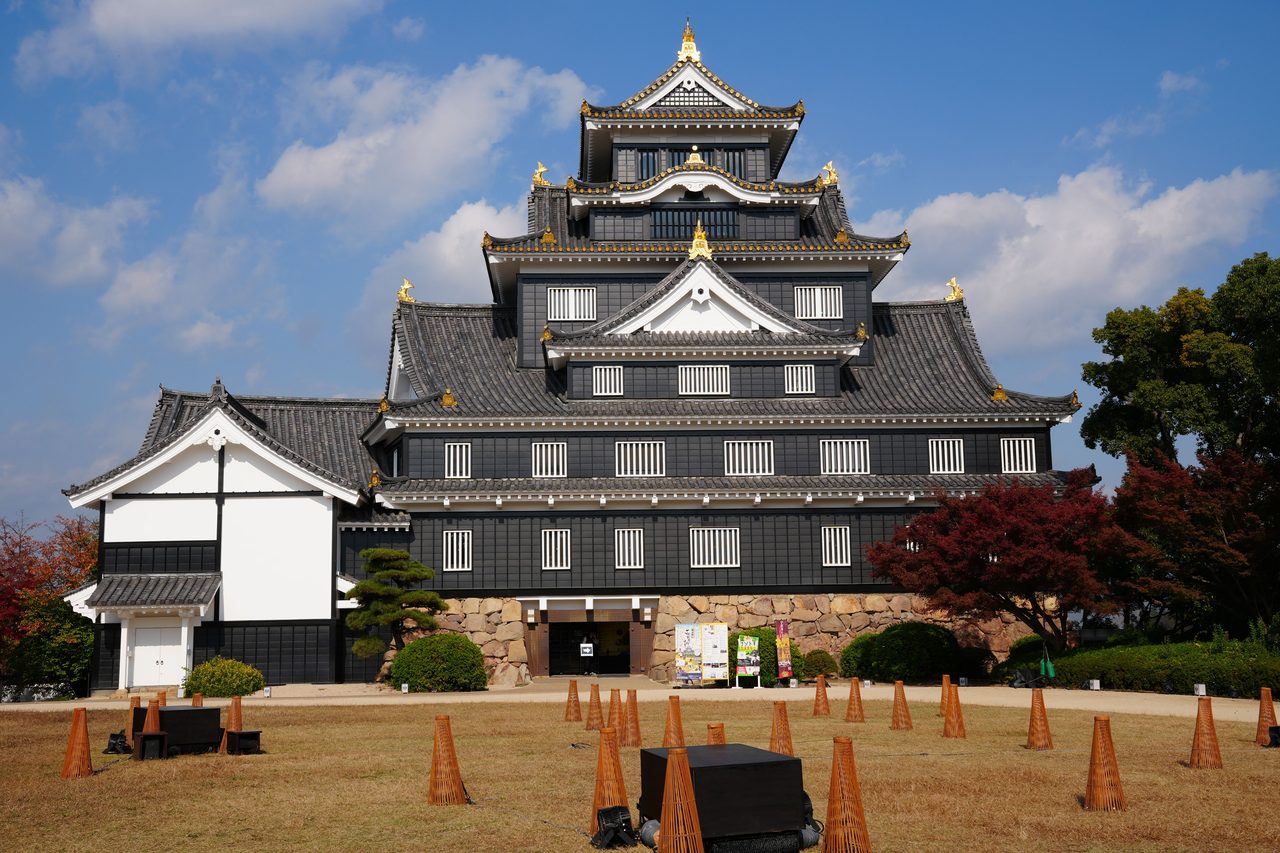
Fukui Prefecture stretches along Japan's Sea of Japan coastline, encompassing dramatic coastal scenery, ancient temples, and some of Asia's most significant paleontological sites. Eiheiji Temple, founded in 1244 by Zen master Dogen, remains one of Japan's two head temples of the Soto school of Zen Buddhism and draws pilgrims and visitors from around the world. The Fukui Prefectural Dinosaur Museum in Katsuyama holds the distinction of being one of the three largest dinosaur museums in the world, with genuine fossils excavated from Fukui's own Kitadani formation. Tojinbo — an extraordinary stretch of hexagonal basalt columns plunging into the Sea of Japan — ranks among Japan's most iconic coastal landscapes. Maruoka Castle preserves what many historians consider Japan's oldest existing castle tower, its stone walls rising above blankets of cherry blossoms every April. Fukui's craftspeople have practiced five traditional arts for centuries: Echizen washi paper, Echizen lacquerware, Echizen pottery, Echizen uchihamono cutlery, and Habutae silk. In winter, Echizen crab (zuwaigani) caught from Sea of Japan ports becomes a premium delicacy that drives culinary tourism across the Hokuriku region. The Hokuriku Shinkansen extension opened to Fukui in March 2024, placing the prefecture within approximately 2 hours of Tokyo for the first time.
The 8 destinations our editors recommend — from iconic landmarks to under-the-radar finds.
Eiheiji Temple
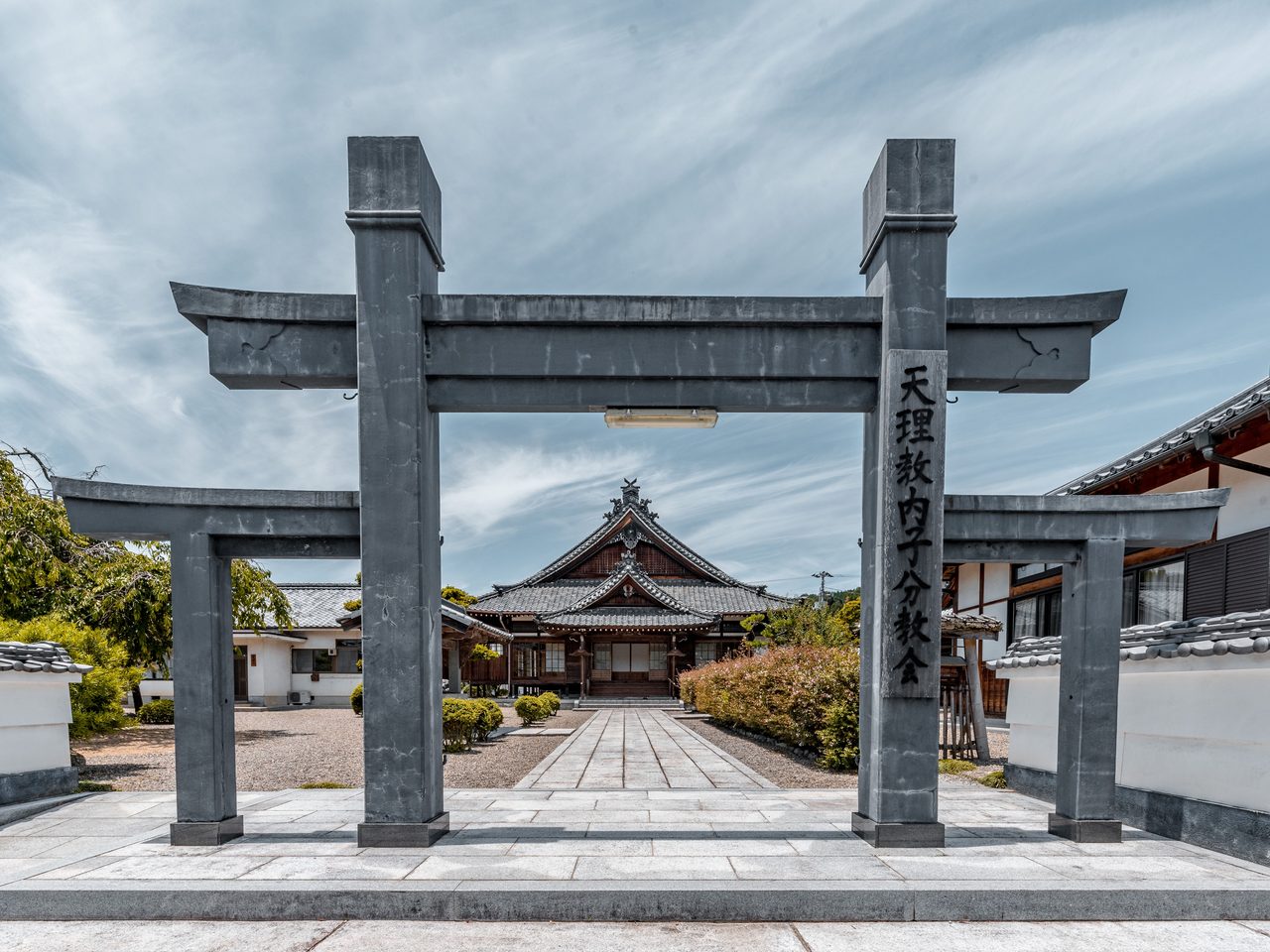
Eiheiji is one of the two head temples of the Soto Zen sect, founded in 1244 by Dogen. It remains an active training monastery where monks follow a strict daily schedule of meditation, chores and study, so visitors walk through a working religious institution rather than a museum piece. The complex covers a wooded hillside and connects its main halls with covered wooden corridors, so you move between buildings without going outside.
Fukui Prefectural Dinosaur Museum
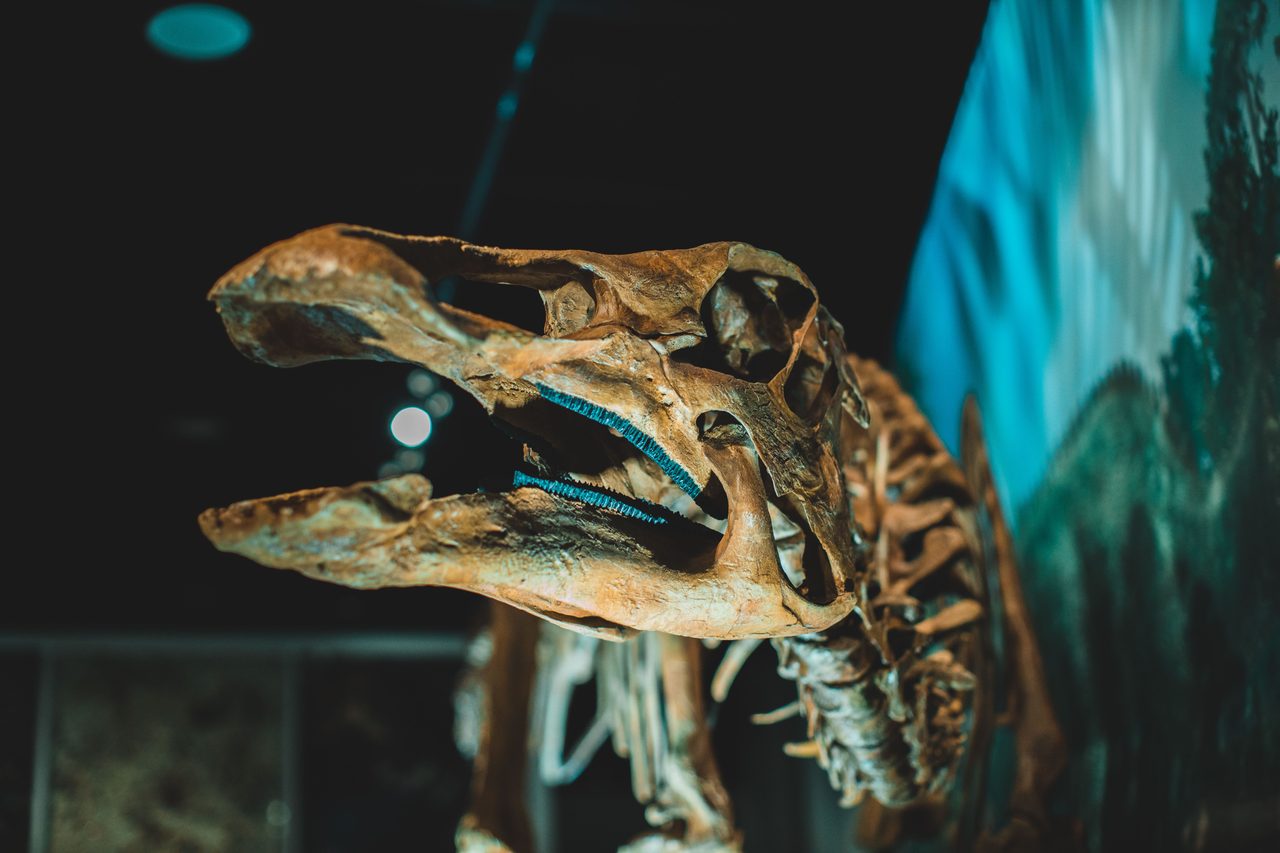
This is one of the three largest dinosaur museums in the world, built because Katsuyama sits on one of Japan's richest dinosaur fossil beds. The main hall displays around 50 mounted dinosaur skeletons, including specimens excavated locally, under a striking domed glass structure. Exhibits cover fossil formation and evolution alongside the skeletons, and a shuttle bus connects the museum to an outdoor fossil excavation site nearby.
Tojinbo Cliffs
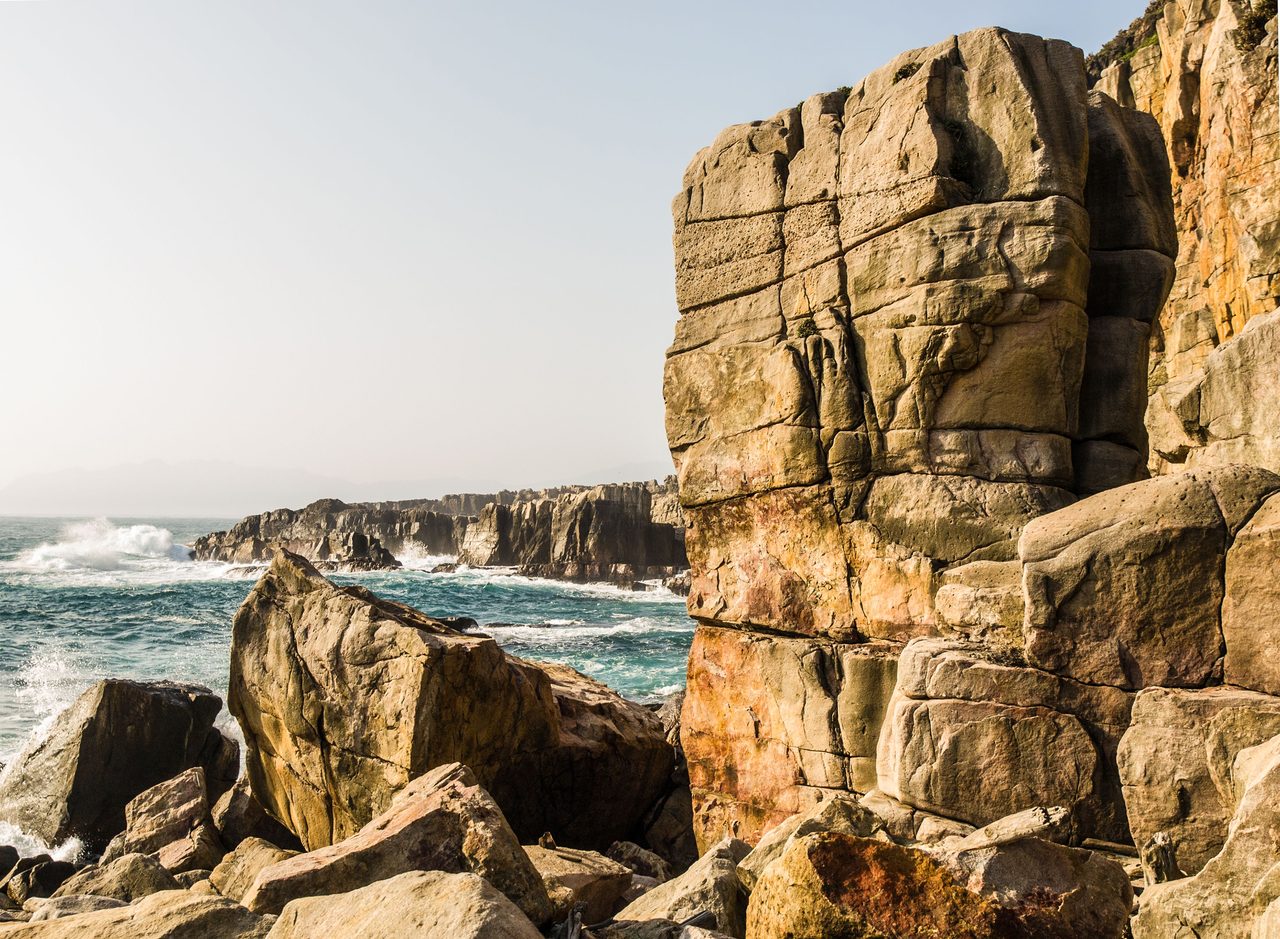
Tojinbo is a roughly kilometer-long stretch of andesite cliffs on the Sea of Japan coast, carved into tall, columnar rock formations by wave action over centuries. This type of pyroxene andesite columnar jointing is considered rare worldwide, which is why the site holds national natural monument status. Walkways run along the clifftop and down toward the rocks, giving direct views of the surf hitting the columns below.
Maruoka Castle
Maruoka Castle's keep is one of only twelve original castle towers left in Japan, built in the late 16th century and never destroyed by war, fire or demolition. It's smaller and plainer than the famous reconstructed castles, with a stone base and a simple two-story wooden tower topped by a distinctive stone-tiled roof. Inside, steep wooden staircases lead up through the original timber framing to a viewing level overlooking the surrounding town.
Ichijodani Asakura Clan Ruins
This is the excavated site of the Asakura clan's castle town, which flourished in the 15th and 16th centuries before being destroyed by Oda Nobunaga's forces in 1573 and left buried until 20th-century archaeology uncovered it. Restored sections show stone-walled streets, samurai residences and a reconstructed garden laid out on their original foundations. Because the town was buried rather than built over, the street layout and building footprints are unusually complete for a site of this age.
Awara Onsen
Awara is Fukui's best-known hot spring resort town, developed since the late 19th century around a cluster of ryokan inns rather than a single bathing site. The alkaline waters are used both in inn-based baths and at a handful of public bathhouses in the town center. Its inland, low-key character makes it more of an overnight stop for soaking and kaiseki dinners than a sightseeing destination in itself.
Recommended itineraries
Pick a length, follow the route. Each itinerary balances headline sights with breathing room.
5-Day Fukui Explorer
Day 1Arrive in Fukui, explore city center
Day 2Visit top attractions and museums
Day 3Day trip to nearby highlights
Day 4Local markets and hidden gems
Day 5Final sightseeing, departure
7-Day Classic Fukui
Days 1-2Fukui city highlights
Days 3-4Regional exploration
Days 5-6Cultural immersion and local experiences
Day 7Return and departure
14-Day Ultimate Fukui
Days 1-3Fukui comprehensive city tour
Days 4-6Northern region exploration
Days 7-9Eastern highlights
Days 10-12Southern attractions
Days 13-14Return to Fukui, departure
Where to stay in Fukui
Three tiers, every traveller covered — from cost-conscious to flagship hotels.
Budget ¥4,500–7,500 ($30–50)
Hostels, budget hotels, and guesthouses offer affordable stays without sacrificing experience.
Mid-range ¥12,000–22,000 ($80–147)
Boutique hotels and well-located accommodations provide comfort and convenience at reasonable prices.
Luxury ¥45,000–120,000 ($300–800)
World-class resorts and premium hotels deliver unforgettable experiences.
The Hokuriku Shinkansen extension reached Fukui Station in March 2024, cutting Tokyo–Fukui journey time to approximately 2 hours 20 minutes. Fukui City is also served by the Echizen Railway network and Fukui Railway tram line. Buses operated by Keifuku Bus and Fukutetsu Bus connect major sights including Eiheiji Temple and Tojinbo. A rental car provides the most flexibility for exploring rural sites.
Budget breakdown
Daily spend by tier in JPY, broken out by category.
Category
Budget
Mid-range
Luxury
Accommodation
¥2,500–4,000 ($17–27) hostel or budget business hotel
¥7,000–14,000 ($47–94) mid-range hotel or standard ryokan
¥25,000–80,000 ($167–535) premium ryokan with Echizen crab dinner
Food (per day)
¥1,000–2,500 ($7–17)
¥3,000–6,000 ($20–40)
¥12,000–40,000 ($80–267)
Transportation
¥400–800 ($2.70–5.40)
¥600–1,200 ($4–8)
¥2,000–8,000 ($13.40–54)
Activities
¥500–1,500 ($3.35–10)
¥1,500–3,000 ($10–20)
¥5,000–15,000 ($33.50–100)
Daily total
¥4,500–7,500 ($30–50)
¥12,000–22,000 ($80–147)
¥45,000–120,000 ($300–800)
Best time to visit Fukui
Weather through the year in Japan
Best timeShoulderWorth avoiding
Average daytime temperature in °C. Figures are for Japan.
Fukui receives some of Japan's heaviest snowfall in winter — an asset for onsen visitors but a transport risk for casual sightseers. The Echizen crab season runs November through March and drives premium pricing at coastal ryokan. Spring cherry blossom at Maruoka Castle is spectacular and lasts about one week.
Essential travel tips
The Hokuriku Arch Pass (from ¥27,000 / ~$181) covers Shinkansen and regional JR trains across the Hokuriku region — good value if combining Fukui with Kanazawa and Toyama
Rent a car in Fukui City to reach Eiheiji Temple, the Echizen Pottery Village, and Tojinbo in a single day
Echizen crab must be ordered in advance at most ryokan (2 weeks ahead in peak November–January season)
The Fukui Prefectural Dinosaur Museum is closed on Wednesdays — plan accordingly
Eiheiji Temple's morning zazen sessions are open to visitors; arrive by 5:30 AM and register at the reception hall (¥500 / ~$3.35)
Hidden gems
Off-the-beaten-path corners most travellers miss.
Tsuruga Red Brick Warehouse
A Meiji-era red brick warehouse complex on Tsuruga port waterfront, converted into a cultural and restaurant venue with harbour views.
Yokokan Garden
A serene Edo-period strolling garden in Fukui City, once the villa of the Matsudaira clan, almost entirely missed by foreign visitors.
Kitadani Dinosaur Quarry
The active excavation site near Katsuyama where new dinosaur fossils — including four species named Fukuiraptor, Fukuisaurus, Fukuititan, and Fukuivenator — continue to be discovered.
Obama Old Town
The charming port city of Obama preserves more Buddhist temples per capita than anywhere in Japan, with well-maintained merchant townscapes and a famous mackerel road to Kyoto.
Safety information
INFO
Carry cash — many rural restaurants, craft shops, and small ryokan in Fukui do not accept credit cards
INFO
In winter, check road conditions before driving mountain routes; rental car companies offer studded tyres or chains
INFO
Follow temple etiquette at Eiheiji — silence is expected in the inner halls; monks are resident and actively practising
INFO
Emergency: 110 (police), 119 (fire/ambulance)
INFO
Fukui City's nearest hospital with emergency services: Fukui Prefectural Hospital, 2-8-1 Yotsui, Fukui City, tel: 0776-54-5151
Frequently asked questions
Is Fukui safe to visit in 2026?
Fukui Prefecture is one of Japan's safest destinations. Violent crime is extremely rare and petty crime such as pickpocketing is minimal. The primary hazards facing visitors are natural: heavy winter snowfall, coastal storm surges in typhoon season, and occasional earthquakes. Medical facilities in
What is the best time to visit Fukui?
The best time to visit Fukui is March–May and October–November. Fukui Prefecture has a Japan Sea (Nihonkai) climate characterised by heavy winter snowfall, warm and humid summers, and pleasant springs and autumns. The Sea of Japan coast receives some of Japan's he
Do I need a visa to visit Fukui?
Entry requirements follow Japan national rules. Many nationalities can enter visa-free for 90 days. Check the Japan Ministry of Foreign Affairs website (mofa.go.jp) for current requirements. Requirements vary by nationality, so check with your nearest embassy or the official immigration website before traveling.
What currency is used in Fukui?
The currency in Fukui is the Japanese Yen (JPY). ATMs are widely available in cities and tourist areas. Credit cards are accepted at most hotels and restaurants, but carry cash for markets and smaller establishments.
What language is spoken in Fukui?
The main language(s) spoken in Fukui: Japanese. In tourist areas, English is generally understood. Learning a few basic phrases in the local language is appreciated by locals.
What are the top attractions in Fukui?
The top attractions in Fukui include Eiheiji Temple, Fukui Prefectural Dinosaur Museum, Tojinbo Cliffs, Maruoka Castle, and Ichijodani Asakura Clan Ruins. Each offers a unique experience, from historic landmarks to natural wonders.