
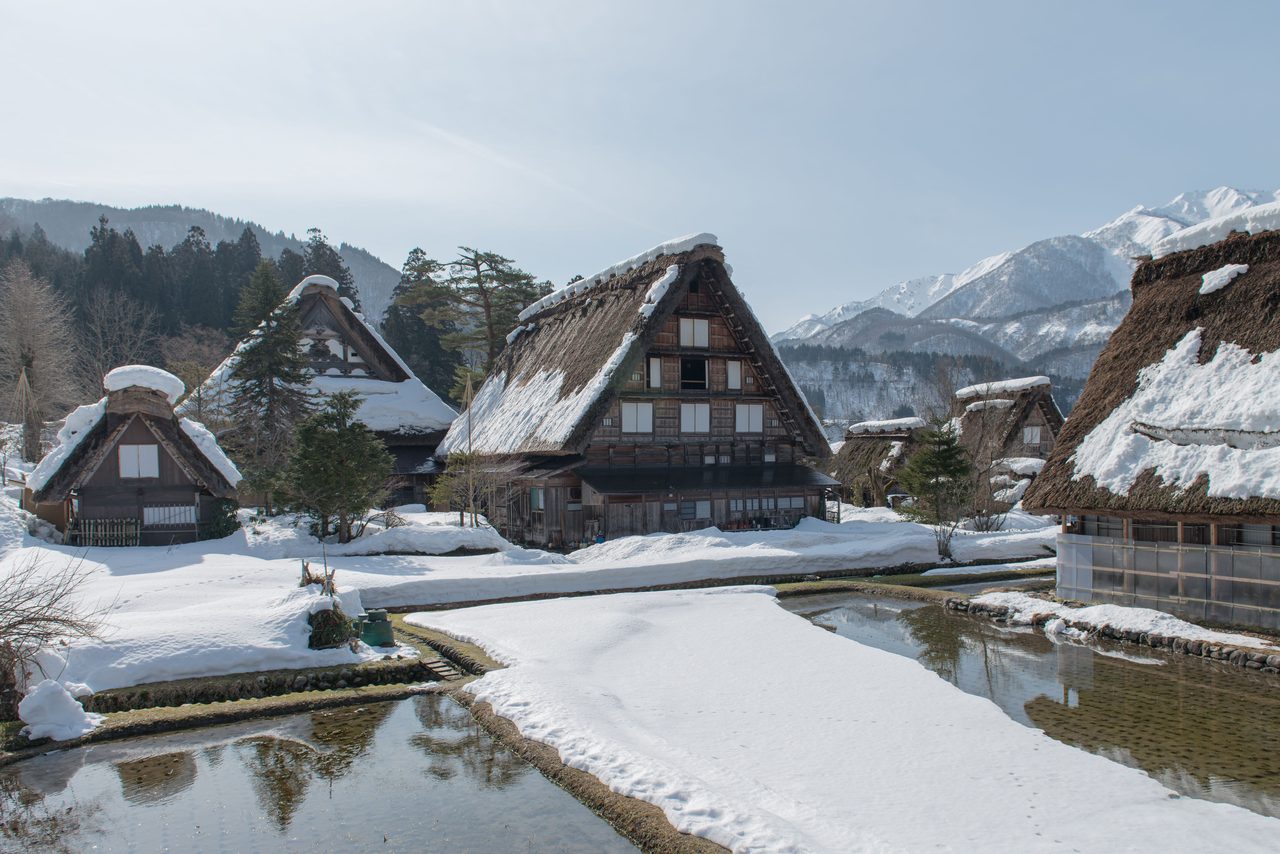
Shirakawa-go
A UNESCO World Heritage village of gassho-zukuri thatched farmhouses in the Shokawa River valley. The towering steeply-pitched roofs, built to shed heavy snowfall, house multi-generational families and small inns.
Chubu · 21 Places · Best March–May
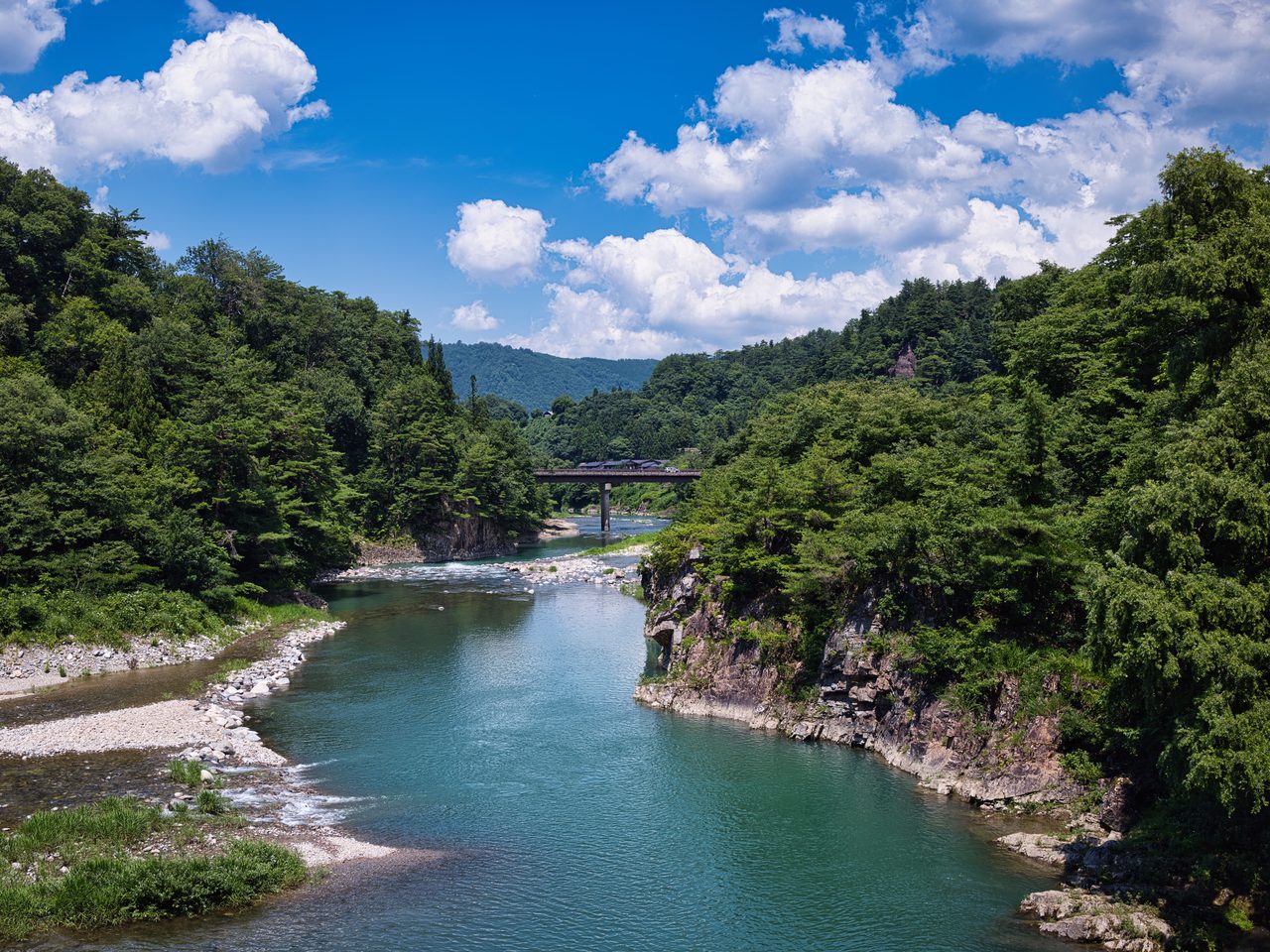
Gifu Prefecture occupies the heart of Honshu, stretching from the UNESCO-listed thatched villages of Shirakawa-go through the Hida mountain range to the cormorant-fishing rivers of Gifu City. It is one of Japan's most scenically diverse prefectures, blending ancient traditions with dramatic alpine landscapes.
Gifu Prefecture is a landlocked region in central Japan renowned for its extraordinary cultural heritage and natural beauty. The prefecture encompasses Gifu City on the Nagara River, the historic mountain town of Takayama, the UNESCO World Heritage village of Shirakawa-go, and the renowned hot-spring resort of Gero Onsen. Traditional crafts including Mino washi paper, Seki cutlery, and cormorant fishing survive here as living practices rather than museum pieces. The Hida mountain range defines the northern half of the prefecture, offering world-class hiking, skiing, and alpine scenery year-round.
Jump straight to the experience you're planning.
The 21 destinations our editors recommend — from iconic landmarks to under-the-radar finds.
A UNESCO World Heritage village of gassho-zukuri thatched farmhouses in the Shokawa River valley. The towering steeply-pitched roofs, built to shed heavy snowfall, house multi-generational families and small inns.
A hilltop castle perched atop Mount Kinka offering sweeping views over Gifu City and the Nagara River. Originally the base of warlord Oda Nobunaga, the current structure is a 1956 concrete reconstruction housing a local history museum.
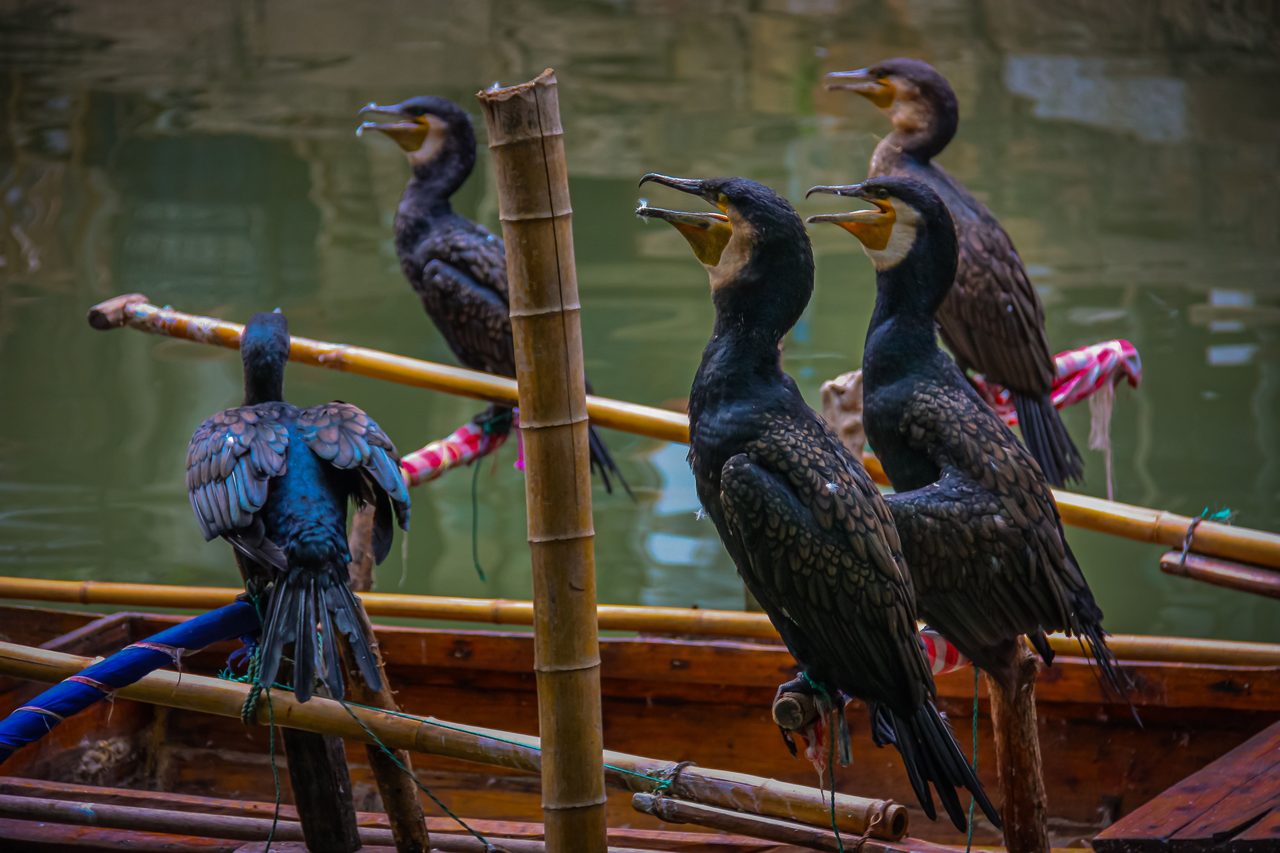
One of Japan's most iconic traditional practices: trained cormorant birds dive for sweetfish (ayu) on the Nagara River while fishermen in traditional wooden boats work by torchlight. The 1,300-year-old tradition runs May–October.
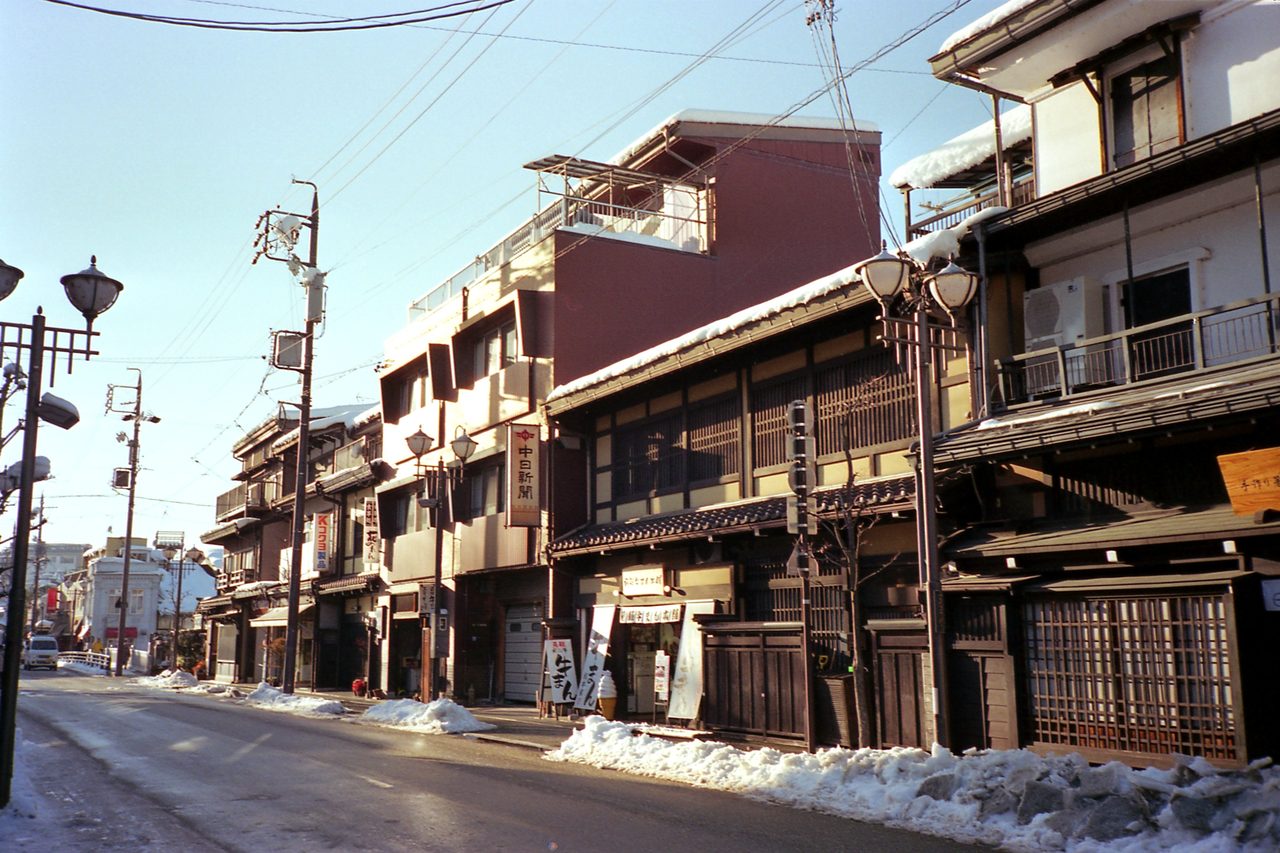
Three well-preserved streets of Edo-period merchant houses, sake breweries, craft shops, and galleries in central Takayama. Sake breweries display cedar balls (sugidama) to announce new brew seasons.
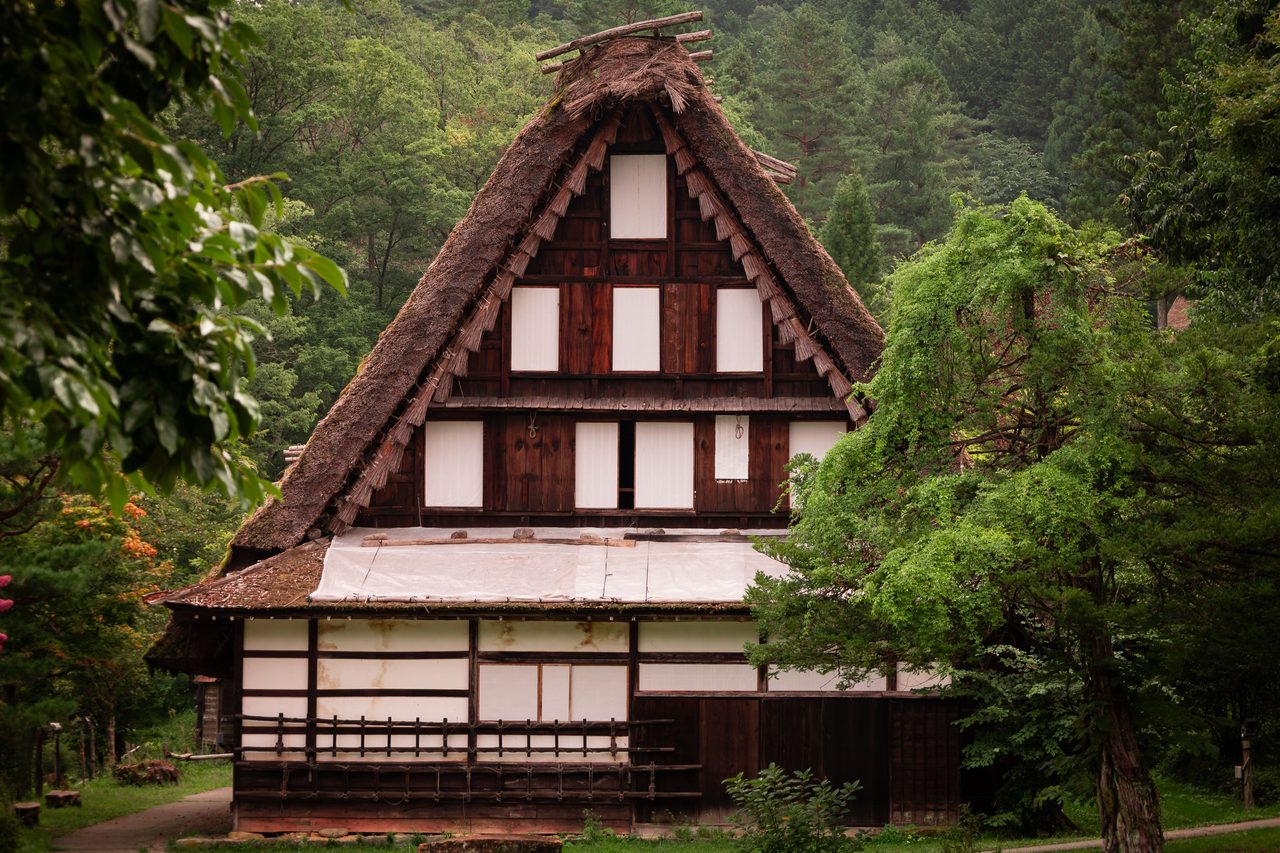
An open-air museum of 30 traditional Hida farmhouses relocated from across the region, including gassho-zukuri structures up to 500 years old. Craftspeople demonstrate weaving, woodworking, and pottery.
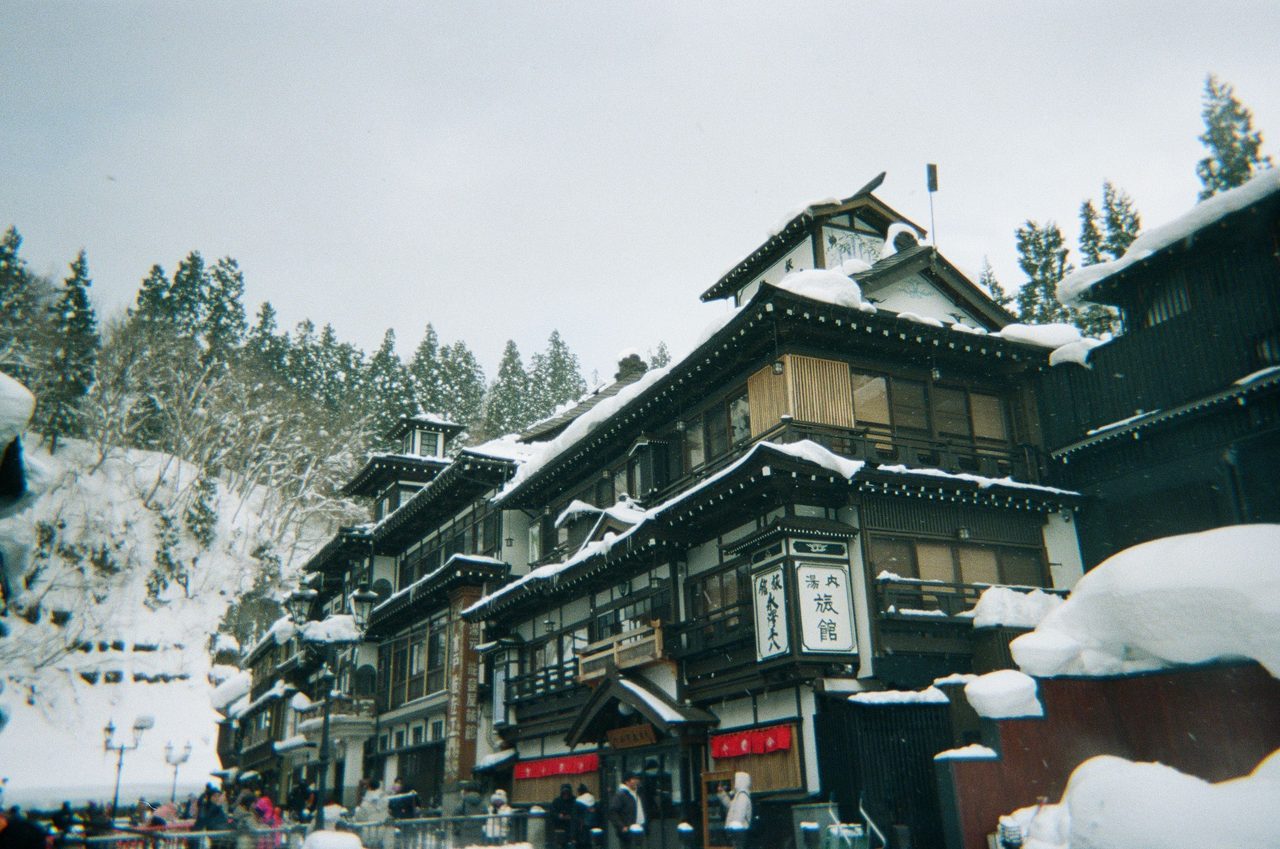
One of Japan's three greatest hot spring resorts (nihon san-meiyu), with alkaline sodium bicarbonate waters prized for skin-softening effects. The Hida River valley setting and traditional ryokan culture make it a premier wellness destination.
Pick a length, follow the route. Each itinerary balances headline sights with breathing room.
Three tiers, every traveller covered — from cost-conscious to flagship hotels.
Hostels, budget hotels, and guesthouses offer affordable stays without sacrificing experience.
Boutique hotels and well-located accommodations provide comfort and convenience at reasonable prices.
World-class resorts and premium hotels deliver unforgettable experiences.
Cafés, neighbourhood gems, and tasting menus worth the table reservation.
This is a seated dinner served aboard a flat-bottomed boat on the Nagara River while a traditional cormorant-fishing crew works the water alongside you. The usho (cormorant master) wears the old fisherman's dress of straw skirt and black cap and works six to twelve birds on leashes by the light of an iron cresset burning at the bow of the fishing boat. Your own boat is open-sided and lantern-lit, so the meal is eaten to the sound of the river and the birds rather than in an enclosed dining room.
This is an open-air row of stalls set along the embankment of the Miyagawa river in Takayama's old town, run mostly by local farmers and their families rather than a single vendor. The goods are what a household would actually put out that morning: seasonal vegetables, pickles, dried mountain produce, and a handful of stalls selling grilled or skewered snacks to eat on the spot. There's no seating or dining room to speak of; it's a walk-and-eat market strung along the river path rather than a shop.
Book a food tour in Gifu We may earn a commission from bookings made through this link.
Gifu City is 20 minutes by JR from Nagoya, which has Shinkansen connections to Tokyo (1h45m) and Osaka (50 min). The JR Takayama Line runs north-south through the prefecture, connecting Gifu City, Mino-ota, Gero, and Takayama. Highway buses link Nagoya, Takayama, Shirakawa-go, and Kanazawa. Car rental is strongly recommended for exploring mountain gorges and rural villages.
Daily spend by tier in JPY, broken out by category.
| Category | Budget | Mid-range | Luxury |
|---|---|---|---|
| Accommodation | ¥3,500–¥7,000 (~$23–$45)/night | ¥10,000–¥20,000 (~$65–$129)/night | ¥30,000–¥80,000 (~$194–$516)/night per person |
| Food (per day) | ¥1,500–¥2,500 (~$10–$16)/day | ¥3,000–¥6,000 (~$19–$39)/day | ¥8,000–¥20,000 (~$52–$129)/day |
| Transportation | ¥1,000–¥2,500 (~$6.50–$16)/day | ¥2,000–¥4,000 (~$13–$26)/day | ¥5,000–¥15,000 (~$32–$97)/day |
| Activities | ¥500–¥2,000 (~$3.25–$13)/day | ¥2,000–¥5,000 (~$13–$32)/day | ¥5,000–¥15,000 (~$32–$97)/day |
| Daily total | ¥7,000–¥14,000 (~$45–$90)/day | ¥17,000–¥35,000 (~$110–$226)/day | ¥48,000–¥130,000 (~$310–$839)/day |
Best time Shoulder Worth avoiding
Average daytime temperature in °C. Figures are for Japan.
March–May (spring cherry blossoms; moderate temperatures) and October–November (spectacular autumn foliage; clear skies)
Winter (December–February) is cold and snowy but offers the magical Shirakawa-go snow illumination and quiet ryokan experiences. Mountain roads may close; check before driving.
Gifu sits near major fault lines — the 1891 Nobi Earthquake (magnitude 8.0) was Japan's most destructive inland quake. On check-in at any accommodation, locate emergency exits and the nearest evacuation assembly point. Japanese buildings are earthquake-engineered, but knowing exit routes is essential.
Mountain conditions in Gifu change rapidly year-round. Always check the Japan Meteorological Agency forecast (jma.go.jp/en/) before hiking. Mt. Ontake last erupted fatally in 2014 — check JMA volcanic alert levels before approaching above 2,500m. Alert levels are published at jma.go.jp/en/volcano/.
Many ryokan, mountain restaurants, markets, and rural bus routes in Gifu are cash-only. Withdraw at least ¥20,000–¥30,000 (~$129–$194) before leaving Gifu City or Takayama. Japan Post Office ATMs and 7-Eleven ATMs reliably accept foreign Visa and Mastercard cards.
The Nagara River has strong currents during the summer rainy season (June–July). Do not swim outside designated swimming areas. Gorge rivers in northern and eastern Gifu can flash-flood after upstream rainfall. Monitor weather forecasts on multi-day gorge hikes.
Dial 110 for police and 119 for ambulance or fire. If you cannot communicate in Japanese, call the Japan Visitor Hotline (+81-50-3816-2787), which operates 24 hours a day in English, Chinese, Korean, and other languages. Save this number on your phone before arrival.
Mountain roads in northern Gifu (particularly routes to Shirakawa-go and gorge areas) are narrow with limited passing places and steep drop-offs. Winter driving (November–March) requires snow tyres or chains — rental cars in the region include this when booked in advance. Check road closures at jartic.or.jp before setting out.
Gifu Prefecture is among Japan's safest regions for visitors. Violent crime is extremely rare. The main risks are natural: earthquakes (the region sits near major fault lines), typhoons (August–September), mountain weather hazards, and seasonal road closures. Visitors who exercise standard outdoor p
The best time to visit Gifu is March–May. Gifu Prefecture has a humid continental climate with four distinct seasons. The Hida mountain region in the north (Takayama, Shirakawa-go) experiences heavier snowfall and cooler temperatures year-rou
Visitors from most Western nations receive a 90-day visa-free stamp on arrival. Check the Japan Ministry of Foreign Affairs website (www.mofa.go.jp) for the current list of eligible nationalities. Requirements vary by nationality, so check with your nearest embassy or the official immigration website before traveling.
The currency in Gifu is the Japanese Yen (JPY) (JPY). ATMs are widely available in cities and tourist areas. Credit cards are accepted at most hotels and restaurants, but carry cash for markets and smaller establishments.
The main language(s) spoken in Gifu: Japanese. In tourist areas, English is generally understood. Learning a few basic phrases in the local language is appreciated by locals.
The top attractions in Gifu include Shirakawa-go, Gifu Castle, Nagara River Ukai (Cormorant Fishing), Takayama Old Town (Sanmachi Suji), and Hida Folk Village (Hida no Sato). Each offers a unique experience, from historic landmarks to natural wonders.