Hiroshima is one of Japan's most historically significant cities, forever linked to the atomic bombing of August 6, 1945, yet reborn as a vibrant modern metropolis and a global symbol of peace and resilience. The city sits on the delta of the Ota River where six channels meet the Seto Inland Sea, giving it a lush, island-laced setting. Beyond its profound memorial sites, Hiroshima offers excellent cuisine — including the iconic layered Hiroshima-style okonomiyaki — beautiful Seto Inland Sea islands like Miyajima with its floating torii gate, and a warm, welcoming local culture.
Hiroshima Prefecture stretches from the vibrant delta city of Hiroshima across mountains and valleys to the Seto Inland Sea coast. The city of Hiroshima transformed from wartime tragedy into one of Japan's most forward-looking urban centers, hosting millions of visitors annually at the Peace Memorial Park, the iconic A-Bomb Dome, and the nearby island-shrine of Miyajima. The region also offers excellent hiking, coastal scenery, distinctive regional cuisine, and a thriving arts and nightlife culture.
The 21 destinations our editors recommend — from iconic landmarks to under-the-radar finds.
Hiroshima Peace Memorial Park
This riverside park was built on the site of Hiroshima's former commercial district, flattened by the 1945 atomic bombing, and now serves as the city's central place for mourning and remembrance. It brings together the Peace Memorial Museum, the Children's Peace Monument, the Cenotaph for the A-bomb Victims, and dozens of smaller memorials across open lawns and tree-lined paths at the confluence of two river branches. Walking through it takes you past the eternal Flame of Peace, which stays lit until the last nuclear weapon on Earth is dismantled.
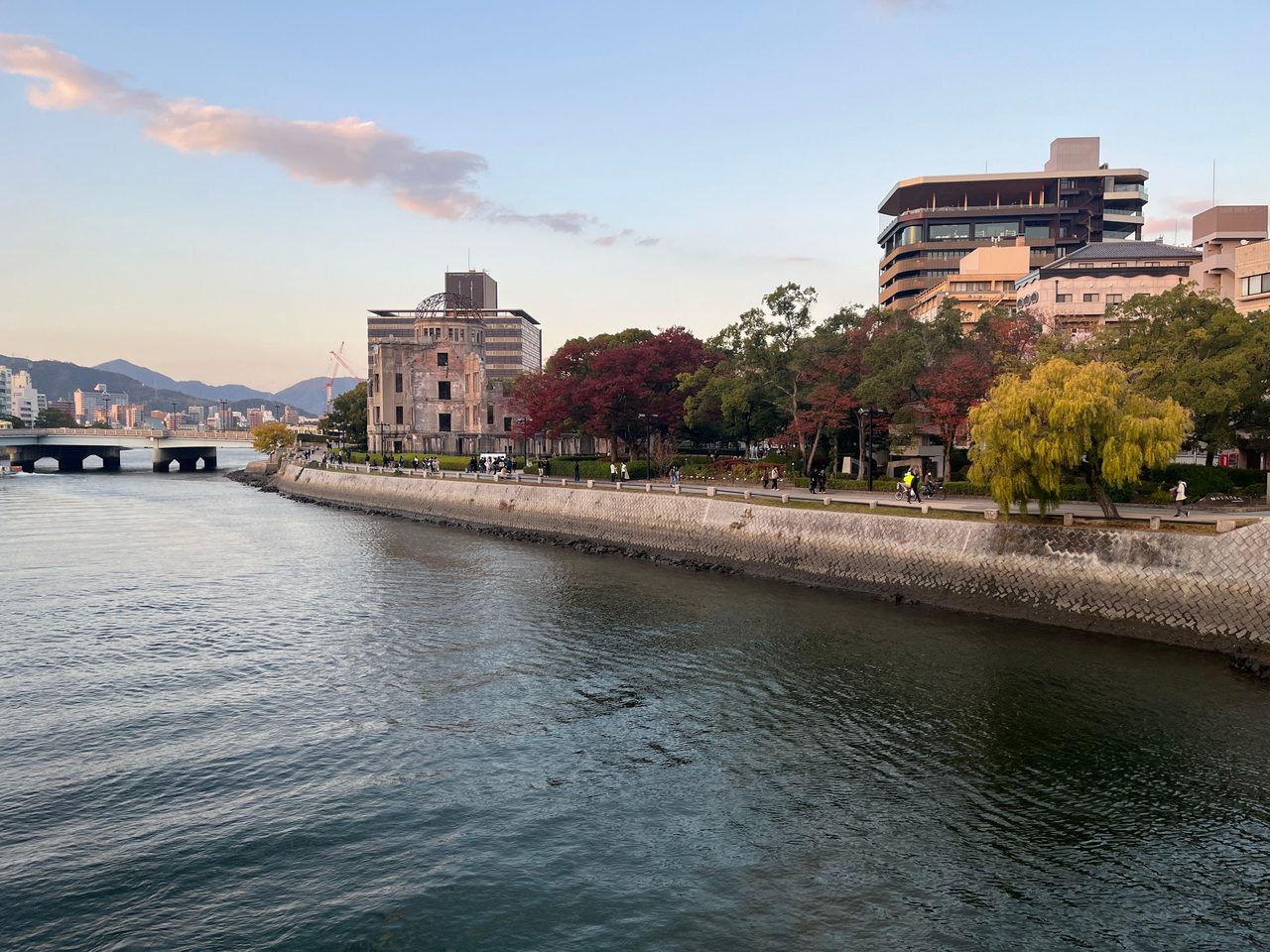
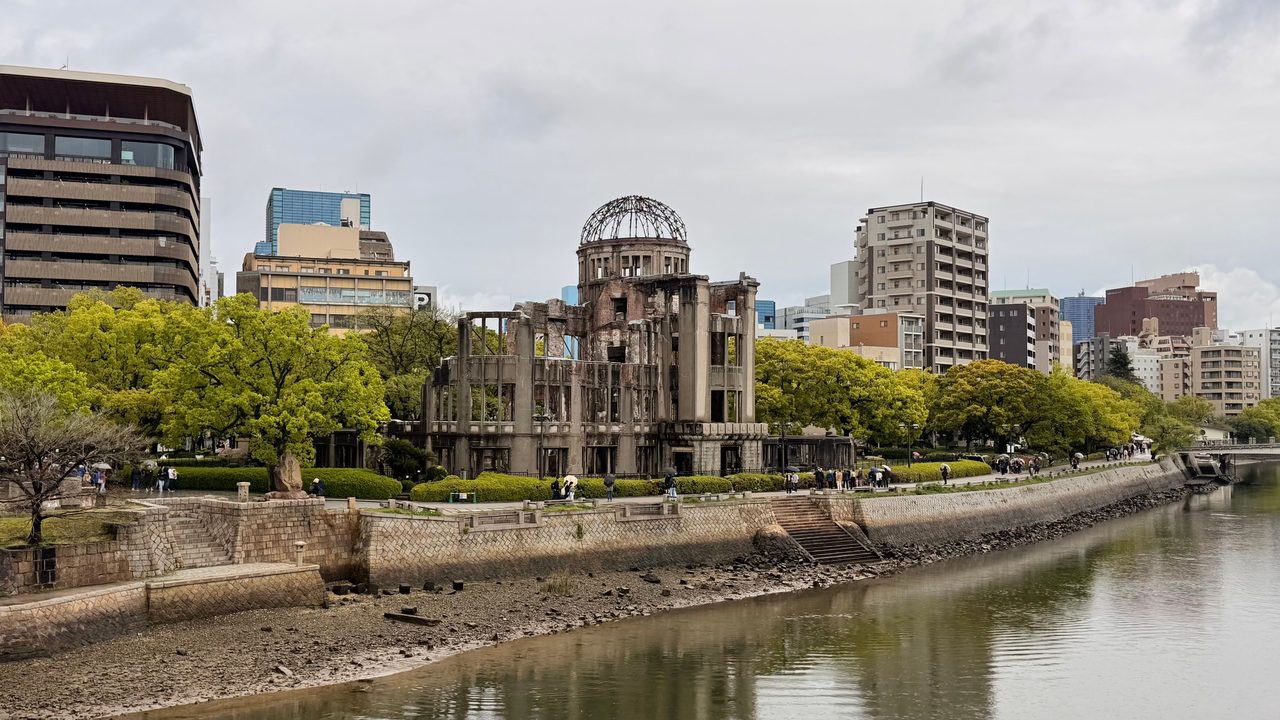
A-Bomb Dome (Genbaku Dome)
Formerly the Hiroshima Prefectural Industrial Promotion Hall, this building was almost directly beneath the atomic bomb's detonation point and is the only structure in the immediate blast area left standing, its skeletal brick shell and iron dome frame preserved exactly as they were. It became a UNESCO World Heritage Site in 1996 as a deliberate reminder of the bombing rather than a restored monument. Visitors view it from the outside only, from across the Motoyasu River or the adjacent park.
Hiroshima Peace Memorial Museum
The museum documents the August 6, 1945 bombing and its human consequences through photographs, personal belongings recovered from victims, and models showing the city before and after the blast. Exhibits move from the historical and political lead-up to the bombing into the individual stories of those affected, including items like a child's melted tricycle and scorched clothing. It's designed to be walked through as a single narrative rather than browsed room by room.
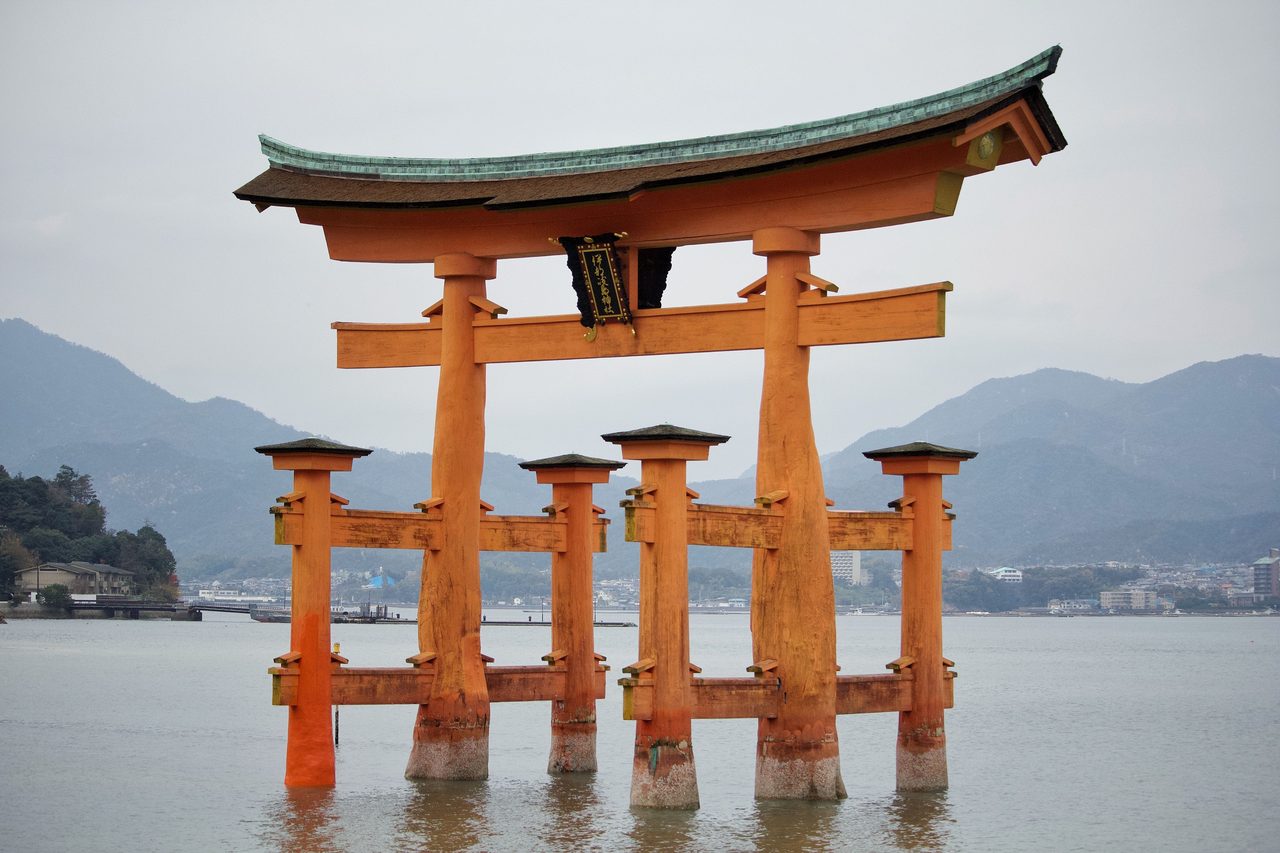
Itsukushima Shrine, Miyajima Island
Built on stilts over the water off Miyajima Island, this Shinto shrine appears to float at high tide, with its offshore torii gate becoming a landmark reachable on foot only when the tide is out. The current structure dates to the 12th century under the patronage of the warlord Taira no Kiyomori, though the site's religious use goes back further. It's a UNESCO World Heritage Site and one of Japan's most photographed shrines.
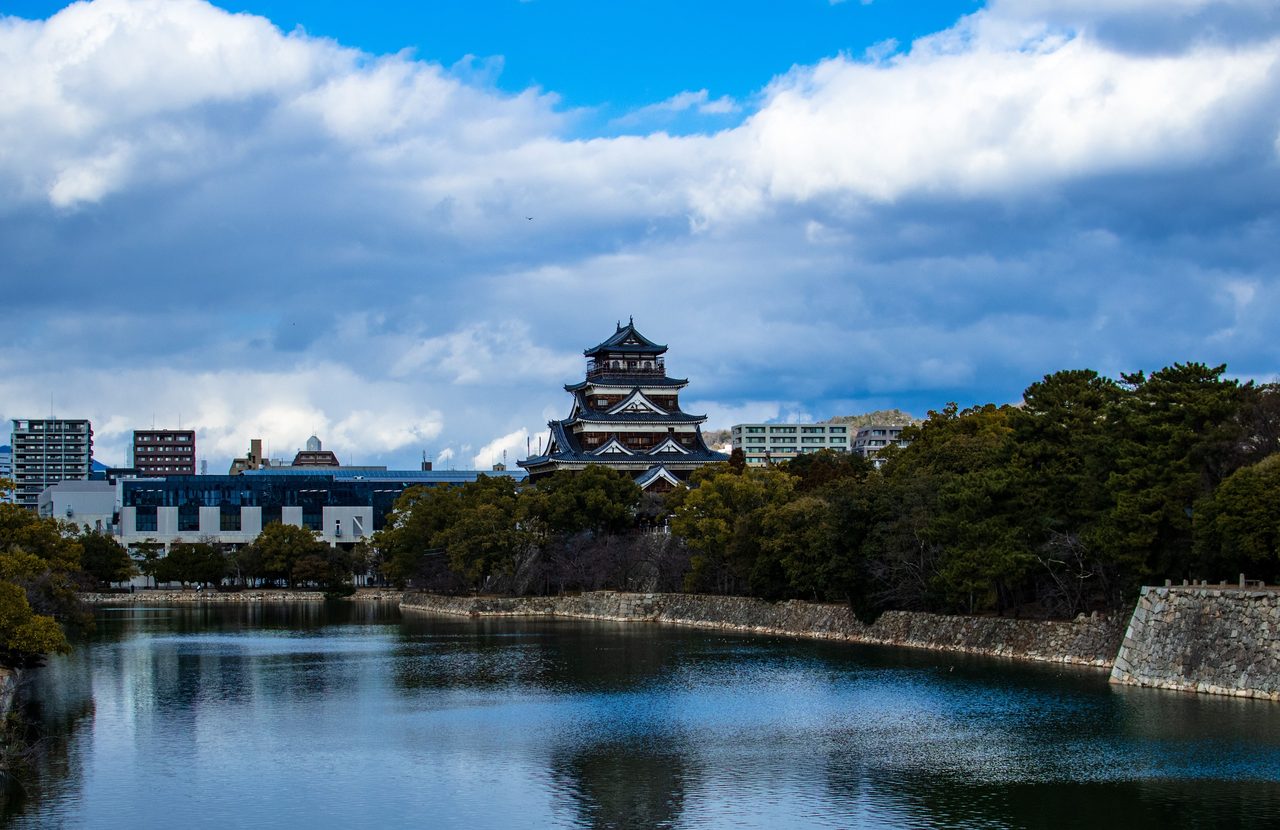
Hiroshima Castle (Carp Castle)
The original castle was built in the 1590s by feudal lord Mori Terumoto and destroyed in the atomic bombing; the current structure is a 1958 concrete reconstruction of the main keep, now housing a museum on the castle's history and samurai culture. Its nickname comes from the carp motif long associated with the castle and the city. The compact grounds include reconstructed gate structures and a moat.
Shukkeien Garden
This Edo-period landscape garden was laid out in 1620 for the daimyo Asano Nagaakira, modeled on a lake in China's Xihu region, with a central pond, arched bridges, and paths designed to be walked in sequence for changing views. Like most of the city it was destroyed in 1945 and later restored, with some original stone lanterns and features rebuilt to their earlier design. It's small enough to see in under an hour but rewards a slower pace.
Recommended itineraries
Pick a length, follow the route. Each itinerary balances headline sights with breathing room.
5-Day Hiroshima Explorer
Day 1Arrive in Hiroshima, explore city center
Day 2Visit top attractions and museums
Day 3Day trip to nearby highlights
Day 4Local markets and hidden gems
Day 5Final sightseeing, departure
7-Day Classic Hiroshima
Days 1-2Hiroshima city highlights
Days 3-4Regional exploration
Days 5-6Cultural immersion and local experiences
Day 7Return and departure
14-Day Ultimate Hiroshima
Days 1-3Hiroshima comprehensive city tour
Days 4-6Northern region exploration
Days 7-9Eastern highlights
Days 10-12Southern attractions
Days 13-14Return to Hiroshima, departure
Where to stay in Hiroshima
Three tiers, every traveller covered — from cost-conscious to flagship hotels.
Budget ¥5,500–¥11,800 ($37–$79)
Hostels, budget hotels, and guesthouses offer affordable stays without sacrificing experience.
Mid-range ¥13,200–¥28,500 ($89–$191)
Boutique hotels and well-located accommodations provide comfort and convenience at reasonable prices.
Luxury ¥33,000–¥95,000 ($221–$637)
World-class resorts and premium hotels deliver unforgettable experiences.
Hotel Granvia Hiroshima
Hiroshima Station South Exit · ¥18,000–¥35,000 ($120–$234)/night
A multi-storey building in Shintenchi packed with two dozen or so independent okonomiyaki counters, each with its own griddle and its own following. The style here is the Hiroshima layering method — cabbage, pork, noodles and egg stacked and pressed rather than mixed into batter like the Osaka version — cooked right in front of you by the stall owner. Floors are narrow and smoky, with counter seating around the hot plates rather than tables.
Kanawa Floating Restaurant
Japanese seafood / Oysters · ¥3,000–¥8,000 ($20–$54)/person
A restaurant built on a barge moored on the river near the Peace Memorial Park, specializing in oysters raised in the restaurant's own beds in Hiroshima Bay. The kitchen serves them across several preparations in one sitting — grilled, fried, in a hot pot — rather than just raw, which suits Hiroshima's reputation as Japan's largest oyster-producing region. The dining room has water views over the river.
One of the long-running okonomiyaki houses tied to the dish's postwar Hiroshima origins, still cooking the layered cabbage-pork-noodle-egg version on a large communal griddle. The setting is plain and functional — griddle counter seating, quick turnover — built for eating the dish hot off the plate rather than lingering over presentation.
Sushi Ichi
Japanese / Sushi · ¥5,000–¥15,000 ($33–$100)/person
Len (Hiroshima Wagyu Beef)
Wagyu beef / Japanese BBQ · ¥6,000–¥15,000 ($40–$100)/person
Tategami
Japanese / Kaiseki · ¥4,000–¥12,000 ($27–$80)/person
Hiroshima is served by Hiroshima Airport (HIJ), the Shinkansen bullet train, and an excellent city tram (streetcar) network. The compact city center is walkable, and Miyajima is a short ferry ride from Miyajimaguchi Station.
Budget breakdown
Daily spend by tier in JPY (Japanese Yen), broken out by category.
Category
Budget
Mid-range
Luxury
Accommodation
¥3,000–¥7,000 ($20–$47)
¥8,000–¥18,000 ($54–$120)
¥20,000–¥60,000 ($134–$402)
Food (per day)
¥1,500–¥2,500 ($10–$17)
¥3,000–¥6,000 ($20–$40)
¥8,000–¥20,000 ($54–$134)
Transportation
¥500–¥800 ($3–$5)
¥700–¥1,500 ($5–$10)
¥2,000–¥5,000 ($13–$34)
Activities
¥500–¥1,500 ($3–$10)
¥1,500–¥3,000 ($10–$20)
¥3,000–¥10,000 ($20–$67)
Daily total
¥5,500–¥11,800 ($37–$79)
¥13,200–¥28,500 ($89–$191)
¥33,000–¥95,000 ($221–$637)
Best time to visit Hiroshima
Weather through the year in Japan
Best timeShoulderWorth avoiding
Average daytime temperature in °C. Figures are for Japan.
March–May (spring, cherry blossoms) and October–November (autumn foliage)
Hiroshima's climate is mild year-round. The August 6 Peace Memorial Ceremony draws large crowds.
Essential travel tips
The JR Pass covers the Shinkansen to Hiroshima and the JR ferry to Miyajima — good value if coming from Tokyo or Osaka.
Trams are the easiest way to get around the city center; buy a 1-day tram pass (¥700/$4.70) if taking more than 3 rides.
Visit the Peace Memorial Museum early on weekdays — it fills quickly by 10AM, especially in spring.
Hiroshima oysters (kaki) are best from October to April when the sea is cooler.
At Miyajima, time visits around high tide to see the torii floating — the tourist information board at the ferry terminal posts that day's tide schedule.
Hiroshima City is compact and very walkable; the Peace Park, A-Bomb Dome, and Hondori shopping arcade are all within a 15-minute walk of each other.
Hidden gems
Off-the-beaten-path corners most travellers miss.
Shukkeien Garden
A miniature landscape garden designed in 1620, modeled after famous Chinese scenic spots. Beautiful in every season, yet far less visited than the Peace Park.
Onomichi
A hillside port town 80 km east of Hiroshima, famous for its cat-filled alleys, the Temple Walk linking 25 temples, and as the start of the Shimanami Kaido cycling route.
Senkoji Park (Onomichi)
A hilltop park above Onomichi reachable by ropeway, offering sweeping views of the Seto Inland Sea and dotted with cherry blossoms in spring.
Safety information
INFO
Japan is one of the world's safest countries — violent crime against tourists is extremely rare.
INFO
Watch for bicycles on sidewalks, which is common in Japan.
INFO
During typhoon season (August–October), monitor Japan Meteorological Agency alerts at www.jma.go.jp/en.
Hiroshima is one of Japan's safest cities and Japan is consistently among the world's safest countries for travelers. Violent crime against tourists is extremely rare. Petty theft is uncommon but possible in busy tourist areas. The main risks are natural hazards (typhoons, earthquakes, summer heat)
What is the best time to visit Hiroshima?
The best time to visit Hiroshima is March–May. Hiroshima has a humid subtropical climate (Köppen Cfa) with four distinct seasons. Summers are hot and humid (July–August reaching 33–36°C/91–97°F), winters are mild by Japan standards with light or n
Do I need a visa to visit Hiroshima?
Many nationalities can enter Japan visa-free for 90 days. Check Japan's Ministry of Foreign Affairs at www.mofa.go.jp for current entry requirements by nationality. Requirements vary by nationality, so check with your nearest embassy or the official immigration website before traveling.
What currency is used in Hiroshima?
The currency in Hiroshima is the Japanese Yen (JPY). ATMs are widely available in cities and tourist areas. Credit cards are accepted at most hotels and restaurants, but carry cash for markets and smaller establishments.
What language is spoken in Hiroshima?
The main language(s) spoken in Hiroshima: Japanese. In tourist areas, English is generally understood. Learning a few basic phrases in the local language is appreciated by locals.
What are the top attractions in Hiroshima?
The top attractions in Hiroshima include Hiroshima Peace Memorial Park, A-Bomb Dome (Genbaku Dome), Hiroshima Peace Memorial Museum, Itsukushima Shrine, Miyajima Island, and Hiroshima Castle (Carp Castle). Each offers a unique experience, from historic landmarks to natural wonders.