
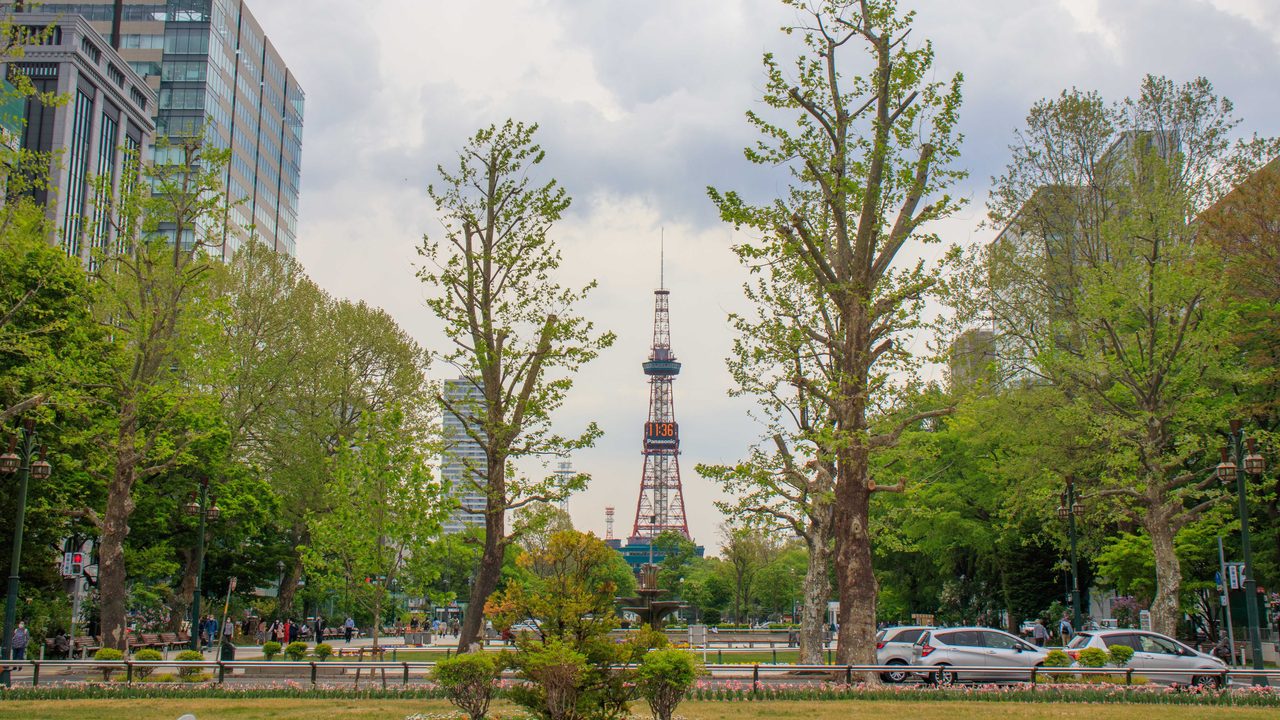
Sapporo Snow Festival (Yuki Matsuri)
Japan's most famous winter festival — enormous snow and ice sculptures fill Odori Park and Susukino across seven days in early February. Attendance exceeds 2 million. Free to attend.
Hokkaido · 12 Places · Best June-August, October, February
Hokkaido is Japan's northernmost and second-largest island, renowned for its pristine wilderness, world-class powder snow, and vibrant seasonal beauty. From the lavender-carpeted fields of Furano to the UNESCO-listed Shiretoko Peninsula, Hokkaido offers Japan's most dramatic natural landscapes alongside excellent seafood and dairy cuisine.
Hokkaido is Japan's frontier island, offering a compelling blend of dramatic nature and cosmopolitan city life. Sapporo, the regional capital, hosts the legendary Snow Festival each February and is famous for its ramen and beer culture. Beyond the city, Hokkaido's national parks, ski resorts, flower fields, and hot spring towns make it a year-round destination beloved by both Japanese and international travelers.
Jump straight to the experience you're planning.
The 12 destinations our editors recommend — from iconic landmarks to under-the-radar finds.
Japan's most famous winter festival — enormous snow and ice sculptures fill Odori Park and Susukino across seven days in early February. Attendance exceeds 2 million. Free to attend.
Japan's most innovative and most-visited zoo — barrier-free enclosures allow polar bears to swim overhead in clear tunnels, penguins to march among visitors in winter, and snow leopards to use overhead catwalks.
Japan's most active volcanic onsen landscape — a steaming grey crater filled with sulphurous rock formations, red mineral deposits, boiling vents, and free walking trails. 11 different spring water types emerge from this volcanic cauldron.

A beautifully preserved Meiji-era port town with a 1.1km stone-lined canal, historic red brick warehouses, gas lamp promenades, world-class sushi, sake breweries, and Hokkaido's finest glass craftsmanship.

Japan's most famous lavender farm — rows of brilliant purple lavender stretching to the Tokachi-dake volcanic range backdrop. The most iconic Hokkaido image. Free entry to main fields. Also flowers outside lavender season.

A surreal artificially-dammed pond fed with aluminium-rich spring water, producing an electric blue colour unlike anything in nature. Submerged dead birch trunks and the cobalt water create an otherworldly landscape that Apple used as a macOS wallpaper.
Pick a length, follow the route. Each itinerary balances headline sights with breathing room.
Three tiers, every traveller covered — from cost-conscious to flagship hotels.
Hostels, budget hotels, and guesthouses offer affordable stays without sacrificing experience.
Boutique hotels and well-located accommodations provide comfort and convenience at reasonable prices.
World-class resorts and premium hotels deliver unforgettable experiences.
Sapporo's most prestigious hotel, occupying floors 14-35 of the JR Tower directly above Sapporo Station. All 363 rooms offer commanding city and mountain views, and the hotel features multiple restaurants including a French fine-dining room, an all-day dining terrace, and a top-floor bar. The Sky Spa on the 35th floor has panoramic bath views. Direct connectivity to the station makes this the most convenient luxury option in Hokkaido.
Check rates on Booking.comA premium hotel in Hakodate's historic bay district, La Vista Hakodate Bay is celebrated for its extraordinary breakfast buffet featuring fresh Hakodate seafood and Hokkaido dairy. The rooftop onsen has stunning views over the bay. Rooms are spacious and elegantly appointed. The location is ideal — walking distance from the famous Hakodate Morning Market, Motomachi historic district, and the ropeway to Mt. Hakodate.
Check rates on Booking.comA dedicated ski-in/ski-out resort hotel at the quieter Annupuri area of Niseko United, offering direct access to Hokkaido's legendary powder snow. The hotel features large Western and Japanese-style rooms, a full-service spa with outdoor onsen, ski rental and storage, and multiple dining options. Mt. Yotei is visible from upper floors, and the Annupuri area is generally less crowded than Grand Hirafu.
Check rates on Booking.comPerched on a hillside above Lake Toya, this iconic European-style castle hotel hosted the G8 Summit in 2008 and commands extraordinary views over the circular caldera lake and Mt. Yotei beyond. The hotel has 18 restaurants and bars, multiple spas, indoor and outdoor pools, and a helipad. Its French restaurant has held Michelin stars. Despite its remote hilltop location (shuttle from Toyako Onsen town), it is one of Hokkaido's most prestigious resort properties.
Check rates on Booking.comCafés, neighbourhood gems, and tasting menus worth the table reservation.
Sapporo Ramen Alley is a narrow laneway in the Susukino entertainment district lined with 17 tiny ramen shops, most seating fewer than 15 people. The alley has been operating since 1951 and is the most famous ramen destination in Hokkaido. Each shop has its own recipe for the iconic Sapporo-style miso ramen — featuring a rich miso broth, wavy noodles, corn, butter, and chashu pork. Ordering is part of the experience: menus are in Japanese, but staff are used to pointing tourists in the right direction.
Garaku is one of Sapporo's most celebrated soup curry restaurants, consistently drawing long queues outside its Tanuki Koji location. Soup curry is a Sapporo invention — a thin but deeply aromatic curry soup served with a separately-plated large piece of chicken, a mound of rice, and an array of whole roasted Hokkaido vegetables (pumpkin, potato, eggplant, corn). Diners choose their spice level from 1 (mild) to 40 (extremely hot).
Kani Honke is Sapporo's most prestigious crab restaurant, specialising in Hokkaido's finest crabs — snow crab (zuwaigani), hairy crab (kegani), and king crab (tarabagani). Set course menus feature crab sashimi, crab shabu-shabu (hot pot), grilled crab, and crab miso soup. The restaurant occupies an elegant traditional Japanese townhouse in central Sapporo with private tatami dining rooms available.
Daruma is Sapporo's most famous and enduring jingisukan restaurant, operating since 1954. Jingisukan is Hokkaido's signature grilled meat dish — lamb and mutton grilled on a domed iron plate, dipped in a savory tare sauce, and eaten with onion, cabbage, and bean sprouts. Daruma uses pre-marinated mutton for a distinctive bold flavour. The restaurant is tiny with counter seating around the grill, filling quickly on weekend evenings.
Nijo Market is Sapporo's oldest and most central fresh market, established in the Meiji era. Around 60 stalls sell fresh seafood, produce, and cooked food, with many small restaurants offering kaisendon (seafood rice bowls). The market is quieter and more accessible than the Hakodate Morning Market and offers excellent fresh sea urchin, salmon roe, snow crab, and scallop bowls at fair prices. The morning hours (8:00-10:00) have the best selection.
The Sapporo Beer Garden is attached to the historic 1890 red-brick Sapporo Beer Museum and is a legendary Sapporo institution. All-you-can-eat jingisukan lamb BBQ combined with all-you-can-drink Sapporo beer courses are available in the cavernous Kessel Hall. The atmosphere on a summer evening — with hundreds of people grilling lamb around smoky tables in the Victorian brick hall — is unforgettable.
Book a food tour in Hokkaido We may earn a commission from bookings made through this link.
Hokkaido is Japan's largest and most spread-out prefecture. New Chitose Airport (CTS) near Sapporo is the main international and domestic gateway. JR Hokkaido's train network connects major cities, while highway buses extend coverage to rural towns. Car rental is strongly recommended for exploring national parks, flower fields, and coastal areas. In winter, roads require winter tyres and cautious driving.
Daily spend by tier in JPY, broken out by category.
| Category | Budget | Mid-range | Luxury |
|---|---|---|---|
| Accommodation | $20 | $60 | $175 |
| Food (per day) | $15 | $35 | $80 |
| Transportation | $10 | $15 | $30 |
| Activities | $7 | $9 | $15 |
| Daily total | $52 | $119 | $300+ |
Best time Shoulder Worth avoiding
Average daytime temperature in °C. Figures are for Japan.
Japan overall has extremely low crime — Hokkaido is no exception. You are very unlikely to be a victim of theft or violence, even travelling alone or at night.
Register your trip with your country's embassy or travel advisory service for emergency alerts — the STEP program (US citizens), FCDO registration (UK citizens), or the equivalent national service.
Download the Safety Tips Japan app (available in English, Chinese, and Korean) for real-time earthquake, tsunami, and severe weather alerts sent directly to your phone.
Japanese emergency services (110 for police, 119 for ambulance and fire) may not have English-speaking operators — keep the hotel's address written in Japanese on your phone to show dispatchers.
Travel insurance with medical evacuation coverage is essential for rural hiking, backcountry skiing, and activities in remote areas of Daisetsuzan, Shiretoko, and the Hidaka mountains.
Carry a bear bell and bear spray when hiking in Daisetsuzan, Shiretoko, and Hidaka national parks — Hokkaido has an estimated 3,000 Ezo brown bears and encounters occur in forested mountain areas.
Do not drink from streams or natural springs and do not touch wild foxes — echinococcosis, a serious tapeworm disease carried by Hokkaido red foxes, is a genuine and unique health risk on this island.
Check Japan Meteorological Agency (JMA) volcanic alert levels for Usu-zan, Meakan-dake, and Tokachi-dake before hiking near active volcanic peaks anywhere in Hokkaido.
In winter, only drive rental cars fitted with studded or studless snow tyres (mandatory November to March) and check road conditions before driving mountain passes — blizzards can close routes with little warning.
In Sapporo's Susukino district after dark, politely but firmly decline approaches from touts near adult entertainment venues — this is the only area where visitor-targeted solicitation occurs with any regularity.
Entry requirements follow Japan national rules. Most Western passport holders receive a 90-day visa-free stamp on arrival. Check MOFA Japan for current requirements. Requirements vary by nationality, so check with your nearest embassy or the official immigration website before traveling.
The currency in Hokkaido is the Japanese Yen (JPY). ATMs are widely available in cities and tourist areas. Credit cards are accepted at most hotels and restaurants, but carry cash for markets and smaller establishments.
The main language(s) spoken in Hokkaido: Japanese. In tourist areas, English is generally understood. Learning a few basic phrases in the local language is appreciated by locals.