
On this page
About Hyogo
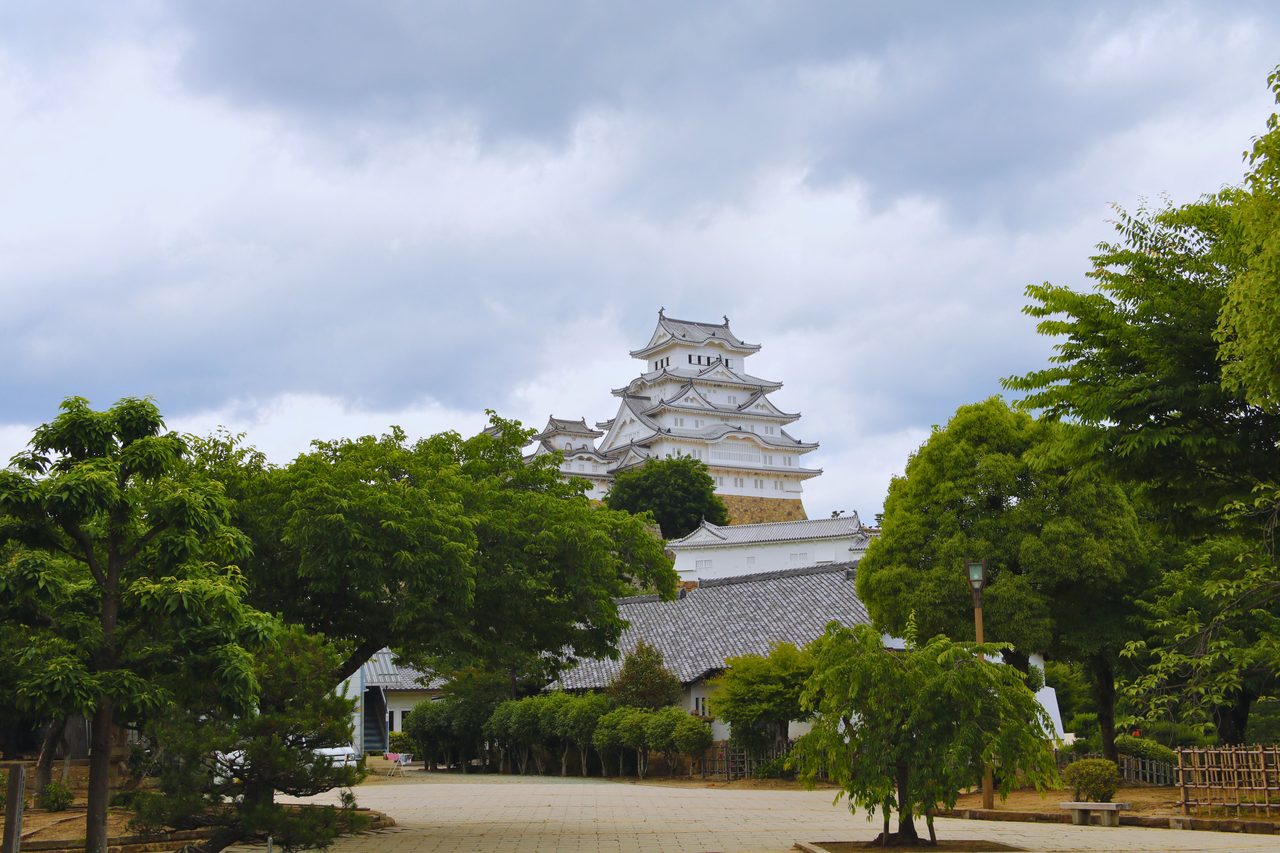
Hyogo is Japan's seventh-largest prefecture by population and one of its most geographically diverse. Kobe, its capital, blends European-influenced architecture with modern Japanese urban life along a scenic harbour. Himeji Castle — a UNESCO World Heritage site — stands as Japan's finest surviving feudal fortress. The mountainous north (Tajima region) produces Tajima cattle, the genetic source of Kobe beef. Awaji Island spans the Seto Inland Sea and hosts the Awaji Yumebutai resort complex. The region’s sake industry (centred in Nada, Kobe) produces roughly a quarter of Japan’s entire sake output.
- Capital
- Kobe
- Largest city
- Kobe
- Population
- 5.47 million
- Languages
- Japanese
- Currency
- Japanese Yen
- Time zone
- Asia/Tokyo (UTC+9)
Explore Hyogo by topic
Jump straight to the experience you're planning.
Best places to visit in Hyogo
The 20 destinations our editors recommend — from iconic landmarks to under-the-radar finds.
Arima Onsen
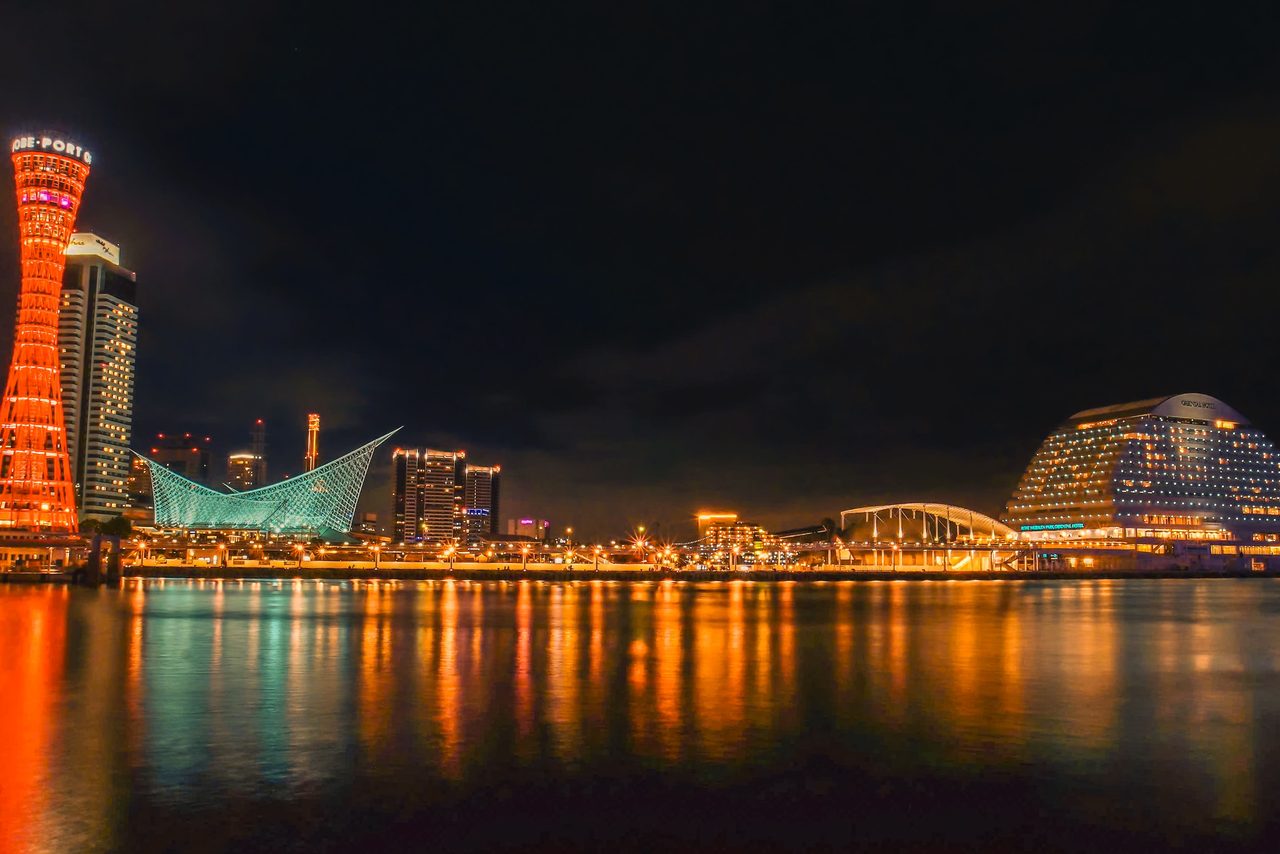
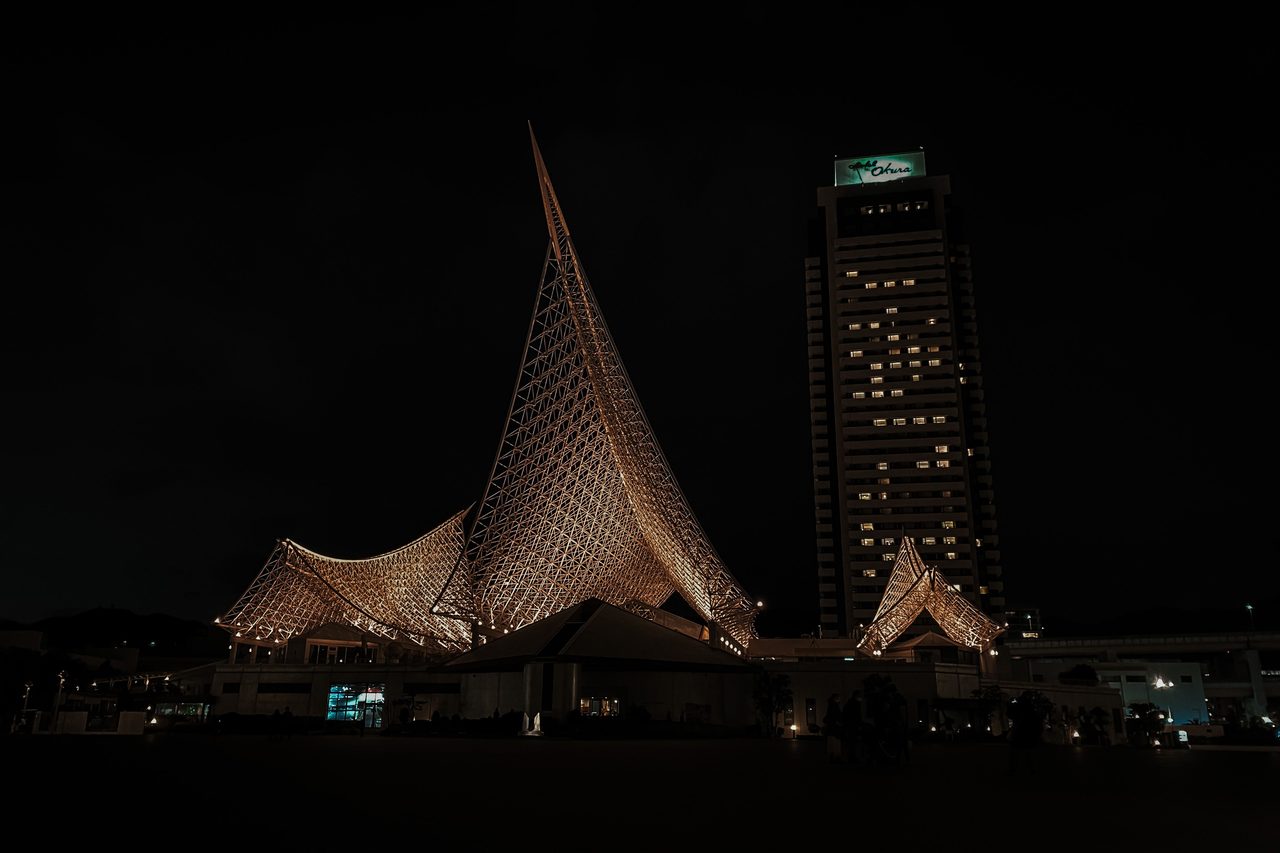
Kobe Harborland & Meriken Park
Rokko Mountain (Rokkosan)
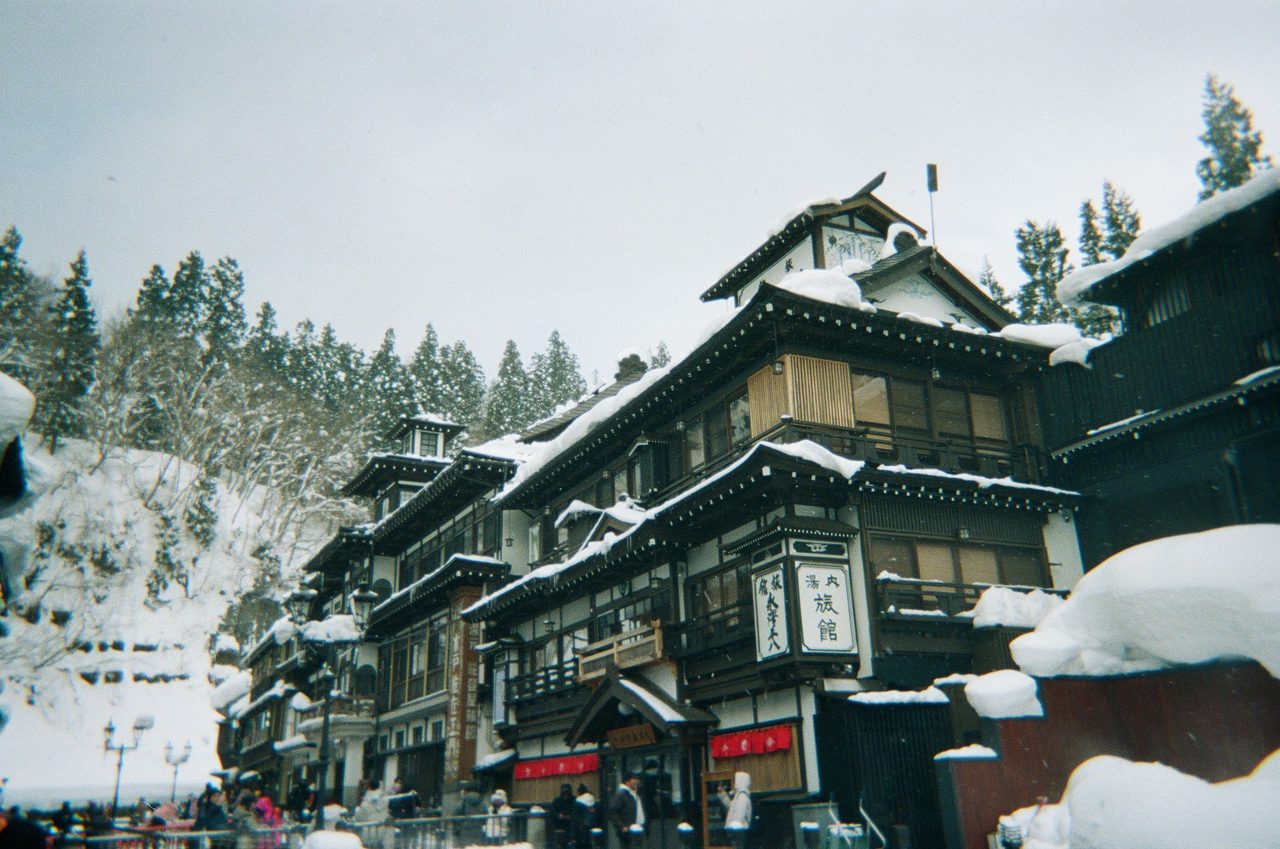
Kinosaki Onsen
Koko-en Garden
Recommended itineraries
Pick a length, follow the route. Each itinerary balances headline sights with breathing room.
5-Day Hyogo Explorer
- Day 1Arrive in Hyogo, explore city center
- Day 2Visit top attractions and museums
- Day 3Day trip to nearby highlights
- Day 4Local markets and hidden gems
- Day 5Final sightseeing, departure
7-Day Classic Hyogo
- Days 1-2Hyogo city highlights
- Days 3-4Regional exploration
- Days 5-6Cultural immersion and local experiences
- Day 7Return and departure
14-Day Ultimate Hyogo
- Days 1-3Hyogo comprehensive city tour
- Days 4-6Northern region exploration
- Days 7-9Eastern highlights
- Days 10-12Southern attractions
- Days 13-14Return to Hyogo, departure
Where to stay in Hyogo
Three tiers, every traveller covered — from cost-conscious to flagship hotels.
Budget ¥5,000–8,000 ($35–55)
Hostels, budget hotels, and guesthouses offer affordable stays without sacrificing experience.
Mid-range ¥15,000–25,000 ($100–170)
Boutique hotels and well-located accommodations provide comfort and convenience at reasonable prices.
Luxury ¥60,000+ ($400+)
World-class resorts and premium hotels deliver unforgettable experiences.
The Thousand Kobe
Check rates on Booking.comANA Crowne Plaza Kobe
Check rates on Booking.comKobe Meriken Park Oriental Hotel
Check rates on Booking.comArima Grand Hotel
Check rates on Booking.comWhere to eat in Hyogo
Cafés, neighbourhood gems, and tasting menus worth the table reservation.
Ishida
Ishida is a Kobe beef teppanyaki restaurant in the Kitano/Yamate-dori area of central Kobe, built around a teppan counter where a small number of guests watch their steak cooked directly in front of them. The style is restrained rather than showy, relying on the quality of the beef and the chef's knife and grill work rather than elaborate presentation. It draws diners who have come specifically for A5 Kobe beef rather than a broader menu.
Mouriya Sogo
Mouriya is one of Kobe's long-running Kobe beef specialists, with several branches around the city, including this one near the Sogo department store in central Kobe. Cooking is done teppanyaki-style on a steel griddle in front of diners, with the beef sliced and seared tableside. The dining rooms lean toward traditional Japanese styling rather than a modern steakhouse look.
Totoya
Himeji Oden Okiku
Kobe Gyoza Sou
Freundlieb
Freundlieb is a German-style bakery and cafe on Kitanagasa-dori in Kobe, housed in a distinctive old building whose high ceilings and tall windows set it apart from the smaller bakery-cafes typical of the area. The baking follows German traditions, favoring dense ryes and heavier pastries over the lighter Japanese-French style found elsewhere in the city. Table seating inside makes it a place to sit down with coffee and pastry rather than just buy bread to go.
Book a food tour in Hyogo We may earn a commission from bookings made through this link.
Getting around Hyogo
Hyogo is served by shinkansen (bullet train) stopping at Shin-Kobe and Himeji stations, making it easily accessible from Tokyo, Osaka, and Kyoto. Within the prefecture, JR lines connect Kobe, Himeji, and coastal cities. Kobe City operates a subway and a unique Portliner automated monorail to Kobe Airport.
Budget breakdown
Daily spend by tier in JPY, broken out by category.
| Category | Budget | Mid-range | Luxury |
|---|---|---|---|
| Accommodation | ¥2,500–4,000 | ¥8,000–15,000 | ¥35,000+ |
| Food (per day) | ¥1,500–2,500 | ¥4,000–7,000 | ¥15,000+ |
| Transportation | ¥500–1,000 | ¥1,500–2,500 | ¥4,000+ |
| Activities | ¥500–1,500 | ¥2,000–4,000 | ¥8,000+ |
| Daily total | ¥5,000–8,000 ($35–55) | ¥15,000–25,000 ($100–170) | ¥60,000+ ($400+) |
Best time to visit Hyogo
Weather through the year in Japan
Best time Shoulder Worth avoiding
Average daytime temperature in °C. Figures are for Japan.
March–April (cherry blossoms at Himeji Castle) and October–November (autumn foliage at Rokko Mountain)
Himeji Castle is most spectacular with cherry blossoms (late March/early April). Arima Onsen is pleasant year-round; autumn leaves peak mid-November.
Essential travel tips
- Get an ICOCA IC card in Kobe or Osaka for seamless transit across the prefecture
- Kobe beef must be certified — look for the Kobe Beef Marketing & Distribution Promotion Association mark
- Arima Onsen has two distinct spring types: ‘kinsen’ (golden, iron-rich) and ‘ginsen’ (silver, carbonated) — both worth trying
- Himeji Castle sells advance tickets online at the official site (www.himejicastle.jp); recommend booking early during cherry blossom season
- Many Hyogo sake breweries in the Nada district offer free or low-cost tours and tastings year-round
Safety information
Keep belongings secure on JR trains and in tourist areas around Himeji Castle
Follow posted typhoon and earthquake emergency procedures at all hotels
Carry a printed emergency card with local hospital addresses in Japanese
Do not swim at unflagged or closed beach areas on Awaji Island
Frequently asked questions
Is Hyogo safe to visit in 2026?
Hyogo Prefecture, including Kobe, is one of Japan's safest destinations. Violent crime is extremely rare and tourists are rarely targeted. The main risks are natural disasters (earthquakes — the region was severely impacted by the 1995 Great Hanshin Earthquake), occasional summer typhoons, and minor
What is the best time to visit Hyogo?
The best time to visit Hyogo is March–April. Hyogo has a humid subtropical climate (Köppen Cfa) in coastal areas (Kobe, Himeji, Awaji) with four distinct seasons. Summers are hot and humid (30–35°C/86–95°F), winters are mild and occasionally sno
Do I need a visa to visit Hyogo?
Entry requirements follow Japan national rules. Most Western passport holders may enter visa-free for up to 90 days. Check Japan's Ministry of Foreign Affairs website (www.mofa.go.jp) for the most current requirements. Requirements vary by nationality, so check with your nearest embassy or the official immigration website before traveling.
What currency is used in Hyogo?
The currency in Hyogo is the Japanese Yen (JPY). ATMs are widely available in cities and tourist areas. Credit cards are accepted at most hotels and restaurants, but carry cash for markets and smaller establishments.
What language is spoken in Hyogo?
The main language(s) spoken in Hyogo: Japanese. In tourist areas, English is generally understood. Learning a few basic phrases in the local language is appreciated by locals.
What are the top attractions in Hyogo?
The top attractions in Hyogo include Himeji Castle, Arima Onsen, Kobe Harborland & Meriken Park, Rokko Mountain (Rokkosan), and Kinosaki Onsen. Each offers a unique experience, from historic landmarks to natural wonders.