Nara is Japan's first permanent capital, a compact city of ancient temples, free-roaming deer, and UNESCO World Heritage treasures. Founded as the imperial seat in 710 CE, Nara preserves some of Asia's oldest wooden structures and a living tradition of Shinto and Buddhist heritage that shaped Japanese civilization.
Nara Prefecture occupies the mountainous heart of the Kii Peninsula in the Kinki region. The prefectural capital, Nara City, was Japan's first permanent capital (Heijo-kyo) and today clusters eight UNESCO World Heritage sites within walking distance of the central train stations. Todai-ji Temple houses the 15-metre bronze Great Buddha — the world's largest bronze statue of Vairocana — inside the world's largest surviving wooden structure. More than 1,200 deer roam freely through Nara Park, regarded as sacred messengers of the gods and protected by law. The five-story pagoda of Kofuku-ji and the 3,000 stone and bronze lanterns of Kasuga Grand Shrine complete a cityscape of extraordinary historical density. Beyond the city, Yoshino's mountain cherry blossoms, the Yoshino-Kumano pilgrimage route, and the ancient Horyu-ji complex — home to the world's oldest surviving wooden buildings — make the wider prefecture a destination of international significance.
The 21 destinations our editors recommend — from iconic landmarks to under-the-radar finds.
Todai-ji Temple
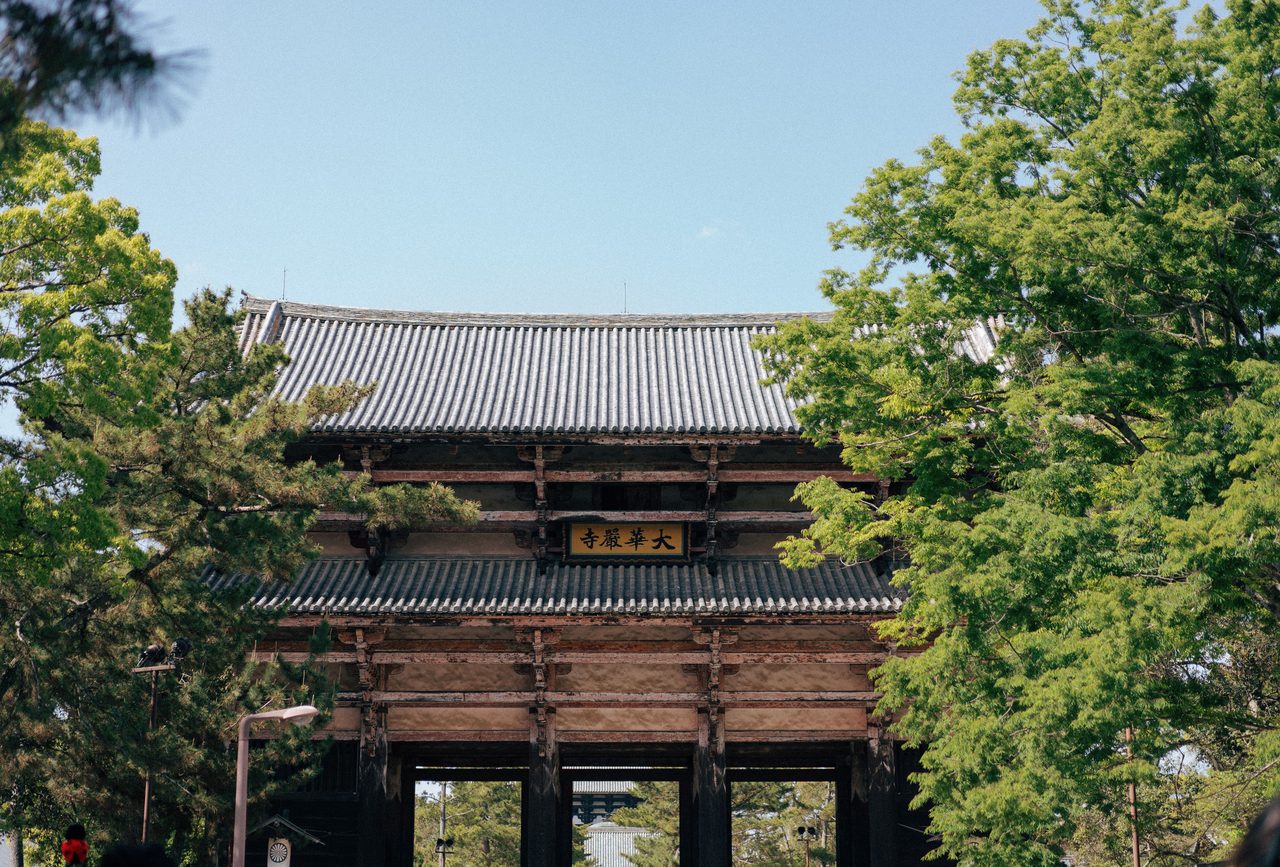
This temple houses the Daibutsuden, the largest wooden building in the world, built to shelter a bronze Great Buddha statue cast in the 8th century. It has been rebuilt twice after fire, with the current hall dating to the Edo period and standing at roughly two-thirds the footprint of the original. Walking through the entrance under the massive statue's gaze, flanked by wooden guardian figures, is the main draw.
Nara Deer Park (Nara Koen)
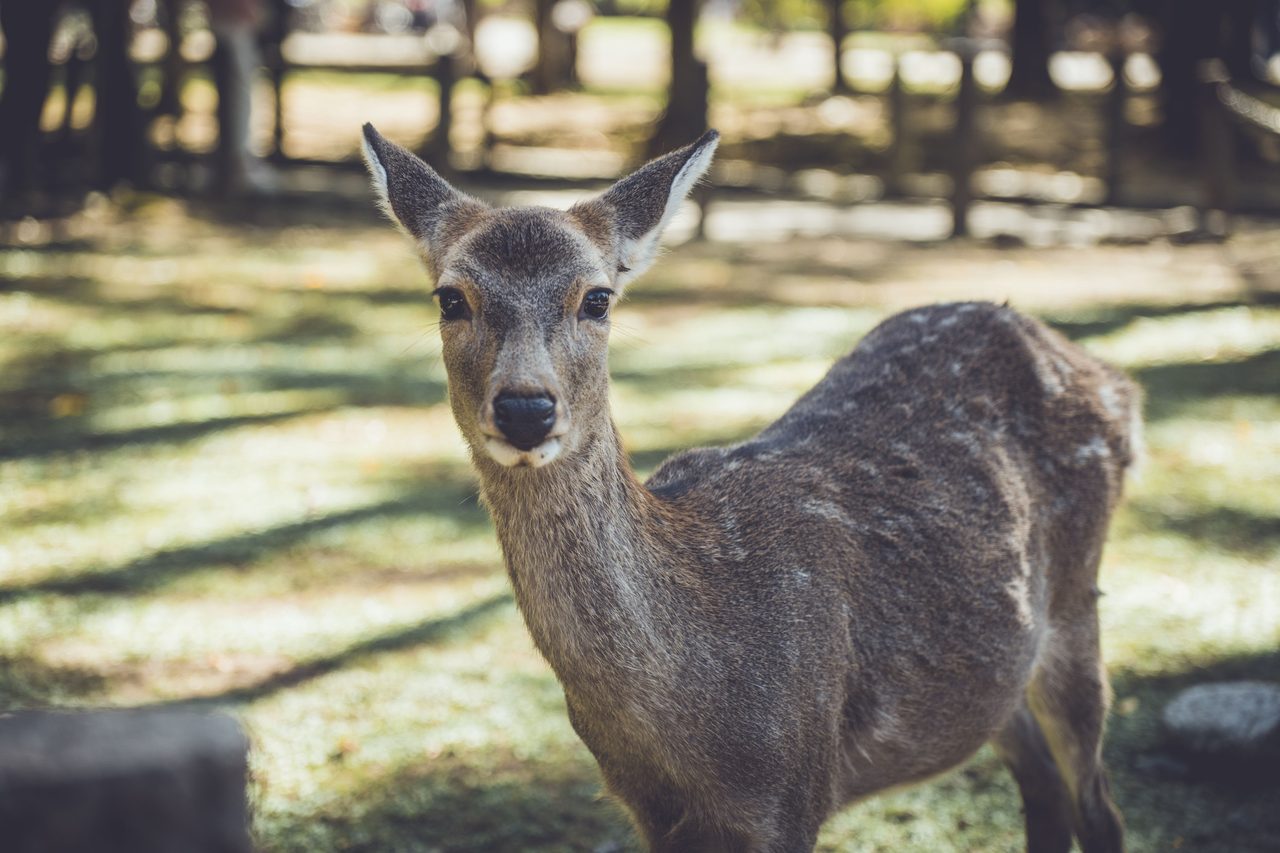
A large open park surrounding Todai-ji, Kasuga Shrine, and Kofuku-ji where hundreds of sika deer roam freely and are treated as messengers of the Shinto gods in local tradition. The deer are used to visitors and will approach for food, and some have learned to bow for crackers. The park itself has no single entrance or exit since it forms the connective green space between the major sites.
Kasuga Grand Shrine
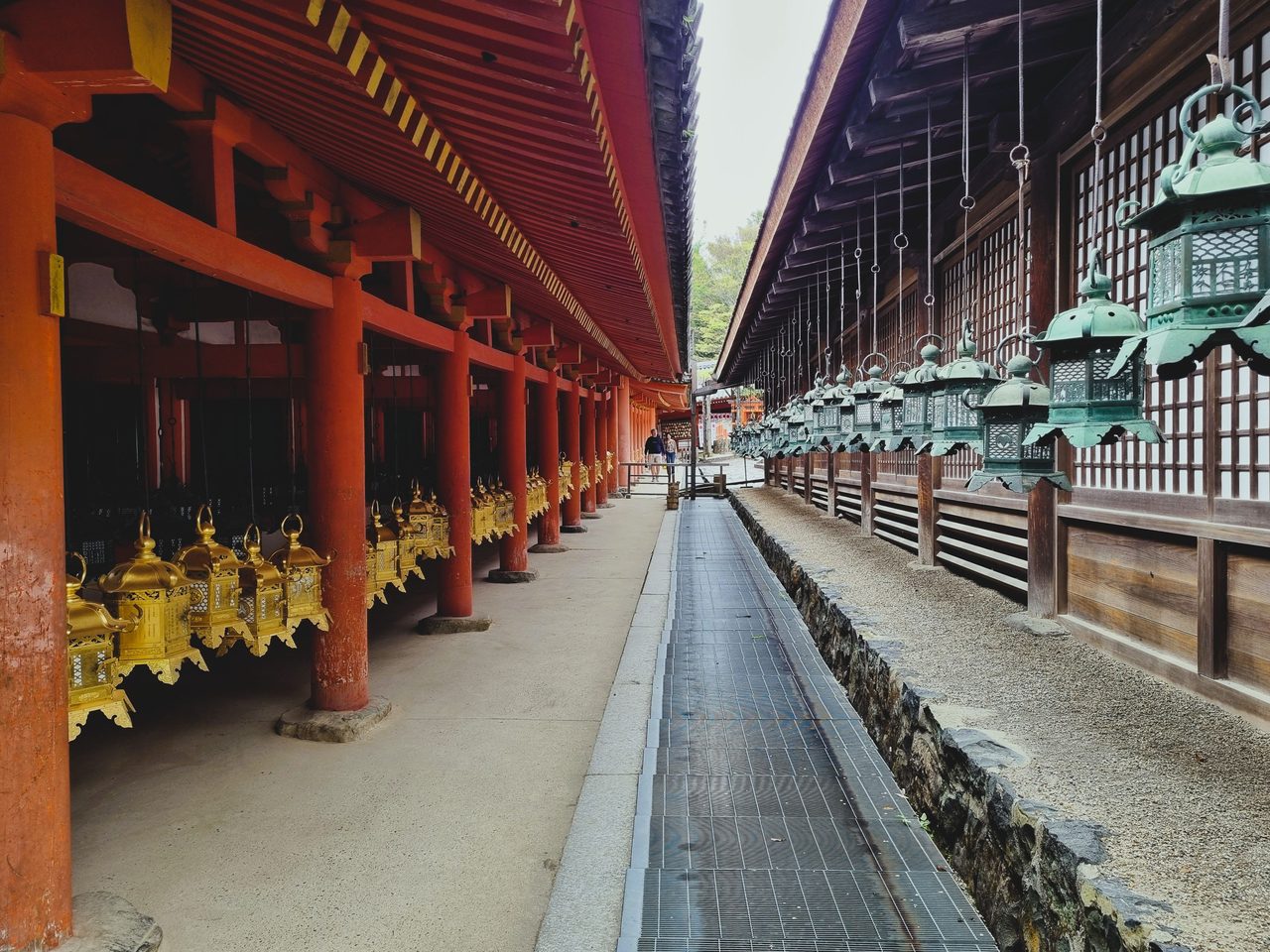
The tutelary shrine of the Fujiwara clan, known for the roughly 3,000 stone and bronze lanterns lining its approach and grounds, donated by worshippers over centuries. The vermillion buildings sit at the base of Mount Kasuga, a forest considered sacred and left largely undisturbed for over a thousand years. The inner sanctuary buildings are rebuilt periodically in a tradition called shikinen zotai, similar to Ise Shrine's practice.
Kofuku-ji Temple
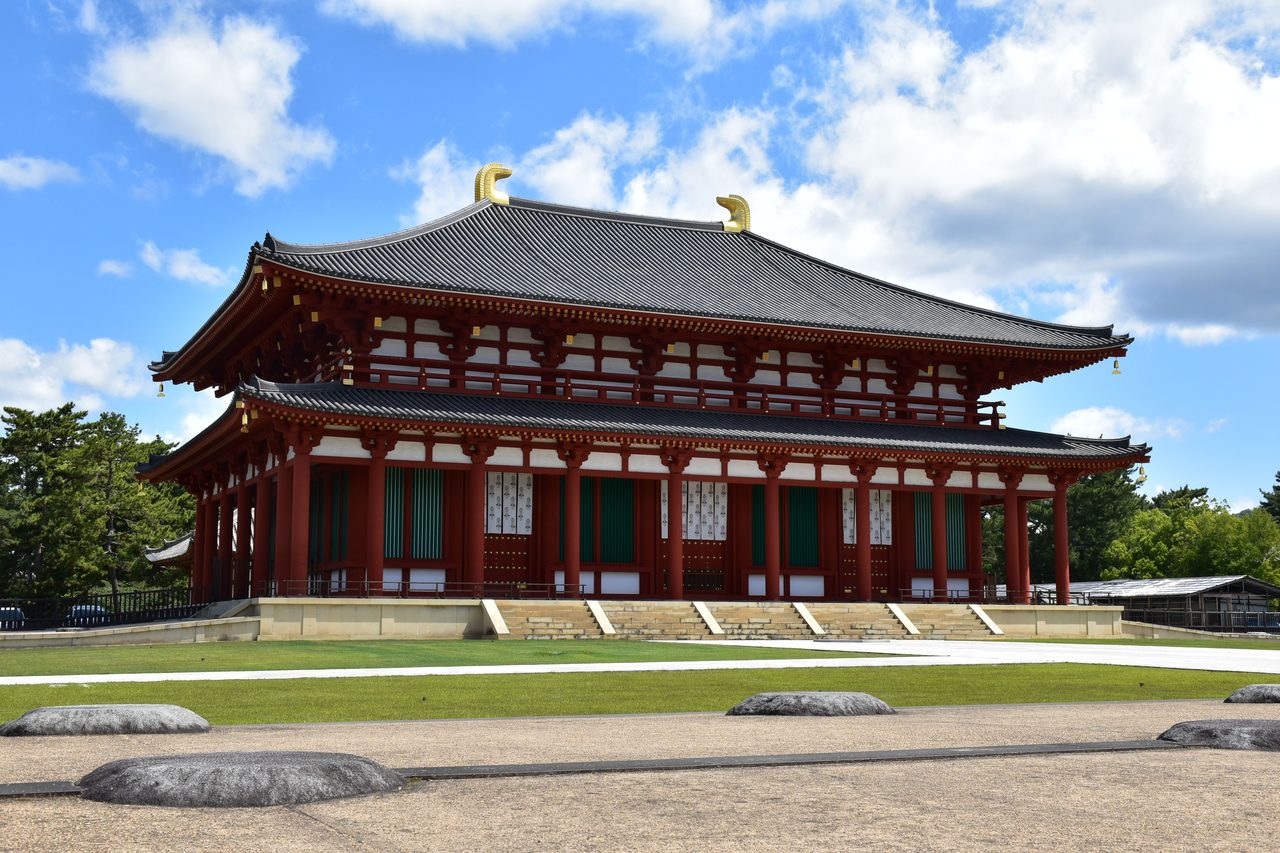
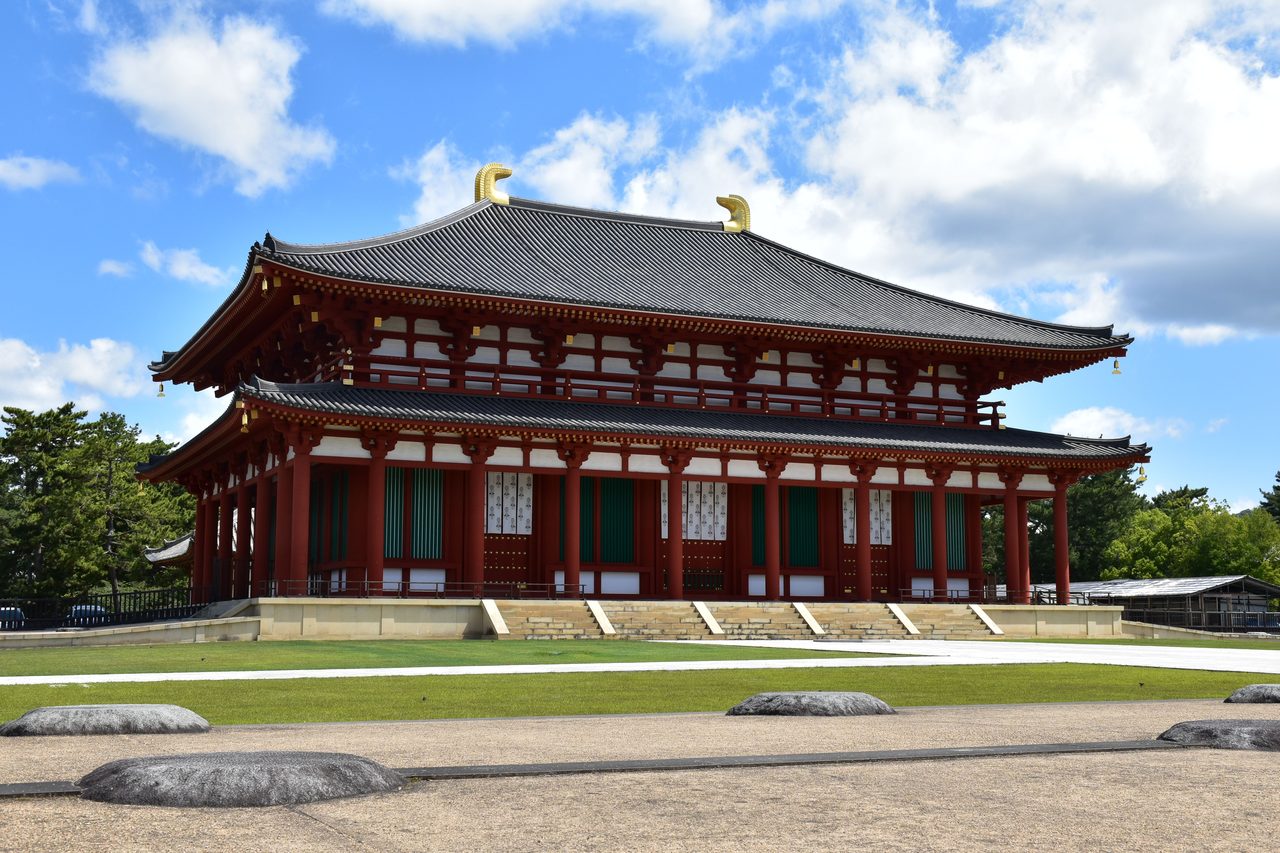
Once the family temple of the powerful Fujiwara clan, this complex is best known for its five-story pagoda, a rebuilt version of the 8th-century original and a familiar silhouette over central Nara. The National Treasure Museum holds an important collection of Buddhist statuary, including a well-known Ashura figure with three faces and six arms. The Eastern Golden Hall stands separately and houses its own set of temple images.
Horyu-ji Temple
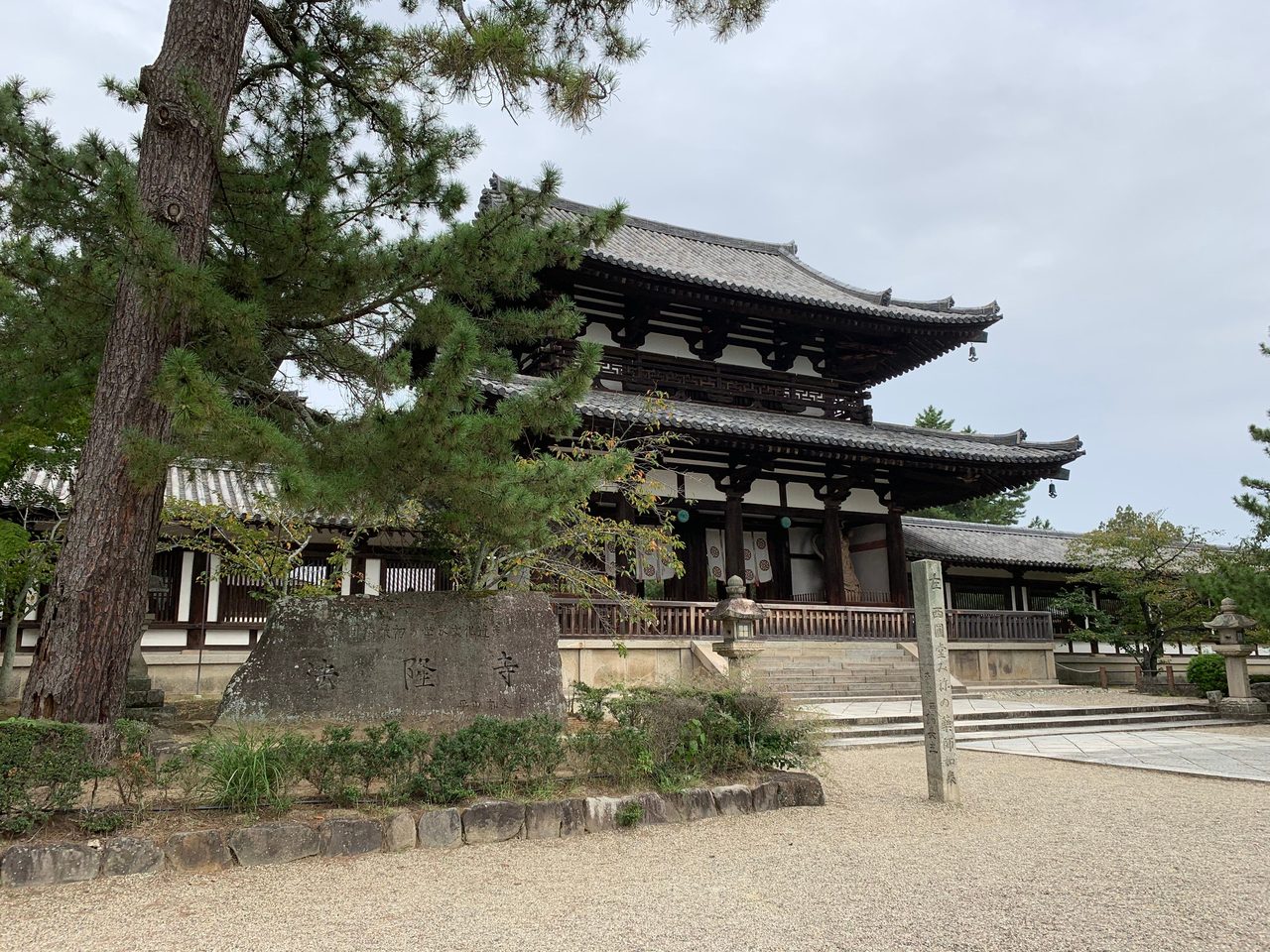
Located outside central Nara in Ikaruga, this temple complex includes structures considered among the oldest surviving wooden buildings in the world, dating to the early 7th century under Prince Shotoku's patronage. The Sai-in (western) precinct with its five-story pagoda and kondo is the core historic area, while the Daihozoin treasure hall displays statues and artifacts from the temple's founding period. It was one of the first sites in Japan registered as a UNESCO World Heritage property.
Isuien Garden
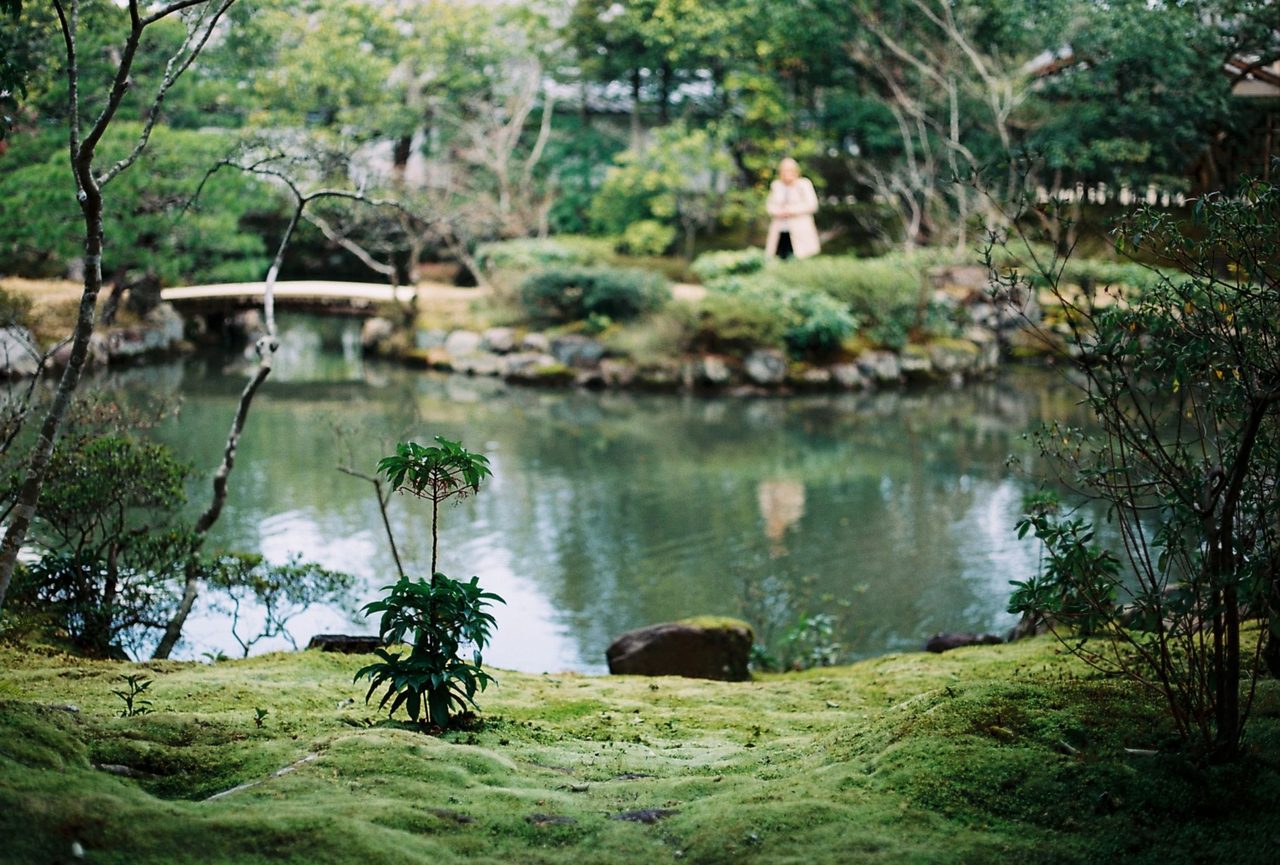
A Meiji-era strolling garden made up of two connected sections, an older front garden and a larger rear garden built by a merchant family, that uses the wooded slope of Mount Wakakusa and the roofline of Todai-ji's Nandaimon Gate as borrowed scenery. Paths wind around a central pond with stepping stones, and the garden is deliberately laid out so different viewpoints frame the surrounding hills and temple roofs as part of the composition. It sits just outside Todai-ji's precincts, making it an easy add-on stop.
Recommended itineraries
Pick a length, follow the route. Each itinerary balances headline sights with breathing room.
5-Day Nara Explorer
Day 1Arrive in Nara, explore city center
Day 2Visit top attractions and museums
Day 3Day trip to nearby highlights
Day 4Local markets and hidden gems
Day 5Final sightseeing, departure
7-Day Classic Nara
Days 1-2Nara city highlights
Days 3-4Regional exploration
Days 5-6Cultural immersion and local experiences
Day 7Return and departure
14-Day Ultimate Nara
Days 1-3Nara comprehensive city tour
Days 4-6Northern region exploration
Days 7-9Eastern highlights
Days 10-12Southern attractions
Days 13-14Return to Nara, departure
Where to stay in Nara
Three tiers, every traveller covered — from cost-conscious to flagship hotels.
Budget ¥5,500–¥11,000 ($36–$72)
Hostels, budget hotels, and guesthouses offer affordable stays without sacrificing experience.
Mid-range ¥15,500–¥36,000 ($101–$234)
Boutique hotels and well-located accommodations provide comfort and convenience at reasonable prices.
Luxury ¥51,000–¥253,000 ($332–$1,645)
World-class resorts and premium hotels deliver unforgettable experiences.
Nara Hotel
Nara Park area · ¥35,000–¥80,000 ($228–$520) per night
Cafés, neighbourhood gems, and tasting menus worth the table reservation.
Mizuya Chaya
Traditional Japanese / Nara Cuisine · ¥1,500–¥3,000 ($10–$20)
Kasugano
Kaiseki / French-Japanese · ¥15,000–¥30,000 ($98–$195) per person
Edosan
Traditional Japanese / Tofu Cuisine · ¥3,000–¥8,000 ($20–$52)
Edosan sits close to Kasuga Taisha and builds its whole menu around tofu made in the old Nara style, served as a multi-course kaiseki rather than a single dish. Meals are eaten in tatami rooms that look onto a garden, with courses arriving one at a time the way a kaiseki meal is meant to be paced. The cooking stays vegetable- and tofu-forward throughout, with only light use of fish or meat as accents rather than centerpieces.
Nakatanido
Japanese Sweets · ¥130–¥500 ($0.85–$3.25)
Nakatanido is a mochi shop near Sanjo-dori that makes its yomogi mochi by hand-pounding it in full view of the street, using the traditional two-person, fast-rhythm pounding technique rather than a machine. The shop itself is small and functional, built for quick service rather than sitting down - people buy a few pieces and eat them standing or walking.
Yoshinokuzu Honpo
Japanese Sweets / Traditional · ¥600–¥2,500 ($4–$16)
This shop specializes in kuzu, the arrowroot starch associated with the Yoshino area south of Nara, made into both sweets and a hot drink. The kuzumochi has the wobbly, translucent texture particular to real kuzu starch rather than the firmer tapioca-based versions sold elsewhere, and the shop has a small seating area attached to the retail counter.
Nara's main sights cluster within a 30-minute walk of JR Nara Station and Kintetsu Nara Station. Most visitors walk or cycle the city center. The Kintetsu Nara Line from Osaka (Namba) takes 39 minutes; the JR Yamatoji Line from Osaka (Tennoji) takes 40 minutes. Buses serve outlying areas including Horyu-ji.
Budget breakdown
Daily spend by tier in JPY, broken out by category.
Category
Budget
Mid-range
Luxury
Accommodation
¥3,000–¥6,000 ($20–$39)
¥10,000–¥25,000 ($65–$163)
¥35,000–¥200,000 ($228–$1,300)
Food (per day)
¥1,500–¥2,500 ($10–$16)
¥3,000–¥6,000 ($20–$39)
¥10,000–¥30,000 ($65–$195)
Transportation
¥500–¥1,000 ($3–$7)
¥1,000–¥2,000 ($7–$13)
¥3,000–¥8,000 ($20–$52)
Activities
¥500–¥1,500 ($3–$10)
¥1,500–¥3,000 ($10–$20)
¥3,000–¥15,000 ($20–$98)
Daily total
¥5,500–¥11,000 ($36–$72)
¥15,500–¥36,000 ($101–$234)
¥51,000–¥253,000 ($332–$1,645)
Best time to visit Nara
Weather through the year in Japan
Best timeShoulderWorth avoiding
Average daytime temperature in °C. Figures are for Japan.
March–April (cherry blossoms) and October–November (autumn foliage)
Nara is rewarding year-round. Winter is cold but quiet; golden-grass lawns in Nara Park and steam from deer create atmospheric scenes.
Essential travel tips
The Nara Visitor Center (8 Kami Sanjo-cho, near JR Nara Station) provides free English maps, luggage storage, and English-speaking staff
Buy shika senbei (deer crackers) for ¥200 ($1.30) from licensed vendors near Nara Park entrances
The Nara 1-Day Pass (¥1,000/$6.50 from Kintetsu) covers unlimited bus rides and discounts at major temples
Most major temples charge ¥600–¥1,000 ($4–$7) admission separately — budget ¥3,000 ($20) for a full temple circuit
Luggage forwarding (takuhaibin) from hotels to next destination costs ¥1,000–¥1,500 ($7–$10) per bag via Yamato Transport
Hidden gems
Off-the-beaten-path corners most travellers miss.
Yoshikien Garden
A serene traditional garden free for foreign visitors, just steps from Isuien but far less crowded.
Head Spring Sanctuary of Kasuga
The mossy inner forest path around Kasuga Wakamiya Shrine, rarely explored by day-trippers.
Shin-Yakushi-ji Temple
A quiet 8th-century temple housing twelve clay guardian figures in near-original condition.
Naramachi Merchant Quarter
Preserved Edo-period machiya townhouses converted into cafes, galleries, and sake shops.
Safety information
INFO
Keep shika senbei crackers (deer crackers) concealed in a bag or pocket — deer will charge if they smell food. Feed from an open flat palm.
INFO
If a deer bows at you, step back immediately — a bow precedes a headbutt.
INFO
Japan operates on the 110/119 emergency numbers, not 911 or 999. Save these numbers before arriving.
INFO
Carry your passport (or a photocopy) — police in Japan can request identification. Hotels hold passport details at check-in.
INFO
Japan is cash-heavy outside cities — keep ¥10,000–¥20,000 ($65–$130) in cash at all times. ATMs at 7-Eleven, Japan Post, and Lawson accept most international Visa/Mastercard.
INFO
Seismic activity: if an earthquake occurs, stand in a doorframe or get under a table. Japan's buildings meet strict earthquake codes and collapse is rare. Public sirens and earthquake alerts are broadcast in Japanese and English via J-Alert.
INFO
During summer typhoons (June–October), check weather at jma.go.jp (Japan Meteorological Agency) and follow local authority instructions.
Frequently asked questions
Is Nara safe to visit in 2026?
Nara consistently ranks among Japan's safest tourist destinations. Violent crime affecting visitors is extremely rare. The primary hazard is wildlife: Nara's 1,200+ sika deer can bite, headbutt, or knock over visitors who display food. Deer-related incidents send several dozen tourists to hospital a
What is the best time to visit Nara?
The best time to visit Nara is March–April. Nara has a humid subtropical climate (Köppen Cfa) with four distinct seasons. Summers are hot and humid (30–36°C / 86–97°F), winters are cold with occasional frost but rarely snow in the city. Spring
Do I need a visa to visit Nara?
Entry follows Japan national rules. Citizens of 68 countries enter visa-free for up to 90 days. Check Japan Ministry of Foreign Affairs (mofa.go.jp) for current requirements. Requirements vary by nationality, so check with your nearest embassy or the official immigration website before traveling.
What currency is used in Nara?
The currency in Nara is the Japanese Yen (JPY). ATMs are widely available in cities and tourist areas. Credit cards are accepted at most hotels and restaurants, but carry cash for markets and smaller establishments.
What language is spoken in Nara?
The main language(s) spoken in Nara: Japanese. In tourist areas, English is generally understood. Learning a few basic phrases in the local language is appreciated by locals.
What are the top attractions in Nara?
The top attractions in Nara include Todai-ji Temple, Nara Deer Park (Nara Koen), Kasuga Grand Shrine, Kofuku-ji Temple, and Horyu-ji Temple. Each offers a unique experience, from historic landmarks to natural wonders.