Middle East · 26 Places · Best April-June, September-October
Lebanon
Lebanon offers a unique blend of ancient history, Mediterranean beaches, and vibrant culture. From Roman ruins at Baalbek to the bustling streets of Beirut, cedar forests, and mountain villages, this small country packs incredible diversity. Experience world-class cuisine, historic sites, and warm hospitality in one of the Middle East's most fascinating destinations.
Lebanon offers a unique blend of ancient history, Mediterranean beaches, and vibrant culture. From Roman ruins at Baalbek to the bustling streets of Beirut, cedar forests, and mountain villages, this small country packs incredible diversity. Experience world-class cuisine, historic sites, and warm hospitality in one of the Middle East's most fascinating destinations.
Capital
Beirut
Largest city
Beirut
Population
6,800,000
Languages
Arabic, French, English
Currency
Lebanese Pound (LBP)
Time zone
UTC+2 (Eastern European Time), UTC+3 in summer (EEST)
The 26 destinations our editors recommend — from iconic landmarks to under-the-radar finds.
Baalbek Roman Ruins
One of the most impressive Roman archaeological sites in the world, featuring the Temple of Bacchus and Temple of Jupiter. These colossal structures showcase the grandeur of Roman architecture and are remarkably well-preserved. A UNESCO World Heritage Site that offers a glimpse into ancient civilizations.
Jeita Grotto
A stunning limestone cave system featuring two interconnected grottos with spectacular stalactites and stalagmites. The lower grotto features an underground river navigable by boat, while the upper grotto has walkways through magnificent formations. A finalist in the New 7 Wonders of Nature competition.
Byblos Castle and Old Souk
One of the oldest continuously inhabited cities in the world, featuring a 12th-century Crusader castle, ancient Phoenician ruins, and a charming medieval souk. The harbor area is picturesque with waterfront restaurants and traditional fishing boats. A UNESCO World Heritage Site with layers of history from multiple civilizations.
National Museum of Beirut
Lebanon's principal museum showcasing archaeological treasures from prehistory through the Ottoman period. Features an impressive collection of Phoenician, Roman, Byzantine, and Islamic artifacts. The museum itself survived the civil war and beautifully displays the country's rich cultural heritage.
Pigeon Rocks (Raouché)
Iconic natural offshore rock formations rising dramatically from the Mediterranean Sea. These towering limestone formations are Beirut's most photographed landmark and symbol of the city. The corniche offers stunning sunset views and is popular for evening strolls.
Qadisha Valley and Cedar Forest
A sacred valley featuring ancient monasteries carved into cliffsides and one of Lebanon's last remaining cedar forests. The valley is a UNESCO World Heritage Site with dramatic landscapes and spiritual significance. Home to the Cedars of God, some trees over 1,000 years old.
Recommended itineraries
Pick a length, follow the route. Each itinerary balances headline sights with breathing room.
5-Day Lebanon Explorer
Day 1Arrive in Lebanon, explore city center
Day 2Visit top attractions and museums
Day 3Day trip to nearby highlights
Day 4Local markets and hidden gems
Day 5Final sightseeing, departure
7-Day Classic Lebanon
Days 1-2Lebanon city highlights
Days 3-4Regional exploration
Days 5-6Cultural immersion and local experiences
Day 7Return and departure
14-Day Ultimate Lebanon
Days 1-3Lebanon comprehensive city tour
Days 4-6Northern region exploration
Days 7-9Eastern highlights
Days 10-12Southern attractions
Days 13-14Return to Lebanon, departure
Where to stay in Lebanon
Three tiers, every traveller covered — from cost-conscious to flagship hotels.
Budget $50-70
Hostels, budget hotels, and guesthouses offer affordable stays without sacrificing experience.
Mid-range $100-150
Boutique hotels and well-located accommodations provide comfort and convenience at reasonable prices.
Luxury $250-400+
World-class resorts and premium hotels deliver unforgettable experiences.
Hotel Albergo
Beirut · $320-$450
Boutique luxury hotel in the heart of old Beirut's Achrafieh district, featuring beautifully designed rooms, rooftop terrace, and personalized service. The property combines contemporary Lebanese design with historic charm in a restored heritage building.
Trendy boutique hotel in Badaro neighborhood featuring contemporary design, rooftop pool bar, and excellent restaurant. Popular with younger travelers seeking style without luxury prices.
Clean and comfortable budget hotel in Hamra offering good value with basic amenities and friendly service. Perfect for budget-conscious travelers wanting central location.
Contemporary five-star hotel in downtown Beirut with spacious suites, rooftop infinity pool, fine dining restaurant, and sleek cocktail lounge. Floor-to-ceiling windows offer stunning city and Mediterranean views.
Cafés, neighbourhood gems, and tasting menus worth the table reservation.
Em Sherif
Lebanese Fine Dining · $$$
Upscale restaurant founded by chef Mireille Hayek offering authentic Lebanese cuisine in an elegant setting. The restaurant recreates the warmth of traditional Lebanese households through exquisite home-cooked meals and impeccable service.
Tawlet
Regional Lebanese · $$
Unique buffet-style restaurant in Bourj Hammoud featuring daily rotating menus prepared by guest chefs from Lebanese villages. Showcases authentic regional specialties.
Barbar
Lebanese Fast Food · $
Iconic 24-hour eatery famous for shawarma, falafel, and fresh juices. A Beirut institution serving locals and tourists since 1979.
Abou Hassan
Hummus & Foul · $
Tiny shop in Bourj Hammoud serving the creamiest hummus and foul in Lebanon. Opens early, sells out fast.
CafeRawda
Traditional Cafe · $
Historic cafe established in 1948, famous for Lebanese coffee, backgammon, and old-world atmosphere. A Beirut institution.
Liza Beirut
Contemporary Lebanese · $$$
Elegant restaurant in a restored 19th-century palace featuring themed rooms with unique decor. Offers a modern take on traditional Lebanese dishes in a sophisticated atmosphere.
Getting around Lebanon
Transportation options in Lebanon include local buses, taxis, and rental cars. Check local conditions before planning your travel.
Budget breakdown
Daily spend by tier in USD, broken out by category.
Average daytime temperature in °C. Figures are for Lebanon.
Essential travel tips
Research visa requirements before your trip
Learn a few basic phrases in the local language
Carry cash as cards may not be accepted everywhere
Respect local customs and dress codes
Purchase travel insurance before departure
Hidden gems
Off-the-beaten-path corners most travellers miss.
Baatara Gorge Waterfall
Stunning waterfall that plunges into a cave with three natural bridges. Known as the 'Cave of the Three Bridges,' this geological wonder is most impressive during spring snowmelt.
Jezzine Waterfalls
Picturesque waterfall cascading 74 meters through the center of a charming mountain town. The area is known for traditional cutlery craftsmanship.
Aqoura Lake
Serene artificial lake surrounded by mountains in the Jbeil district. Perfect for quiet picnics and nature walks away from tourist crowds.
Bcharre Village
Birthplace of Khalil Gibran perched on mountain cliffs. Visit the Gibran Museum and explore this charming village gateway to the Cedars.
Batroun Old Town
Coastal town with Phoenician sea wall, old souks, and excellent beach bars. Less touristy than Byblos but equally charming.
Niha Fortress
Medieval Crusader fortress in the Chouf mountains offering panoramic views over Beqaa Valley and the Anti-Lebanon mountains, almost entirely free of tourists
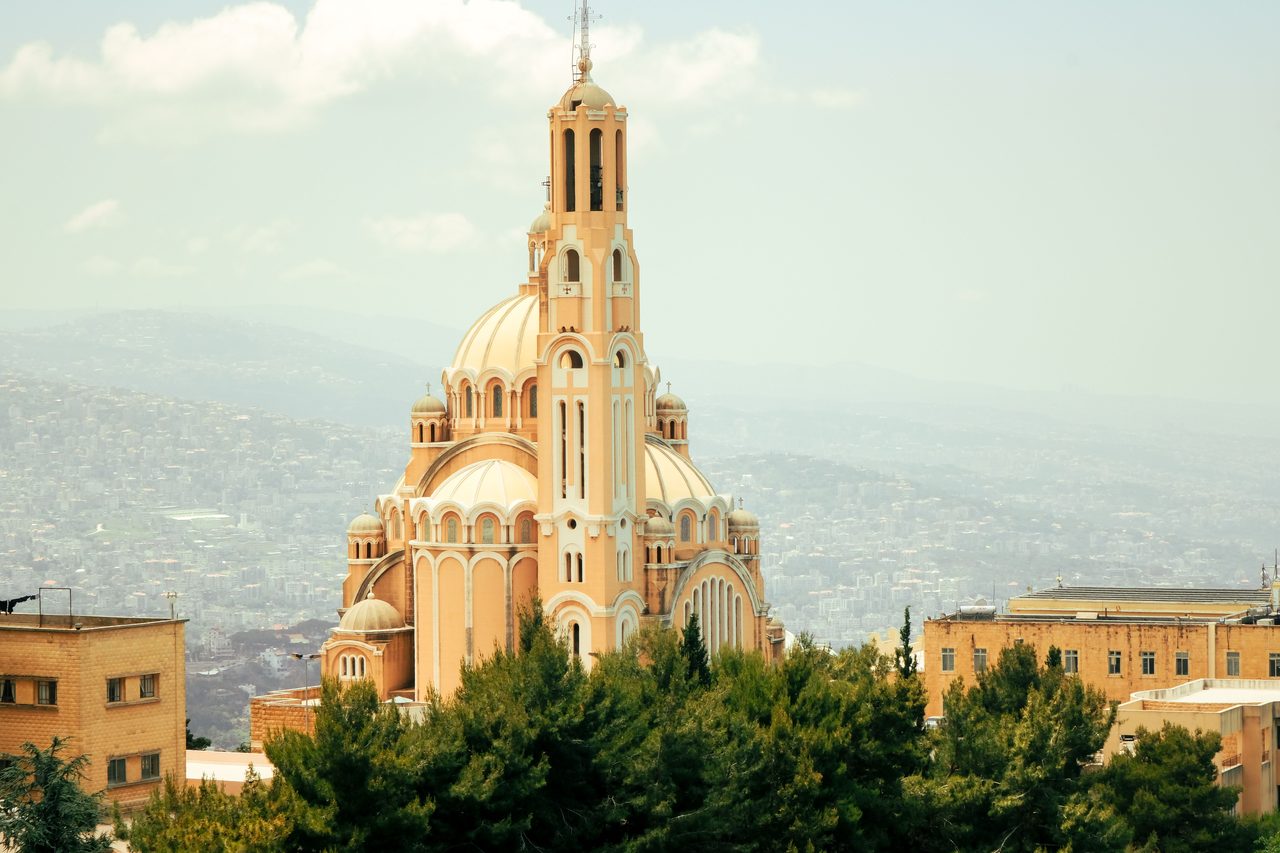
Harissa Summit (Saydet el Jabal)
Mountain peak above Jounieh with a giant statue of the Virgin Mary and sweeping views of Jounieh Bay, Beirut, and the Mediterranean
Ehden Natural Reserve Overlook
Alpine viewpoint in north Lebanon above 1,500m with untouched cedar groves and views across deep valleys toward the Mediterranean
Cedars of God (Arz el-Rab)
Ancient cedar grove at 2,000m altitude near Bcharre — sunrise through the thousand-year-old trees is profoundly peaceful
Pigeon Rocks (Raouche), Beirut
Iconic limestone sea stacks off the Beirut corniche — the city's most beloved sunset landmark with cafes lining the clifftop promenade
Safety information
INFO
Check current government travel advisories before visiting — the security situation can change rapidly. Register with your embassy upon arrival.
INFO
Avoid the southern areas near the Israeli border and some border zones with Syria where military activity occurs.
INFO
Stay away from political demonstrations, protests, and large public gatherings which can turn volatile quickly.
INFO
Be cautious about unexploded ordnance (UXO) in rural south Lebanon and some mountain areas — stick to marked paths.
INFO
Petty crime (bag snatching, pickpocketing) occurs in crowded areas of Beirut. Keep valuables secure and avoid displaying expensive jewelry.
INFO
Lebanon has electricity shortages; power cuts are frequent and can last many hours daily. Hotels use generators — carry a power bank for your phone.
INFO
Currency exchange: Lebanon has complex dual exchange rates. Use licensed exchange shops (sarf) rather than banks. Carry USD cash as it is widely preferred.
INFO
Dress modestly when visiting mosques and religious sites — women should cover hair, shoulders, and knees. Both genders should avoid shorts.
INFO
Never photograph military installations, checkpoints, soldiers, or government buildings — this can lead to detention.
INFO
Road safety is a serious concern. Lebanese drivers are aggressive and traffic rules loosely enforced. Cross streets carefully and negotiate taxi fares before riding.
INFO
Watch for scams targeting tourists in Beirut's tourist areas. Agree on all prices before ordering food or drinks, especially in tourist bars.
INFO
Tap water is not safe to drink. Use bottled water, including for brushing teeth in some areas.
INFO
Be sensitive about discussing Lebanese politics, religion, or the civil war — these topics can be inflammatory. Sectarian divisions remain sensitive.
INFO
Health insurance covering evacuation is strongly recommended given the fragile state of the healthcare system and frequent power outages affecting hospitals.
Frequently asked questions
Is Lebanon safe to visit in 2026?
Lebanon presents a complex safety picture — most tourist areas are safe for visitors but the political and security situation can change rapidly. Millions of tourists visit Beirut and Lebanon's cultural sites each year without incident. Exercise heightened awareness, register with your embassy, and check current advisories before and during your visit. Emergency services: police at 112, medical at 140.
What is the best time to visit Lebanon?
The best time to visit Lebanon is April-June, September-October. Lebanon has a Mediterranean climate with hot, dry summers and mild, wet winters — but its dramatic geography creates remarkable variation within a tiny area. Beirut on the coast enjoys warm sea breeze
Do I need a visa to visit Lebanon?
Visa on arrival for stays up to 30 days, extendable for 2 additional months. Passport must be valid for 6+ months. No Israeli stamps allowed. Requirements vary by nationality, so check with your nearest embassy or the official immigration website before traveling.
What currency is used in Lebanon?
The currency in Lebanon is the Lebanese Pound (LBP) (LBP). ATMs are widely available in cities and tourist areas. Credit cards are accepted at most hotels and restaurants, but carry cash for markets and smaller establishments.
What language is spoken in Lebanon?
The main language(s) spoken in Lebanon: Arabic, French, English. In tourist areas, English is generally understood. Learning a few basic phrases in the local language is appreciated by locals.
What are the top attractions in Lebanon?
The top attractions in Lebanon include Baalbek Roman Ruins, Jeita Grotto, Byblos Castle and Old Souk, National Museum of Beirut, and Pigeon Rocks (Raouché). Each offers a unique experience, from historic landmarks to natural wonders.