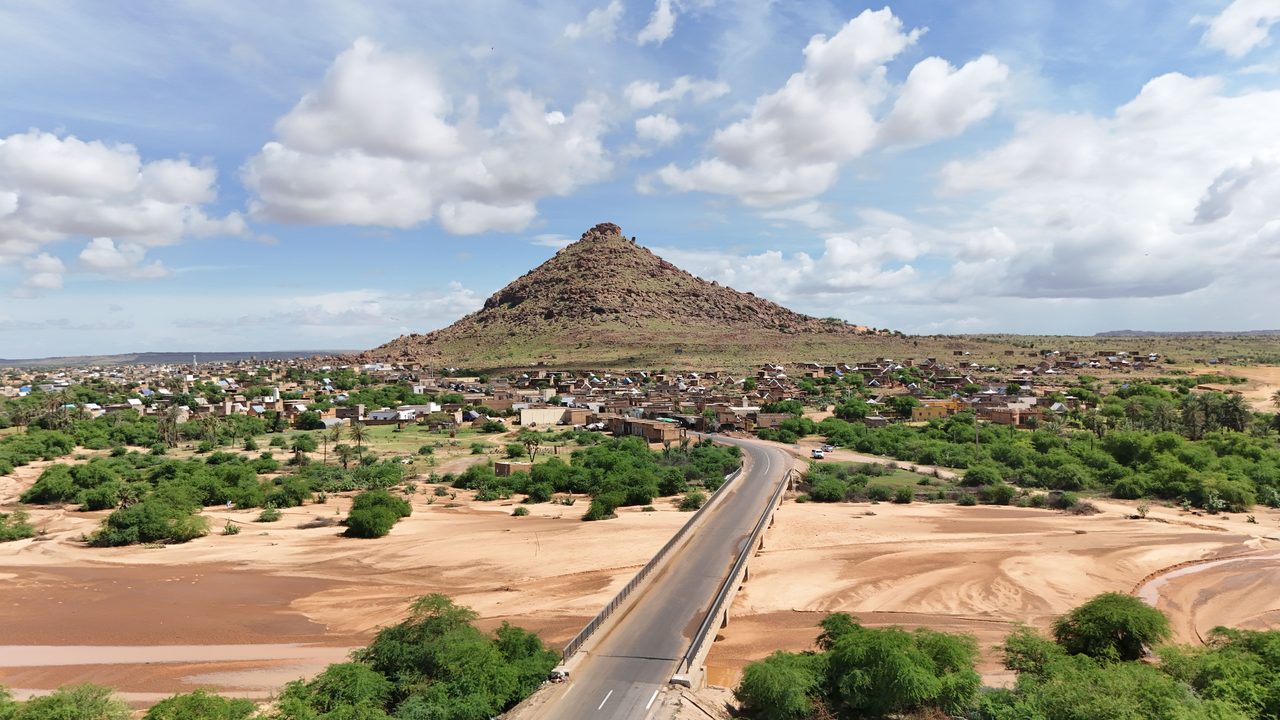
Mali, the heart of West Africa, offers extraordinary cultural treasures from ancient Timbuktu to the Great Mosque of Djenné. Experience vibrant markets, rich musical heritage, and the legendary hospitality of the Malian people in this land of timeless traditions.
Mali, the heart of West Africa, offers extraordinary cultural treasures from ancient Timbuktu to the Great Mosque of Djenné. Experience vibrant markets, rich musical heritage, and the legendary hospitality of the Malian people in this land of timeless traditions.
Capital
Bamako
Largest city
Bamako
Population
22,414,000
Languages
French (official), Bambara, Fulfulde, Songhai, Tamasheq
The 26 destinations our editors recommend — from iconic landmarks to under-the-radar finds.
National Museum of Mali
Mali's premier cultural institution showcasing the country's rich heritage with an impressive collection of masks, sculptures, textiles, and musical instruments. The museum features archaeological treasures from ancient empires and offers insight into Mali's diverse ethnic groups.
Great Mosque of Djenné
The world's largest mud-brick building and a UNESCO World Heritage site, this stunning example of Sudano-Sahelian architecture dates from the 13th century. The mosque is rebuilt annually during the festival of Crepissage, involving the entire community.
Djinguereber Mosque
Built in 1327 by renowned architect Abu Ishaq es-Saheli, this is one of Timbuktu's three great mosques and a UNESCO World Heritage site. The mosque features distinctive adobe architecture with wooden support beams protruding from the walls.
Bamako Grand Mosque
One of West Africa's most impressive mosques featuring striking Sudano-Sahelian architecture with distinctive twin minarets. The mosque serves as both a religious center and architectural landmark in Mali's capital.
Point G Hill
Provides panoramic views of Bamako and the Niger River from this elevated vantage point. The site features ancient rock paintings and is home to a historic French colonial hospital. Perfect for sunset watching and photography.
Grand Marché (Bamako Central Market)
The beating heart of Bamako's commercial life, this labyrinthine market complex offers everything from traditional textiles and handicrafts to fresh produce and spices. An authentic immersion into daily Malian life.
Recommended itineraries
Pick a length, follow the route. Each itinerary balances headline sights with breathing room.
5-Day Mali Explorer
Day 1Arrive in Mali, explore city center
Day 2Visit top attractions and museums
Day 3Day trip to nearby highlights
Day 4Local markets and hidden gems
Day 5Final sightseeing, departure
7-Day Classic Mali
Days 1-2Mali city highlights
Days 3-4Regional exploration
Days 5-6Cultural immersion and local experiences
Day 7Return and departure
14-Day Ultimate Mali
Days 1-3Mali comprehensive city tour
Days 4-6Northern region exploration
Days 7-9Eastern highlights
Days 10-12Southern attractions
Days 13-14Return to Mali, departure
Where to stay in Mali
Three tiers, every traveller covered — from cost-conscious to flagship hotels.
Budget $35-60
Hostels, budget hotels, and guesthouses offer affordable stays without sacrificing experience.
Mid-range $80-120
Boutique hotels and well-located accommodations provide comfort and convenience at reasonable prices.
Luxury $200-350
World-class resorts and premium hotels deliver unforgettable experiences.
Radisson Collection Hotel Bamako
Bamako · $180-250
Premier 5-star hotel offering sophisticated accommodations with modern amenities, riverside location, and exceptional service. Features business center, conference facilities, spa, and multiple dining options.
Comfortable mid-range hotel offering good value with clean rooms, friendly service, and convenient location. Popular with business and leisure travelers.
Elegant 5-star property with contemporary design, full-service spa, and panoramic city views. Known for excellent business facilities and refined dining experiences.
Cafés, neighbourhood gems, and tasting menus worth the table reservation.
La Chaumière
French-International · $$$
Bamako's premier fine dining establishment offering exquisite French cuisine with African influences. Elegant ambiance, extensive wine list, and impeccable service in a colonial-era building.
Le Tamarin
Malian · $$
Popular restaurant serving traditional Malian dishes in a pleasant garden setting. Known for generous portions and authentic flavors at reasonable prices.
Afrik'N'Fusion
Pan-African · $
Relaxed spot serving dishes from across Africa. Great for trying different cuisines in one place. Colorful decor and friendly vibe.
Brochettes du Pont
Street Food · $
Famous street vendor near Pont des Martyrs serving the best grilled meat skewers in Bamako. Evening gathering spot.
Café de la Paix
Café · $
Classic French-style café perfect for coffee, pastries, and people-watching. Excellent WiFi makes it popular with remote workers.
Le Loft Restaurant & Lounge
Contemporary International · $$$
Upscale dining experience with innovative fusion cuisine, rooftop seating, and sophisticated cocktail menu. Popular with Bamako's elite and expatriate community.
Getting around Mali
Transportation options in Mali include local buses, taxis, and rental cars. Check local conditions before planning your travel.
Budget breakdown
Daily spend by tier in USD, broken out by category.
Category
Budget
Mid-range
Luxury
Accommodation
$15-30
$40-65
$120-200
Food (per day)
$10-15
$25-35
$50-90
Transportation
$5-8
$8-12
$20-40
Activities
$5-10
$10-20
$30-60
Daily total
$35-60
$80-120
$200-350
Best time to visit Mali
Weather through the year in Mali
Best timeShoulderWorth avoiding
Average daytime temperature in °C. Figures are for Mali.
Essential travel tips
Research visa requirements before your trip
Learn a few basic phrases in the local language
Carry cash as cards may not be accepted everywhere
Respect local customs and dress codes
Purchase travel insurance before departure
Hidden gems
Off-the-beaten-path corners most travellers miss.
Badalabougou Artisan Quarter
Authentic neighborhood where craftspeople create traditional leather goods, textiles, and musical instruments. Watch artisans at work using centuries-old techniques, away from tourist crowds.
Sébénikoro Riverside Villages
Traditional fishing villages along the Niger River offering glimpse into authentic Malian life. Watch fishermen with traditional nets, visit local markets, and enjoy fresh grilled fish.
Bamako Botanical Gardens
Tranquil green escape rarely visited by tourists. Learn about West African flora, enjoy shaded paths, and experience where locals relax away from city chaos.
Siby Rock Formations
Dramatic rock formations, waterfalls, and caves just 50km from Bamako
Koulikoro Old Railway Station
Historic terminus of the defunct Dakar-Niger railway with colonial architecture and river views
Point G Rock Paintings
Arrive early for best light
Ancient rock art on Point G Hill predating modern Bamako
Safety information
INFO
Check your government's current travel advisory before visiting; Mali is under Level 4 Do Not Travel warnings from the US and similar advisories from the UK, Australia, and EU.
INFO
Avoid all travel outside Bamako and stick strictly to the capital; areas north of Bamako, including Timbuktu, Mopti, and Dogon Country, are extremely dangerous due to active jihadist activity.
INFO
Register with your embassy or consulate immediately upon arrival in Bamako so you can be contacted in an emergency evacuation.
INFO
Have a detailed emergency evacuation plan, know the location of your country's embassy, and keep emergency contacts saved on multiple devices.
INFO
Monitor local news, security alerts, and the security situation daily; the situation can change rapidly.
INFO
Carry certified photocopies of your passport and visa at all times; keep originals locked in your hotel safe.
INFO
Avoid moving around Bamako after dark, particularly alone; use trusted pre-arranged transport rather than hailing vehicles on the street.
INFO
Be aware of petty theft and scams at the Grand Marche and bus stations; keep bags in front of you and avoid displaying expensive electronics or jewellery.
INFO
Dress modestly out of respect for Mali's predominantly Muslim culture; women should carry a headscarf and cover shoulders and knees, especially when visiting mosques or rural areas.
INFO
Ensure all vaccinations are up to date including yellow fever (mandatory for entry), hepatitis A and B, typhoid, meningitis, and rabies; malaria prophylaxis is strongly recommended.
INFO
Drink only bottled or purified water; avoid ice and raw salads washed in tap water at local eateries.
INFO
Seek medical care at Clinique Pasteur or a reputable private clinic in Bamako; public hospitals have very limited resources.
Frequently asked questions
Is Mali safe to visit in 2026?
Mali carries Level 4 Do Not Travel advisories from the US, UK, Australia, and EU due to ongoing jihadist insurgency, kidnapping risk, and political instability across much of the country. Travel should be limited strictly to Bamako if undertaken at all, with thorough preparation including embassy registration and evacuation planning. Emergency services: police at 17, medical at 15.
What is the best time to visit Mali?
The best time to visit Mali is November-February. Mali has a hot semi-arid to desert climate with two distinct seasons: a long dry season (October-May) and a short but intense rainy season (June-September). The Saharan north is arid year-round while
Do I need a visa to visit Mali?
Visa required before arrival. Multiple-entry visa available up to 5 years. Fee $185, paid via cashier's check, money order, or cash. Apply at Mali Embassy. Requirements vary by nationality, so check with your nearest embassy or the official immigration website before traveling.
What currency is used in Mali?
The currency in Mali is the West African CFA Franc (XOF) (XOF). ATMs are widely available in cities and tourist areas. Credit cards are accepted at most hotels and restaurants, but carry cash for markets and smaller establishments.
What language is spoken in Mali?
The main language(s) spoken in Mali: French (official), Bambara, Fulfulde. In tourist areas, English is generally understood. Learning a few basic phrases in the local language is appreciated by locals.
What are the top attractions in Mali?
The top attractions in Mali include National Museum of Mali, Great Mosque of Djenné, Djinguereber Mosque, Bamako Grand Mosque, and Point G Hill. Each offers a unique experience, from historic landmarks to natural wonders.