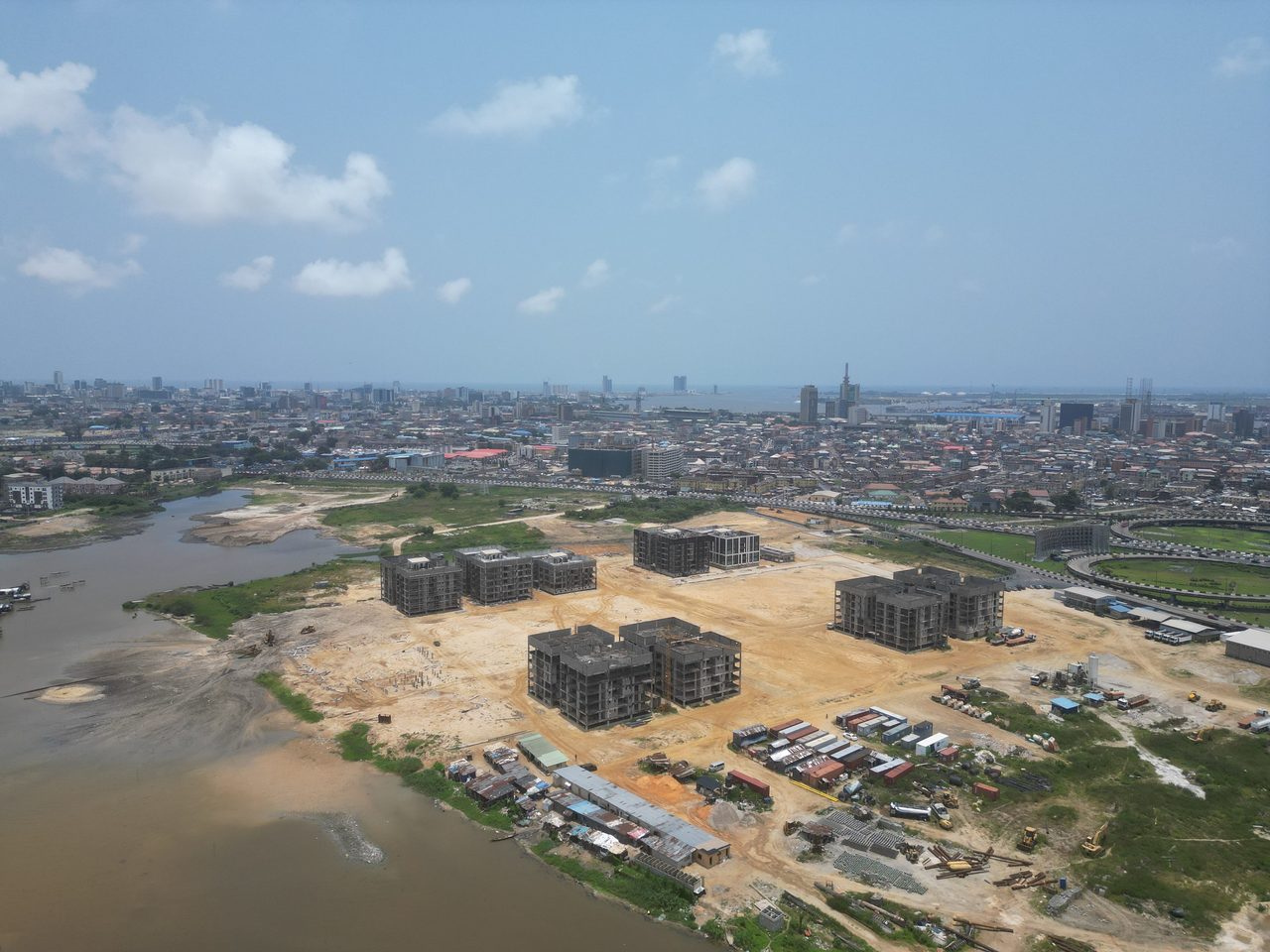
Lagos is Nigeria's coastal megacity and West Africa's largest metropolis, a sprawling lagoon-side sprawl of islands and mainland districts that serves as the country's commercial, cultural, and entertainment capital. Spread across Lagos Island, Victoria Island, Ikeja, and dozens of mainland neighborhoods, Lagos is the beating heart of Afrobeats music, Nollywood film, West African fashion, and a fast-growing tech scene, all layered over historic markets, colonial-era streets, and Atlantic beaches.
Lagos began as a cluster of fishing settlements on Lagos Island and has grown into a megacity of an estimated 15 million-plus people spread across islands, lagoons, and mainland sprawl. Lagos Island and Victoria Island form the historic and business core, with colonial-era streets, Balogun Market, and high-rise offices; Ikeja, the state capital, anchors the mainland with the international airport and shopping malls; and Lekki's beaches, bars, and Nike Art Gallery draw the city's creative and nightlife crowd. Lagos is famous as the home of Afrobeats and Nollywood, has some of the most notorious traffic congestion in the world, and rewards visitors who plan routes around go-slows (traffic jams) and embrace the city's relentless energy, street food, live music, and markets.
Capital
Ikeja
Largest city
Lagos
Population
~15.4 million (Lagos metropolitan area, 2026 estimate)
The 16 destinations our editors recommend — from iconic landmarks to under-the-radar finds.
National Museum Lagos
This is Nigeria's national collections museum, holding archaeological and ethnographic material including Nok terracotta pieces and Benin bronzes (some replicas, as many originals remain abroad), alongside a section on Nigeria's independence and civil-war history. The building itself is dated and the displays are sparsely labelled compared to major Western museums, so it rewards visitors with prior interest in Nigerian history more than casual browsers. It sits inside the Onikan cultural cluster near Tafawa Balewa Square, making it easy to pair with a walk around that area.
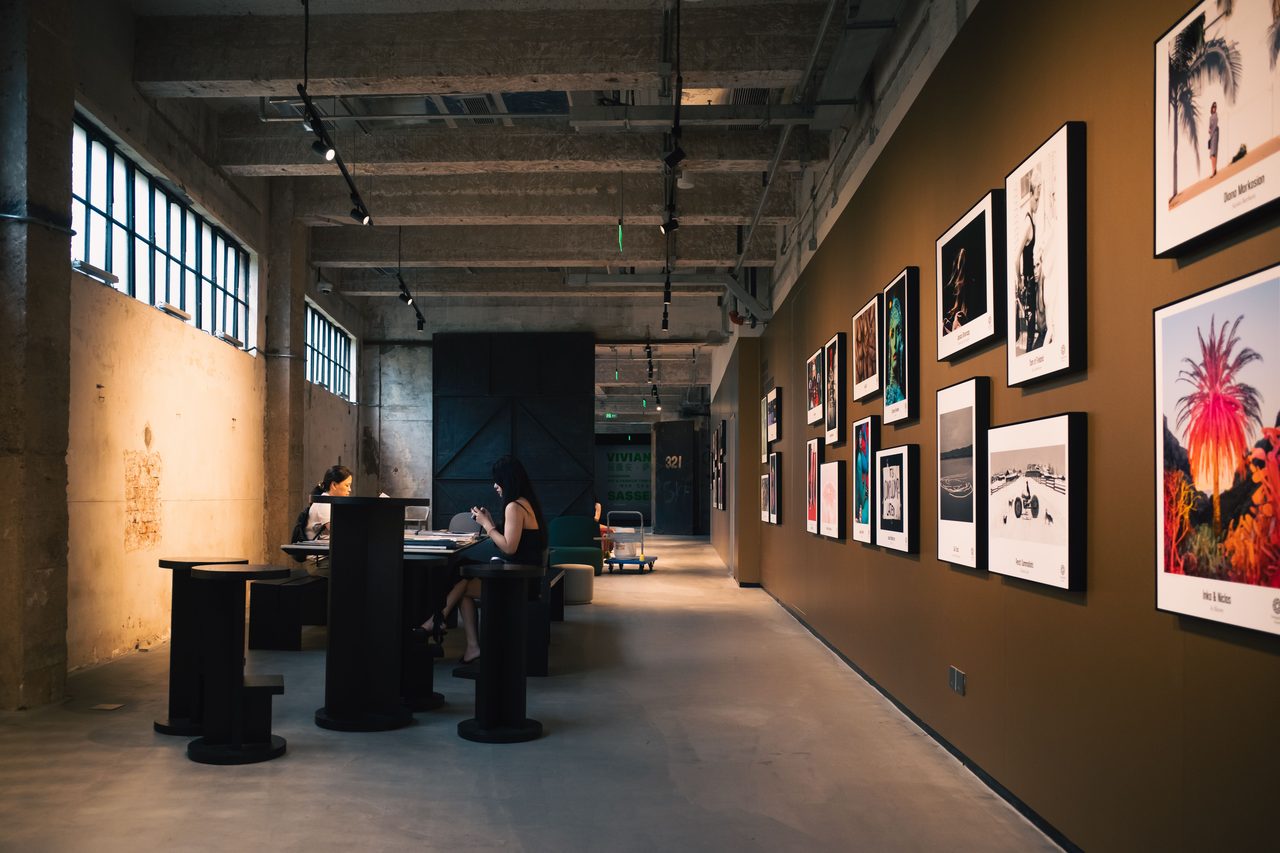
Nike Art Gallery
Founded by textile artist and collector Nike Davies-Okundaye, this multi-storey gallery in Lekki Phase 1 is one of the largest private art spaces in West Africa, packed floor to ceiling with paintings, batik and adire textiles, beadwork, and sculpture from artists across Nigeria. Almost everything on the walls is for sale, and the sheer density of work across several packed floors makes it feel more like an artist's warehouse than a curated exhibition. It's one of the few places in Lagos where you can see traditional adire dyeing techniques displayed alongside contemporary painting in the same building.
Freedom Park Lagos
Freedom Park occupies the site of the former Broad Street Prison, a colonial-era jail, and was converted into a memorial and cultural park that keeps parts of the old prison structure visible alongside new performance spaces, restaurants, and a bar area. It's a rare green, open-air gathering spot on Lagos Island and regularly hosts live music, theatre, and comedy events in the evenings. During the day it's a quieter place to sit, eat, and see the preserved colonial architecture.
Tafawa Balewa Square
Named after Nigeria's first prime minister, this large paved square in Onikan was built for the country's 1960 independence ceremonies and is still used for military parades and national events. It's flanked by the twin-domed City Hall-style pavilion structures and sits near the National Museum and Race Course, forming part of the same colonial-era civic layout of central Lagos Island. Outside of scheduled events, it functions mainly as open ceremonial ground rather than a space with much to actively do.
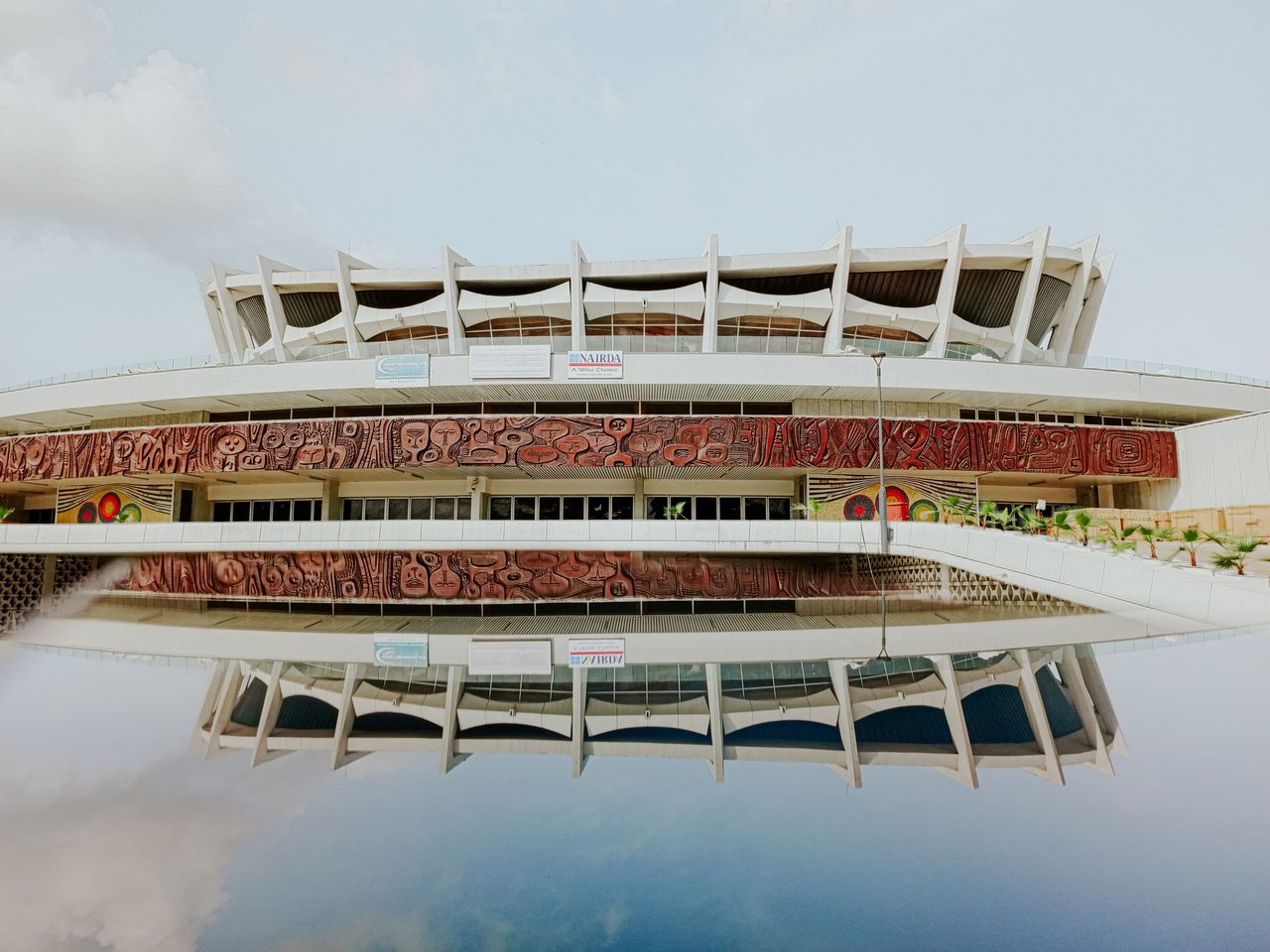
Lagos National Theatre
Opened in 1976 and modelled on Nigeria's bid to host major pan-African cultural festivals, this distinctive hat-shaped building in Iganmu is one of the most recognisable pieces of modern architecture in Lagos. It has hosted concerts, film premieres and cultural festivals over the decades, and in recent years the surrounding grounds have been redeveloped with creative hubs and studio spaces as part of a renovation push. The building's condition has fluctuated over the years with periods of disrepair between renovations, so what's open to see can vary.
Landmark Beach
This is a managed, fenced beach on Victoria Island's waterfront, part of the larger Landmark Village complex of restaurants, bars, and event space, which makes it more developed and controlled than Lagos's open public beaches. Loungers, beach volleyball courts, and jet-ski rentals are typically available, and the paid entry keeps crowd density lower than at free beaches nearby. It's built for a day of eating and lounging rather than for swimming in rough Atlantic surf, which can have a strong undertow along this stretch of coast.
Recommended itineraries
Pick a length, follow the route. Each itinerary balances headline sights with breathing room.
5-Day Lagos Explorer
Day 1Arrive in Lagos, explore city center
Day 2Visit top attractions and museums
Day 3Day trip to nearby highlights
Day 4Local markets and hidden gems
Day 5Final sightseeing, departure
7-Day Classic Lagos
Days 1-2Lagos city highlights
Days 3-4Regional exploration
Days 5-6Cultural immersion and local experiences
Day 7Return and departure
14-Day Ultimate Lagos
Days 1-3Lagos comprehensive city tour
Days 4-6Northern region exploration
Days 7-9Eastern highlights
Days 10-12Southern attractions
Days 13-14Return to Lagos, departure
Where to stay in Lagos
Three tiers, every traveller covered — from cost-conscious to flagship hotels.
Budget ₦25,000
Hostels, budget hotels, and guesthouses offer affordable stays without sacrificing experience.
Mid-range ₦75,000
Boutique hotels and well-located accommodations provide comfort and convenience at reasonable prices.
Luxury ₦250,000+
World-class resorts and premium hotels deliver unforgettable experiences.
Cafés, neighbourhood gems, and tasting menus worth the table reservation.
Nok by Alara
Pan-African · $$$
The restaurant sits inside the Alara concept store designed by David Adjaye, and the kitchen treats West African staples with a fine-dining hand rather than reworking them into something else. The dining room is polished concrete and glass under Adjaye's stepped facade, open to views of the store's art and design pieces, which makes it feel more like a gallery café than a typical hotel restaurant.
The Yellow Chilli
Nigerian · $$
Chef Fregz built this place around ofada rice and ayamase, serving them with the heat and richness of a home kitchen but in a proper sit-down restaurant format. It's a straightforward, brightly lit dining room in Ikeja GRA rather than a design statement, and it draws a lunch crowd of office workers alongside families on weekends.
Terra Kulture Restaurant
Nigerian · $$
This sits above the Terra Kulture arts and culture centre on Tiamiyu Savage Street, so the restaurant doubles as a stop before or after a gallery show, a play, or the bookshop downstairs. The food is home-style Nigerian cooking, unfussy and generously portioned rather than plated for effect.
Bungalow Restaurant
International · $$$
An open-sided, garden-set restaurant on Victoria Island built around a wood-fired oven, with an international menu that leans toward grilled and pizza dishes rather than a single cuisine. The setting is casual and airy, with outdoor seating under trees, making it a lower-key alternative to the more formal VI dining rooms nearby.
RSVP Lagos
International · $$$
A sleek, contemporary dining room on Musa Yar'Adua Street that has positioned itself as one of Victoria Island's higher-end international kitchens, mixing European technique with indulgent, richly sauced dishes. It draws a business and social crowd for dinner, with a bar area that stays lively later in the evening.
Sky Restaurant & Lounge
International · $$$$
Set within the Eko Hotel & Suites complex on Adetokunbo Ademola Street, this is a large-format international grill and lounge rather than an intimate restaurant, built for hotel guests and the wider VI crowd who come for steaks, seafood, and cocktails. The scale of the room and its hotel setting make it feel more like an event venue than a neighbourhood spot.
Getting around Lagos
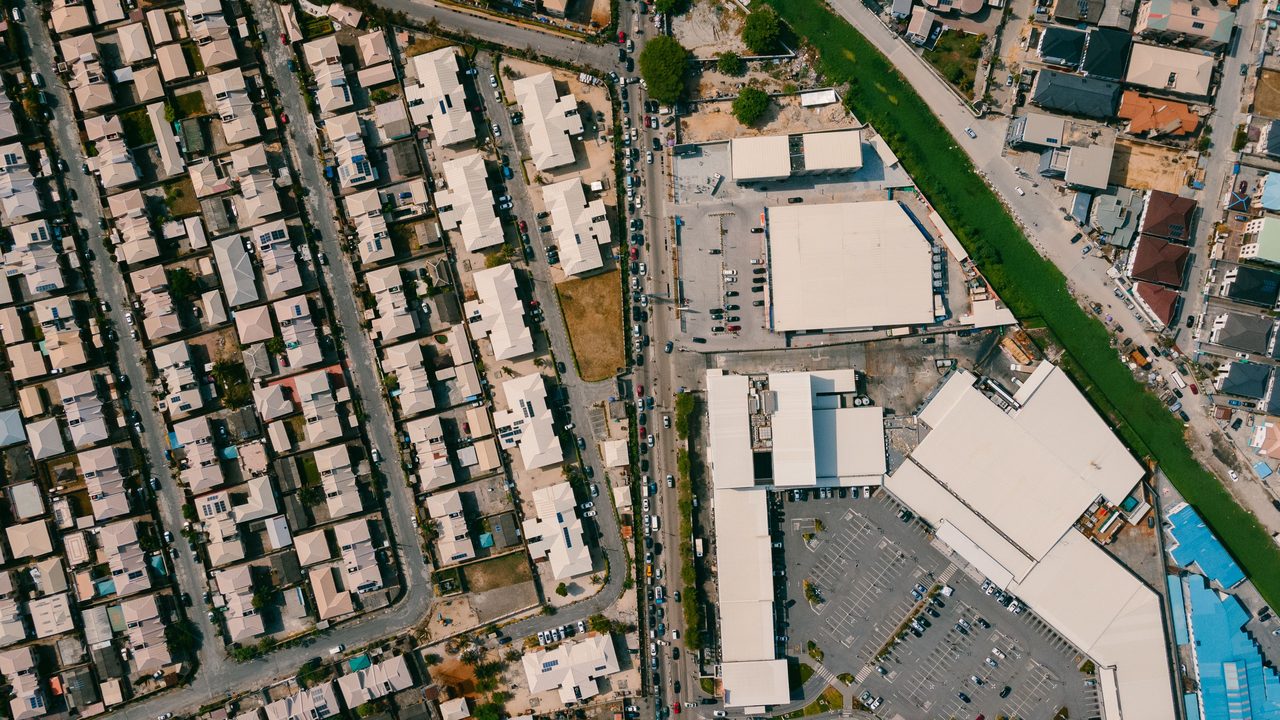
Lagos is a sprawling, traffic-heavy megacity split across islands and mainland by lagoons and bridges, so transport choice matters enormously. Ride-hailing apps (Bolt, Uber) are the easiest option for visitors; the LAMATA BRT network and the newer Blue Line and Red Line commuter trains offer faster, cheaper alternatives on their specific corridors; danfo minibuses and keke napep (auto-rickshaws) fill in everywhere else; and LAGFERRY water transport can bypass road congestion entirely on lagoon-adjacent routes. Self-drive car rental is rarely worthwhile given the traffic and unfamiliar road conditions.
Budget breakdown
Daily spend by tier in NGN, broken out by category.
Category
Budget
Mid-range
Luxury
Accommodation
₦10,000
₦40,000
₦150,000
Food (per day)
₦7,000
₦15,000
₦40,000
Transportation
₦4,000
₦10,000
₦35,000
Activities
₦4,000
₦10,000
₦25,000
Daily total
₦25,000
₦75,000
₦250,000+
Best time to visit Lagos
Weather through the year in Lagos
Best timeShoulderWorth avoiding
Average daytime temperature in °C. Figures are for Lagos.
Lagos has a tropical climate with a long rainy season from April to October (heaviest June-July) and a shorter drier stretch from November to February, when a dusty Saharan harmattan wind often reduces visibility. December is the busiest and most expensive month, with the Detty December festival season packing hotels, clubs, and concerts.
Temperatures stay warm and humid year-round, typically 24-32C (75-90F); pack light, breathable clothing and rain protection for any visit outside December-February
Essential travel tips
Build extra time into every journey; Lagos traffic (go-slow) can turn a 10km trip into a 90-minute ordeal at peak hours
Carry a local SIM card (MTN, Airtel, or Glo) for data and ride-hailing apps, available at the airport and countless kiosks
Have small naira notes on hand, as many vendors and danfo conductors cannot break large bills
Try jollof rice, suya, and pounded yam with egusi soup at a local buka (informal eatery) for an authentic, affordable meal
Hidden gems
Off-the-beaten-path corners most travellers miss.
Nike Art Gallery
A five-story gallery in Lekki packed with thousands of paintings, sculptures, and textiles from across Nigeria, founded by artist Nike Davies-Okundaye
Lekki Phase 1, Lagos
Kalakuta Museum
The former home of Afrobeat pioneer Fela Kuti, now a museum on his life, activism, and music, located on the mainland in Ikeja
Gbemisola Street, Ikeja, Lagos
Whispering Palms (Badagry Road)
A quiet lagoon-side resort near the historic slave trade town of Badagry, offering a slower-paced escape from the city center
Badagry, Lagos
Safety information
INFO
Use Bolt or Uber for all trips rather than hailing danfo buses, okadas (motorcycle taxis), or unmarked vehicles, especially after dark or in unfamiliar areas
INFO
Keep car windows up and doors locked while in traffic, as opportunistic theft through open windows can occur at busy junctions and traffic lights (go-slows)
INFO
Avoid displaying phones, jewelry, or cash in public, and keep bags close to the body in crowded markets like Balogun Market
INFO
Stay in well-known, well-lit districts such as Victoria Island, Ikoyi, or Lekki, and avoid wandering into unfamiliar mainland neighborhoods without local guidance
INFO
During the rainy season (April-October), avoid driving or walking through flooded underpasses and low-lying roads, as flash flooding is common and can be dangerous
INFO
Register with your embassy's traveler program before arrival and keep emergency contacts saved offline
INFO
Avoid political rallies, protests, or large public gatherings, which can turn unpredictable and sometimes see a heavy security response
INFO
Carry a photocopy of your passport and visa rather than the original document when moving around the city day-to-day
INFO
Be cautious with new acquaintances who offer unsolicited help, investment opportunities, or romantic interest quickly, as advance-fee and romance scams are common
INFO
Avoid travel outside Lagos State to Nigeria's northern regions, several of which carry Do Not Travel warnings from Western governments due to terrorism and kidnapping risk
Frequently asked questions
Do I need a visa to visit Lagos?
Most visitors need a visa to enter Nigeria and Lagos. Nigeria's e-Visa system lets most nationalities apply online at immigration.gov.ng, usually processed within 48 hours, and requires a passport valid for 6+ months, a passport photo, proof of accommodation, a return ticket, and a yellow fever vaccination certificate. Citizens of ECOWAS states can enter visa-free for up to 90 days. Requirements vary by nationality, so visitors should confirm current rules with the nearest Nigerian embassy before traveling.
Is Lagos safe for tourists?
Lagos requires more caution than many international destinations. The US State Department rates Nigeria overall at Level 3: Reconsider Travel, though the Level 4: Do Not Travel warnings apply to specific northern states, not Lagos. Visitors who stay in well-known areas such as Victoria Island, Ikoyi, or Lekki, use ride-hailing apps instead of hailing vehicles on the street, avoid walking alone at night, and keep a low profile with valuables generally have safe visits.
What is the best way to get around Lagos?
Ride-hailing apps such as Bolt and Uber are the most practical and safest option for visitors, with fares shown upfront and drivers tracked by GPS. Danfo minibuses and BRT buses are far cheaper but require local knowledge of routes. Ferries and water taxis across the lagoon can be faster than road transport during peak traffic between the mainland and the islands.
What food is Lagos famous for?
Lagos is famous for jollof rice, suya (spiced grilled skewered meat), pounded yam with egusi soup, and pepper soup. Street food and informal eateries called bukas serve some of the most authentic and affordable meals, while restaurants in Victoria Island and Ikoyi offer upscale takes on Nigerian and Pan-African cuisine.
What are the top attractions in Lagos?
The top attractions in Lagos include the Lekki Conservation Centre and its canopy walkway, the Nike Art Gallery, Freedom Park Lagos, the National Museum Lagos, and Balogun Market. Each offers a distinct side of the city, from nature and contemporary art to colonial history and West Africa's biggest open-air shopping experience.