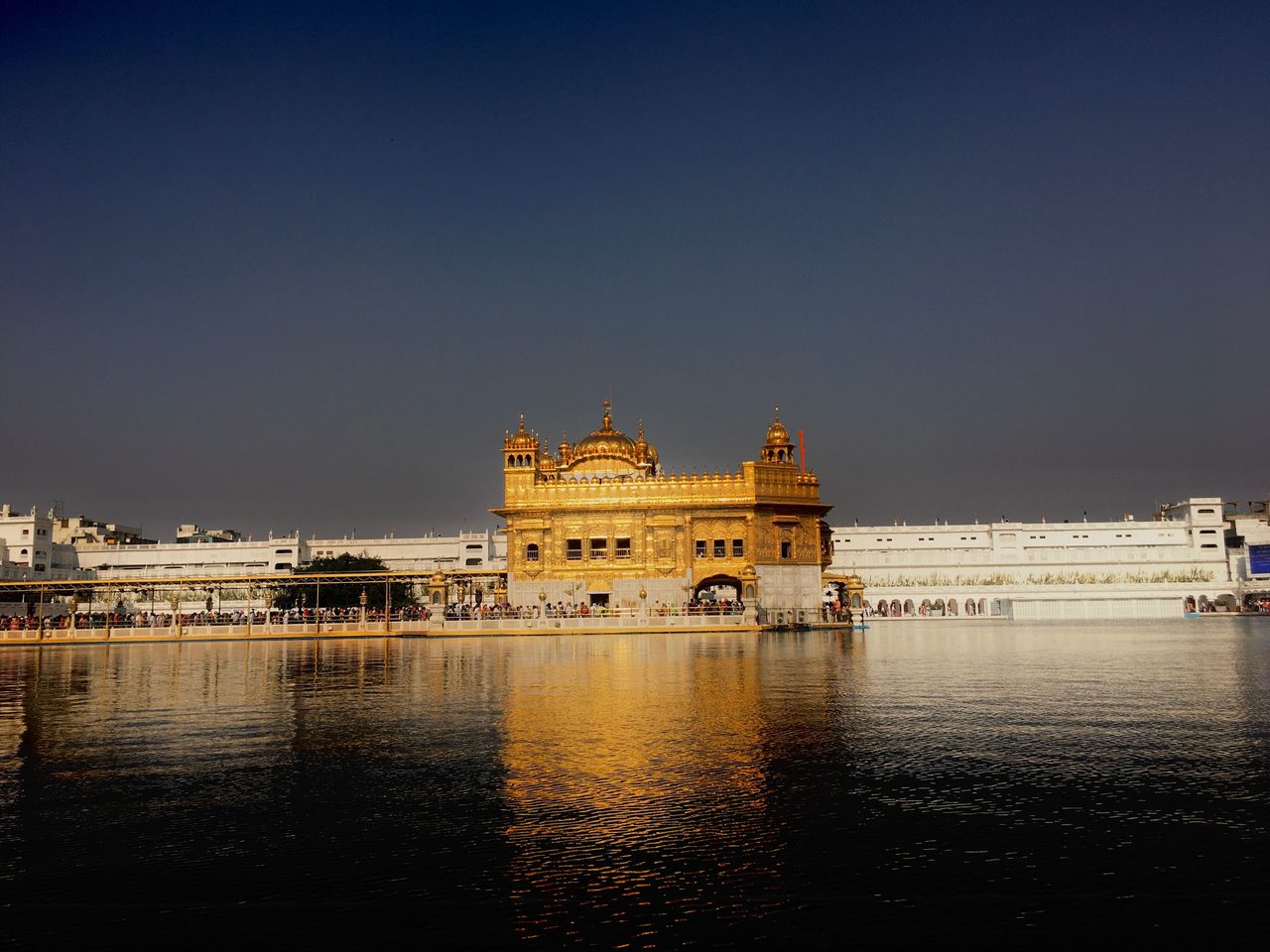
Punjab is Pakistan's most populous province, a fertile plain fed by five rivers in the eastern part of the country. Home to the historic capital of the Mughal empire in Lahore, the province blends grand Mughal architecture, bustling bazaars, and vast agricultural land with modern industrial cities such as Faisalabad and Sialkot. Punjab is the cultural and economic heartland of Pakistan, known for its cuisine, festivals, Sufi shrines, and the ceremonial border crossing at Wagah.
Punjab stretches across the fertile plains between the Indus River system's five tributaries, making it Pakistan's agricultural and industrial core as well as its most populous province. Lahore, the provincial capital, was a seat of the Mughal Empire and remains the country's cultural capital, packed with monuments such as the Badshahi Mosque, Lahore Fort, and Shalimar Gardens within the UNESCO-listed Walled City. Beyond Lahore, Punjab offers the Sufi shrines and colonial architecture of Multan, the industrial hubs of Faisalabad and Sialkot, the desert palaces of Bahawalpur, the Mughal-era Rohtas Fort near Jhelum, and the Kartarpur Corridor, a major site of Sikh pilgrimage near the India border. Visitors typically combine historic cities with day trips to rural canal towns, ancient archaeological sites like Harappa, and the famous Wagah border ceremony.
The 25 destinations our editors recommend — from iconic landmarks to under-the-radar finds.
Badshahi Mosque
Built in 1673 under Aurangzeb, this red sandstone mosque sits directly across from Lahore Fort and was for centuries among the largest mosques in the world. Its vast courtyard can hold tens of thousands of worshippers, and the marble domes and minarets are a defining image of Lahore. The scale is the point: standing in the empty courtyard, dwarfed by the gateway, gives a sense of Mughal imperial ambition that photos flatten out.
Lahore Fort (Shahi Qila)
A UNESCO World Heritage citadel built up over Mughal and Sikh rule, the fort combines Akbar-era brick structures with the later marble pavilions of Shah Jahan. Inside, the Sheesh Mahal's mirrored ceilings and the Naulakha Pavilion show the more delicate, decorative side of Mughal architecture compared to the mosque across the road. It's large enough to need a couple of hours to see properly, with distinct quarters from different eras.
Wazir Khan Mosque
Completed in 1641, this mosque is known less for its size than for the kashi-kari tilework covering its facade and courtyard walls, which is considered among the finest surviving examples of Mughal-era ceramic decoration in South Asia. It sits deep inside the Walled City, so reaching it means walking through the narrow lanes of the old bazaars rather than driving straight up to it. Restoration work in recent years has brought back much of the original color in the tile panels.
Shalimar Gardens
Laid out by Shah Jahan in 1641 as a formal Mughal pleasure garden, Shalimar is built on three descending terraces with channels and fountains that once used gravity-fed water from a canal to keep the pools moving. It's a quieter, more residential-feel counterpart to the fort and mosque, and gives a sense of how Mughal gardens were designed as engineered water systems rather than open lawns. The fountains don't always run outside of special occasions, so the terraces themselves are the main draw.
Minar-e-Pakistan (Greater Iqbal Park)
This concrete and marble tower marks the site where the 1940 Lahore Resolution was passed, the political declaration widely seen as the founding call for a separate Muslim state that became Pakistan. The monument's base carries inscriptions of the resolution text, and the surrounding park is one of the largest open green spaces in central Lahore. It functions as much as a public park for local families as a historical site.
Lahore Museum
Established in the 1890s, this is one of the oldest and most significant museums in Pakistan, holding Gandharan Buddhist sculpture, Mughal miniature paintings, and Sikh-era artifacts across galleries in a colonial-era red brick building on Mall Road. Its most famous single piece is the Fasting Buddha, a Gandharan-era sculpture regarded as one of the finest surviving examples of that art style. The collection spans a wider timeframe than the city's Mughal monuments, covering pre-Islamic and colonial Punjab as well.
Recommended itineraries
Pick a length, follow the route. Each itinerary balances headline sights with breathing room.
5-Day Punjab Explorer
Day 1Arrive in Punjab, explore city center
Day 2Visit top attractions and museums
Day 3Day trip to nearby highlights
Day 4Local markets and hidden gems
Day 5Final sightseeing, departure
7-Day Classic Punjab
Days 1-2Punjab city highlights
Days 3-4Regional exploration
Days 5-6Cultural immersion and local experiences
Day 7Return and departure
14-Day Ultimate Punjab
Days 1-3Punjab comprehensive city tour
Days 4-6Northern region exploration
Days 7-9Eastern highlights
Days 10-12Southern attractions
Days 13-14Return to Punjab, departure
Where to stay in Punjab
Three tiers, every traveller covered — from cost-conscious to flagship hotels.
Budget PKR 8,000 (~$29)
Hostels, budget hotels, and guesthouses offer affordable stays without sacrificing experience.
Mid-range PKR 22,000 (~$79)
Boutique hotels and well-located accommodations provide comfort and convenience at reasonable prices.
Luxury PKR 65,000+ (~$235+)
World-class resorts and premium hotels deliver unforgettable experiences.
Cafés, neighbourhood gems, and tasting menus worth the table reservation.
Cooco's Den (Cuckoo's Den)
Pakistani - Lahori · $$$
A rooftop restaurant on Lahore's Food Street, set inside a converted haveli that was once run by the painter Iqbal Hussain, whose canvases still hang on the stairwells and terraces. The kitchen turns out Lahori tawa and karahi cooking, grilled over open flame, served across several open-air floors stacked up toward the roof. The draw is as much the setting as the food: tables face Badshahi Mosque and the fort walls across the street.
Andaaz Restaurant
Pakistani - fine dining · $$$
Haveli Restaurant
Pakistani - Mughlai · $$$
One of the longer-established rooftop restaurants on Food Street, occupying a restored haveli directly across from Badshahi Mosque. The menu leans Mughlai rather than the more common Lahori tawa style found elsewhere on the street, built around slow-cooked handi and malai boti. Seating is spread over several narrow floors and open terraces typical of the old city's building stock.
Waris Nihari
Pakistani - Lahori · $
A long-running nihari house in Anarkali Bazaar, the kind of old-school Lahore eatery that has built its reputation on one dish rather than a broad menu. The beef nihari is slow-simmered and served bone-in, with maghaz available on the side for those who want it. Seating is basic and functional, geared toward turning tables quickly rather than lingering.
Cafe Aylanto
Continental and Pakistani fusion · $$
An upscale casual restaurant on MM Alam Road, part of a small Pakistani group with sister branches in other cities, serving continental and Pakistani-fusion food to Gulberg's business and professional crowd. The kitchen centers on a wood-fired oven for its pizzas alongside grilled steaks and pasta. The room is contemporary rather than traditional, with the polished, lounge-like look common to MM Alam Road's restaurant strip.
Monal Lahore
Pakistani and continental · $$$
The Lahore branch of the Monal restaurant group, whose original Islamabad location is known for its hillside perch on the Margalla Hills. This branch sits on a terrace above Liberty Chowk in Gulberg instead, so the outlook is over the roundabout and market rather than any hill or valley view. The menu covers Pakistani barbecue, karahi and biryani alongside a continental section, served buffet and à la carte.
Getting around Punjab
Punjab is Pakistan's most populous and most connected province: Lahore, Multan, Faisalabad, and Rawalpindi/Islamabad are linked by frequent Pakistan Railways trains and AC coach services such as Daewoo Express, making intercity travel straightforward without a car. Within Lahore, the Metrobus (Green Line) and Orange Line Metro Train provide affordable public transport, but other Punjab cities depend mainly on rickshaws, ride-hailing apps (inDrive, Yango), and shared vans. A hired car with driver is the most common way for visitors to reach day-trip destinations outside the main cities, since self-drive rental is uncommon and traffic conditions can be unfamiliar to foreign visitors.
Budget breakdown
Daily spend by tier in PKR, broken out by category.
Category
Budget
Mid-range
Luxury
Accommodation
PKR 3,500 (~$13)
PKR 12,000 (~$43)
PKR 40,000 (~$144)
Food (per day)
PKR 1,800 (~$6.50)
PKR 4,500 (~$16)
PKR 12,000 (~$43)
Transportation
PKR 1,200 (~$4.30)
PKR 2,500 (~$9)
PKR 6,000 (~$22)
Activities
PKR 1,500 (~$5.40)
PKR 3,000 (~$11)
PKR 7,000 (~$25)
Daily total
PKR 8,000 (~$29)
PKR 22,000 (~$79)
PKR 65,000+ (~$235+)
Best time to visit Punjab
Weather through the year in Punjab
Best timeShoulderWorth avoiding
Average daytime temperature in °C. Figures are for Punjab.
October to March, when daytime temperatures are mild and comfortable for sightseeing in Lahore and other cities
Winter mornings can bring heavy fog to central Punjab, occasionally affecting road and rail travel
Essential travel tips
Visit the Wagah Border ceremony in the late afternoon and arrive early to secure a good seat, as crowds form quickly
Dress modestly when visiting mosques and shrines; women should carry a scarf to cover their head
Friday afternoons see many businesses close for prayers, particularly in smaller towns
Bargaining is expected in bazaars such as Lahore's Anarkali Market
Try Lahore's Food Street in the evening for a concentrated sample of Punjabi cuisine near the Badshahi Mosque
Carry small denomination rupee notes, as change can be scarce for small purchases
Hidden gems
Off-the-beaten-path corners most travellers miss.
Gawalmandi Food Street
A quieter, cheaper alternative to Fort Road Food Street favored by local families
Katas Raj Temples
A cluster of ancient Hindu temples surrounding a sacred pond in the Salt Range, tied to legends of the Mahabharata
Chakwal District
Rohtas Fort
A vast 16th-century UNESCO World Heritage fortress built by Sher Shah Suri, largely untouched by modern development
Jhelum District
Harappa Archaeological Site
Ruins of one of the largest cities of the Indus Valley Civilization, with an on-site museum of excavated artifacts
Sahiwal District
Noor Mahal
An ornate 19th-century palace built for the Nawab of Bahawalpur, blending Italian, Islamic, and colonial styles
Bahawalpur
Iqbal Park lawns near Minar-e-Pakistan
A free alternative to paid viewpoints, popular with local families for an evening picnic
Iqbal Park, Lahore
Safety information
INFO
Lahore, Faisalabad, and Multan are generally calm for day-to-day tourism, with the main risks being petty theft, traffic, and occasional political demonstrations rather than violent crime against foreign visitors
INFO
Avoid all travel to Balochistan and the former FATA districts of Khyber Pakhtunkhwa, which sit outside Punjab and carry active terrorism and kidnapping risk under most governments' advisories
INFO
Register with your embassy or consulate on arrival and keep a copy of your passport and visa separate from the originals
INFO
Political rallies, religious processions (especially during Muharram), and demonstrations can turn unpredictable; avoid them and follow local news for planned gatherings
INFO
Traffic is chaotic and a leading cause of injury for visitors; use licensed drivers, wear seatbelts where available, and be extremely cautious crossing roads on foot
INFO
Extreme summer heat (often 40-45C in May-June) causes real heatstroke risk; carry water, avoid midday outdoor activity, and recognize the early signs of heat exhaustion
INFO
Air quality in Lahore and much of Punjab becomes hazardous during the November-January smog season; travelers with respiratory conditions should carry masks and check daily air quality index readings
INFO
Monsoon rains (July-August) can cause sudden urban flooding in Lahore and other cities; avoid low-lying underpasses and flooded streets during and after heavy rain
INFO
Dress modestly (shoulders and knees covered for all genders) to reduce unwanted attention and show respect, particularly outside upscale, cosmopolitan parts of Lahore
INFO
Photography of military installations, government buildings, airports, and border areas is prohibited and enforced; ask before photographing people, especially women
Frequently asked questions
Do I need a visa to visit Punjab, Pakistan?
Most visitors need a visa to enter Pakistan, and Punjab has no separate entry requirements from the rest of the country. Many nationalities can apply for an e-Visa online in advance, and some qualify for visa-on-arrival at major airports including Lahore. Eligible nationality lists and documentation requirements change periodically, so travelers should confirm current rules on the official Pakistan Online Visa System before booking travel.
What is the best way to get around Punjab, Pakistan?
Pakistan Railways connects Lahore, Multan, Faisalabad, and other major cities, while air-conditioned intercity coaches run frequently on the region's motorways. Within cities, ride-hailing apps such as Careem and Uber are the most convenient option, and Lahore additionally has the Orange Line Metro Train and Metrobus network for shorter city trips.
What food is Punjab, Pakistan famous for?
Punjab is known for hearty, meat-forward Punjabi cuisine, including seekh kebabs, karahi, and nihari, along with street food from Lahore's Food Street such as fried fish and chaat. Multan is particularly famous for its sohan halwa, a dense sweet made from wheat, ghee, and nuts, while lassi and Kashmiri chai are popular drinks throughout the province.
What are the top attractions in Punjab, Pakistan?
The top attractions in Punjab include Lahore's Badshahi Mosque, Lahore Fort, and Shalimar Gardens, all UNESCO-listed or Mughal-era landmarks in the Walled City. Beyond Lahore, highlights include the daily Wagah Border ceremony, the UNESCO-listed Rohtas Fort near Jhelum, the Harappa archaeological site, and Bahawalpur's ornate Noor Mahal palace.