Cusco · 25 Places · Best May, June, July, August, September
Cusco
Cusco is the historic heart of the Inca Empire, a breathtaking Andean city perched at 3,400 meters above sea level in southeastern Peru. The city blends ancient Inca stonework with Spanish colonial architecture, creating a unique urban landscape that has earned it UNESCO World Heritage status. As the gateway to Machu Picchu and the Sacred Valley, Cusco is one of South America's most visited and culturally rich destinations.
Cusco Region encompasses the ancient Inca capital city, the breathtaking Sacred Valley of the Incas, and the famous citadel of Machu Picchu. The region sits in the Andes Mountains at elevations ranging from 1,000 to over 6,000 meters, creating diverse ecosystems from cloud forest to high alpine puna. Visitors come for world-class archaeology, Andean culture, adventure trekking, and some of the most spectacular mountain scenery on earth.
The 25 destinations our editors recommend — from iconic landmarks to under-the-radar finds.
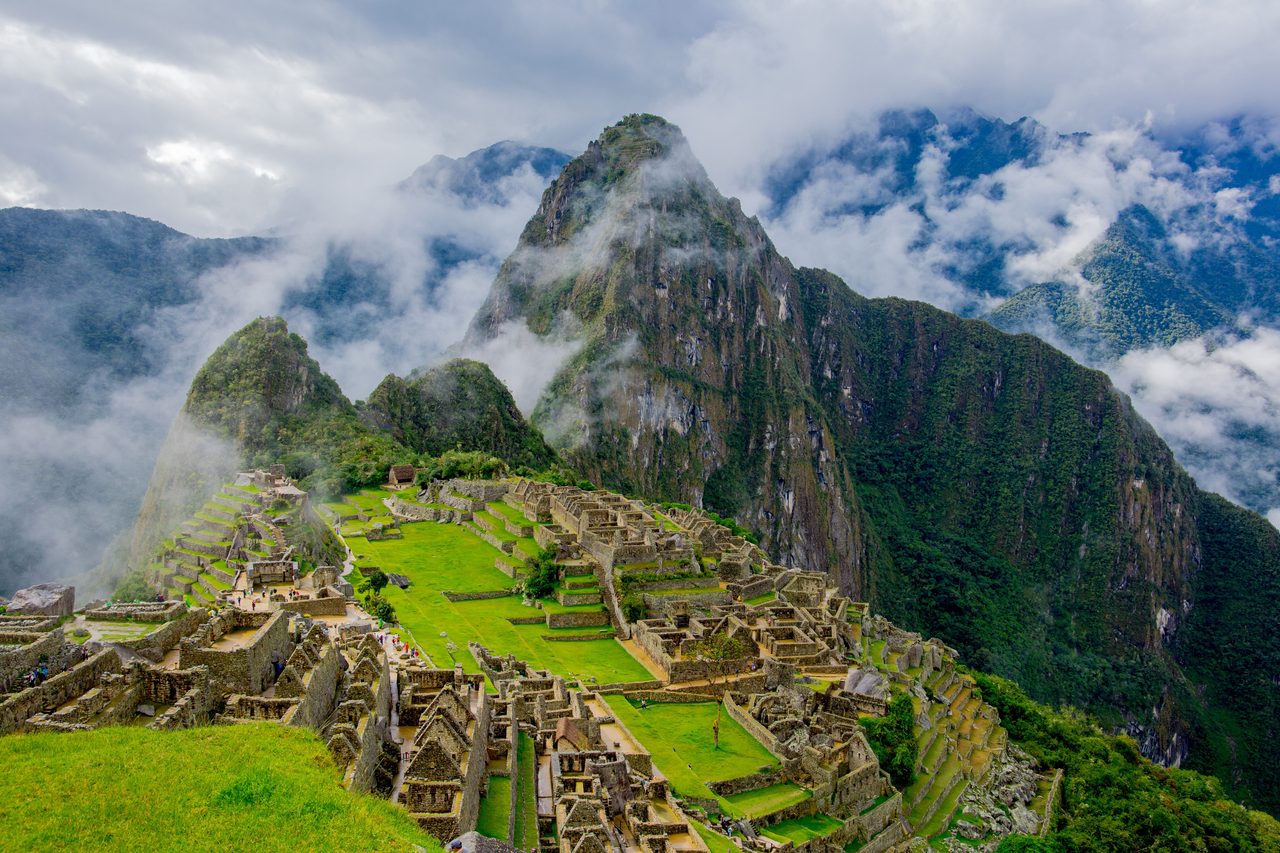
Machu Picchu
The crown jewel of the Inca Empire, this 15th-century citadel perched on a ridge above the Urubamba River is one of the world's most iconic archaeological sites. A UNESCO World Heritage Site and New Seven Wonders of the World, Machu Picchu features temples, terraces, and residences in remarkable preservation. Arrive early to beat crowds and mist for a magical experience.
Sacsayhuaman
An awe-inspiring Inca ceremonial and military complex on a hilltop overlooking Cusco, featuring massive limestone blocks weighing up to 300 tonnes fitted without mortar. The site served as a religious sanctuary dedicated to the sun god and a fortress, and still hosts the annual Inti Raymi festival. The panoramic views over Cusco make it equally spectacular.
Qorikancha (Temple of the Sun)
The most sacred temple in the Inca Empire was dedicated to Inti, the sun god, and its walls were once covered in gold. After the Spanish conquest, the Dominican Church of Santo Domingo was built directly atop the temple, creating a fascinating architectural fusion visible today. The underground chambers and curved stonework display the finest Inca masonry in Cusco.
Plaza de Armas
The heart of Cusco since Inca times, this grand main square is flanked by the magnificent Cusco Cathedral, La Compañía de Jesús church, and colonial arcades filled with restaurants and cafes. Once the ceremonial center of the Inca Empire (called Huacaypata), it remains the social hub of the city where locals and travelers gather. Evening illumination of the cathedral is breathtaking.
Cusco Cathedral (Cathedral Basilica of the Assumption of the Virgin)
One of the greatest examples of Spanish colonial architecture in the Americas, this 16th-century cathedral took 100 years to build on the foundations of an Inca palace. Inside are over 400 paintings from the Cusco School of art, colonial silver altars, and the celebrated painting of 'The Last Supper' with guinea pig on the menu. The cathedral is one of Cusco's most important landmarks.
San Blas Neighborhood
Cusco's most charming neighborhood is a labyrinth of narrow cobblestone streets climbing the hillside above Plaza de Armas, lined with whitewashed houses adorned with blue doors and flowerpots. The area is home to artisan workshops, boutique galleries, and the San Blas Chapel containing the famous intricately carved pulpit. Bohemian cafes and panoramic viewpoints make it essential for any visit.
Recommended itineraries
Pick a length, follow the route. Each itinerary balances headline sights with breathing room.
5-Day Cusco Explorer
Day 1Arrive in Cusco, explore city center
Day 2Visit top attractions and museums
Day 3Day trip to nearby highlights
Day 4Local markets and hidden gems
Day 5Final sightseeing, departure
7-Day Classic Cusco
Days 1-2Cusco city highlights
Days 3-4Regional exploration
Days 5-6Cultural immersion and local experiences
Day 7Return and departure
14-Day Ultimate Cusco
Days 1-3Cusco comprehensive city tour
Days 4-6Northern region exploration
Days 7-9Eastern highlights
Days 10-12Southern attractions
Days 13-14Return to Cusco, departure
Where to stay in Cusco
Three tiers, every traveller covered — from cost-conscious to flagship hotels.
Budget $35
Hostels, budget hotels, and guesthouses offer affordable stays without sacrificing experience.
Mid-range $90
Boutique hotels and well-located accommodations provide comfort and convenience at reasonable prices.
Luxury $280
World-class resorts and premium hotels deliver unforgettable experiences.
Belmond Hotel Monasterio
Plaza Nazarenas, Historic Center · $$$$
A legendary 5-star hotel occupying a beautifully restored 16th-century Jesuit monastery in the heart of Cusco's historic center. Rooms feature colonial antiques, original Cusco School paintings, and the hotel pumps oxygen into rooms to help guests acclimatize to altitude. The courtyard garden with its 300-year-old cedar tree is magical.
An exquisite boutique hotel occupying a 16th-century colonial mansion on Plaza Nazarenas, offering just 11 suites decorated with antiques and local artwork. The property exudes exclusivity with its serene courtyard, personalized service, and acclaimed restaurant serving elevated Peruvian cuisine. Rates include butler service and daily excursions.
A stunning 5-star hotel built on the ruins of Inca palaces adjacent to Qorikancha temple, blending original Inca stonework with sophisticated contemporary luxury. The 203-room hotel features an award-winning restaurant, Andean spa, and some rooms have direct views of the original Inca walls. Prime location on Plazoleta Santo Domingo.
The finest hotel in Aguas Calientes, positioned just minutes from the bus to Machu Picchu with stunning views of the Vilcanota River and surrounding cloud forest. The 62-room property offers Andean-inspired décor, a full-service spa, and a gourmet restaurant celebrating local Peruvian flavors. Perfect base for exploring Machu Picchu at your leisure.
Cafés, neighbourhood gems, and tasting menus worth the table reservation.
Chicha por Gastón Acurio
Peruvian Regional · $$$
Celebrity chef Gastón Acurio's Cusco outpost celebrates the traditional flavors of the Cusco region with sophisticated contemporary plating. The menu showcases highland ingredients including chiriuchu, cuy, and chicha morada alongside elevated takes on classic Andean dishes. The colonial mansion setting with exposed stone walls adds to the ambiance.
MAP Café
Peruvian Fusion · $$$
Situated inside the stunning glass-and-steel courtyard of the Museum of Pre-Columbian Art, MAP Café serves inventive contemporary Peruvian cuisine in one of Cusco's most beautiful settings. The tasting menus explore Andean ingredients with modern techniques, and the cocktail list featuring pisco variations is exceptional.
Limo Restaurant
Peruvian · $$$
A sophisticated rooftop restaurant overlooking Plaza de Armas, serving refined Peruvian cuisine with an emphasis on ceviche and coastal dishes elevated with Andean ingredients. The view of the illuminated Cathedral makes evening dining here truly memorable. Extensive pisco sour menu.
Cicciolina
Peruvian-Mediterranean · $$$
An intimate restaurant that has been one of Cusco's most beloved dining destinations for over two decades, offering a sophisticated menu blending Peruvian ingredients with Mediterranean techniques. The wine list is among the best in the city, and the tapas bar downstairs is perfect for a casual evening of small plates.
Marcelo Batata
Peruvian · $$
A popular two-story restaurant with a prime Plaza de Armas location offering reliable Peruvian classics in a warm, welcoming atmosphere. The menu covers all the staples from lomo saltado to ceviche and anticuchos at fair prices. The second floor offers great plaza views making it a go-to for tourists wanting a comfortable Peruvian meal.
Jack's Café
International/Peruvian · $$
Arguably Cusco's most beloved breakfast spot and brunch venue, Jack's Café serves generous portions of eggs, pancakes, granola, and Peruvian breakfast staples that have fueled hikers and travelers for years. The warm atmosphere, quick service, and reasonable prices create perpetual queues. Also serves excellent lunches.
Cusco Alejandro Velasco Astete International Airport (CUZ) connects to Lima and other Peruvian cities. Within the city, taxis and mototaxis are the primary transport; there is no metro. Trains operated by Peru Rail and Inca Rail connect Cusco to Aguas Calientes (Machu Picchu). Colectivos (shared minibuses) serve Sacred Valley towns cheaply and efficiently.
Taxi
Widely available throughout Cusco; always negotiate the fare before getting in as meters are rarely used
Cost: S/.5-15 within the city
Colectivo
Shared minibuses running fixed routes to Sacred Valley towns, depart when full from near Calle Puputi
Cost: S/.3-10 to most Sacred Valley destinations
Bus (local)
Urban buses cover main routes for a flat fare; useful for reaching San Pedro market area and bus terminal
Cost: S/.1 per ride
Peru Rail
Premium train operator running Expedition, Vistadome, and Hiram Bingham services to Aguas Calientes
Cost: $45-250 per journey
Inca Rail
Alternative train operator with routes from Cusco and Ollantaytambo to Aguas Calientes
Cost: $35-180 per journey
Mototaxi
Three-wheeled motorized rickshaws common in peripheral neighborhoods; avoid for long distances
Cost: S/.3-8
Budget breakdown
Daily spend by tier in PEN, broken out by category.
Category
Budget
Mid-range
Luxury
Accommodation
$12
$50
$180
Food (per day)
$10
$25
$60
Transportation
$5
$10
$25
Activities
$8
$20
$50
Daily total
$35
$90
$280
Best time to visit Cusco
Weather through the year in Cusco
Best timeShoulderWorth avoiding
Average daytime temperature in °C. Figures are for Cusco.
Essential travel tips
Buy the Cusco Tourist Ticket (boleto turístico) for access to 16 sites
Acclimatize in Cusco before hiking at higher altitudes
Book Machu Picchu tickets well in advance
April-May and September-October offer ideal weather with fewer crowds
Carry small bills in Peruvian soles for markets and taxis
Hidden gems
Off-the-beaten-path corners most travellers miss.
Cristo Blanco statue hill
free views over entire Cusco from above
Mirador de San Blas
sunset views over terracotta rooftops
Mercado Vinocanchón
authentic local market where no tourists go
Juanito's restaurant
Cusco institution since 1945
Skip touristy Inka Grill → Do Cicciolina
Skip generic photo tour → Do sunrise walk to Sacsayhuaman
Sacsayhuaman upper terrace
Cristo Blanco hilltop
San Blas Mirador
Ollantaytambo fortress terrace
Plaza de Armas café balconies
Safety information
INFO
Acclimatize for at least 24-48 hours in Cusco before undertaking strenuous activities, treks, or visiting higher-altitude sites like Rainbow Mountain
INFO
Drink coca tea or chew coca leaves to alleviate mild altitude sickness symptoms - available everywhere in Cusco
INFO
Stay hydrated by drinking at least 3 liters of water per day at altitude; avoid alcohol for the first 48 hours
INFO
Keep valuables (phone, camera, passport) secure and out of sight, especially in crowded areas like Mercado San Pedro and Plaza de Armas
INFO
Use only licensed taxis or negotiate with a driver before entering - never accept unsolicited taxi offers near tourist sites
INFO
Only drink bottled or purified water - tap water is not safe to drink in Cusco
INFO
Avoid walking alone on poorly lit streets at night, especially in areas away from the tourist center
INFO
Do not accept food or drinks from strangers on buses or in bars - drug-assisted robbery does occur
INFO
Keep copies of your passport and important documents in a separate location from the originals
INFO
Be aware of 'friendly stranger' scams where people engage you in conversation before pickpocketing or leading you to an overpriced establishment
INFO
Wear a money belt or hidden pouch for passports and large amounts of cash when sightseeing
INFO
Use the hotel safe for passports, extra cash, and valuable electronics
INFO
If trekking the Inca Trail or remote routes, always go with a licensed agency and guide
INFO
Carry basic altitude sickness medication (Diamox/acetazolamide) and discuss with your doctor before traveling
INFO
Be cautious at ATMs - use machines inside banks during daylight hours and be aware of your surroundings
Frequently asked questions
Is Cusco safe to visit in 2026?
Cusco is generally considered a safe destination for tourists, with petty theft being the primary concern rather than violent crime. Altitude sickness is the main health risk and should be taken seriously, as it can affect anyone regardless of age or fitness level. Emergency services: police at 105, medical at 106.
What is the best time to visit Cusco?
The best time to visit Cusco is May, June, July, August, September. Cusco has a highland climate with two distinct seasons: a dry season (May-October) with clear sunny days, cool nights, and minimal rainfall, and a wet season (November-April) with afternoon rain showe
Do I need a visa to visit Cusco?
Entry requirements follow Peru rules. Most Western nationals receive a 90-day tourist visa on arrival. A valid passport is required. No visa fee for most nationalities. Requirements vary by nationality, so check with your nearest embassy or the official immigration website before traveling.
What currency is used in Cusco?
The currency in Cusco is the Peruvian Sol (PEN). ATMs are widely available in cities and tourist areas. Credit cards are accepted at most hotels and restaurants, but carry cash for markets and smaller establishments.
What language is spoken in Cusco?
The main language(s) spoken in Cusco: Spanish, Quechua. In tourist areas, English is generally understood. Learning a few basic phrases in the local language is appreciated by locals.
What are the top attractions in Cusco?
The top attractions in Cusco include Machu Picchu, Sacsayhuaman, Qorikancha (Temple of the Sun), Plaza de Armas, and Cusco Cathedral (Cathedral Basilica of the Assumption of the Virgin). Each offers a unique experience, from historic landmarks to natural wonders.