
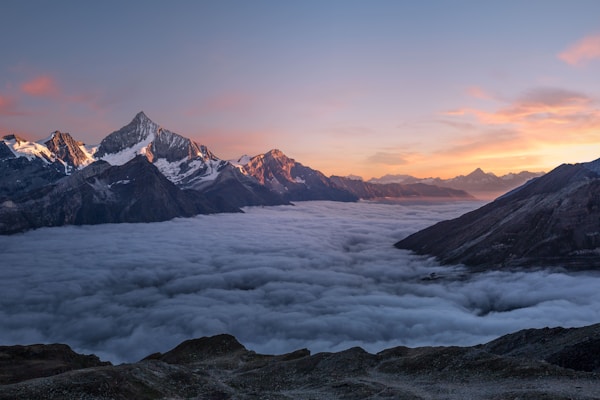
Mount Teide & Teide National Park
Spain's highest peak (3718m) and a UNESCO World Heritage Site. A lunar landscape of volcanic craters, endemic flora, and extraordinary views. The cable car reaches 3555m.
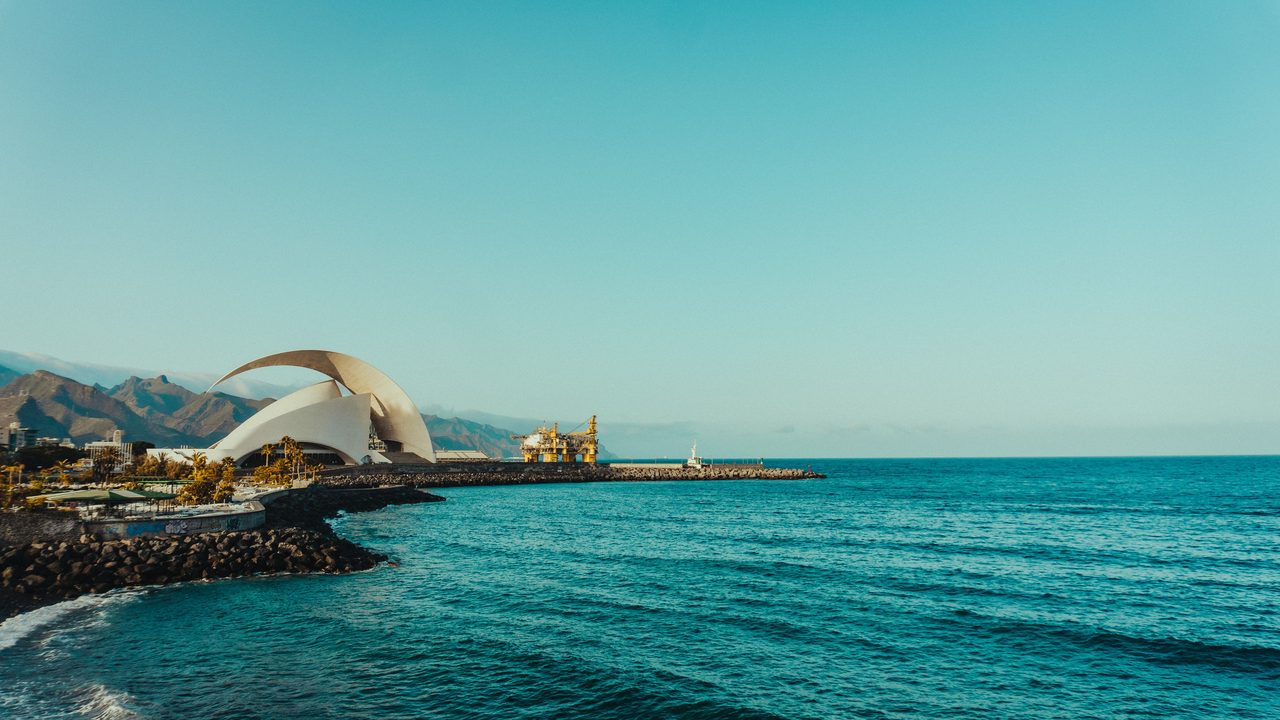
World · 11 Places
The Canary Islands are a Spanish archipelago in the Atlantic Ocean off the northwest coast of Africa, known for year-round mild weather, volcanic landscapes, and beaches across islands including Tenerife, Gran Canaria, Lanzarote, and Fuerteventura.
The Canary Islands are a Spanish archipelago located off the northwest coast of Africa in the Atlantic Ocean. Comprising seven main islands and several smaller ones, the archipelago is an autonomous community of Spain. Known for their volcanic landscapes, stunning beaches, subtropical climate, and rich biodiversity, the Canary Islands are one of Europe's most popular year-round holiday destinations. Mount Teide on Tenerife is Spain's highest peak and a UNESCO World Heritage Site.
Jump straight to the experience you're planning.
The 11 destinations our editors recommend — from iconic landmarks to under-the-radar finds.
Spain's highest peak (3718m) and a UNESCO World Heritage Site. A lunar landscape of volcanic craters, endemic flora, and extraordinary views. The cable car reaches 3555m.
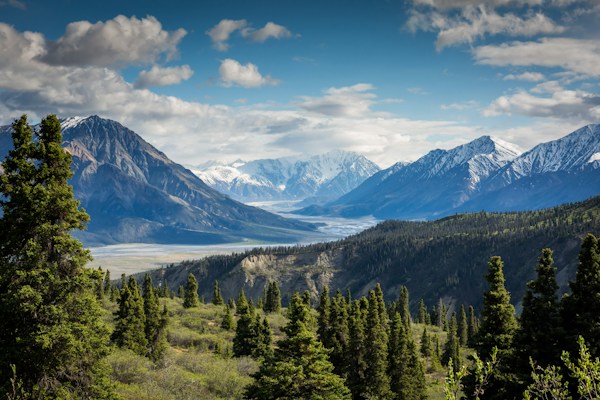
A spectacular desert landscape of sand dunes at the southern tip of Gran Canaria, meeting the Atlantic Ocean. A protected nature reserve with iconic sunset views.
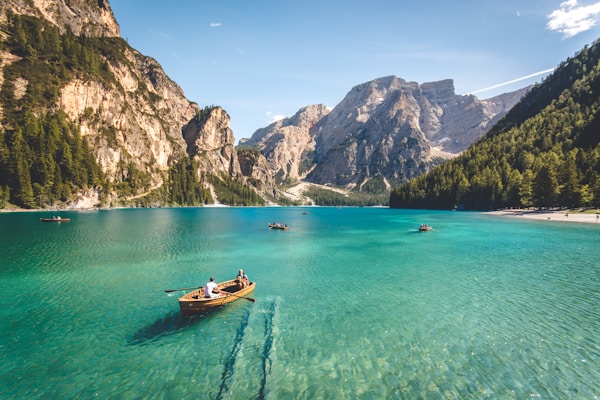
A vast field of solidified lava from the 1730–36 eruption covering a quarter of Lanzarote. Volcanic still-active geothermal activity, geysers, and the unique El Diablo restaurant.

World-class wildlife park in Puerto de la Cruz with Europe's largest collection of parrots plus orcas, gorillas, tigers, sea lions, and crocodiles. One of Europe's best zoological parks.

César Manrique's masterpiece — a volcanic lava tube transformed into a concert hall, art installation, and natural aquarium containing a blind albino crab endemic to this cave.

A 65-metre volcanic monolith rising from the central mountains of Gran Canaria at 1813m. Sacred to the Guanche people and now Gran Canaria's most iconic symbol.
Pick a length, follow the route. Each itinerary balances headline sights with breathing room.
Three tiers, every traveller covered — from cost-conscious to flagship hotels.
Hostels, budget hotels, and guesthouses offer affordable stays without sacrificing experience.
Boutique hotels and well-located accommodations provide comfort and convenience at reasonable prices.
World-class resorts and premium hotels deliver unforgettable experiences.
A grand colonial-era hotel (1890) set in Parque Doramas, Las Palmas. One of the most iconic hotels in the Canary Islands, hosting royalty and celebrities. Features a stunning outdoor pool, casino, and refined Spanish cuisine.
Check rates on Booking.comA rock-themed luxury hotel in Costa Adeje with stunning Atlantic views, multiple pools, a world-class spa, and live entertainment. Ideal for adults and families seeking a vibrant, high-energy resort.
Check rates on Booking.comA legendary luxury resort combining Canarian traditional architecture with modern amenities. Features 8 restaurants, 13 bars, interconnected lagoon pools, private beach, and impeccable service.
Check rates on Booking.comAn adults-only luxury resort on Tenerife's west coast with the longest freshwater pool in Europe (750 metres), direct ocean access, and panoramic views of La Gomera and El Teide.
Check rates on Booking.comCafés, neighbourhood gems, and tasting menus worth the table reservation.
A truly unique restaurant inside Timanfaya National Park where food is cooked over geothermal volcanic heat from beneath the earth. Designed by César Manrique, with panoramic crater views. One of the most extraordinary dining experiences in Spain.
A longstanding institution in Las Palmas, renowned for its exceptional Canarian cuisine with a modern twist. Features fresh Atlantic fish, local meat dishes, and an impressive wine cellar.
Tenerife's leading Japanese fusion restaurant, combining premium Asian techniques with Atlantic seafood. Known for exceptional sushi, sashimi, and creative tasting menus.
A Michelin-starred restaurant at the Abama Resort combining Japanese culinary philosophy with Canarian and Spanish ingredients. Chef Ricardo Sanz crafts extraordinary tasting menus.
A renowned restaurant in a dramatic cliff-top setting overlooking El Golfo bay, serving exceptional Herreno cuisine. Famous for its fresh fish and local produce from El Hierro's organic farms.
A beloved seafood restaurant in the charming coastal village of Agaete, serving fresh catch from local fishermen. Outstanding views over the ocean and exceptional value.
Book a food tour in Canary Islands We may earn a commission from bookings made through this link.
Transportation options in Canary Islands include local buses, taxis, and rental cars. Check local conditions before planning your travel.
Daily spend by tier in USD, broken out by category.
| Category | Budget | Mid-range | Luxury |
|---|---|---|---|
| Accommodation | $15-40 | $50-120 | $150+ |
| Food (per day) | $10-25 | $30-60 | $80+ |
| Transportation | $5-15 | $20-50 | $75+ |
| Activities | $5-15 | $20-50 | $75+ |
| Daily total | $50-100 | $100-200 | $300+ |
Best time Shoulder Worth avoiding
Average daytime temperature in °C. Figures are for Spain.
Guard Against Pickpocketing — Petty theft (pickpocketing and bag snatching) is the most common crime affecting tourists, particularly in busy tourist areas of Las Palmas, Playa del Inglés, and popular beach spots. Keep bags close, avoid displaying expensive items, and use hotel safes for valuables and passports.
Respect Beach Warning Flags — The Atlantic Ocean around the Canary Islands can have strong currents and undertows. Always check beach warning flags: Green = safe to swim, Yellow = swim with caution, Red = no swimming. Never swim under a red flag. Rip currents are especially dangerous on Atlantic-facing beaches like Playa de Famara (Lanzarote) and northern Fuerteventura beaches.
Sun and Heat Protection — Despite the pleasant temperature, the Canary Islands are close to Africa and the sun is strong year-round. Apply high-SPF sunscreen (30+) every 2 hours, wear a hat, and seek shade between 12:00–16:00. Dehydration and heatstroke are real risks, especially on hikes.
Be Prepared for Hikes — Mountain terrain in Tenerife, Gran Canaria, La Palma, and La Gomera can be challenging. Always carry sufficient water (minimum 2 litres/person), wear sturdy footwear, bring a map or GPS, and tell someone your route. Weather can change rapidly, especially near Teide. Altitude can cause headaches above 2,500m.
Forest Fire Prevention — Forest fires are a serious risk in the Canary Islands during dry summer months. Starting a fire accidentally is a criminal offence in Spain. Never drop cigarette butts in dry areas, avoid leaving glass in the sun (it can act as a magnifying glass), and follow park authorities' instructions. Barbecues are only allowed in designated areas.
Drive Carefully on Mountain Roads — Some mountain roads in Tenerife (especially around Teide), Gran Canaria, La Palma, and La Gomera are narrow, steep, and have sharp bends. Drive slowly, use GPS, and be prepared for oncoming traffic on single-track roads. Avoid driving at night on unfamiliar mountain roads.
Be Cautious Around Volcanic Coastlines — Rocky volcanic coastlines (especially in Lanzarote and El Hierro) can have slippery rocks and large unexpected waves. Never turn your back on the sea, stay away from wave-washed rocks, and keep a safe distance from cliff edges. Several fatalities occur each year from wave accidents.
Health Care and EHIC/GHIC — EU citizens should carry a valid European Health Insurance Card (EHIC) for access to Spanish public healthcare. UK citizens should carry a Global Health Insurance Card (GHIC). Travel insurance covering medical evacuation is strongly recommended for all visitors. The main hospitals are Hospital Universitario Insular (Gran Canaria) and Hospital Universitario de Canarias (Tenerife).
Overtourism Protests — Since 2023 there have been growing protests against overtourism across the Canary Islands. While mostly peaceful, demonstrations can cause disruption. Avoid participating in or provoking confrontations with protesters. Check local news for planned demonstrations and route changes.
Tap Water Safety — Tap water in the Canary Islands is generally safe to drink but can taste of chlorine or be desalinated. Many locals and tourists prefer bottled water. Water is scarce — the islands rely heavily on desalination plants. Conserve water where possible.
Nightlife Precautions — Tourist areas like Playa del Inglés (Gran Canaria), Los Cristianos/Playa de las Américas (Tenerife), and Corralejo (Fuerteventura) have busy nightlife scenes. Watch your drinks, avoid accepting drinks from strangers, stay in well-lit areas, use pre-booked taxis, and keep an eye on your possessions in bars and clubs.
Avoid Common Tourist Scams — Common scams include unofficial tour touts, timeshare sales tactics (very prevalent in tourist areas), and unofficial parking attendants demanding payment. Never sign anything under pressure, and book tours through official channels or hotel concierges.
Water Sports and Marine Activities — Always use reputable operators for water sports, diving, surfing lessons, and boat trips. Check operators are properly licensed and have safety equipment. Do not attempt surfing in unfamiliar spots without local knowledge — Fuerteventura and Lanzarote have powerful waves that can be dangerous.
The Canary Islands are one of Spain's safest destinations for tourists. Part of the EU and with a well-developed tourist infrastructure, the islands consistently rank as low-risk. Petty theft is the most common concern; violent crime is rare. The main hazards are natural — strong ocean currents, sun
The Canary Islands are famous as the 'Islands of Eternal Spring', enjoying one of the world's most envied climates. Subtropical oceanic conditions keep temperatures between 18–28°C year-round. The coo
The main language(s) spoken in Canary Islands: Spanish. In tourist areas, English is generally understood. Learning a few basic phrases in the local language is appreciated by locals.
The top attractions in Canary Islands include Mount Teide & Teide National Park, Maspalomas Dunes, Timanfaya National Park, Loro Parque, and Jameos del Agua. Each offers a unique experience, from historic landmarks to natural wonders.