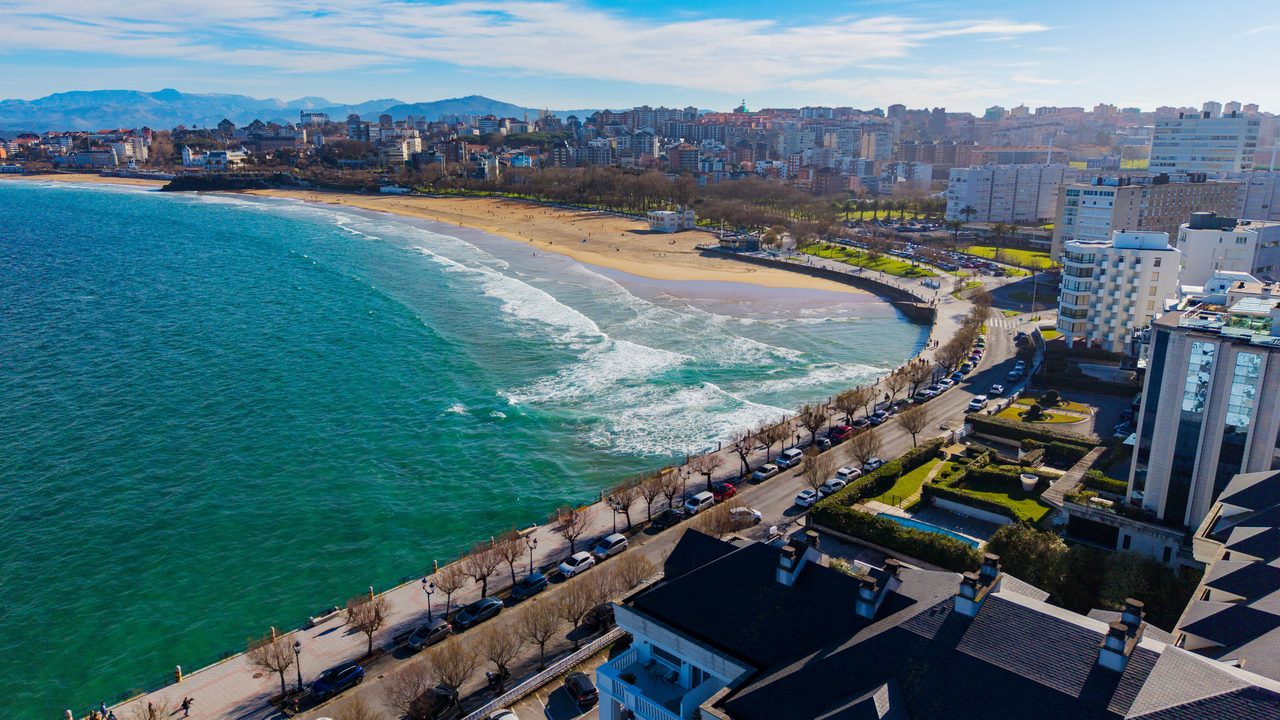
Cantabria is an autonomous community in northern Spain bordering the Cantabrian Sea (Bay of Biscay), celebrated for its rugged Atlantic coastline, prehistoric cave art at Altamira, soaring Picos de Europa peaks, and a cuisine centred on fresh seafood and aged cheeses.
Sandwiched between the Cantabrian Mountains and a dramatic green coastline, Cantabria offers some of Spain's most diverse scenery. The region's 284 km coastline hosts surf beaches and fishing villages, while inland the Picos de Europa national park delivers world-class hiking and climbing. Santander, a graceful port city rebuilt after the 1941 fire, is the cultural and commercial hub, home to the Centro Botín art centre and the grand Palacio de la Magdalena. Rural Cantabria rewards those who venture deeper: the medieval amber village of Santillana del Mar, the Gaudí-designed El Capricho in Comillas, the geological wonder of Cueva del Soplao, and the verdant Liébana valley with its Romanesque monasteries all wait within easy reach of the capital.
The 21 destinations our editors recommend — from iconic landmarks to under-the-radar finds.
Museo de Altamira
This museum exists because the original Altamira cave, with its 14,000-year-old painted bison ceiling, was closed to the public after visitor breath and humidity began damaging the pigments. The centerpiece is the Neocave, a full-scale replica reproducing the polychrome ceiling panel so visitors can see the paintings up close without further risking the originals. Galleries around it explain Paleolithic life in the region and how the cave was discovered in 1868.
Santillana del Mar
A small medieval town built around a Romanesque collegiate church, known for its stone mansions with carved coats of arms lining a single main street. It grew wealthy from the pilgrimage and agricultural trade of the region, and its old core has stayed largely unchanged, which is why it's often used as a reference point for well-preserved Cantabrian towns. The Colegiata de Santa Juliana at one end holds a cloister with carved capitals.
Centro Botín
A contemporary art center designed by Renzo Piano, built on pilotis over the Bay of Santander so the building appears to float above the water and opens views back toward the city. It hosts rotating contemporary art exhibitions rather than a large permanent collection, and its lower plaza and gardens are integrated into the Pereda Gardens promenade along the bay. The building itself, with its two suspended volumes clad in ceramic discs, is as much a draw as what's inside.
Fuente Dé Teleférico
A cable car that climbs nearly 800 meters in about four minutes from the valley floor at Fuente Dé to a viewing platform at the edge of the Picos de Europa massif. It was built in the 1960s specifically to give access to high mountain terrain that would otherwise require a serious hike, and the upper station is a starting point for trails toward the Áliva refuge and beyond. The ride itself is steep and fast, running up a near-vertical rock face.
Cabárceno Nature Park
A wildlife park built inside a former open-pit iron mine, which explains its unusual terrain of steep quarried cliffs, artificial lakes, and wide open pits now used as animal enclosures. Species including African elephants, rhinos, bears, and big cats roam in areas sized more like ranging habitats than zoo pens, and the park is large enough that most visitors drive between sections rather than walk the whole thing. The mining history is visible throughout in the exposed rock walls and terraced ground.
Cueva del Soplao
A cave discovered by miners in the early 20th century while extracting zinc and lead ore, and now known for an unusually dense concentration of eccentric stalactites, the thin, gravity-defying formations that grow in curved and branching shapes rather than straight down. The standard visit follows walkways through the decorated chambers on foot, while the adventure option adds a ride on the small mining train once used to move ore, giving a sense of the site's industrial past alongside the geology.
Recommended itineraries
Pick a length, follow the route. Each itinerary balances headline sights with breathing room.
5-Day Cantabria Explorer
Day 1Arrive in Cantabria, explore city center
Day 2Visit top attractions and museums
Day 3Day trip to nearby highlights
Day 4Local markets and hidden gems
Day 5Final sightseeing, departure
7-Day Classic Cantabria
Days 1-2Cantabria city highlights
Days 3-4Regional exploration
Days 5-6Cultural immersion and local experiences
Day 7Return and departure
14-Day Ultimate Cantabria
Days 1-3Cantabria comprehensive city tour
Days 4-6Northern region exploration
Days 7-9Eastern highlights
Days 10-12Southern attractions
Days 13-14Return to Cantabria, departure
Where to stay in Cantabria
Three tiers, every traveller covered — from cost-conscious to flagship hotels.
Budget €55–75 (~$59–81)
Hostels, budget hotels, and guesthouses offer affordable stays without sacrificing experience.
Mid-range €120–170 (~$130–184)
Boutique hotels and well-located accommodations provide comfort and convenience at reasonable prices.
Luxury €280–450 (~$302–486)
World-class resorts and premium hotels deliver unforgettable experiences.
Cafés, neighbourhood gems, and tasting menus worth the table reservation.
El Cenador de Amós
Modern Cantabrian · €€€€ (tasting menu €135–195, ~$146–211 per person)
This is chef Jesús Sánchez's two-Michelin-star restaurant, set in a restored stone rectory building in the small village of Villaverde de Pontones rather than in Santander itself. The cooking builds tasting menus around Cantabrian produce - dairy, seafood, and mountain beef - reworked into precise, modern plates rather than served in traditional form. The dining room keeps the old building's stone walls and beams alongside contemporary furnishings, giving it a formal, quiet register suited to a long tasting menu.
El Serbal
Creative Spanish · €€€€ (tasting menu €100–130, ~$108–140 per person)
A long-running fine-dining restaurant in central Santander that pairs Cantabrian seafood with a more contemporary, technique-driven Spanish menu than you'll find at the city's traditional marisquerías. Dishes like steamed hake with pil-pil sauce show the kitchen working classic Cantabrian pairings but plating them with more restraint. The room is modern and formal rather than rustic, aimed at a tasting-menu or set-menu crowd rather than walk-in casual diners.
El Nuevo Molino
Traditional Cantabrian · €€€ (€60–90 per person, ~$65–97)
Housed in a restored 18th-century water mill in Puente Arce, this was chef Jesús Sánchez's restaurant before he opened El Cenador de Amós, and it kept its Michelin star under different management after his departure. The setting - old millstones and stonework alongside the dining room - is unusual for a fine-dining restaurant in Cantabria, and the cooking stays close to traditional regional ingredients like angulas and clams rather than reinventing them wholesale. It suits a slower, occasion-driven lunch or dinner rather than a quick stop.
Restaurante Cañadío
Pintxos & Cantabrian Seafood · €€ (€20–35 per person, ~$22–38)
A Santander institution built around the Plaza de Cañadío, functioning as both a standing-room pintxos bar out front and a sit-down restaurant behind it. The bar side serves classic Cantabrian pintxos and fried seafood to a crowd that spills onto the square, while the restaurant side leans into more composed plates using the same seafood and regional produce. It's one of the anchor stops for a Santander pintxos crawl rather than a destination in itself.
La Bombi
Cantabrian Seafood & Meat · €€€ (€35–55 per person, ~$38–59)
A long-standing Santander seafood restaurant known for keeping live shellfish on display near the entrance, which customers can choose from before it's cooked. The kitchen splits between grilled meat - including the chargrilled ox steak - and classic Cantabrian seafood preparations like tuna stew, putting it a notch above the neighborhood's simpler seafood bars in both price and formality. The dining room is traditional rather than modern, aimed at diners who want a proper sit-down seafood meal.
Bar del Puerto
Pintxos & Tapas · € (€10–20 per person, ~$11–22)
A no-frills bar near Santander's fishing harbor on Calle Hernán Cortés, serving simple, seafood-forward pintxos and small plates rather than composed restaurant dishes. It's the kind of place where you order a few plates to share at the counter or a small table - anchovy pintxos, garlic prawns - rather than sit down for a full meal. The setting is plain and functional, in keeping with its position among the harbor-area bars rather than in the fine-dining part of town.
Santander's Seve Ballesteros Airport (SDR) has direct connections to Madrid, Barcelona, London, and several other European cities. Renfe trains link Santander to Madrid (Alvia, 3.5–4 hours). FEVE narrow-gauge trains run the coast to Oviedo. Intercity buses (ALSA) cover most of the region. A car is strongly recommended for exploring rural Cantabria and the Picos de Europa.
Budget breakdown
Daily spend by tier in EUR, broken out by category.
Category
Budget
Mid-range
Luxury
Accommodation
€20–35 (~$22–38)
€70–100 (~$76–108)
€160–280 (~$173–302)
Food (per day)
€15–20 (~$16–22)
€30–50 (~$32–54)
€70–120 (~$76–130)
Transportation
€5–10 (~$5–11)
€15–20 (~$16–22)
€30–50 (~$32–54)
Activities
€10–15 (~$11–16)
€20–30 (~$22–32)
€40–70 (~$43–76)
Daily total
€55–75 (~$59–81)
€120–170 (~$130–184)
€280–450 (~$302–486)
Best time to visit Cantabria
Weather through the year in Spain
Best timeShoulderWorth avoiding
Average daytime temperature in °C. Figures are for Spain.
Cantabria has an oceanic climate with rain year-round; summer is warmest and driest. Shoulder months May and October offer fewer crowds and good hiking weather. Winter is mild but wet.
Essential travel tips
Many shops and restaurants close 14:00–17:00 for siesta, especially outside Santander
The menú del día (set lunch) is the best value meal at €10–14 (~$11–15) including drink
Book Fuente Dé cable car tickets online at telefericofuentede.com to avoid queues
Altamira museum original cave access is limited by lottery; the neocave replica is always open
Tap water in Cantabria is safe to drink throughout the region
Hidden gems
Off-the-beaten-path corners most travellers miss.
Cueva del Soplao
Extraordinary underground world of helictites and stalactites in the Rionansa valley, one of Europe's most spectacular show caves.
Valdáliga
Comillas El Capricho
Antoni Gaudí's first major work outside Catalonia, a whimsical 1885 villa of sunflower-tiled turrets and oriental ironwork in the fishing village of Comillas.
Comillas
San Vicente de la Barquera
Picturesque estuary town with a medieval castle reflected in the tidal inlet, dramatic bridge, and one of Cantabria's finest fish restaurants.
Western Cantabria Coast
Cueva de El Castillo
Puente Viesgo cave containing hand-stencil paintings dated to 40,800 years ago — the oldest dated cave art in the world.
Puente Viesgo
Parque Natural Oyambre
Protected estuary and dune system with wild surf beaches, marsh bird habitat, and views to San Vicente de la Barquera.
Coast between Comillas and San Vicente
Safety information
INFO
Check surf flags before entering the sea; red flag means no swimming
INFO
Carry rain gear even in summer; weather shifts quickly in the Picos
INFO
Keep valuables out of sight on Santander beaches during July and August
INFO
Download the 112 emergency app for Spain before hiking
Frequently asked questions
Is Cantabria safe to visit in 2026?
Cantabria is one of the safest regions in Spain and in Europe. Violent crime is rare. The main risks are petty theft in crowded beach and city areas in peak summer, ocean hazards on surf beaches, and rapidly changing mountain weather in the Picos de Europa.
What is the best time to visit Cantabria?
The best time to visit Cantabria is June to September. Cantabria has an oceanic climate (Köppen Cfb) heavily influenced by the Bay of Biscay. Summers are warm and relatively sunny (18–25°C); winters mild but wet. Rain falls year-round — annual average in
What currency is used in Cantabria?
The currency in Cantabria is the Euro (EUR). ATMs are widely available in cities and tourist areas. Credit cards are accepted at most hotels and restaurants, but carry cash for markets and smaller establishments.
What language is spoken in Cantabria?
The main language(s) spoken in Cantabria: Spanish (Castilian). In tourist areas, English is generally understood. Learning a few basic phrases in the local language is appreciated by locals.
What are the top attractions in Cantabria?
The top attractions in Cantabria include Museo de Altamira, Santillana del Mar, Centro Botín, Fuente Dé Teleférico, and Cabárceno Nature Park. Each offers a unique experience, from historic landmarks to natural wonders.