
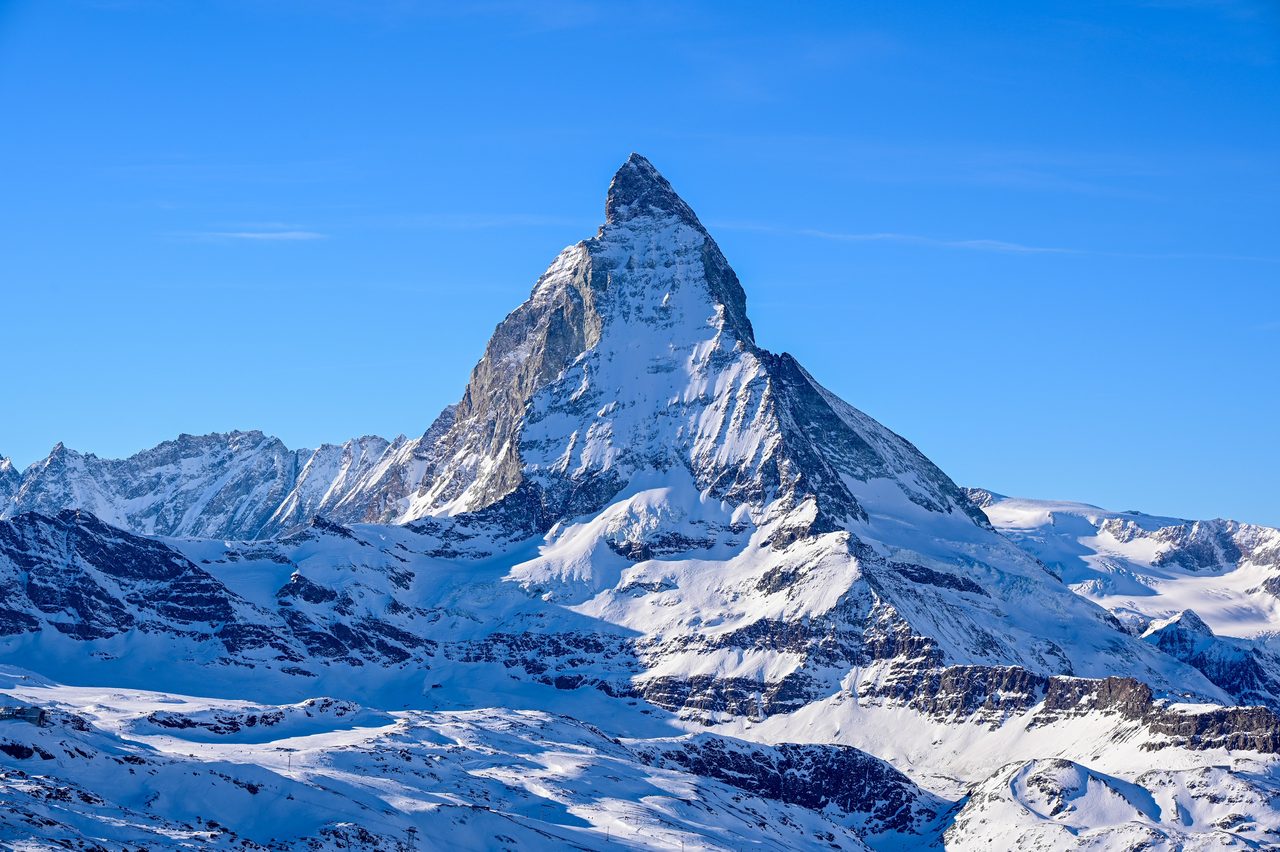
Matterhorn
The iconic pyramid-shaped peak rising 4,478 meters is Switzerland's most photographed mountain. Take the cable car to Matterhorn Glacier Paradise at 3,883 meters for breathtaking views of the Alps.
Europe · 31 Places · Best June
Switzerland enchants visitors with its stunning Alpine peaks, pristine lakes, and charming medieval towns. From world-class skiing to scenic train journeys and gourmet chocolate, this mountainous nation offers unparalleled natural beauty and Swiss precision in hospitality.
Switzerland enchants visitors with its stunning Alpine peaks, pristine lakes, and charming medieval towns. From world-class skiing to scenic train journeys and gourmet chocolate, this mountainous nation offers unparalleled natural beauty and Swiss precision in hospitality.
Jump straight to the experience you're planning.
The 31 destinations our editors recommend — from iconic landmarks to under-the-radar finds.
The iconic pyramid-shaped peak rising 4,478 meters is Switzerland's most photographed mountain. Take the cable car to Matterhorn Glacier Paradise at 3,883 meters for breathtaking views of the Alps.
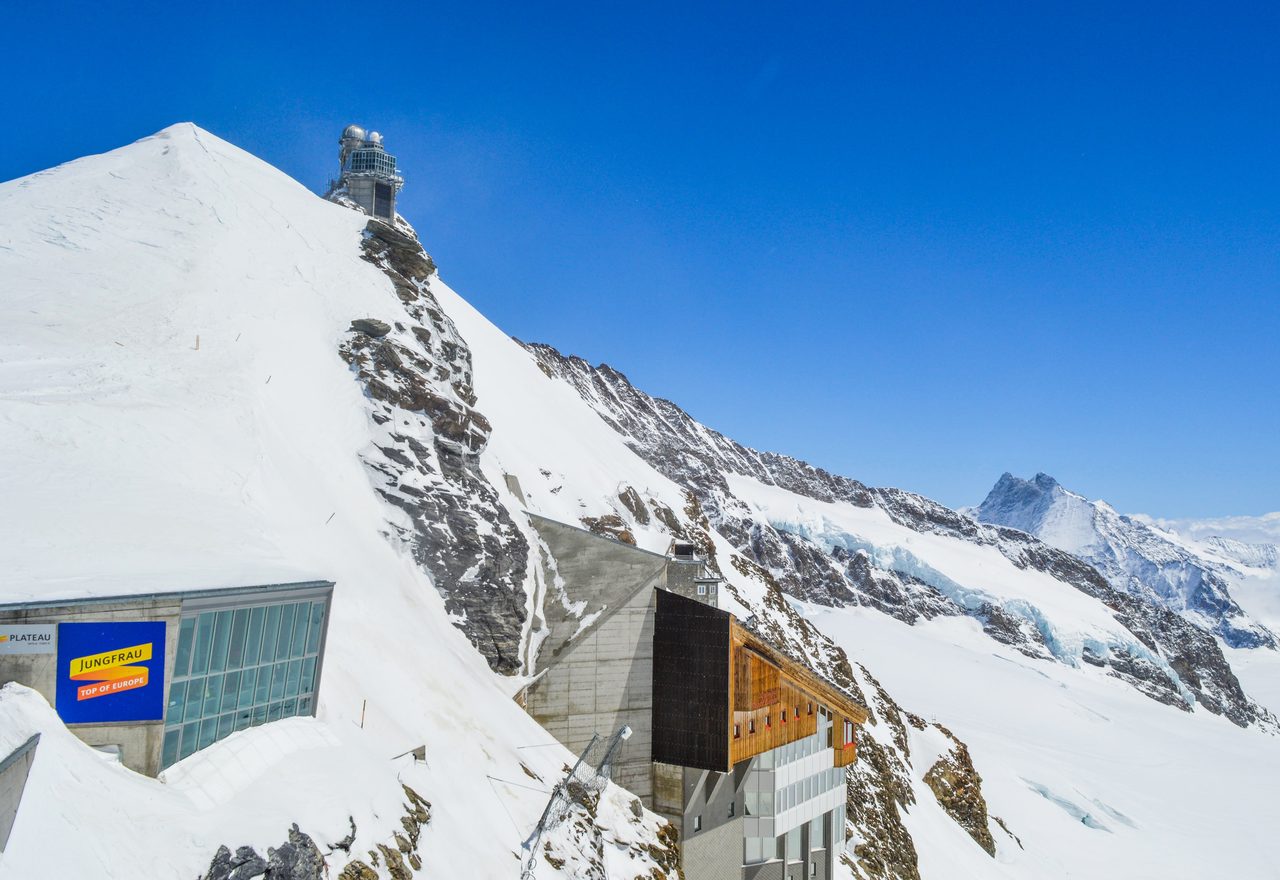
At 3,466 meters, this is Europe's highest railway station offering panoramic views of the Aletsch Glacier. Explore the Ice Palace, Sphinx Observatory, and snow activities year-round.
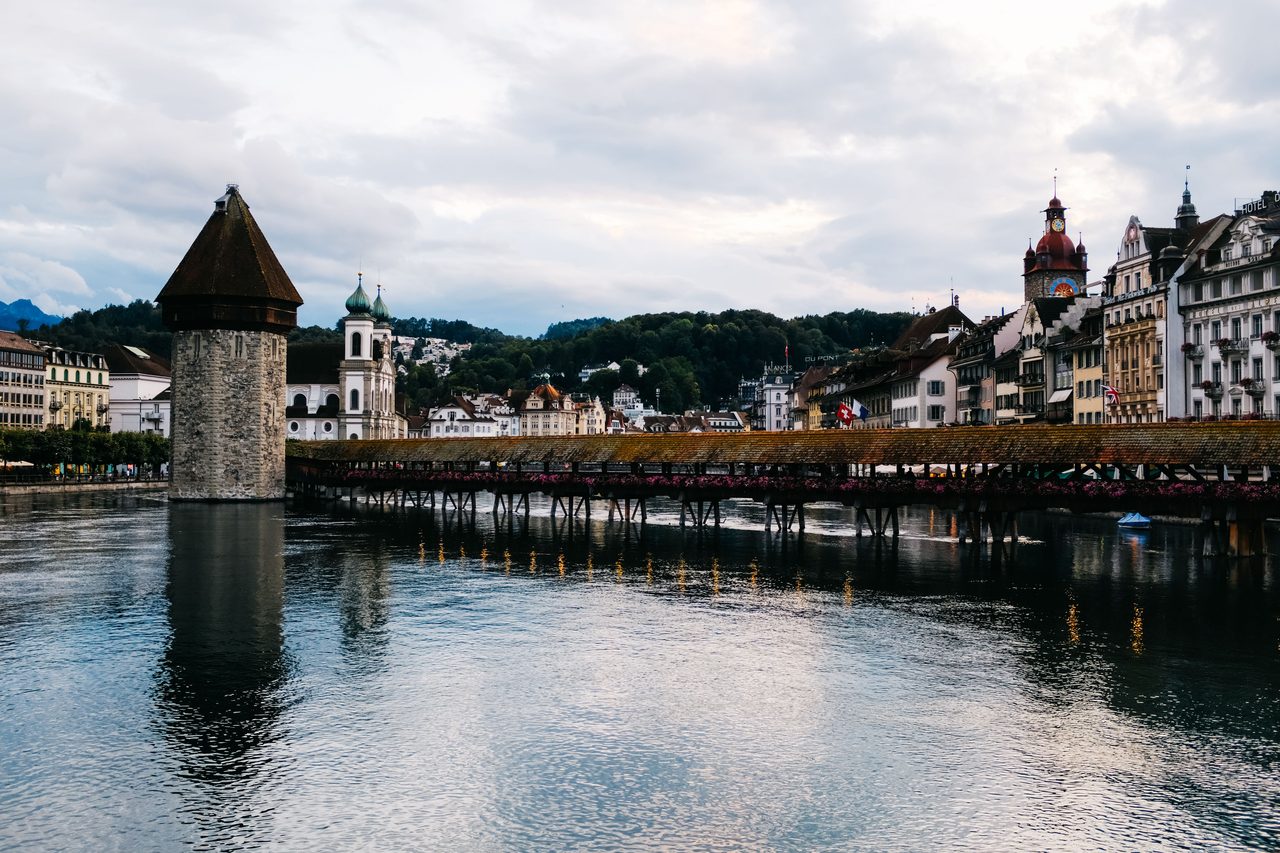
This 204-meter wooden covered bridge built in 1365 is Lucerne's most famous landmark. The bridge features 17th-century paintings depicting local history and offers picturesque views of the Reuss River.
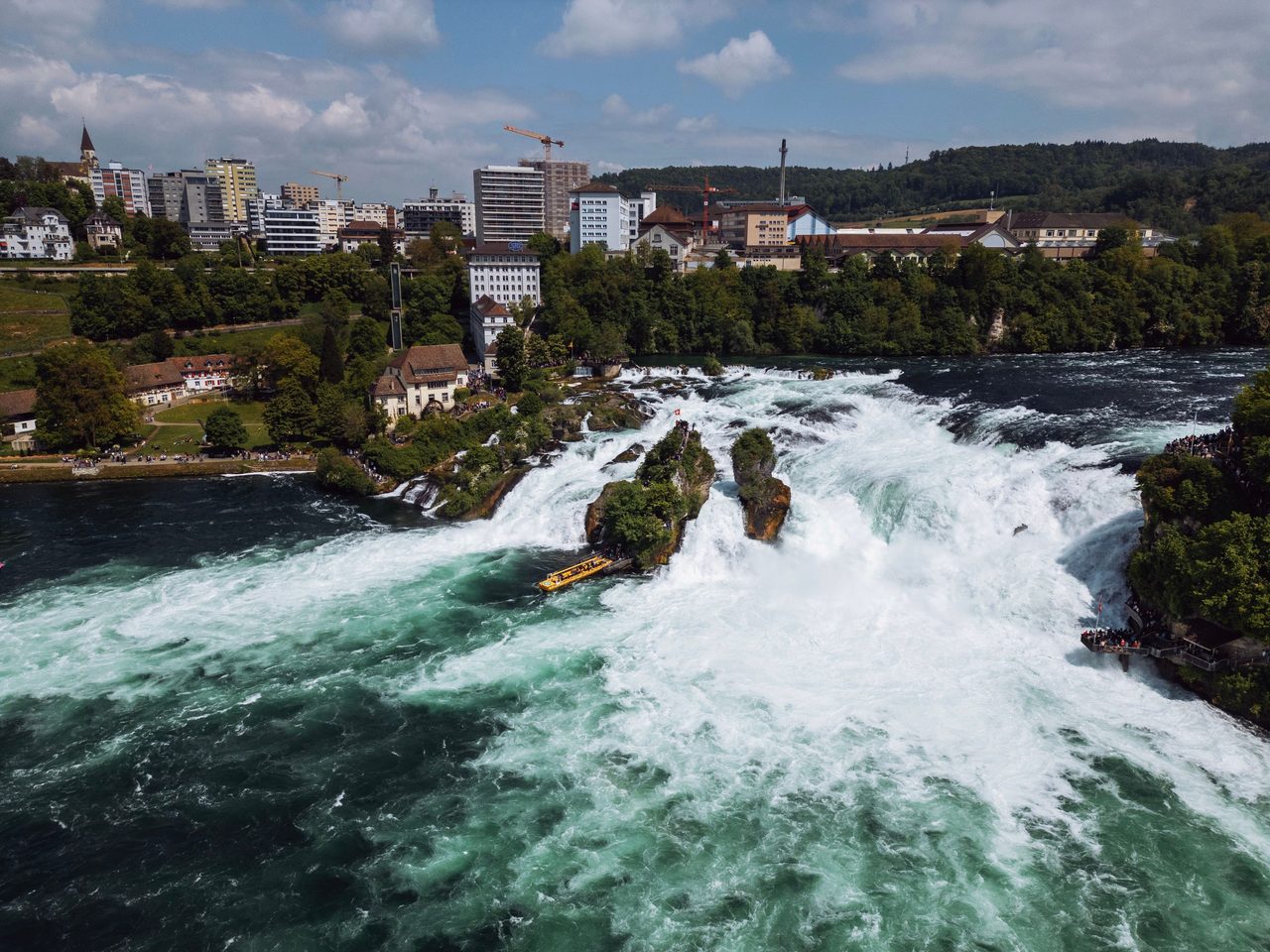
Europe's largest waterfall spans 150 meters wide with waters plunging 23 meters. Take boat rides to the middle rock platform for thrilling up-close views of 600,000 liters per second flowing over the falls.
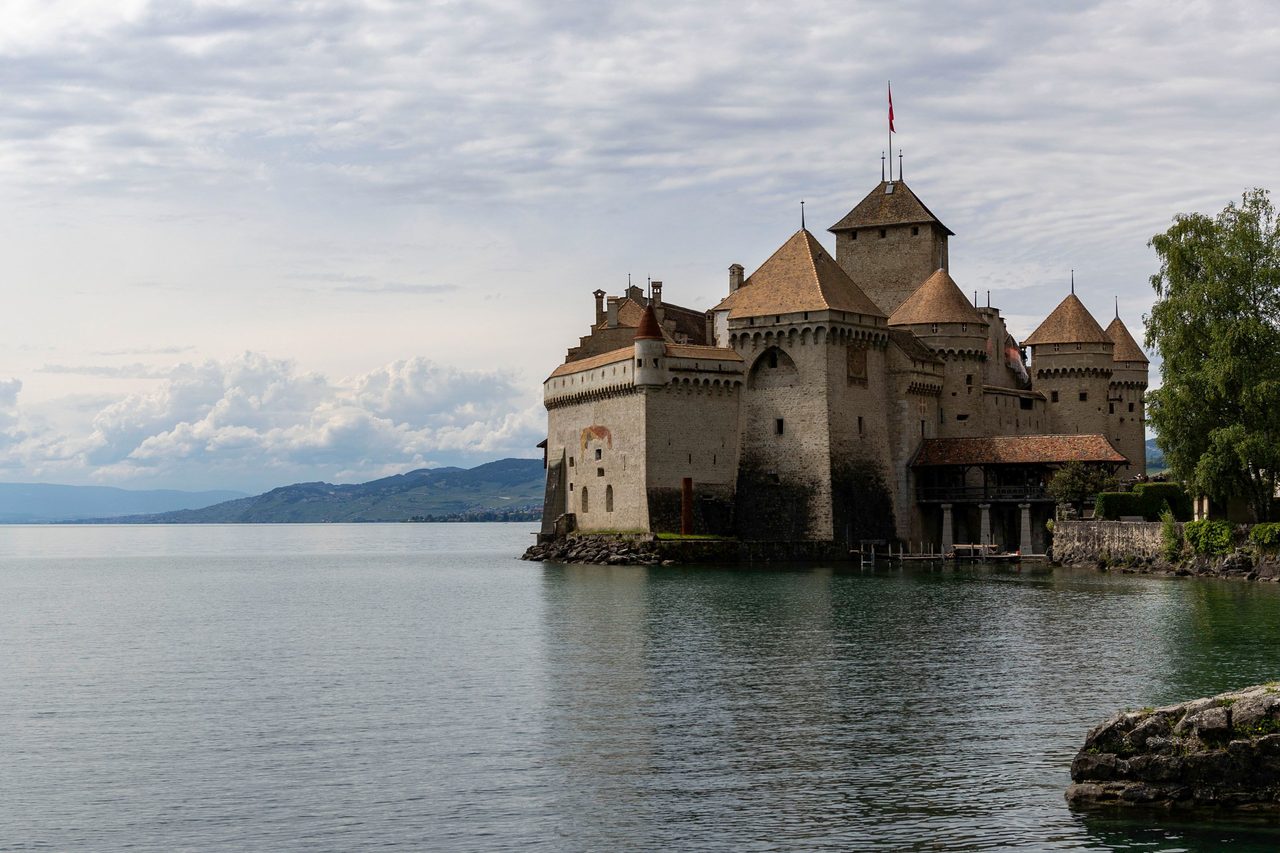
This stunning medieval fortress on Lake Geneva dates to the 12th century. Explore dungeons, banquet halls, and towers while enjoying spectacular lake views. Lord Byron's poem immortalized this iconic Swiss castle.
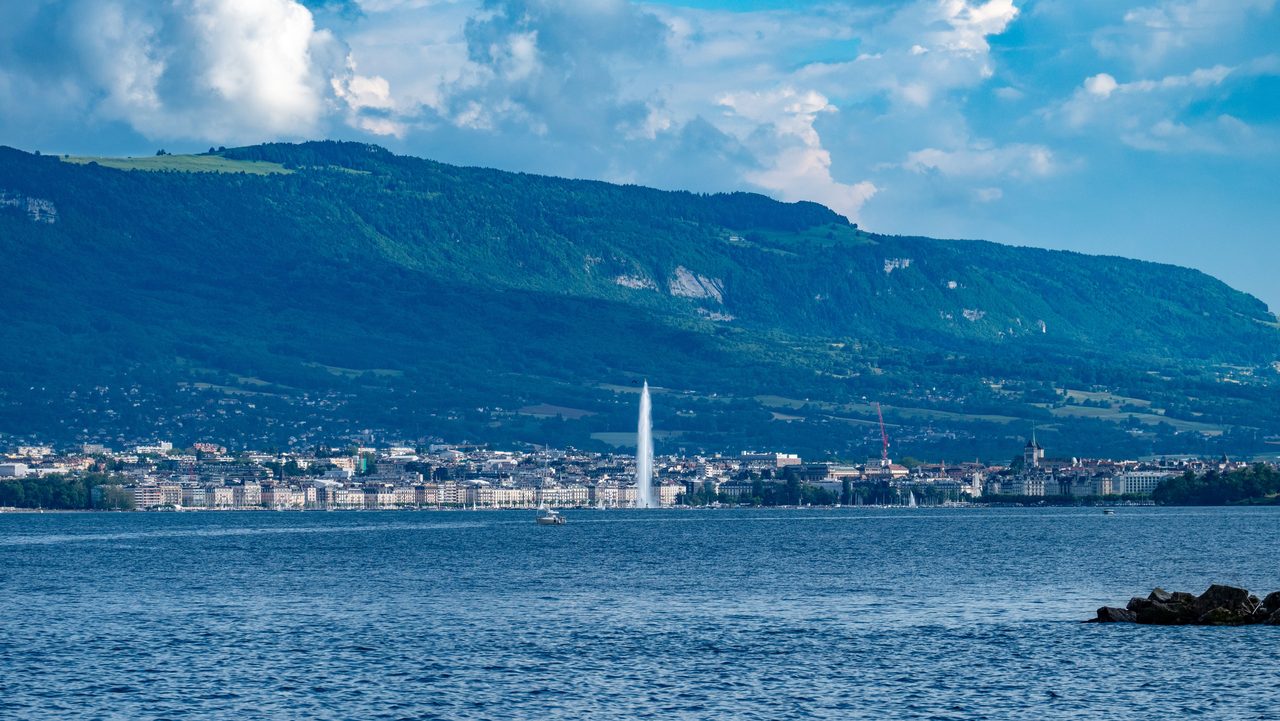
This crescent-shaped alpine lake spans Switzerland and France, offering boat cruises, waterside promenades, and vineyard-covered slopes. Visit belle époque towns and enjoy water sports in summer.
Pick a length, follow the route. Each itinerary balances headline sights with breathing room.
Three tiers, every traveller covered — from cost-conscious to flagship hotels.
Hostels, budget hotels, and guesthouses offer affordable stays without sacrificing experience.
Boutique hotels and well-located accommodations provide comfort and convenience at reasonable prices.
World-class resorts and premium hotels deliver unforgettable experiences.
Iconic 5-star palace perched above Zurich combines historic architecture with modern wings. Features two Michelin-starred restaurant, world-class spa with indoor and outdoor pools, and stunning city views.
Check rates on Booking.comHistoric 4-star hotel near Bern train station offers elegant rooms, rooftop terrace, and excellent restaurant. Perfect blend of Swiss tradition and modern comfort.
Check rates on Booking.comModern youth hostel near lake offers clean rooms, social atmosphere, and excellent facilities. Great value accommodation with private rooms and dorms available.
Check rates on Booking.comBelle époque lakefront palace on Lake Lucerne offers opulent rooms, Michelin-starred dining, and spectacular mountain views. Newly restored with contemporary Asian luxury hospitality.
Check rates on Booking.comCafés, neighbourhood gems, and tasting menus worth the table reservation.
Three Michelin-starred temple of gastronomy by legendary chef Franck Giovannini. Exceptional seasonal menus showcase Swiss ingredients with French technique in elegant countryside setting.
Historic beer hall in 15th-century armory serves generous portions of Swiss classics. Lively atmosphere perfect for experiencing authentic Zurich dining culture.
World's oldest vegetarian restaurant (since 1898) offers extensive buffet and à la carte options. Zurich institution with innovative meat-free cuisine.
Famous Zurich sausage kiosk at Bellevue tram stop serves grilled Bratwurst to late-night crowds. Zurich institution since decades.
Zurich's most famous confectionery since 1836. Luxurious chocolates, signature Luxemburgerli macarons, and elegant café atmosphere.
Two Michelin-starred restaurant by Heiko Nieder offers innovative cuisine with Asian influences. Spectacular Zurich views accompany creative six or eight-course menus.
Book a food tour in Switzerland We may earn a commission from bookings made through this link.
Transportation options in Switzerland include local buses, taxis, and rental cars. Check local conditions before planning your travel.
Daily spend by tier in USD, broken out by category.
| Category | Budget | Mid-range | Luxury |
|---|---|---|---|
| Accommodation | $35-50 (hostel dorm) | $100-180 (3-star hotel or private hostel room) | $400-800+ (5-star hotels, luxury Alpine resorts) |
| Food (per day) | $25-40 (supermarket meals, occasional budget restaurant) | $60-100 (mix of casual restaurants and one nice meal) | $150-300 (fine dining, Michelin restaurants) |
| Transportation | $10-20 (local transport or Swiss Travel Pass amortized) | $20-40 (Swiss Travel Pass or local passes) | $50-100 (first class travel, private transfers) |
| Activities | $10-20 (free attractions, occasional paid activity) | $40-80 (one mountain excursion or paid attraction) | $100-200 (premium experiences, helicopter tours, spa) |
| Daily total | $80-120 | $200-350 | $600-1200+ |
Best time Shoulder Worth avoiding
Average daytime temperature in °C. Figures are for Switzerland.
June to September (summer hiking), December to March (skiing)
Purchase comprehensive travel insurance before arrival; Swiss medical care is world-class but extremely expensive for uninsured visitors.
Alpine weather changes rapidly — always check mountain forecasts before hiking and carry layers even in summer.
Carry your passport or a copy at all times; Swiss police can request ID at any moment.
Switzerland has strict littering laws; fines can reach CHF 300. Dispose of waste properly and respect quiet hours (10pm to 7am).
Tap water is safe to drink everywhere in Switzerland — save money by refilling your bottle at public fountains.
Register your accommodation with local authorities if staying privately; most hotels handle this automatically.
Beware of pickpockets in crowded tourist areas such as Zurich Bahnhofstrasse, Geneva Old Town, and Lucerne Chapel Bridge area.
Respect hiking trail difficulty ratings — Blue (easy), Red (moderate), Black (difficult). Do not attempt black trails without proper equipment.
Emergency numbers: Police 117, Ambulance 144, Mountain Rescue 1414, Fire 118. Save these before heading outdoors.
Switzerland has strict drug laws; possession of controlled substances carries heavy fines and possible deportation.
Validate train and tram tickets before boarding; plain-clothes inspectors issue on-the-spot fines of CHF 100+ for fare evasion.
Driving on Swiss motorways requires a vignette sticker (CHF 40); driving without it risks a CHF 200 fine.
Switzerland is one of the world's safest countries with excellent law enforcement, low crime rates, and highly functional public services. Violent crime is extremely rare and tourist-targeted crime is minimal compared to other European destinations. Emergency services: police at 117, medical at 144.
The best time to visit Switzerland is June to September (summer hiking), December to March (skiing). Switzerland has a temperate continental climate that varies dramatically by altitude and region. Lowland cities like Zurich and Geneva have warm summers (20-28°C) and cold winters (0-5°C), while Alpin
No visa required for stays up to 90 days within 180-day period. ETIAS authorization required starting 2026. Requirements vary by nationality, so check with your nearest embassy or the official immigration website before traveling.
The currency in Switzerland is the Swiss Franc (CHF) (CHF). ATMs are widely available in cities and tourist areas. Credit cards are accepted at most hotels and restaurants, but carry cash for markets and smaller establishments.
The main language(s) spoken in Switzerland: German (63%), French (23%), Italian (8%). In tourist areas, English is generally understood. Learning a few basic phrases in the local language is appreciated by locals.
The top attractions in Switzerland include Matterhorn, Jungfraujoch - Top of Europe, Chapel Bridge (Kapellbrücke), Rhine Falls, and Chillon Castle. Each offers a unique experience, from historic landmarks to natural wonders.
Each region has its own character — coastal, alpine, vineyard, capital. Pick a starting point.
The Canton of Bern is Switzerland's second-largest canton, stretching from the UNESCO-listed medieval capital city to the dramatic peaks of the Bernese Oberland. Home to the federal capital of Switzerland, picturesque alpine lakes, and world-class ski resorts, Bern blends political significance with breathtaking natural beauty.
Lucerne is a breathtaking lakeside city in central Switzerland, famous for its medieval architecture, stunning mountain backdrop, and pristine Lake Lucerne. The canton blends alpine grandeur with cultural sophistication, offering visitors world-class museums, legendary mountain railways, and one of Europe's most picturesque old towns.
Valais is Switzerland's third-largest and most dramatically alpine canton, home to 40 of the Alps' 52 four-thousand-metre peaks including the iconic Matterhorn. With the driest climate in Switzerland, over 300 sunny days a year, and the country's largest wine-growing region, it offers an extraordinary blend of high-altitude adventure, luxury resorts, and centuries-old culture.