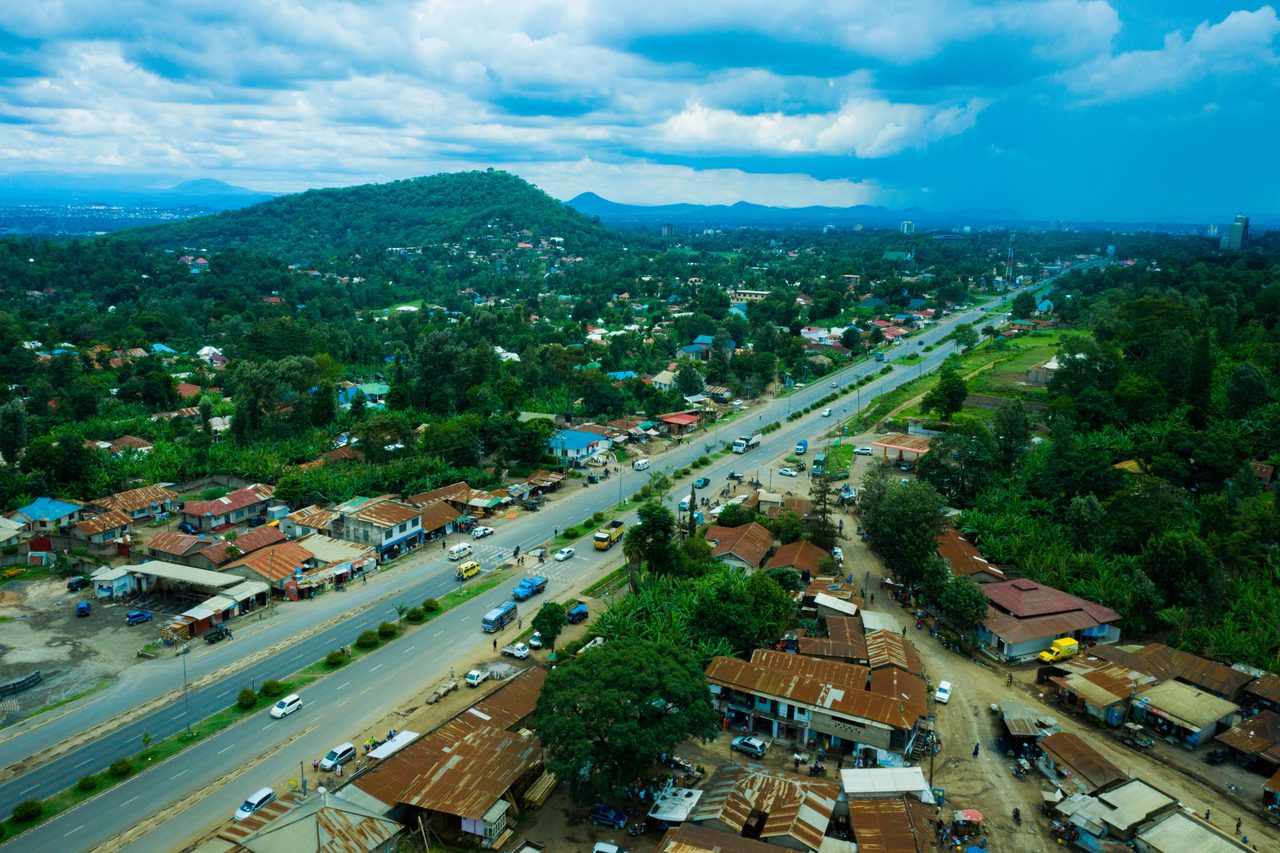
Arusha is Tanzania's northern safari capital and a vibrant gateway city perched on the lower slopes of Mount Meru. Sitting at roughly 1,400 metres above sea level, the region blends bustling urban energy with dramatic highland scenery and world-class wildlife destinations on its doorstep.
Arusha Region occupies the heart of Tanzania's northern safari circuit and is the country's premier tourism hub. The city of Arusha itself is a cosmopolitan centre where Maasai warriors shop alongside international safari-goers, diplomats from the East African Community headquarters, and backpackers preparing for Kilimanjaro climbs. The region encompasses extraordinary natural diversity: from the forested slopes of Mount Meru and Arusha National Park, through the acacia savannahs of Tarangire, to the world-famous Ngorongoro Crater and the vast Serengeti plains. Culturally rich, the region is home to the Maasai, Meru, Chagga, and Arusha peoples, each with vibrant traditions. Arusha city serves as the base for the majority of Tanzania's northern safari operations and hosts the International Criminal Tribunal for Rwanda and the East African Court of Justice.
The 25 destinations our editors recommend — from iconic landmarks to under-the-radar finds.
Arusha National Park
Tanzania's most accessible national park sits just 25 km from Arusha city and packs extraordinary biodiversity into a compact area. The park encompasses Mount Meru, the Ngurdoto Crater, and the shimmering Momella Lakes, offering walking safaris, canoe safaris, and game drives with giraffe, buffalo, zebra, and more.
Mount Meru
Standing at 4,565 metres, Mount Meru is Tanzania's second highest peak and Africa's fifth highest mountain. The four-day climb through Arusha National Park offers spectacular views of Kilimanjaro on clear mornings, diverse ecological zones from forest to alpine desert, and sightings of buffalo, giraffe, and colobus monkeys on the lower slopes.
Ngurdoto Crater
Often called the 'Little Ngorongoro', Ngurdoto Crater is an extinct volcanic crater within Arusha National Park whose floor is a protected swamp teeming with buffalo, warthog, and waterbuck. Visitors walk the rim for panoramic views; no descent into the crater is allowed, preserving it as a natural sanctuary.
Momella Lakes
A series of seven shallow alkaline lakes within Arusha National Park, the Momella Lakes are renowned for their flamingo populations and diverse birdlife including pelicans, herons, and over 400 recorded species. Each lake has a slightly different mineral composition giving them different colours. Canoe safaris are available here.
Arusha Declaration Museum
This important museum commemorates the Arusha Declaration of 1967 in which President Julius Nyerere outlined Tanzania's socialist and self-reliance policies. The museum houses extensive exhibits on Tanzanian political history, the independence movement, ujamaa villages, and the life and legacy of Mwalimu Nyerere.
Cultural Heritage Centre
The Cultural Heritage Centre on the Dodoma road is one of East Africa's largest and finest craft and art galleries. The multi-storey complex showcases Tanzanian and pan-African art, sculpture, paintings, gemstones, and an extensive selection of Tanzanite jewellery alongside traditional crafts. There is also a restaurant on site.
Recommended itineraries
Pick a length, follow the route. Each itinerary balances headline sights with breathing room.
5-Day Arusha Explorer
Day 1Arrive in Arusha, explore city center
Day 2Visit top attractions and museums
Day 3Day trip to nearby highlights
Day 4Local markets and hidden gems
Day 5Final sightseeing, departure
7-Day Classic Arusha
Days 1-2Arusha city highlights
Days 3-4Regional exploration
Days 5-6Cultural immersion and local experiences
Day 7Return and departure
14-Day Ultimate Arusha
Days 1-3Arusha comprehensive city tour
Days 4-6Northern region exploration
Days 7-9Eastern highlights
Days 10-12Southern attractions
Days 13-14Return to Arusha, departure
Where to stay in Arusha
Three tiers, every traveller covered — from cost-conscious to flagship hotels.
Budget USD 35–55
Hostels, budget hotels, and guesthouses offer affordable stays without sacrificing experience.
Mid-range USD 100–200
Boutique hotels and well-located accommodations provide comfort and convenience at reasonable prices.
Luxury USD 350–800+
World-class resorts and premium hotels deliver unforgettable experiences.
Arusha Coffee Lodge
Burka Coffee Estate, 5 km from Arusha City · USD 350–600 per night
Set among lush coffee plantations just minutes from Kilimanjaro International Airport, Arusha Coffee Lodge is one of Tanzania's most celebrated luxury retreats. Spacious plantation suites feature private plunge pools, four-poster beds, and wraparound verandas overlooking coffee gardens. The gourmet restaurant, The Coffee House, is a destination in itself.
Usa River, 17 km from Arusha City · USD 280–450 per night
Nestled in lush rainforest near Usa River, Ngurdoto Mountain Lodge offers an intimate luxury experience with beautifully appointed cottages surrounded by tropical gardens. The lodge has a strong wellness focus with an excellent spa, heated outdoor pool, and yoga pavilion. Monkeys and exotic birds are regular garden visitors.
Usa River, 18 km from Arusha City · USD 260–420 per night
Rivertrees Country Inn is an elegant boutique property set on the banks of the Usa River surrounded by coffee and avocado farms. Stone cottages with fireplaces, antique furnishings, and riverside terraces create a romantic country-house atmosphere. The farm-to-table restaurant sources ingredients from the property's kitchen garden.
The Mount Meru Hotel is Arusha's most established full-service city hotel and conference venue, centrally located near the city centre. Rooms and suites are spacious and well-appointed; the hotel has an outdoor pool, multiple dining outlets, and professional conference facilities catering to business and diplomatic travellers.
Cafés, neighbourhood gems, and tasting menus worth the table reservation.
Arusha Coffee Lodge Restaurant (The Coffee House)
Contemporary African & International · USD 25–55 per person
Set on a working coffee plantation, The Coffee House at Arusha Coffee Lodge offers one of Tanzania's finest dining experiences. A seasonally changing menu showcases local produce — from Kilimanjaro trout to Maasai beef — with impeccable presentation and service. Coffee from the estate features prominently.
Shanga Restaurant
Tanzanian & African Fusion · USD 20–45 per person
The restaurant at Shanga social enterprise in Usa River is consistently rated among the best in the Arusha region. Set in beautiful gardens with the sounds of the Usa River, the menu changes daily and features produce from the kitchen garden alongside local meats and fish. The setting is magical in the evening.
Onsea House Restaurant
European & African Fusion · USD 30–60 per person
The intimate restaurant at Onsea House boutique hotel offers superb European-African fusion cuisine in elegant surroundings. The fixed-price dinner menu changes nightly and is paired with curated wine selections. Reservations essential for non-guests.
Rivertrees Restaurant
Farm-to-Table International · USD 20–45 per person
Rivertrees Country Inn's riverside restaurant offers a farm-to-table experience with herbs, salads, and vegetables from the kitchen garden. The atmosphere is romantic and unhurried; the menu changes seasonally and frequently features organically raised meats and seasonal fish.
Via Via Restaurant
International & Tanzanian · USD 8–18 per person
Via Via is one of Arusha's most popular gathering spots for travellers and expats alike. Part of a Belgian social enterprise network, Via Via serves a broad menu including wood-fired pizzas, hearty pastas, local ugali dishes, and excellent coffee. Live music on weekends and a lively garden bar make it a great evening spot.
Africafe
Tanzanian & International · USD 5–15 per person
Africafe is a beloved Arusha institution — a bright, contemporary cafe-restaurant on the ground floor of a city centre building serving excellent breakfasts, fresh juices, healthy lunches, and strong Kilimanjaro coffee. It doubles as a popular meeting point for safari operators and their clients.
Average daytime temperature in °C. Figures are for Tanzania.
Essential travel tips
Research visa requirements before your trip
Learn a few basic phrases in the local language
Carry cash as cards may not be accepted everywhere
Respect local customs and dress codes
Purchase travel insurance before departure
Hidden gems
Off-the-beaten-path corners most travellers miss.
Nakupenda women's cooperative cafe on Boma Road
best community coffee in the city
Tengeru Sunday Market (add on if Day 1 is a Sunday)
extraordinary cultural spectacle
Lake Duluti at dawn before the crowds
canoe hire from the gate
Olmoti Crater
requires an extra day in Ngorongoro but almost nobody goes there
Safety information
INFO
Use registered taxis or ride-hailing apps — Use Bolt or taxis recommended by your hotel rather than accepting offers from touts. Agree fares in advance when not using an app. Avoid unmarked vehicles.
INFO
Beware of 'friendly' commission touts — The area around the Clock Tower and bus stand has touts who approach tourists offering free help, then expect commission from the shops or operators they steer you to. Politely decline unsolicited help and go directly to operators or shops independently.
INFO
Keep valuables concealed in public — Do not display expensive cameras, phones, or jewellery in the city centre or at crowded markets. Use a money belt for passports and bulk cash. Keep a small amount of cash in a separate pocket for daily expenses.
INFO
Avoid walking at night in unfamiliar areas — Use taxis or Bolt after dark, particularly in the city centre and areas around the bus stand and market. Well-lit main streets are generally safe but residential backstreets should be avoided at night.
INFO
Be cautious at Arusha Central Market — The central market and bus stand area has the highest concentration of pickpockets in the city. Keep a hand on your bag at all times, carry only what you need, and be aware of distractions used to create opportunities for theft.
INFO
Only use licensed tour operators — Book safaris and treks with Tanzania Association of Tour Operators (TATO) or Tanzania Tourist Board (TTB) registered operators. Unlicensed operators pose safety and financial risks. Check registrations on the Tanzania Tourism Authority website.
INFO
Have comprehensive travel insurance — Ensure your policy covers safari and trekking activities, medical evacuation, and emergency repatriation. AMREF Flying Doctors is widely used for emergency air evacuation in East Africa — consider an annual membership.
INFO
Take malaria precautions seriously — Arusha city at 1,400m has low malaria risk but parks at lower altitude (Tarangire, Lake Manyara) carry higher risk. Consult a travel doctor before departure about prophylaxis. Use DEET-based repellent at dawn and dusk.
INFO
Respect wildlife and maintain safe distances — Follow all park rules and ranger instructions during safaris and treks. Never approach animals on foot without a qualified guide. Buffalo, elephant, and hippo are responsible for more African wildlife fatalities than predators.
INFO
Acclimatise properly before high-altitude treks — If trekking Mount Meru or Kilimanjaro, spend at least one night in Arusha (1,400m) before starting. Do not rush summit attempts. Know the symptoms of altitude sickness and descend immediately if symptoms worsen.
INFO
Drink only bottled or purified water — Tap water in Arusha is not reliably safe. Buy sealed bottled water or use a water purification system. Ice at restaurants may be made from tap water — ask before accepting drinks with ice.
INFO
Register with your embassy on arrival for long stays — For stays over two weeks, register with your country's embassy in Dar es Salaam or Nairobi. In case of emergency, consular services can be reached via phone.
Frequently asked questions
Is Arusha safe to visit in 2026?
Arusha is generally safe for tourists but requires standard big-city vigilance, particularly regarding petty theft. The city has a significant tourist presence and is experienced in hosting international visitors. Violent crime against tourists is uncommon but not unheard of; precautions are worthwhile. Emergency services: police at 112 or 0800 750 112.
Do I need a visa to visit Arusha?
Most nationalities require a visa. Tanzania offers e-visas online and visas on arrival at major entry points. East African Tourist Visa covers Tanzania, Kenya, and Uganda. Single-entry visa costs approximately $50 USD for most nationalities. Requirements vary by nationality, so check with your nearest embassy or the official immigration website before traveling.
What currency is used in Arusha?
The currency in Arusha is the Tanzanian Shilling (TZS). ATMs are widely available in cities and tourist areas. Credit cards are accepted at most hotels and restaurants, but carry cash for markets and smaller establishments.
What language is spoken in Arusha?
The main language(s) spoken in Arusha: Swahili, English, Maa. In tourist areas, English is generally understood. Learning a few basic phrases in the local language is appreciated by locals.
What are the top attractions in Arusha?
The top attractions in Arusha include Arusha National Park, Mount Meru, Ngurdoto Crater, Momella Lakes, and Arusha Declaration Museum. Each offers a unique experience, from historic landmarks to natural wonders.