5-Day Phuket Explorer
- Day 1Arrive in Phuket, explore city center
- Day 2Visit top attractions and museums
- Day 3Day trip to nearby highlights
- Day 4Local markets and hidden gems
- Day 5Final sightseeing, departure
World · Best Year-round
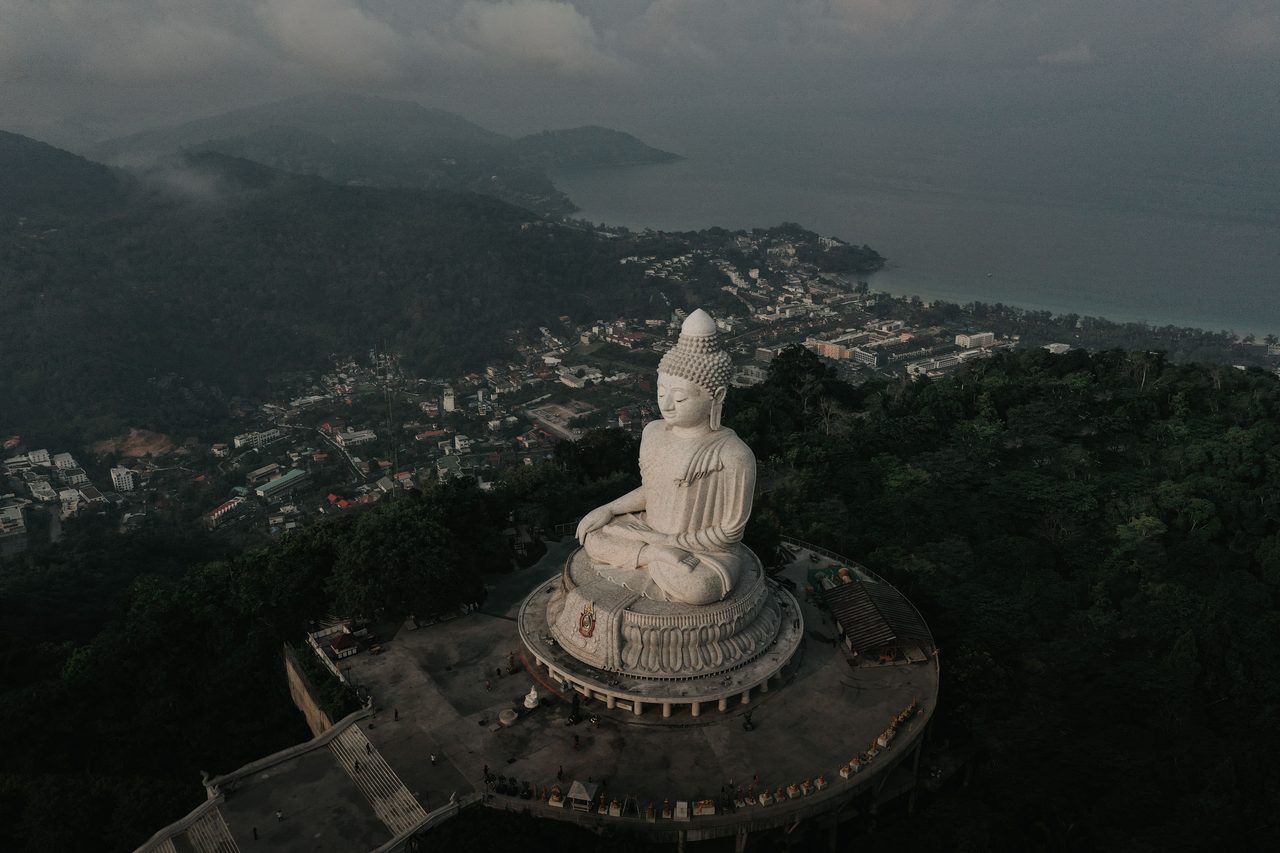
Phuket is Thailand's largest island and most visited province, set in the warm Andaman Sea off the west coast of the Thai-Malay Peninsula. Renowned for its powdery white-sand beaches, crystalline turquoise waters, vibrant nightlife, and rich Sino-Portuguese cultural heritage, Phuket draws millions of visitors each year. From the buzzing strip of Patong Beach to the serene shores of Nai Harn, the colonial shophouses of Phuket Old Town to the towering white marble Big Buddha statue, the island offers something for every traveller.
Phuket sits in the Andaman Sea and is connected to the Thai mainland by the Sarasin Bridge. The island covers 576 km² and encompasses 16 sub-districts. Its economy was historically driven by tin mining and rubber plantations, but tourism has dominated since the 1980s. The island's west coast is lined with beaches famous for their sunsets, while the east coast faces Phang Nga Bay with its dramatic limestone karsts. Phuket Town retains centuries-old Sino-Portuguese architecture and vibrant local culture, offering a counterpoint to the resort-heavy beach strips of Patong, Kata, and Karon.
Jump straight to the experience you're planning.
The 0 destinations our editors recommend — from iconic landmarks to under-the-radar finds.
Pick a length, follow the route. Each itinerary balances headline sights with breathing room.
Three tiers, every traveller covered — from cost-conscious to flagship hotels.
Hostels, budget hotels, and guesthouses offer affordable stays without sacrificing experience.
Boutique hotels and well-located accommodations provide comfort and convenience at reasonable prices.
World-class resorts and premium hotels deliver unforgettable experiences.
One of Asia's most legendary resorts, Amanpuri opened in 1988 as the first Aman property. Set on a private headland on Pansea Beach with 30 Thai pavilions and 40 private villas, the resort blends traditional Thai architecture with absolute privacy and refinement.
A secluded luxury villa resort on a private bay on the north-west coast. Each villa has its own private infinity pool facing the Andaman Sea. Trisara's restaurant PRU holds a Michelin star for its farm-to-table cuisine. Exceptional privacy and personalised service.
A dramatic clifftop resort on Emerald Bay, Patong, featuring 71 residences and villas cascading down a hillside to a private beach. The architecture is inspired by traditional southern Thai design. Wellness facilities, multiple restaurants, and a spectacular infinity pool.
An all-pool-villa resort set within the Laguna Phuket integrated resort complex on Bang Tao Beach. Each villa has a private swimming pool and walled garden. The award-winning Banyan Tree Spa is among Asia's finest, and the resort has multiple dining options.
Cafés, neighbourhood gems, and tasting menus worth the table reservation.
A widely celebrated contemporary Thai restaurant in Phuket Town run by chef Noi Tammasak. The menu blends traditional Thai flavours with modern techniques using local Phuket ingredients. The tasting menu is exceptional value. Suay regularly features in lists of Phuket's best restaurants.
A spectacular cliff-top restaurant at the northern end of Patong Beach, Baan Rim Pa has been serving royal Thai cuisine since 1990. The setting — an elegant teak sala perched above the sea — is among the most dramatic in Phuket. Live piano music enhances the romantic atmosphere.
Phuket's only Michelin-starred restaurant, PRU stands for Plant, Raise, Understand. Chef Jimmy Ophorst uses produce grown on the resort's own farm, caught from local waters, and foraged from Phuket's forests. The tasting menu changes with the seasons. An extraordinary dining experience.
A beloved Old Phuket Town institution in a restored shophouse on Thalang Road. One Chun serves authentic Phuket-style cuisine — moo hong (braised pork belly), o-tao (crispy oyster cake), kua kling (dry southern curry) — in a charming colonial setting popular with both locals and discerning tourists.
A vibrant Phuket Town cafe-restaurant serving Hokkien-influenced local dishes and excellent Thai coffee. Run by chef Wilai, Kopitiam is famous for its kway teow (noodle soup), Hainanese chicken rice, and traditional Phuket desserts. Extremely popular with locals — expect queues at peak times.
Meaning 'cupboard food' in Thai, Tu Kab Khao is a charming Old Town restaurant in a heritage shophouse serving traditional Phuket cuisine — dishes rarely found in tourist areas. Chef Nit's food celebrates the island's Peranakan-Chinese-Thai heritage. Very popular; book ahead.
Transportation options in Phuket include local buses, taxis, and rental cars. Check local conditions before planning your travel.
Daily spend by tier in USD, broken out by category.
| Category | Budget | Mid-range | Luxury |
|---|---|---|---|
| Accommodation | $15-40 | $50-120 | $150+ |
| Food (per day) | $10-25 | $30-60 | $80+ |
| Transportation | $5-15 | $20-50 | $75+ |
| Activities | $5-15 | $20-50 | $75+ |
| Daily total | $50-100 | $100-200 | $300+ |
Respect Beach Flag Warnings. Phuket's beaches use a flag system to indicate water safety conditions. A red flag means swimming is PROHIBITED due to dangerous conditions — rip currents, rough surf, or storms. Yellow flags signal caution. Green flags mean safe swimming. People have drowned ignoring red flags. Never swim at a red-flag beach.
Rip Currents. Strong rip currents form at many Phuket beaches, especially during the south-west monsoon season (May–October). Patong, Kata, Karon, and Kamala are all susceptible. If caught in a rip current, do NOT swim against it — swim parallel to the shore to escape the current, then swim back to the beach at an angle.
Jellyfish. Box jellyfish and other jellyfish species are present in Phuket's waters, particularly during the rainy season (May–October). Stings can range from painful to potentially life-threatening. If stung, do not rub the sting area. Pour vinegar over it (not urine or fresh water). Seek immediate medical help for severe reactions.
Motorbike Accidents — Number One Cause of Tourist Injury. Motorbike accidents are the leading cause of injury and death among foreign visitors to Thailand. Phuket's hilly, winding roads, aggressive local driving, poorly maintained rental scooters, unfamiliar traffic patterns (left-side driving), and alcohol all contribute. Hospital emergency rooms treat tourists with motorbike injuries daily.
Jet Ski Damage Scams. A common and well-documented scam: after renting a jet ski, the operator claims you caused damage (often pre-existing) and demands large payments (10,000–50,000 THB) backed by intimidation or threats to involve police. Prevention is essential.
Tuk-Tuk and Taxi Scams. Some tuk-tuk drivers offer suspiciously cheap rides but take tourists on detours to gem shops, tailor shops, or tour offices where they earn referral commissions. Drivers may also inflate prices significantly for foreigners.
Gem and Tailoring Scams. A classic Thai scam: a friendly stranger or tuk-tuk driver tells you a famous temple is closed but offers to take you to a 'special' gem shop or tailor. Gems sold are often synthetic or worthless; tailor-made clothes are poor quality. The gem scam in particular has defrauded tourists of thousands of dollars.
Lèse-Majesté Laws — Respect the Royal Family. Thailand has extremely strict Lèse-Majesté laws (Section 112 of the Criminal Code). Any criticism, mockery, or negative comment about the Thai royal family is a serious criminal offence and can result in imprisonment of up to 15 years per count. This applies to foreigners as well as Thai nationals.
Drug Laws. Thailand has extremely strict drug laws. Possession of Class A drugs (heroin, cocaine, methamphetamine) can result in the death penalty for large quantities, and long prison sentences for smaller amounts. Marijuana was decriminalised for medical use in 2022 but recreational use in public remains an offence. Do not carry, buy, or use illegal drugs.
Sun, Heat, and Dehydration. Phuket's tropical sun is extremely strong — UV levels are very high year-round. Sunburn happens within 20–30 minutes in direct midday sun for fair-skinned travellers. Heat exhaustion is a risk for travellers not accustomed to 33°C+ temperatures and high humidity.
Food and Water Safety. Tap water in Phuket is not safe to drink. Bottled water is widely available and cheap (7–15 THB for 1.5 litres). Street food is generally safe when freshly cooked and served hot — avoid food that has been sitting out for hours. Travellers' diarrhoea is a common affliction; carry oral rehydration salts.
Monsoon Season — May to October. The south-west monsoon brings heavy rainfall, rough seas, and strong winds from May to October, peaking in September–October. Sea conditions can be extremely dangerous during this period. Boat trips to islands may be cancelled or risky. Flash flooding can occur on roads.
Petty Theft and Pickpocketing. Petty theft is uncommon compared to many other tourist destinations but does occur, particularly in crowded areas like Bangla Road at night, beaches, and markets. Bag-snatching from motorbikes has been reported.

Thailand offers visa-on-arrival for many nationalities for 30 days. E-visa available. Some nationalities receive 60-day visa exemption. Check the Thai immigration website for current requirements before travelling. Requirements vary by nationality, so check with your nearest embassy or the official immigration website before traveling.
The currency in Phuket is the Thai Baht (THB). ATMs are widely available in cities and tourist areas. Credit cards are accepted at most hotels and restaurants, but carry cash for markets and smaller establishments.
The main language(s) spoken in Phuket: Thai, English. In tourist areas, English is generally understood. Learning a few basic phrases in the local language is appreciated by locals.
Phuket is an island connected to mainland Thailand by the Sarasin and Thepkrasattri bridges in the north. It has no passenger rail service. The main gateway is Phuket International Airport (HKT), and internal transport relies on taxis, tuk-tuks, songthaews (shared pickups), the Grab app, motorbike rentals, and car hire.