World · 21 Places · Best May–June and September–October
Artvin
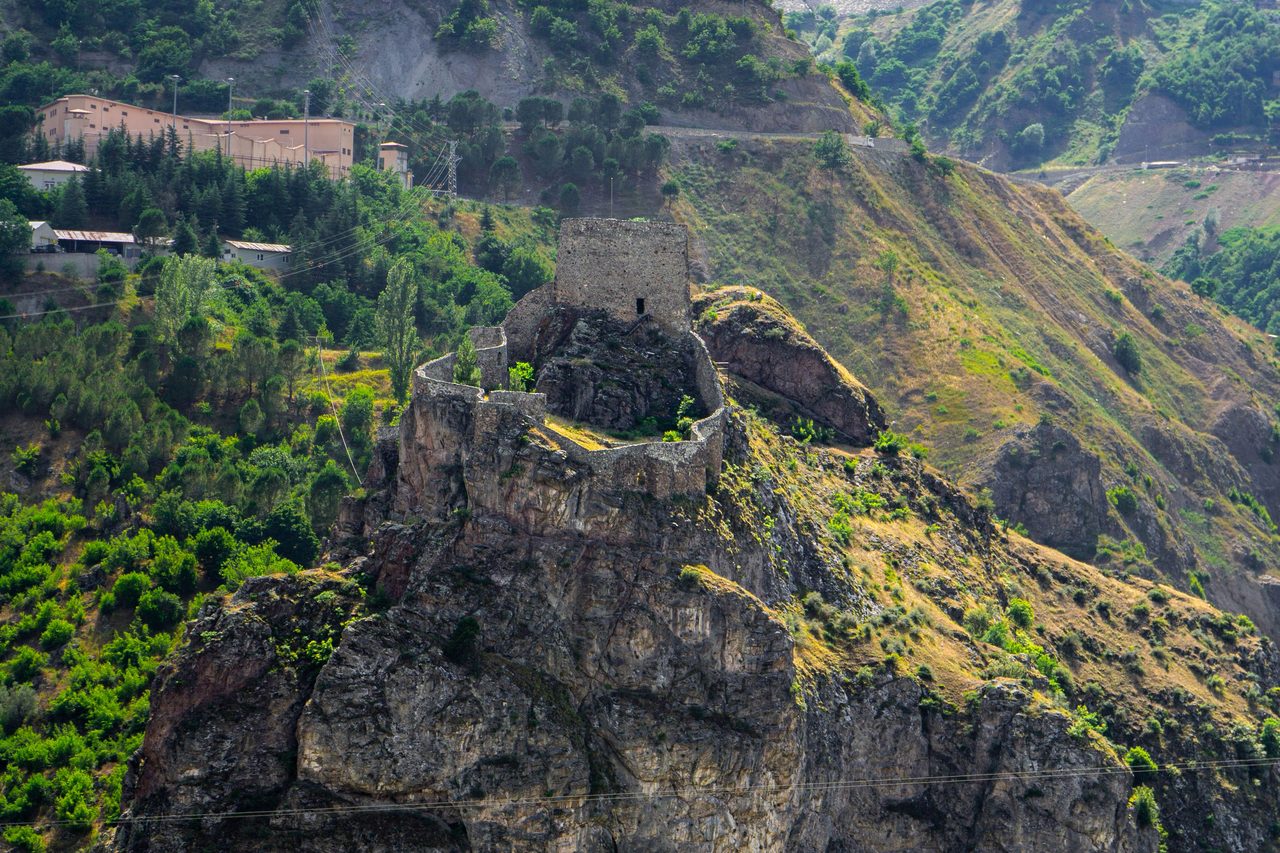
Artvin is a rugged mountain province in northeastern Turkey, bordered by Georgia to the east and the Black Sea coast to the north. The province shelters a remarkable concentration of medieval Georgian Orthodox churches and monasteries hidden in forested valleys, alongside the Çoruh River — one of the world's fastest-flowing rivers and a world-class whitewater rafting destination. Dense chestnut and pine forests cloak the slopes of the Kaçkar and Karçal mountain ranges, while high plateaus offer cool summer escapes and pastoral landscapes that have changed little in centuries.
Artvin rewards adventurous travellers willing to navigate steep mountain roads. The province's rich Georgian heritage — churches at Dolishane, Tbeti, Ishan, and Opiza — represents some of the finest surviving medieval architecture in Anatolia. The Çoruh River Valley provides extreme whitewater rafting, while the Macahel Biosphere Reserve and Karagöl-Sahara National Park offer pristine hiking and wildlife watching. The Kafkasör Plateau hosts Turkey's most celebrated bull-wrestling festival each June. Hopa on the coast connects Artvin to the Black Sea and the Georgian border crossing at Sarp.
The 21 destinations our editors recommend — from iconic landmarks to under-the-radar finds.
Dolishane Monastery
Dolishane is a former Georgian monastery church dating to the medieval Bagratid period, when this valley belonged to the Georgian kingdom of Tao-Klarjeti. The stone structure has lost its roof and much of its interior decoration, but the carved facade reliefs and the basic outline of the domed church plan are still readable. Visitors reach it via a rural approach through Pirnallı village, with the building standing alone in farmland rather than inside any managed heritage site.
Borçka Karagöl Natural Lake
Karagöl is a small lake formed behind a natural landslide dam, sitting inside forested terrain near Camili village in the Borçka district. It's part of the Karagöl-Sahara National Park area, known for dense Caucasian forest cover and a cooler microclimate than the Çoruh valley below. The lake itself is modest in size, and the appeal is the surrounding walking trails and forest rather than any built attraction at the water's edge.
Çoruh River Rafting Corridor
The Çoruh is one of Turkey's fastest-flowing rivers, and the stretch through Yusufeli district has been a established whitewater rafting corridor for both domestic and international paddlers. Local operators run day trips launching from points around Yusufeli, with rapids graded from moderate to demanding depending on the section and the season's water levels. Dam construction has altered parts of the river's course in recent years, so operators route trips around the sections still runnable.
Kafkasör Plateau
Kafkasör is a highland plateau above Artvin city, used as pasture for most of the year and as the site of the annual Artvin Kafkasör Festival in late June, which centers on traditional bull-wrestling (boğa güreşi) matches. Outside festival dates it functions as a quiet grazing plateau with open meadow and forest edges, reachable by road from the city below. The change in elevation from the Çoruh valley makes it noticeably cooler than Artvin itself.
Tbeti (Tbet) Georgian Church
Tbeti was a major Georgian monastic church built under the Bagratid dynasty, once one of the more significant religious centers of Tao-Klarjeti before the border shifted and the site passed out of Georgian control. What remains today is a partial ruin near Cevizli village in Şavşat district, with sections of the walls and some carved stonework surviving above the modern village houses that have grown up around and even into parts of the old complex. The setting, wedged into a mountain valley, gives a sense of how remote this monastic network was even at its peak.
Hatilla Valley National Park
Hatilla Valley National Park protects a steep, forested valley system near Artvin city, with the Hatilla stream cutting through mixed Caucasian forest and rising into higher alpine terrain. It's less developed for mass tourism than some other Turkish national parks, with hiking routes rather than paved viewpoints forming the main draw. The elevation range within the park means conditions can shift quickly from valley floor to higher trail sections.
Recommended itineraries
Pick a length, follow the route. Each itinerary balances headline sights with breathing room.
5-Day Artvin Explorer
Day 1Arrive in Artvin, explore city center
Day 2Visit top attractions and museums
Day 3Day trip to nearby highlights
Day 4Local markets and hidden gems
Day 5Final sightseeing, departure
7-Day Classic Artvin
Days 1-2Artvin city highlights
Days 3-4Regional exploration
Days 5-6Cultural immersion and local experiences
Day 7Return and departure
14-Day Ultimate Artvin
Days 1-3Artvin comprehensive city tour
Days 4-6Northern region exploration
Days 7-9Eastern highlights
Days 10-12Southern attractions
Days 13-14Return to Artvin, departure
Where to stay in Artvin
Three tiers, every traveller covered — from cost-conscious to flagship hotels.
Budget 550–1350 TRY / $17–41
Hostels, budget hotels, and guesthouses offer affordable stays without sacrificing experience.
Mid-range 1400–2900 TRY / $42–88
Boutique hotels and well-located accommodations provide comfort and convenience at reasonable prices.
Luxury 3200–8500 TRY / $97–258
World-class resorts and premium hotels deliver unforgettable experiences.
Karahan Hotel
Artvin city centre · 600–900 TRY / $18–27 per night
Artvin is primarily accessed by road. Intercity coaches run from Istanbul (18 hrs), Ankara (14 hrs), Trabzon (3 hrs), and Erzurum (3.5 hrs). Within the province, dolmuş minibuses connect district towns; private car or taxi is needed for remote churches and plateaus.
Budget breakdown
Daily spend by tier in TRY, broken out by category.
Category
Budget
Mid-range
Luxury
Accommodation
300–600 TRY / $9–18
700–1200 TRY / $21–36
1500–3500 TRY / $45–106
Food (per day)
150–300 TRY / $4.50–9
300–600 TRY / $9–18
600–1500 TRY / $18–45
Transportation
100–250 TRY / $3–7.50
200–500 TRY / $6–15
500–1500 TRY / $15–45
Activities
0–200 TRY / $0–6
200–600 TRY / $6–18
600–2000 TRY / $18–61
Daily total
550–1350 TRY / $17–41
1400–2900 TRY / $42–88
3200–8500 TRY / $97–258
Best time to visit Artvin
Weather through the year in Turkey
Best timeShoulderWorth avoiding
Average daytime temperature in °C. Figures are for Turkey.
Spring (May–June) brings wildflowers and rushing rivers for rafting. Autumn (September–October) offers golden forests and mild temperatures. Summer is warm in valleys but cool on plateaus above 1800 m.
Essential travel tips
Download offline maps (Maps.me or Google Maps) before arrival — mobile data can be patchy in mountain valleys.
Carry cash (TRY) as most rural villages, guesthouses, and dolmuş have no card payment facilities.
A 4WD or high-clearance vehicle is strongly recommended for visiting remote Georgian churches and plateau roads.
The Sarp border crossing to Georgia is 5 km from Hopa — check current Georgian visa rules at mfa.gov.ge.
Dolmuş schedules in rural Artvin are infrequent — confirm return timing with the driver or plan to overnight locally.
Wild camping is possible on most plateaus but inform locals; carry a detailed topographic map for Kaçkar hikes.
Artvin State Hospital: Artvin Devlet Hastanesi, Çayağzı Mah., Artvin; +90 466 212 1010
INFO
Mountain rescue: contact Jandarma (156) — they coordinate SAR operations in the Kaçkar and Karçal ranges
INFO
Keep a physical map of mountain roads; GPS can be unreliable in deep valleys
Frequently asked questions
Is Artvin safe to visit in 2026?
Artvin has an excellent safety record. Petty crime is extremely rare. The primary risks are environmental: treacherous mountain roads (especially in wet or icy conditions), spring flash floods in river valleys, and cold exposure on high plateaus and Kaçkar peaks. Standard travel insurance covering m
What is the best time to visit Artvin?
The best time to visit Artvin is May–June and September–October. Artvin has one of the wettest climates in Turkey, influenced by Black Sea humidity and mountain topography. The coast (Hopa) receives 2000+ mm of rain annually, while the Çoruh valley floor near Artvi
What currency is used in Artvin?
The currency in Artvin is the Turkish Lira (TRY). ATMs are widely available in cities and tourist areas. Credit cards are accepted at most hotels and restaurants, but carry cash for markets and smaller establishments.
What language is spoken in Artvin?
The main language(s) spoken in Artvin: Turkish, Georgian, Laz. In tourist areas, English is generally understood. Learning a few basic phrases in the local language is appreciated by locals.
What are the top attractions in Artvin?
The top attractions in Artvin include Dolishane Monastery, Borçka Karagöl Natural Lake, Çoruh River Rafting Corridor, Kafkasör Plateau, and Tbeti (Tbet) Georgian Church. Each offers a unique experience, from historic landmarks to natural wonders.