Bitlis is an ancient mountain city in eastern Turkey, perched at 1,550 metres elevation in a dramatic valley carved by the Bitlis Stream. One of the oldest continuously inhabited settlements in Anatolia, it commands history layered from Urartian times through Armenian, Arab, Seljuk, Kurdish emirate, Ottoman, and modern eras. The city is flanked by rugged peaks exceeding 3,000 metres and sits roughly 75 km west of Lake Van, offering visitors a blend of medieval fortresses, honey-scented bazaars, Seljuk-era stone mosques, and raw highland landscapes largely undiscovered by mass tourism.
Bitlis Province occupies a high plateau in the Taurus mountain chain of eastern Anatolia. The city itself hugs a narrow gorge above the Bitlis Stream, its stone houses and minarets cascading down steep hillsides under the shadow of a 2,000-year-old castle. Neighbouring Tatvan on the western shore of Lake Van serves as a practical transit hub, while Ahlat – 45 km to the northeast – contains one of the world's largest Seljuk cemeteries. Nemrut Crater Lake, a dormant volcanic caldera accessible from Tatvan, offers high-altitude trekking and surreal scenery. Bitlis remains an off-the-beaten-path destination where travellers enjoy authentic hospitality, exceptional local honey, hearty eastern Anatolian cuisine, and expansive mountain vistas at budget-friendly prices.
The 12 destinations our editors recommend — from iconic landmarks to under-the-radar finds.
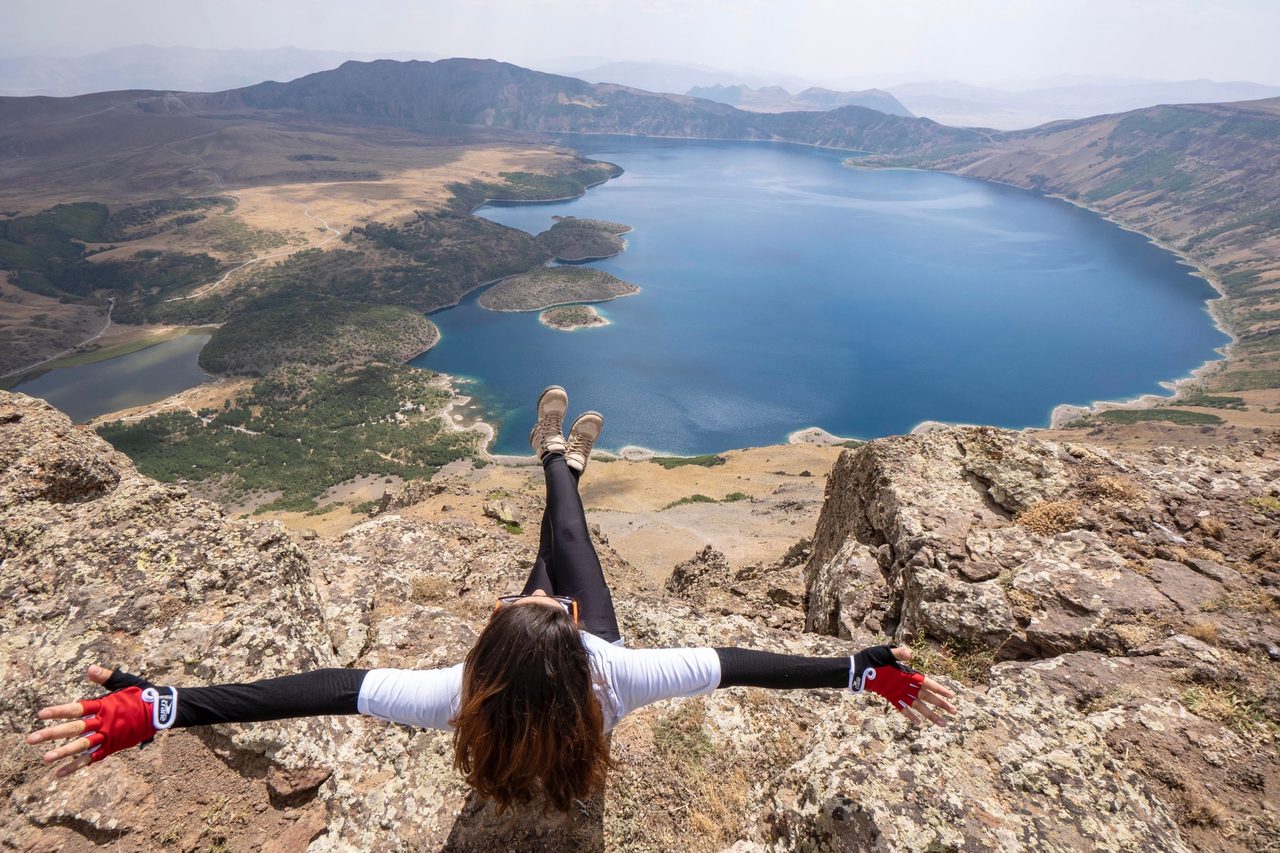
Nemrut Crater Lake
This is the lake filling the collapsed caldera of the Nemrut volcano above Tatvan, not to be confused with the statue-topped Mount Nemrut near Adıyaman. It's regularly cited as one of the largest crater lakes in the world, and inside the same caldera sits a second, smaller lake warmed by geothermal springs alongside the larger cold one. The setting is a huge green bowl ringed by the caldera walls, reached by a road that climbs up from Lake Van.
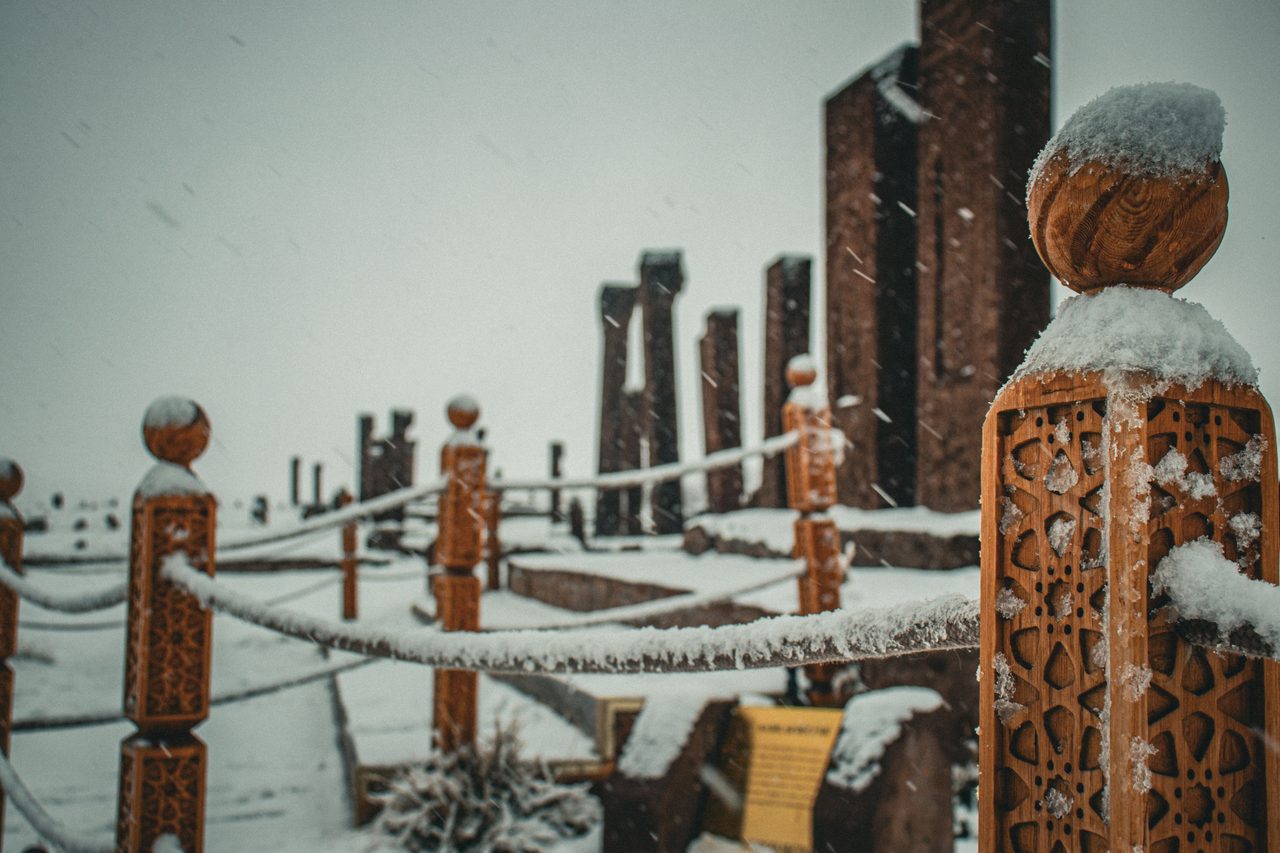
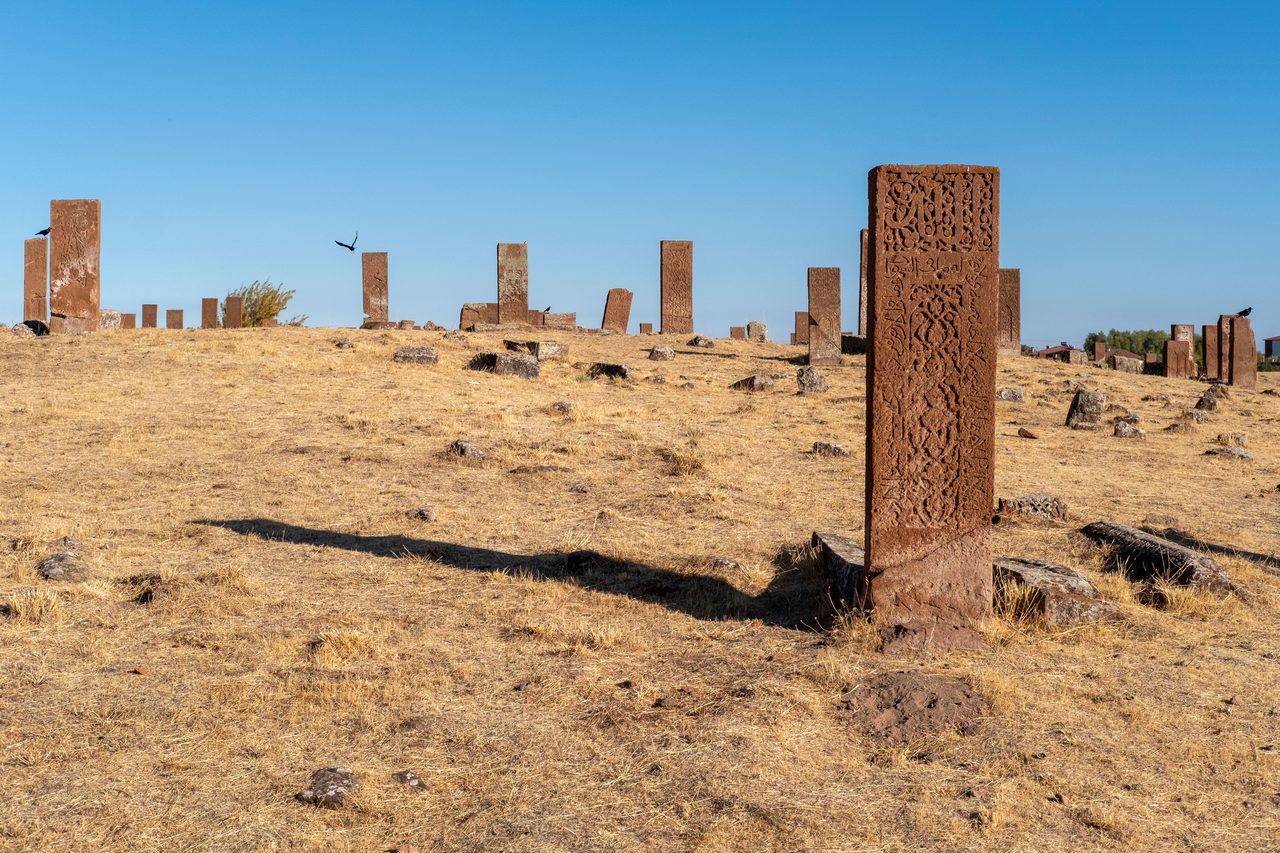
Ahlat Seljuk Cemetery
This is a vast field of carved Seljuk-era gravestones in Ahlat, ranging from tall cylindrical stelae to flat inscribed slabs, cut mostly from local volcanic stone between the 12th and 16th centuries. The density and craftsmanship of the carving — geometric bands, calligraphy, floral motifs — is what put it on UNESCO's tentative list. It sits alongside the freestanding Seljuk kümbet tomb-towers Ahlat is also known for.
Nemrut Dağı Plateau
This is the broader volcanic plateau on top of Nemrut Dağı surrounding the crater lakes, an expanse of alpine meadow used seasonally as high pasture (yayla) by local herders. In summer it's covered in wildflowers and grazing livestock, with the caldera rim offering walking routes and views down over Lake Van in the distance. It's the wider landscape you pass through to reach the crater itself, not the lake basin alone.
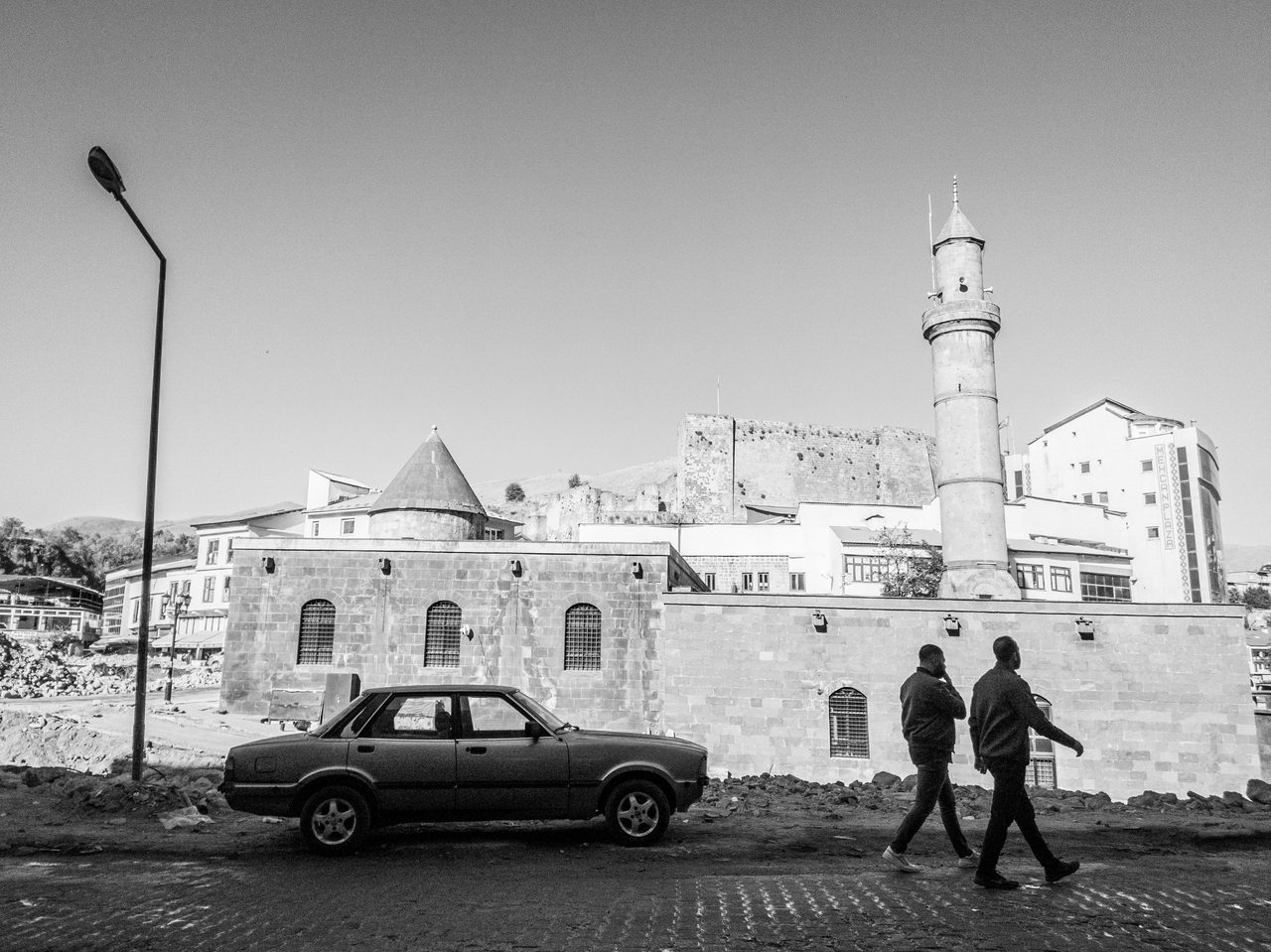
Bitlis Castle
The castle sits on a volcanic rock outcrop directly above Bitlis's old town, at the point where the valley narrows between two stream courses. Its origins predate the Ottoman period, with the structure rebuilt and reinforced across successive rulers, and it functioned as the citadel controlling the town below. From the walls you look down over the dark volcanic-stone houses packed into the narrow valley, which is the main reason to climb up.
Tatvan Lake Van Shoreline
This is the lakefront strip at Tatvan, on the western shore of Lake Van, historically the terminus where a train ferry carried rail wagons across the lake to link Turkey's eastern and western rail networks. Lake Van is a closed, alkaline (soda) lake, which is why it supports almost no fish besides the endemic pearl mullet, and the shoreline gives open views across the water toward the Nemrut volcano on the far side. It's a flat, walkable stretch rather than a beach destination.
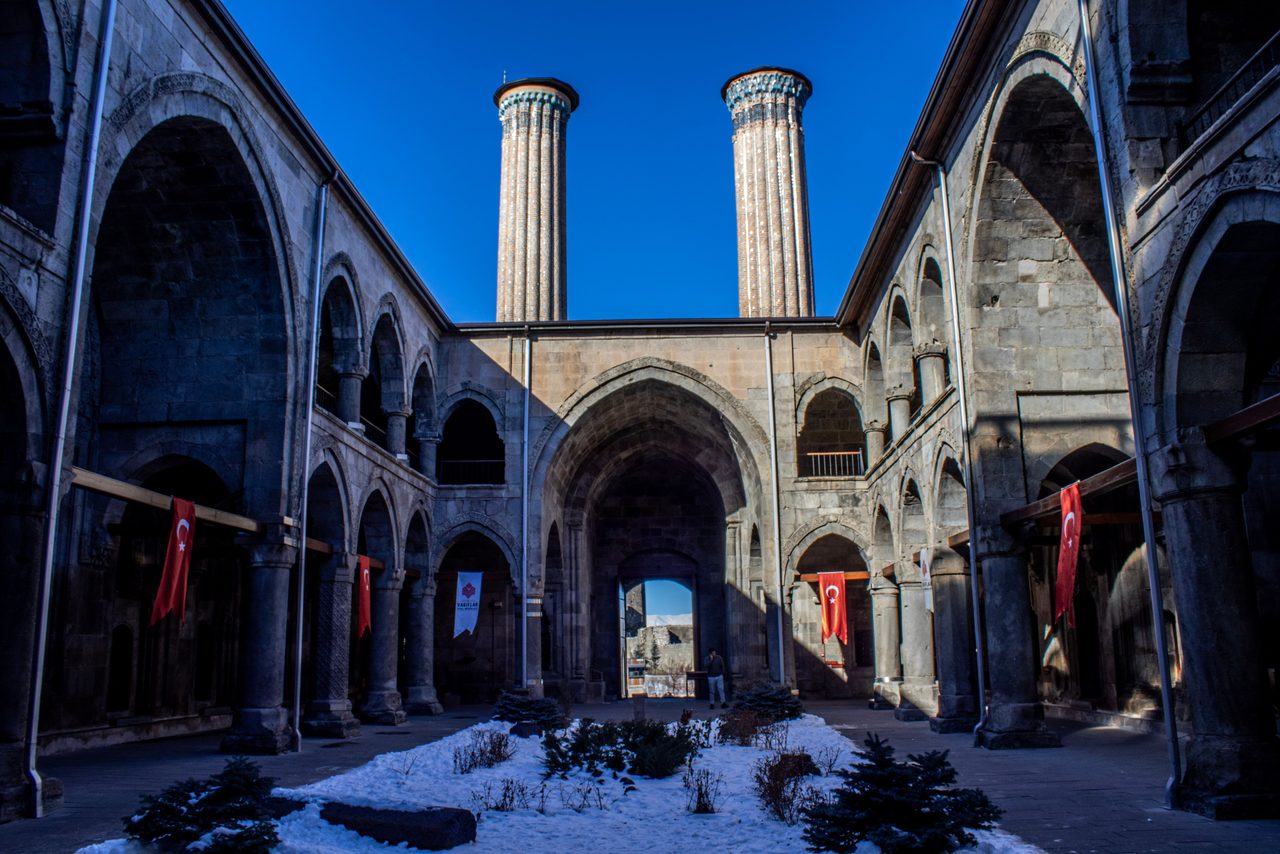
Ihlasiye Madrasa
Recommended itineraries
Pick a length, follow the route. Each itinerary balances headline sights with breathing room.
5-Day Bitlis Explorer
Day 1Arrive in Bitlis, explore city center
Day 2Visit top attractions and museums
Day 3Day trip to nearby highlights
Day 4Local markets and hidden gems
Day 5Final sightseeing, departure
7-Day Classic Bitlis
Days 1-2Bitlis city highlights
Days 3-4Regional exploration
Days 5-6Cultural immersion and local experiences
Day 7Return and departure
14-Day Ultimate Bitlis
Days 1-3Bitlis comprehensive city tour
Days 4-6Northern region exploration
Days 7-9Eastern highlights
Days 10-12Southern attractions
Days 13-14Return to Bitlis, departure
Where to stay in Bitlis
Three tiers, every traveller covered — from cost-conscious to flagship hotels.
Budget 350–850 TRY/day (~$10–25 USD)
Hostels, budget hotels, and guesthouses offer affordable stays without sacrificing experience.
Mid-range 1,350–2,700 TRY/day (~$39–79 USD)
Boutique hotels and well-located accommodations provide comfort and convenience at reasonable prices.
Luxury 3,400–7,000 TRY/day (~$99–204 USD)
World-class resorts and premium hotels deliver unforgettable experiences.
Bitlis is served primarily by road. The nearest major airport is Tatvan Çölemerik (Muş Airport, 75 km) or Van Ferit Melen Airport (110 km). Long-distance bus (otogar) services connect Bitlis city centre to Ankara, Istanbul, Van, Diyarbakır, and other cities. Dolmuş (shared minibus) routes connect Bitlis to Tatvan and Ahlat. Within the city, walking and taxis are the main options.
Budget breakdown
Daily spend by tier in TRY (Turkish Lira), broken out by category.
Category
Budget
Mid-range
Luxury
Accommodation
200–400 TRY/night (~$6–12 USD)
800–1,500 TRY/night (~$23–44 USD)
2,000–4,000 TRY/night (~$58–117 USD)
Food (per day)
100–200 TRY/day (~$3–6 USD)
300–600 TRY/day (~$9–17 USD)
600–1,200 TRY/day (~$17–35 USD)
Transportation
50–150 TRY/day (~$1.50–4.50 USD)
150–300 TRY/day (~$4–9 USD)
500–1,000 TRY/day (~$15–29 USD)
Activities
0–100 TRY/day (~$0–3 USD)
100–300 TRY/day (~$3–9 USD)
300–800 TRY/day (~$9–23 USD)
Daily total
350–850 TRY/day (~$10–25 USD)
1,350–2,700 TRY/day (~$39–79 USD)
3,400–7,000 TRY/day (~$99–204 USD)
Best time to visit Bitlis
Weather through the year in Turkey
Best timeShoulderWorth avoiding
Average daytime temperature in °C. Figures are for Turkey.
Spring (April–May) brings wildflowers to mountain slopes. Summer is ideal for Nemrut Crater Lake. Autumn (September–October) offers clear skies and colourful foliage.
Essential travel tips
Exchange currency in larger cities (Van, Diyarbakır) before arrival
Turkish is essential; English is rarely spoken outside hotels
Download offline maps (Maps.me or Google Maps offline) for mountain areas
Try local honey (Bitlis balı) – the region is famous for it
Hire a local taxi driver for a full day to cover Ahlat and Adilcevaz efficiently
Hidden gems
Off-the-beaten-path corners most travellers miss.
Bitlis Bazaar (Kapalı Çarşı)
A working covered market where locals buy spices, local honey, dried herbs, and handicrafts at local prices with minimal tourist markup.
Güroymak (Norşin) Monastery Ruins
Remote medieval Armenian monastery ruins above the district town of Güroymak, rarely visited by outsiders.
Adilcevaz Citadel
A lakeside Urartian fortress above Lake Van north of Bitlis with panoramic water views and almost no crowds.
Safety information
INFO
Register your travel with your country's embassy if visiting remote areas
INFO
Keep copies of your passport and travel documents
INFO
Check weather forecasts before mountain excursions
INFO
Carry sufficient cash as ATMs may be limited outside Tatvan
INFO
Respect local customs, particularly around mosques and during prayer times
Frequently asked questions
Is Bitlis safe to visit in 2026?
Bitlis city and the main provincial centres (Tatvan, Ahlat) are generally calm for travellers. The region has historically experienced security tensions in rural border areas; the city itself sees little incident affecting tourists. High-altitude mountain terrain poses the primary practical hazard.
What is the best time to visit Bitlis?
The best time to visit Bitlis is June–September. Bitlis has a highland continental climate (Dsa/Dfb in Köppen classification). Summers (June–August) are warm and mostly dry, with daytime highs around 25–30°C. Winters (December–February) are cold and
What currency is used in Bitlis?
The currency in Bitlis is the Turkish Lira (TRY). ATMs are widely available in cities and tourist areas. Credit cards are accepted at most hotels and restaurants, but carry cash for markets and smaller establishments.
What language is spoken in Bitlis?
The main language(s) spoken in Bitlis: Turkish (official); Kurdish (Kurmanji dialect widely spoken). In tourist areas, English is generally understood. Learning a few basic phrases in the local language is appreciated by locals.
What are the top attractions in Bitlis?
The top attractions in Bitlis include Nemrut Crater Lake, Ahlat Seljuk Cemetery, Nemrut Dağı Plateau, Bitlis Castle, and Tatvan Lake Van Shoreline. Each offers a unique experience, from historic landmarks to natural wonders.