Eastern Anatolia · 12 Places · Best April–May and September–October
Elazığ
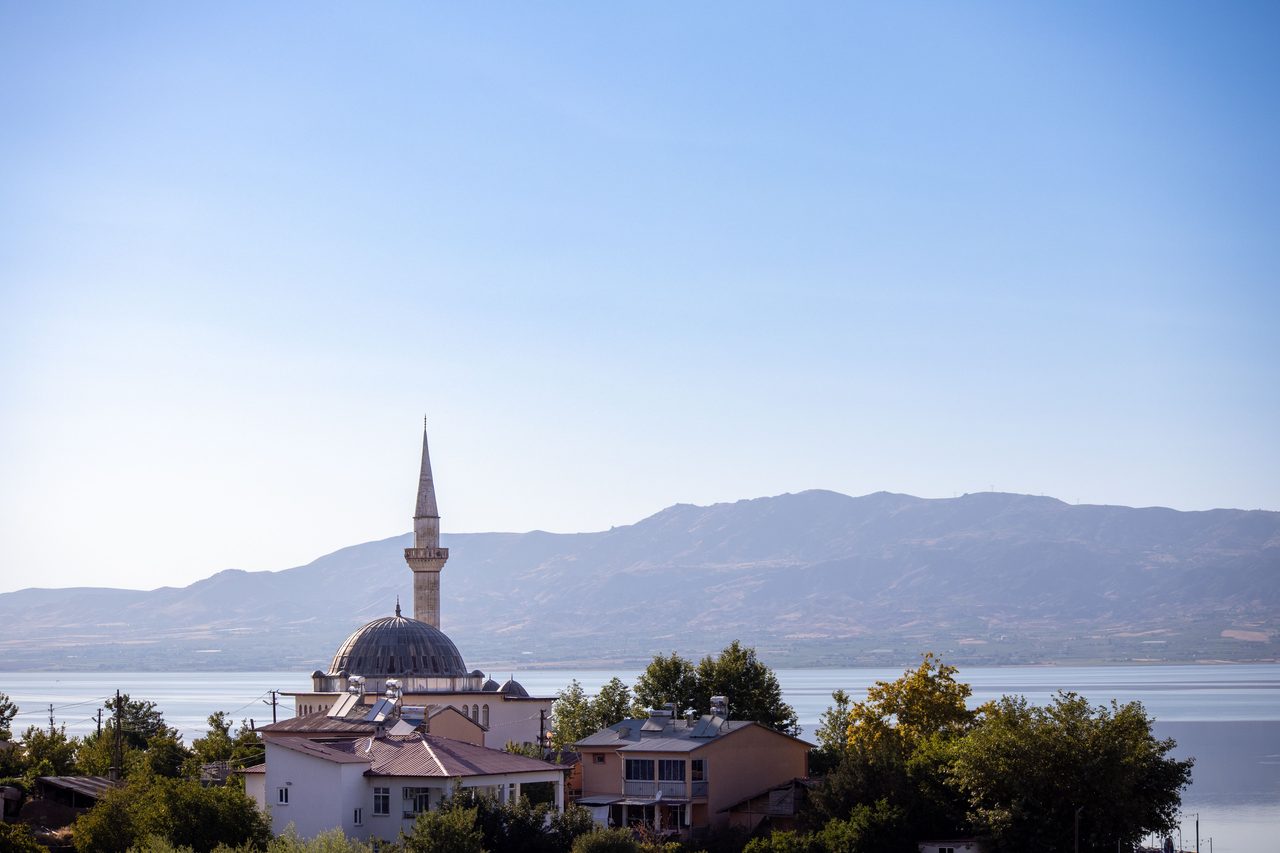
Elazığ is a provincial capital in Eastern Anatolia, Turkey, situated at around 1,000 metres above sea level in the upper Euphrates valley. Home to roughly 400,000 people in the city proper, Elazığ is best known for the ancient hilltop settlement of Harput — a ruined citadel with a 3,000-year history — and the magnificent Hazar Lake to its south, one of Turkey's most scenic natural bodies of water. The region produces some of Turkey's finest red wines from the indigenous Boğazkere and Öküzgözü grapes, and its lamb-centric cuisine reflects deep Eastern Anatolian traditions. Nearby Keban Dam Lake created one of the country's largest reservoirs, and the flooded valleys now harbour picturesque island castles like Pertek.
Elazığ sits at the crossroads of Eastern Anatolia, surrounded by plateaus and river valleys carved by the Euphrates (Fırat). The ancient city of Harput, perched on a ridge 5 km north of the modern centre, was settled by Urartians, Armenians, and Ottomans, and its ruined castle, historic mosque, and hilltop churches testify to millennia of coexistence. Modern Elazığ grew below Harput in the late Ottoman period and expanded rapidly after the Republic. The city's museum holds rich archaeological finds from the Euphrates valley salvage excavations. To the south, Hazar Lake — a tectonic lake at 1,247 m altitude — offers crystalline water, a beach promenade, and boat trips. The Keban Dam reservoir to the north-west has transformed the landscape and created scenic boating routes past partly submerged Pertek Castle. Elazığ is a friendly, affordable city largely off the international tourist trail.
The 12 destinations our editors recommend — from iconic landmarks to under-the-radar finds.
Harput Castle
Harput Castle sits on the rocky outcrop that gave the old town of Harput its name and its reason for existing, with fortifications going back to the Urartians and later rebuilt by Byzantine, Artuqid and Ottoman rulers who each used the site to control the plain below. Today most of what remains is broken curtain wall and a few standing sections rather than an intact fortress, so the appeal is as much the hilltop position as the masonry itself. From the walls you look down over the Harput plain toward modern Elazığ, which explains why every power that held this region wanted the high ground.
Hazar Lake
Hazar Lake fills a tectonic depression in Sivrice district south of Elazığ and is one of the largest lakes in eastern Anatolia formed this way rather than by a river or dam. Its clear water and sandy-to-pebbly shoreline make it the region's main summer swimming spot, with beach clubs and picnic areas strung along the north shore. The surrounding hills give it a closed-in feel that's different from the flatter reservoirs elsewhere in the province.
Elazığ Museum
The Elazığ Archaeology and Ethnography Museum owes much of its collection to salvage excavations carried out ahead of the Keban and Karakaya dam floodings, when archaeologists raced to document sites in the Euphrates valley before they went under water. That gives the museum a genuinely regional story to tell, with material spanning Urartian, Roman and early Islamic layers found nowhere else once the reservoirs filled in. It's a compact museum rather than a sprawling one, so a visit is more about seeing what would otherwise have been lost than about volume of exhibits.
Pertek Castle
Pertek Castle stands on a promontory that used to overlook the Murat River valley before the Keban Dam reservoir rose and turned the surrounding land into a lake, leaving the castle on what is now effectively a peninsula. Administratively it sits just over the line in Tunceli province, but it's reached from the Elazığ side via the Keban road and is usually visited as a day trip from Elazığ. What's left is a ruined but still substantial set of walls and towers, and the setting above the water is now the main draw as much as the fortifications themselves.
Buzluk Cave
Buzluk Cave, near Harput, is a small cave known locally for holding ice inside even as the surface temperature climbs through the summer, a result of cold air settling and staying trapped in the lower chamber. It's a natural curiosity rather than a large show cave, and the ice is usually most noticeable in spring and early summer before it gradually melts back over the hot months. There's no elaborate infrastructure here; it's a short, informal stop rather than a guided cave tour.
Harput Ulu Camii
The Harput Ulu Camii was built in the 12th century under the Artuqid dynasty and is one of the oldest mosques in the region, but what people actually remember about it is its minaret, which leans visibly off vertical. The lean is old and stable rather than a sign of imminent collapse, and it's become the single most photographed feature of Harput's old town skyline. The mosque itself keeps a plain, early-Anatolian-Seljuk-period character rather than the heavier Ottoman styling you'd find in newer mosques elsewhere in Elazığ.
Recommended itineraries
Pick a length, follow the route. Each itinerary balances headline sights with breathing room.
5-Day Elazığ Explorer
Day 1Arrive in Elazığ, explore city center
Day 2Visit top attractions and museums
Day 3Day trip to nearby highlights
Day 4Local markets and hidden gems
Day 5Final sightseeing, departure
7-Day Classic Elazığ
Days 1-2Elazığ city highlights
Days 3-4Regional exploration
Days 5-6Cultural immersion and local experiences
Day 7Return and departure
14-Day Ultimate Elazığ
Days 1-3Elazığ comprehensive city tour
Days 4-6Northern region exploration
Days 7-9Eastern highlights
Days 10-12Southern attractions
Days 13-14Return to Elazığ, departure
Where to stay in Elazığ
Three tiers, every traveller covered — from cost-conscious to flagship hotels.
Budget 650–1,000 TRY (~$20–30 USD)
Hostels, budget hotels, and guesthouses offer affordable stays without sacrificing experience.
Mid-range 1,200–2,200 TRY (~$36–67 USD)
Boutique hotels and well-located accommodations provide comfort and convenience at reasonable prices.
Luxury 2,500–4,500 TRY (~$75–136 USD)
World-class resorts and premium hotels deliver unforgettable experiences.
Elazığ is connected by air (daily flights from Istanbul and Ankara), intercity bus (major hub), and road. Within the city, shared dolmuş minibuses and taxis are the main options. No metro or tram exists. Hazar Lake is 22 km south on a good highway; Harput is 5 km north on a regular dolmuş route.
Budget breakdown
Daily spend by tier in TRY (Turkish Lira), broken out by category.
Average daytime temperature in °C. Figures are for Turkey.
Elazığ has a continental Eastern Anatolian climate with cold winters and hot summers. Spring (April–May) is ideal with mild temperatures and green landscapes. Autumn (September–October) is pleasant and less crowded. Summers are very hot but Hazar Lake provides relief. Winters can be harsh with heavy snow but Harput Castle is atmospheric in the snow.
Essential travel tips
Elazığ Airport is only 4 km from the city; a taxi is under $3 USD
The Harput dolmuş departs from Meydan (central square) every 30–40 minutes
Most restaurants open for lunch from noon; dinner from 18:00
Local wine (Öküzgözü and Boğazkere) is available at supermarkets and some restaurants for ~150–250 TRY (~$4.50–7.50 USD) a bottle
English is rarely spoken outside hotels; learn a few Turkish phrases
Hazar Lake is coolest and least crowded weekday mornings in June and September
Hidden gems
Off-the-beaten-path corners most travellers miss.
Harput Ulu Camii
12th-century Seljuk mosque in Harput; rarely visited by non-Turkish tourists; stunning carved minaret
Palu Canyon
Dramatic Euphrates canyon 45 km east of Elazığ with Ottoman-era stone bridge; almost no tourists
Keban Dam Viewpoint
Free panoramic view of Turkey's largest reservoir from the dam road; excellent photography at sunset
Toprak Köy Vineyard
Small family vineyard near Elazığ growing Öküzgözü grapes; informal tastings possible at harvest time
Safety information
INFO
Keep photocopies of passport separate from the original
INFO
Use metered taxis or agree price before riding
INFO
Carry bottled water — tap water is treated but unfamiliar to most visitors
INFO
Road conditions between Elazığ and Hazar Lake are good; Pertek road is more remote — fill up with fuel before leaving
INFO
Dress modestly when visiting Harput mosques and religious sites
Frequently asked questions
Is Elazığ safe to visit in 2026?
Elazığ is a safe provincial Turkish city with low levels of violent crime. The city is conservative and family-oriented. Petty theft is rare but possible in crowded bazaars. The 2020 earthquake (Mw 6.8) caused significant damage — reconstruction is largely complete but visitors should be aware of af
What is the best time to visit Elazığ?
The best time to visit Elazığ is April–May and September–October. Elazığ has a continental semi-arid climate (Köppen BSk) typical of the Eastern Anatolian plateau. The city sits at approximately 1,000 m elevation, which moderates extreme summer heat compared to lowl
Do I need a visa to visit Elazığ?
Citizens of many countries including the USA, UK, EU, Canada, and Australia require an e-Visa obtained at evisa.gov.tr before arrival, approximately $50 USD. Some nationalities receive visa-free entry for up to 90 days. Verify current requirements at evisa.gov.tr before travel. Requirements vary by nationality, so check with your nearest embassy or the official immigration website before traveling.
What currency is used in Elazığ?
The currency in Elazığ is the Turkish Lira (TRY). ATMs are widely available in cities and tourist areas. Credit cards are accepted at most hotels and restaurants, but carry cash for markets and smaller establishments.
What language is spoken in Elazığ?
The main language(s) spoken in Elazığ: Turkish, Kurdish (spoken locally). In tourist areas, English is generally understood. Learning a few basic phrases in the local language is appreciated by locals.
What are the top attractions in Elazığ?
The top attractions in Elazığ include Harput Castle, Hazar Lake, Elazığ Museum, Pertek Castle, and Buzluk Cave. Each offers a unique experience, from historic landmarks to natural wonders.