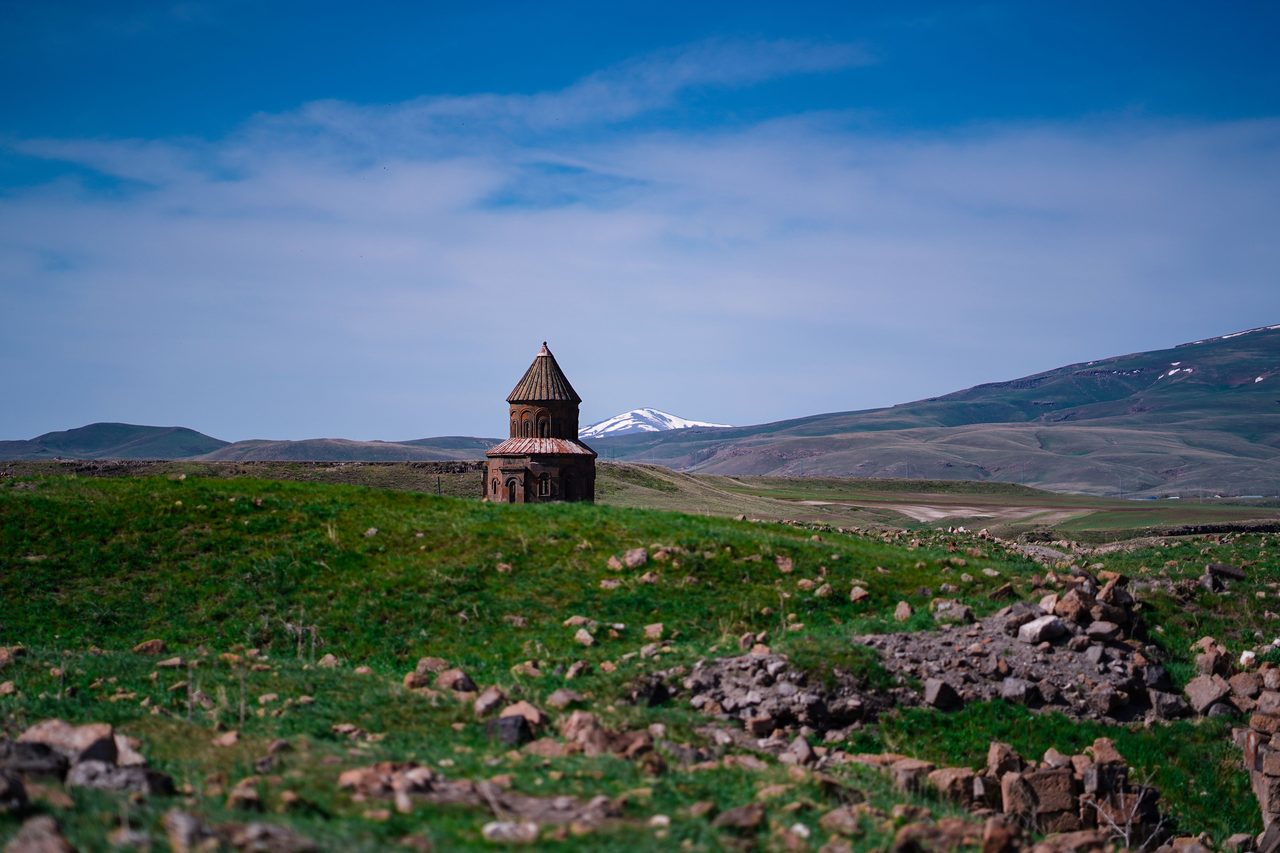
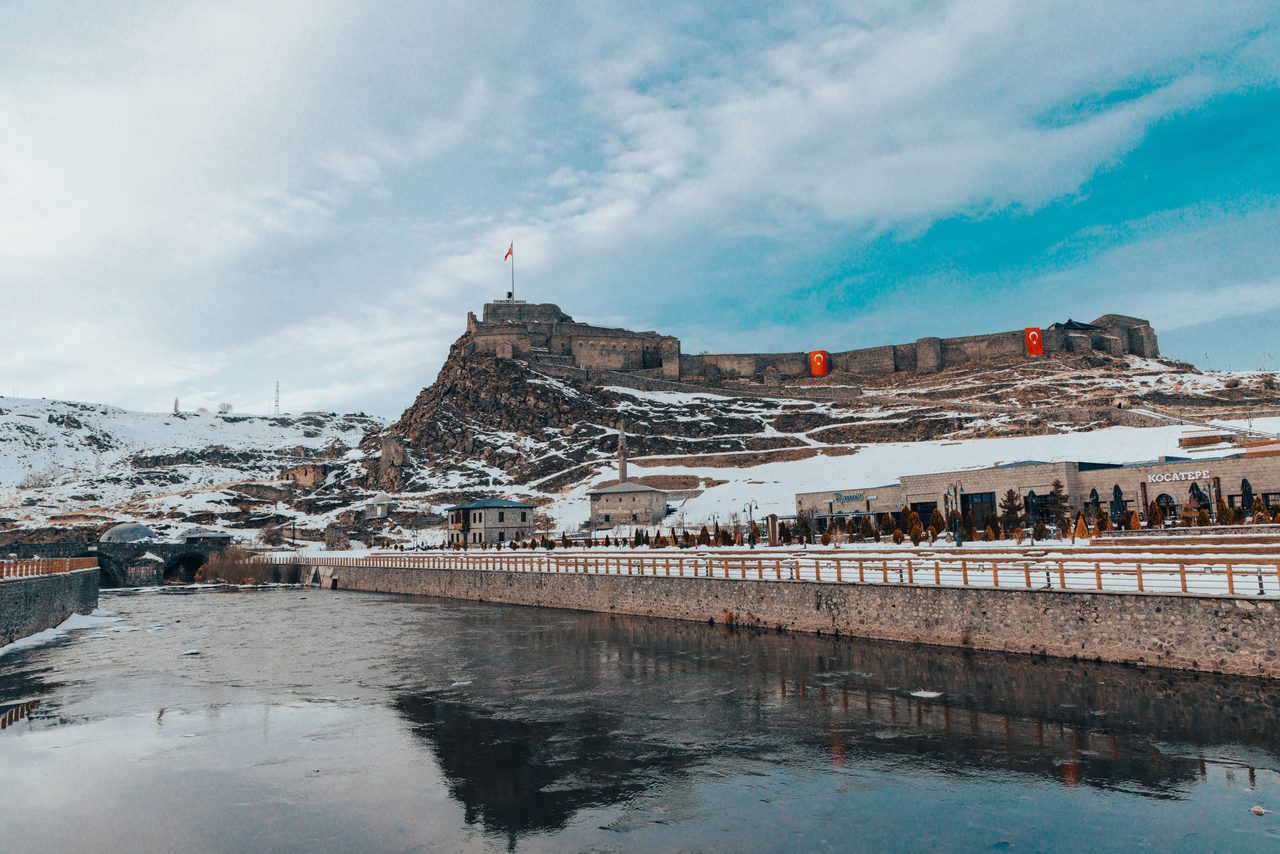
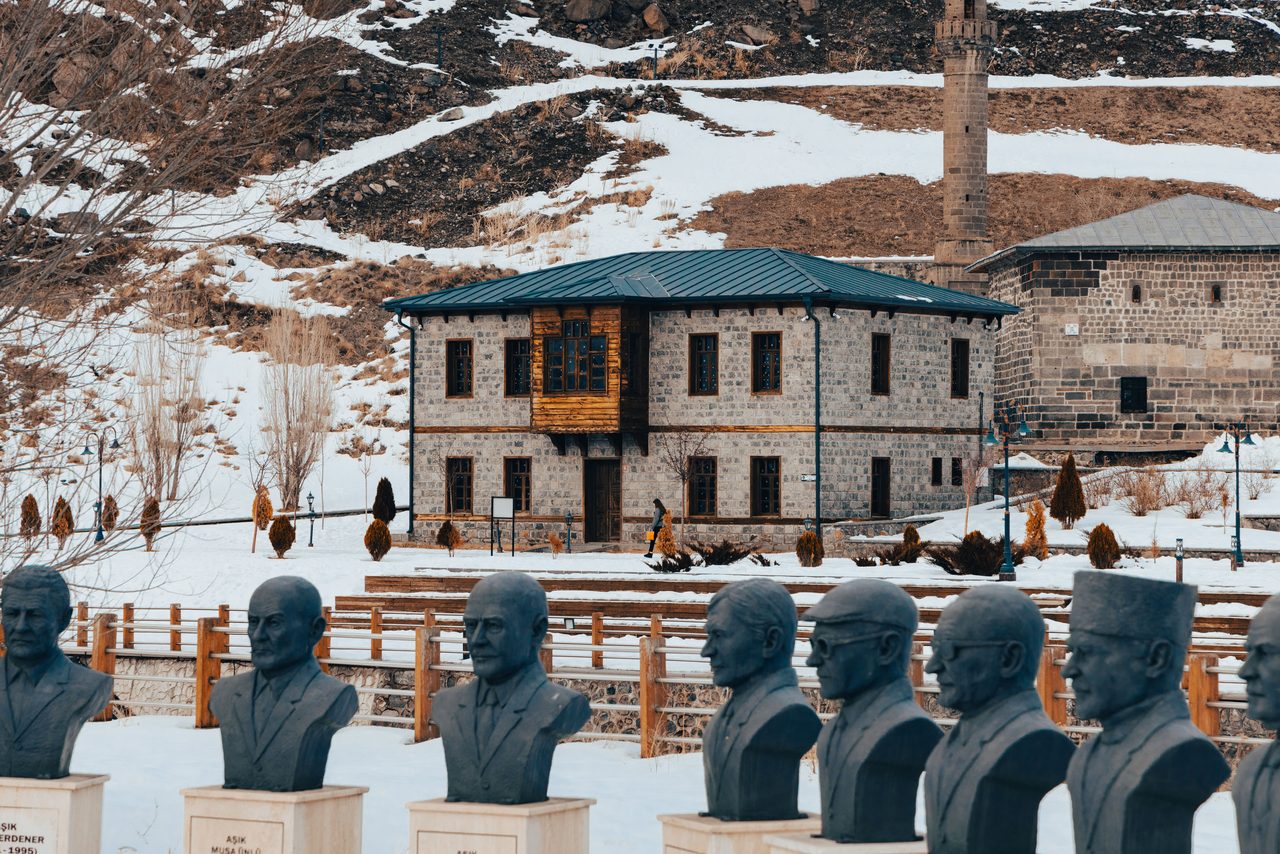
Kars blends tsarist Russian architecture with Caucasian highland culture and millennia of Armenian, Byzantine, and Ottoman history. The highlight for most visitors is the Ani Ruins — a haunting city of stone churches, mosques, and palaces stranded on a plateau above the Arpaçay River gorge. Back in Kars city, the castle above the Kars River gives sweeping views, the Kümbet Mosque (a 10th-century Armenian church) stands near the town centre, and the evening food scene rewards anyone who seeks out kaz (goose) stew and aged gravyer cheese. The city is small enough to walk across in 20 minutes yet rich enough to fill three days.
Kars is a northeastern Anatolian city sitting at 1,768 metres elevation on the high steppe, 45 kilometres west of the Armenian border. Once part of the Russian Empire (1878–1918), the city retains a distinctive grid layout and tsarist-era stone buildings that give it a look unlike anywhere else in Turkey. The surrounding province shelters the Ani Ruins — a UNESCO World Heritage Site and former capital of the Bagratid Armenian Kingdom — as well as the Sarıkamış ski resort, Çıldır Lake and sweeping highland pastures grazed by horses and geese. Kars is also Turkey's finest cheese- and honey-producing region; the local gravyer (Gruyère-style cheese) and wild-flower honey have nationwide fame. Summers are cool and clear; winters are brutally cold, with temperatures sometimes hitting −30 °C, but they bring deep powder at Sarıkamış and the otherworldly spectacle of frozen Çıldır Lake.
The 21 destinations our editors recommend — from iconic landmarks to under-the-radar finds.
Ani Ruins
Ani was the capital of a medieval Armenian kingdom and later passed through Byzantine, Seljuk, and Georgian control before being abandoned after Mongol raids and a major earthquake. What remains is a walled, largely empty plateau scattered with roofless churches, a cathedral, and a citadel, set right against the Akhurian River gorge that forms the border with Armenia. Walking the site means covering real distances between ruins on foot across open grassland, with almost no shade or facilities.
Kars Castle (Kars Kalesi)
This fortress sits on a rocky outcrop above the Kars River and old town, with the current stone walls dating largely to Ottoman rebuilding after earlier Armenian and Seljuk fortifications on the same site. It has been fought over repeatedly given Kars's position on the Russian-Ottoman-Persian frontier, and the walls still show the layered rebuilding from those different periods. The interior is mostly open ground rather than restored rooms, so the main draw is the walk up and the view over the city's Russian-era grid streets below.
Kümbet Mosque (Church of the Apostles)
Built in the early 10th century as the Church of the Holy Apostles under Armenian Bardzrberd rule, this squat, round building is easy to pick out on the skyline by its conical drum roof, which is why locals call it Kümbet ('dome'). A relief band around the drum depicts the twelve apostles, which gives the church its original name and is still visible despite centuries of weathering. It later served as a mosque, then briefly a church again and a museum, before returning to use as a mosque.
Kars Museum (Kars Müzesi)
This is the city's general regional museum, covering the archaeology and ethnography of the Kars area from prehistoric finds through the Armenian, Seljuk, Ottoman, and Russian periods that shaped the region. Exhibits include pottery, carved stone fragments (some gathered from Ani), and displays on the mixed populations that lived under successive rulers here. It gives useful background before or after visiting Ani or the old town's converted churches, since it explains the historical layers you'll see on the ground.
Çıldır Lake
This is a large, shallow alpine lake near the Georgian border, sitting at high altitude so it freezes solid in winter and thaws into open water in summer. In winter, locals drive horse-drawn sledges across the ice, which has become the region's signature cold-weather activity; in summer it's simply a quiet body of water surrounded by open grazing land with little tourist infrastructure. The lake is a genuine side trip rather than a quick stop, given the distance from Kars city.
Fethiye Mosque (former Armenian Cathedral of Kars)
This building began as a church constructed during Kars's 19th-century Russian administration and was converted into a mosque after the Ottoman Republic period, one of several church-to-mosque conversions in the city's old quarter. Its architecture reflects the Russian imperial building style rather than earlier Ottoman or Seljuk forms, since it dates from the decades when Kars was administered from St. Petersburg. It functions today as a working neighborhood mosque.
Recommended itineraries
Pick a length, follow the route. Each itinerary balances headline sights with breathing room.
5-Day Kars Explorer
Day 1Arrive in Kars, explore city center
Day 2Visit top attractions and museums
Day 3Day trip to nearby highlights
Day 4Local markets and hidden gems
Day 5Final sightseeing, departure
7-Day Classic Kars
Days 1-2Kars city highlights
Days 3-4Regional exploration
Days 5-6Cultural immersion and local experiences
Day 7Return and departure
14-Day Ultimate Kars
Days 1-3Kars comprehensive city tour
Days 4-6Northern region exploration
Days 7-9Eastern highlights
Days 10-12Southern attractions
Days 13-14Return to Kars, departure
Where to stay in Kars
Three tiers, every traveller covered — from cost-conscious to flagship hotels.
Budget ₺600–₺1,050/day (~$19–$33)
Hostels, budget hotels, and guesthouses offer affordable stays without sacrificing experience.
Mid-range ₺1,400–₺2,550/day (~$44–$80)
Boutique hotels and well-located accommodations provide comfort and convenience at reasonable prices.
Luxury ₺2,900–₺5,100/day (~$91–$160)
World-class resorts and premium hotels deliver unforgettable experiences.
Hotel Katerina
City centre, 5-minute walk from Kars Museum · ₺800–₺1,400/night (~$25–$44)
Kars is connected by air, rail, and intercity bus. The airport has daily flights from Istanbul. The train station (TCDD) links Kars to Ankara via Erzurum on the Eastern Express (27 h, one of Turkey's most scenic journeys). Dolmuş minibuses serve the city; taxis are widely available.
Budget breakdown
Daily spend by tier in TRY, broken out by category.
Category
Budget
Mid-range
Luxury
Accommodation
₺400–₺600/night (~$13–$19)
₺800–₺1,400/night (~$25–$44)
₺1,500–₺2,500/night (~$47–$78)
Food (per day)
₺100–₺200/day (~$3–$6)
₺300–₺500/day (~$9–$16)
₺600–₺1,000/day (~$19–$31)
Transportation
₺50–₺100/day (~$2–$3)
₺100–₺250/day (~$3–$8)
₺300–₺600/day (~$9–$19)
Activities
₺50–₺150/day (~$2–$5)
₺200–₺400/day (~$6–$13)
₺500–₺1,000/day (~$16–$31)
Daily total
₺600–₺1,050/day (~$19–$33)
₺1,400–₺2,550/day (~$44–$80)
₺2,900–₺5,100/day (~$91–$160)
Best time to visit Kars
Weather through the year in Turkey
Best timeShoulderWorth avoiding
Average daytime temperature in °C. Figures are for Turkey.
Summer (June–September) offers the best conditions for visiting Ani and hiking. Winter brings reliable snow at Sarıkamış ski resort and the frozen Çıldır Lake horse-sledge experience, but temperatures can drop to −30 °C.
Essential travel tips
Book the Eastern Express train (Ankara–Kars) weeks in advance — it sells out quickly, especially in summer
Visit Ani early morning to avoid tour groups and for the best light on the stone churches
Kars gravyer cheese and honey make excellent gifts; buy from Boğatepe Cooperative or the covered bazaar
Restaurant kitchens in Kars close early (around 21:00); plan dinner no later than 20:30
Hidden gems
Off-the-beaten-path corners most travellers miss.
Taş Köprü (Stone Bridge)
Boğatepe Village Cheese Cooperative
Safety information
INFO
Pack very warm layers for any visit between November and March; wind-chill at Ani can be severe
INFO
Hire a reputable driver for the Ani trip — the 45 km road is manageable by car but poorly signposted
INFO
ATMs are available in Kars city centre; carry cash for Ani entrance and village stops
INFO
Tap water in Kars is generally safe but bottled water is inexpensive and widely available
Frequently asked questions
Is Kars safe to visit in 2026?
Kars is generally safe for all types of travellers. The city has a low crime rate and locals are hospitable to visitors. The proximity to the Armenian border causes no practical issues for tourists — Ani Ruins are freely accessible without special permits. The biggest safety concerns are environment
What is the best time to visit Kars?
The best time to visit Kars is June to September. Kars has a harsh continental climate driven by its location on the northeastern Anatolian plateau at 1,768 metres elevation. Winters are long, extremely cold, and snowy — temperatures frequently drop
What currency is used in Kars?
The currency in Kars is the Turkish Lira (TRY). ATMs are widely available in cities and tourist areas. Credit cards are accepted at most hotels and restaurants, but carry cash for markets and smaller establishments.
What language is spoken in Kars?
The main language(s) spoken in Kars: Turkish, Kurdish, Azerbaijani. In tourist areas, English is generally understood. Learning a few basic phrases in the local language is appreciated by locals.
What are the top attractions in Kars?
The top attractions in Kars include Ani Ruins, Kars Castle (Kars Kalesi), Kümbet Mosque (Church of the Apostles), Kars Museum (Kars Müzesi), and Çıldır Lake. Each offers a unique experience, from historic landmarks to natural wonders.