Western Black Sea · 10 Places · Best May–June and September–October
Kastamonu
Kastamonu is a historic city in Turkey's Western Black Sea region, sitting at roughly 800 metres above sea level in a valley carved by the Gökırmak and Kastamonu streams. Famous for its remarkably well-preserved Ottoman timber architecture, its imposing Byzantine-Ottoman castle, and a culinary tradition built around garlic, chickpea dishes, and cured meats, the city rewards visitors who venture beyond Turkey's coastal and Cappadocian tourist circuits. The surrounding province encompasses Ilgaz Mountain National Park — a winter ski destination — and the dramatic gorges of Küre Mountains National Park, offering some of the finest trekking in northern Anatolia.
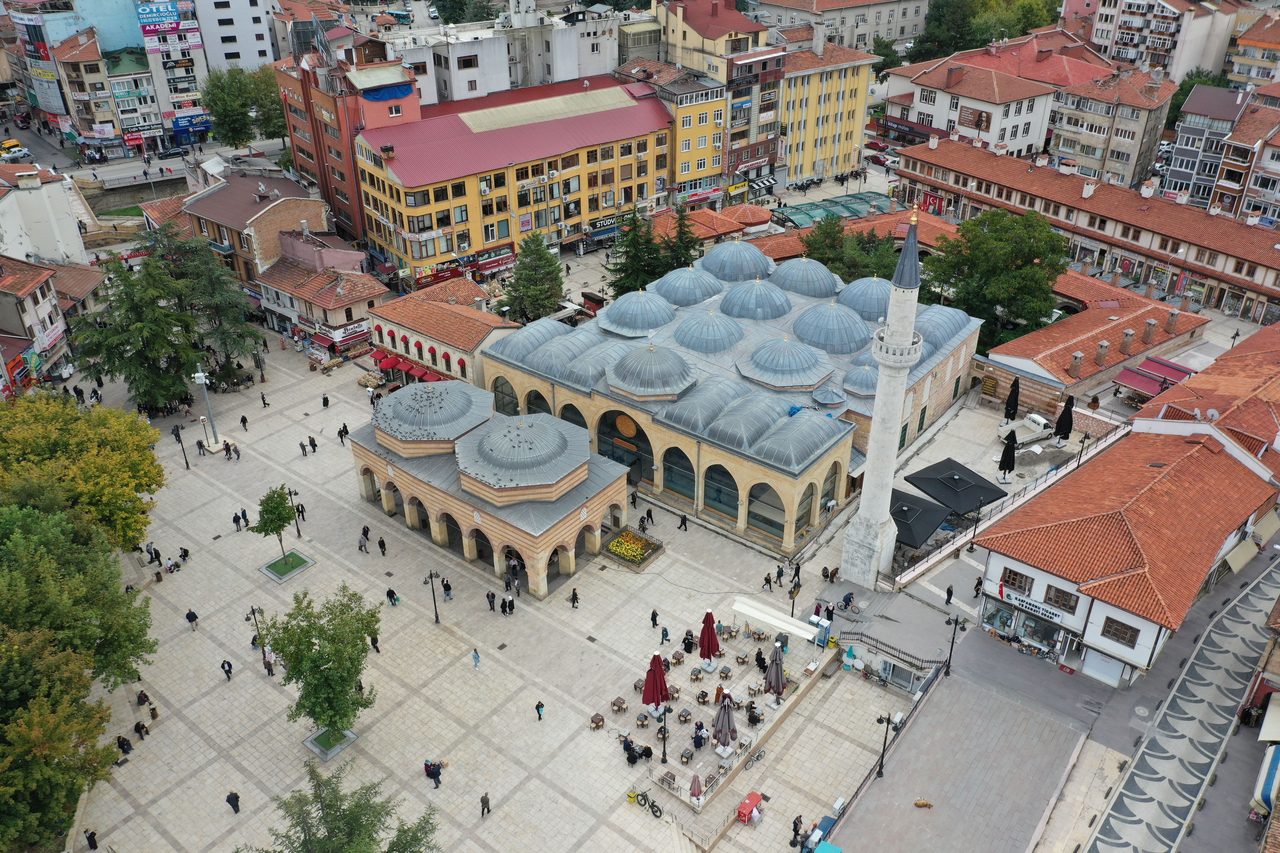
Kastamonu sits at the crossroads of ancient Paphlagonia and the Ottoman world, and its historic centre still breathes that layered past. The hilltop castle, first fortified in Byzantine times, peers over a cityscape of centuries-old timber konak houses, hans, and mosques. The bazaar district, lively and unhurried, trades in garlic braids, handmade copper goods, and the local smoked chickpeas known as leblebi. The city is small enough to walk everywhere yet dense with character: Nasrullah Meydanı (central square) anchors café life, the city museum occupies a beautifully restored han, and several atmospheric Ottoman baths remain in use. Beyond the city, the province offers Ilgaz ski runs from December to March, Küre Mountains gorge hikes, the Valla Canyon (Turkey's second-deepest canyon), and the spectacular stalactite cave at İnceğiz. Kastamonu is also the obvious base for a day trip to Safranbolu (UNESCO World Heritage Site, 90 km south-west).
The 10 destinations our editors recommend — from iconic landmarks to under-the-radar finds.
Kastamonu Castle
This fortress sits on the hill directly above the old town, with foundations going back to Byzantine rule and major rebuilding under the Candaroğlu (Isfendiyarid) beyliks who made Kastamonu their capital in the 14th and 15th centuries. Most of what survives today is broken curtain wall and a couple of towers rather than an intact structure, but the site's value is the vantage point it gives over the timber-framed Ottoman houses packed into the valley below.
Küre Mountains National Park
Declared Turkey's first national park set aside specifically to protect old-growth forest, this range along the Black Sea coast side of Kastamonu province holds stands of mixed beech, fir and hornbeam that were never clear-cut, along with karst features like sinkholes and underground streams. It's a working destination for hikers and nature-watchers rather than a single sight - trails link village settlements, canyons and cave entrances across a large area.
Valla Canyon
Cut by a tributary of the Gökırmak near Taşköprü, this is one of the deeper canyons in the region, with limestone walls rising steeply above a walking trail that follows the streambed. Wooden and suspension footbridges carry the path back and forth across the water at several points, which is what makes the walk memorable rather than the canyon being exceptionally wide or long.
Kastamonu City Museum
Mahmut Bey Mosque (Kasaba)
Standing in the small village of Kasaba outside Kastamonu, this 14th-century mosque is one of Anatolia's best-preserved wooden hypostyle mosques from the Candaroğlu period, built with carved timber columns and a painted wood ceiling rather than the domed stone construction typical of later Ottoman mosques. It's on Turkey's UNESCO tentative list, and the interior woodwork - especially the carved mihrab and the painted geometric and floral ceiling panels - is the reason it's worth the detour from the city.
Ilgaz Mountain National Park
This forested mountain range straddling the Kastamonu-Çankırı border is a national park built around dense pine and fir cover, and it doubles as one of the region's ski areas in winter thanks to a small resort on its slopes. Outside ski season it functions as a hiking and picnic destination, with the writer Reşat Nuri Güntekin's novel Çalıkuşu (The Wren) having used the mountain and its surrounding villages as a setting, which locals still reference.
Recommended itineraries
Pick a length, follow the route. Each itinerary balances headline sights with breathing room.
5-Day Kastamonu Explorer
Day 1Arrive in Kastamonu, explore city center
Day 2Visit top attractions and museums
Day 3Day trip to nearby highlights
Day 4Local markets and hidden gems
Day 5Final sightseeing, departure
7-Day Classic Kastamonu
Days 1-2Kastamonu city highlights
Days 3-4Regional exploration
Days 5-6Cultural immersion and local experiences
Day 7Return and departure
14-Day Ultimate Kastamonu
Days 1-3Kastamonu comprehensive city tour
Days 4-6Northern region exploration
Days 7-9Eastern highlights
Days 10-12Southern attractions
Days 13-14Return to Kastamonu, departure
Where to stay in Kastamonu
Three tiers, every traveller covered — from cost-conscious to flagship hotels.
Budget 1,150–1,850 TRY (~$36–57 USD)
Hostels, budget hotels, and guesthouses offer affordable stays without sacrificing experience.
Mid-range 2,300–4,000 TRY (~$71–124 USD)
Boutique hotels and well-located accommodations provide comfort and convenience at reasonable prices.
Luxury 5,000–10,700 TRY (~$155–332 USD)
World-class resorts and premium hotels deliver unforgettable experiences.
Kastamonu is accessible by intercity bus from Ankara (3.5 hours), Istanbul (6 hours), and other major Turkish cities. The city itself is compact and walkable in its historic centre. Local dolmuş minibuses and taxis serve outlying neighbourhoods. A private car or arranged jeep tour is recommended for reaching Küre Mountains, Valla Canyon, and the Black Sea coast villages.
Budget breakdown
Daily spend by tier in TRY (Turkish Lira), broken out by category.
Category
Budget
Mid-range
Luxury
Accommodation
650–900 TRY (~$20–28 USD)
1,200–2,000 TRY (~$37–62 USD)
2,500–5,000 TRY (~$78–155 USD)
Food (per day)
300–500 TRY (~$9–15 USD)
600–1,000 TRY (~$19–31 USD)
1,200–2,500 TRY (~$37–78 USD)
Transportation
100–200 TRY (~$3–6 USD)
200–400 TRY (~$6–12 USD)
500–1,200 TRY (~$15–37 USD)
Activities
100–250 TRY (~$3–8 USD)
300–600 TRY (~$9–19 USD)
800–2,000 TRY (~$25–62 USD)
Daily total
1,150–1,850 TRY (~$36–57 USD)
2,300–4,000 TRY (~$71–124 USD)
5,000–10,700 TRY (~$155–332 USD)
Best time to visit Kastamonu
Weather through the year in Turkey
Best timeShoulderWorth avoiding
Average daytime temperature in °C. Figures are for Turkey.
Spring and autumn offer mild temperatures ideal for hiking and sightseeing. Ski season at Ilgaz runs December–March.
Essential travel tips
Most attractions in the historic centre are within a 15-minute walk of Nasrullah Meydanı
Carry cash — many restaurants, teahouses, and small shops are cash-only
The garlic season peaks in July; markets are particularly lively then
Hire a local driver or join a tour for Küre Mountains and Valla Canyon — access roads are rough
Leblebi (roasted chickpeas) make excellent lightweight gifts; vacuum-packed versions last months
Language barrier is significant outside hotels — a translation app is invaluable
Check road conditions before winter mountain trips at karayollari.gov.tr
Hidden gems
Off-the-beaten-path corners most travellers miss.
İnceğiz Cave
A large stalactite-draped cavern near Abana, barely on the tourist map yet genuinely impressive.
Pınarbaşı Village
Tiny highland settlement at the top of Valla Canyon with local guesthouses and unbeatable views.
Kastamonu Leblebi Çarşısı
The covered market lane where roasted-chickpea vendors have traded for generations — a sensory delight.
Safety information
INFO
Keep valuables secure in busy market areas
INFO
Use licensed taxis or ride-hailing apps rather than unlicensed vehicles
INFO
Carry sufficient cash — many smaller businesses do not accept cards
INFO
Check weather forecasts before hiking in Küre Mountains or Ilgaz; conditions change rapidly
INFO
Register with your embassy if staying for an extended period
Frequently asked questions
Is Kastamonu safe to visit in 2026?
Kastamonu is a conservative, family-oriented provincial city with very low violent crime. Petty theft is rare but possible in crowded bazaar areas. Mountain trails require weather awareness. The city is welcoming to international visitors, though English is not widely spoken.
What is the best time to visit Kastamonu?
The best time to visit Kastamonu is May–June and September–October. Kastamonu city sits at ~800 m elevation in a sheltered valley between the Black Sea coastal range and the central Anatolian plateau, giving it a temperate continental climate modified by altitude. Sum
Do I need a visa to visit Kastamonu?
Citizens of many countries including the USA, UK, EU, Canada, and Australia require an e-Visa obtained at evisa.gov.tr before arrival. Cost is approximately $50 USD. Some nationalities receive visa-free entry for up to 90 days. Always verify current requirements at the nearest Turkish consulate or at evisa.gov.tr before travel. Requirements vary by nationality, so check with your nearest embassy or the official immigration website before traveling.
What currency is used in Kastamonu?
The currency in Kastamonu is the Turkish Lira (TRY). ATMs are widely available in cities and tourist areas. Credit cards are accepted at most hotels and restaurants, but carry cash for markets and smaller establishments.
What language is spoken in Kastamonu?
The main language(s) spoken in Kastamonu: Turkish. In tourist areas, English is generally understood. Learning a few basic phrases in the local language is appreciated by locals.
What are the top attractions in Kastamonu?
The top attractions in Kastamonu include Kastamonu Castle, Küre Mountains National Park, Valla Canyon, Kastamonu City Museum, and Mahmut Bey Mosque (Kasaba). Each offers a unique experience, from historic landmarks to natural wonders.