World · 20 Places · Best May–June and September–October
Kütahya
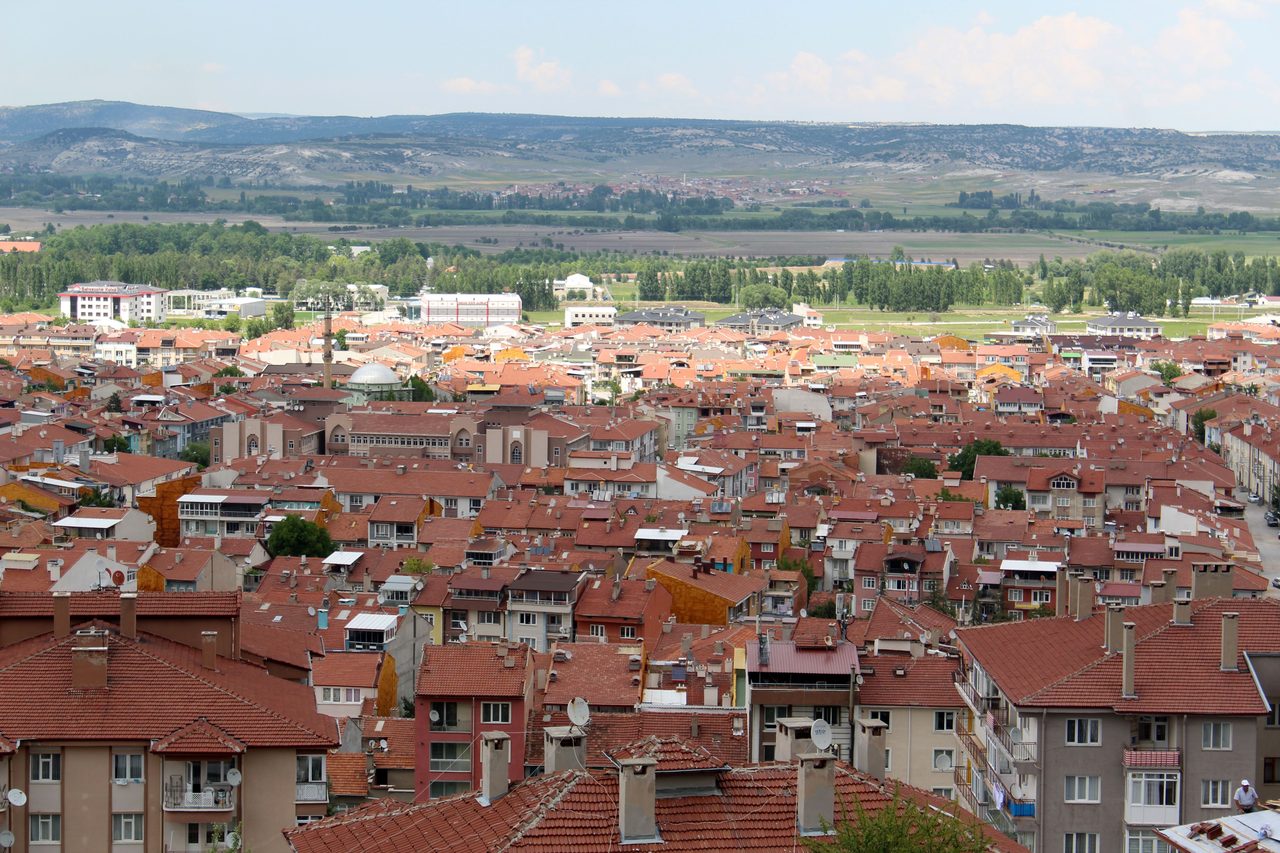
Kütahya is a historic city in western Turkey famed worldwide for its exquisite ceramic and tile-making tradition that dates back to the 15th century. Perched on a plateau at roughly 960 m elevation, the city combines well-preserved Ottoman architecture, a dramatic hilltop castle, and a lively bazaar district with a quieter, authentically Turkish atmosphere that larger tourist centers have long since lost.
Kütahya province straddles the boundary between the Aegean and Central Anatolia regions. The provincial capital has long been the chief producer of hand-painted çini tiles, and today dozens of workshops and factories still fire the distinctive blue-and-white and polychrome pottery that decorates mosques and palaces across Turkey and beyond. Visitors discover the Kütahya Castle commanding sweeping panoramas over the terracotta rooftops, a clutch of Ottoman mosques and hans, the excellent Tile and Ceramic Museum, and a culinary scene anchored by çibörek pastries, local sucuk sausage, and hearty Central Anatolian stews. The city is also within easy reach of the thermal springs at Gediz and the Roman ruins at Aizanoi, one of Turkey's least-crowded UNESCO-listed ancient cities.
The 20 destinations our editors recommend — from iconic landmarks to under-the-radar finds.
Kütahya Castle
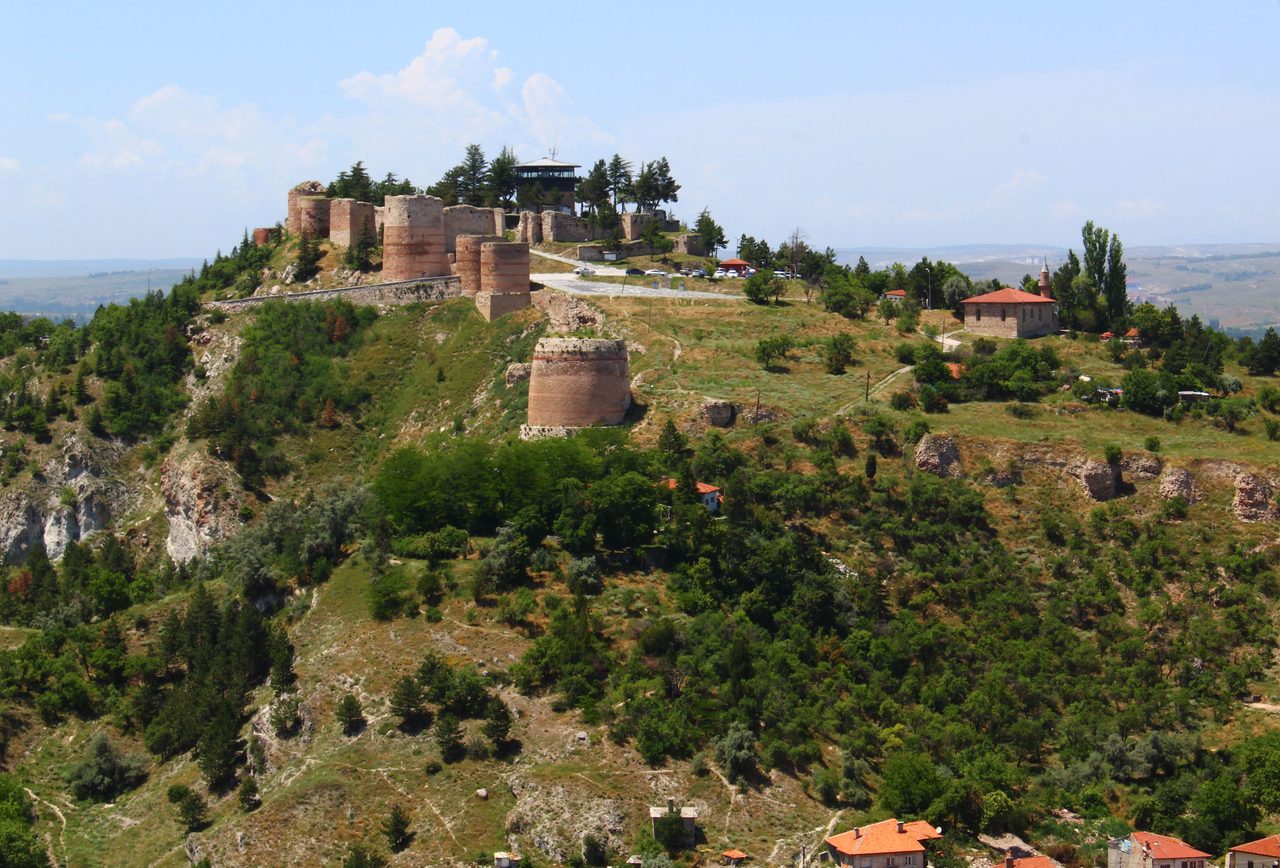
This fortress sits on the steep hill directly above Kütahya's old town, with walls and towers whose core dates back to Byzantine rule, though the site was fortified long before that and repaired repeatedly under the Seljuks and Ottomans. It never became a polished tourist attraction, so what you get is a working ruin: broken stretches of wall, a scramble up unmarked paths, and the old town's tile-roofed houses spread out below.
Aizanoi Ancient City
Aizanoi, about an hour from central Kütahya near the town of Çavdarhisar, has one of the best-preserved Temple of Zeus structures in Anatolia, with much of its cella and colonnade still standing on a raised platform. Beyond the temple, the site includes a combined theatre-stadium complex, a macellum (market building) carrying an inscribed Roman price edict, and a Roman bridge over the Penkalas stream that is still in use by local traffic today.
Tile & Ceramic Museum (Çini Müzesi)
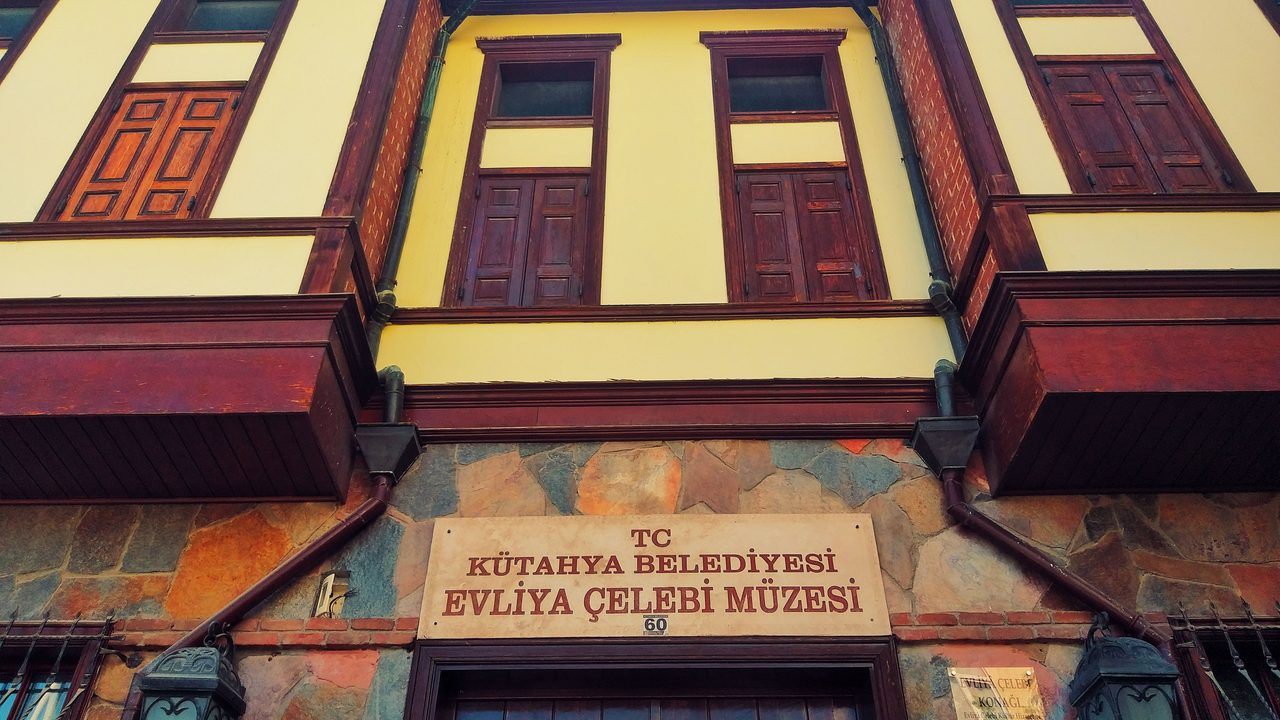
Kütahya has been one of Turkey's main centers of tile and ceramic production since the Ottoman period, and this museum traces that craft through glazed tiles, plates, and vessels rather than treating ceramics as a side note to the city's history. The building itself, a converted Ottoman-era structure, gives the collection a more intimate feel than a purpose-built gallery would.
Kütahya Archaeological Museum
This museum holds finds excavated from Aizanoi and other sites across Kütahya province, spanning Phrygian, Hellenistic, and Roman periods, so it works well as either a warm-up before visiting Aizanoi or a way to see the smaller objects the ruin site itself can't display. The collection is modest in scale, which makes it easy to see in one focused visit rather than an exhausting one.
Ulu Mosque (Büyük Camii)
Kütahya's Ulu Mosque was built under the Germiyanid beylik in the 14th century, in the transition period between Seljuk and early Ottoman architecture, and it has been repaired and altered across the centuries since. Inside, it keeps the flatter, wide-hall layout typical of Anatolian beylik-era mosques rather than the domed central-plan style Ottoman mosques adopted later.
Kurşunlu Mosque (Kursunlu Camii)
Recommended itineraries
Pick a length, follow the route. Each itinerary balances headline sights with breathing room.
5-Day Kütahya Explorer
Day 1Arrive in Kütahya, explore city center
Day 2Visit top attractions and museums
Day 3Day trip to nearby highlights
Day 4Local markets and hidden gems
Day 5Final sightseeing, departure
7-Day Classic Kütahya
Days 1-2Kütahya city highlights
Days 3-4Regional exploration
Days 5-6Cultural immersion and local experiences
Day 7Return and departure
14-Day Ultimate Kütahya
Days 1-3Kütahya comprehensive city tour
Days 4-6Northern region exploration
Days 7-9Eastern highlights
Days 10-12Southern attractions
Days 13-14Return to Kütahya, departure
Where to stay in Kütahya
Three tiers, every traveller covered — from cost-conscious to flagship hotels.
Budget 500–1,200 TRY/day (~$15–$36 USD)
Hostels, budget hotels, and guesthouses offer affordable stays without sacrificing experience.
Mid-range 1,300–2,800 TRY/day (~$39–$84 USD)
Boutique hotels and well-located accommodations provide comfort and convenience at reasonable prices.
Luxury 3,300–6,800 TRY/day (~$99–$204 USD)
World-class resorts and premium hotels deliver unforgettable experiences.
Hilton Garden Inn Kütahya
City centre, 10-minute walk to Ulu Mosque and bazaar · 1,800–3,200 TRY/night (~$54–$96 USD)
Kütahya is accessible by intercity bus from Istanbul (4.5 hrs), Ankara (3 hrs), Bursa (2.5 hrs), and Izmir (4 hrs). The TCDD train line connects Kütahya to Eskişehir (1.5 hrs) and Afyonkarahisar (1.5 hrs). Within the city, dolmuş minibuses and taxis are the main options.
Budget breakdown
Daily spend by tier in TRY, broken out by category.
Category
Budget
Mid-range
Luxury
Accommodation
300–600 TRY/night (~$9–$18 USD)
700–1,500 TRY/night (~$21–$45 USD)
2,000–4,000 TRY/night (~$60–$120 USD)
Food (per day)
150–300 TRY/day (~$4.50–$9 USD)
400–700 TRY/day (~$12–$21 USD)
800–1,500 TRY/day (~$24–$45 USD)
Transportation
50–100 TRY/day (~$1.50–$3 USD)
100–200 TRY/day (~$3–$6 USD)
200–500 TRY/day (~$6–$15 USD)
Activities
0–200 TRY/day (~$0–$6 USD)
100–400 TRY/day (~$3–$12 USD)
300–800 TRY/day (~$9–$24 USD)
Daily total
500–1,200 TRY/day (~$15–$36 USD)
1,300–2,800 TRY/day (~$39–$84 USD)
3,300–6,800 TRY/day (~$99–$204 USD)
Best time to visit Kütahya
Weather through the year in Turkey
Best timeShoulderWorth avoiding
Average daytime temperature in °C. Figures are for Turkey.
Spring brings mild temperatures and blooming landscapes; autumn offers harvest festivals and comfortable sightseeing weather. Summers are hot but drier than the coast.
Essential travel tips
Kütahya ceramic workshops welcome visitors; ask at the Tile Museum for a list of open ateliers.
Friday is the main market day in the old bazaar district.
Most signs in the old town are in Turkish only — Google Translate's camera mode is helpful.
ATMs (bankomat) are plentiful on Cumhuriyet Bulvarı and around the main square.
The castle is most impressive at sunset; access is free and the path is lit until about 21:00.
Hidden gems
Off-the-beaten-path corners most travellers miss.
Germiyanoğulları Han
A rarely visited 14th-century caravanserai in the old bazaar district.
Porsuk Dam Lake
A scenic reservoir on the Porsuk River popular with local picnickers and bird-watchers.
Gediz Thermal Springs
Low-key thermal baths 60 km north — natural hot springs with minimal tourist crowds.
Safety information
INFO
Keep valuables secure in the busy bazaar area.
INFO
Dress modestly when visiting mosques — cover shoulders and knees.
INFO
Tap water is generally safe but bottled water is widely available and inexpensive.
Kütahya is considered one of Turkey's safer destinations. Violent crime against tourists is extremely rare. The main concerns are petty theft in crowded areas and traffic safety. Travellers should exercise normal urban caution.
What is the best time to visit Kütahya?
The best time to visit Kütahya is May–June and September–October. Kütahya has a semi-arid continental climate (Köppen BSk). Winters are cold and snowy (December–February), with average lows of –5°C to –8°C and frequent snowfall. Summers are warm to hot and dry (June
What currency is used in Kütahya?
The currency in Kütahya is the Turkish Lira (TRY). ATMs are widely available in cities and tourist areas. Credit cards are accepted at most hotels and restaurants, but carry cash for markets and smaller establishments.
What language is spoken in Kütahya?
The main language(s) spoken in Kütahya: Turkish. In tourist areas, English is generally understood. Learning a few basic phrases in the local language is appreciated by locals.
What are the top attractions in Kütahya?
The top attractions in Kütahya include Kütahya Castle, Aizanoi Ancient City, Tile & Ceramic Museum (Çini Müzesi), Kütahya Archaeological Museum, and Ulu Mosque (Büyük Camii). Each offers a unique experience, from historic landmarks to natural wonders.