Malatya · 21 Places · Best April–June and September–October
Malatya
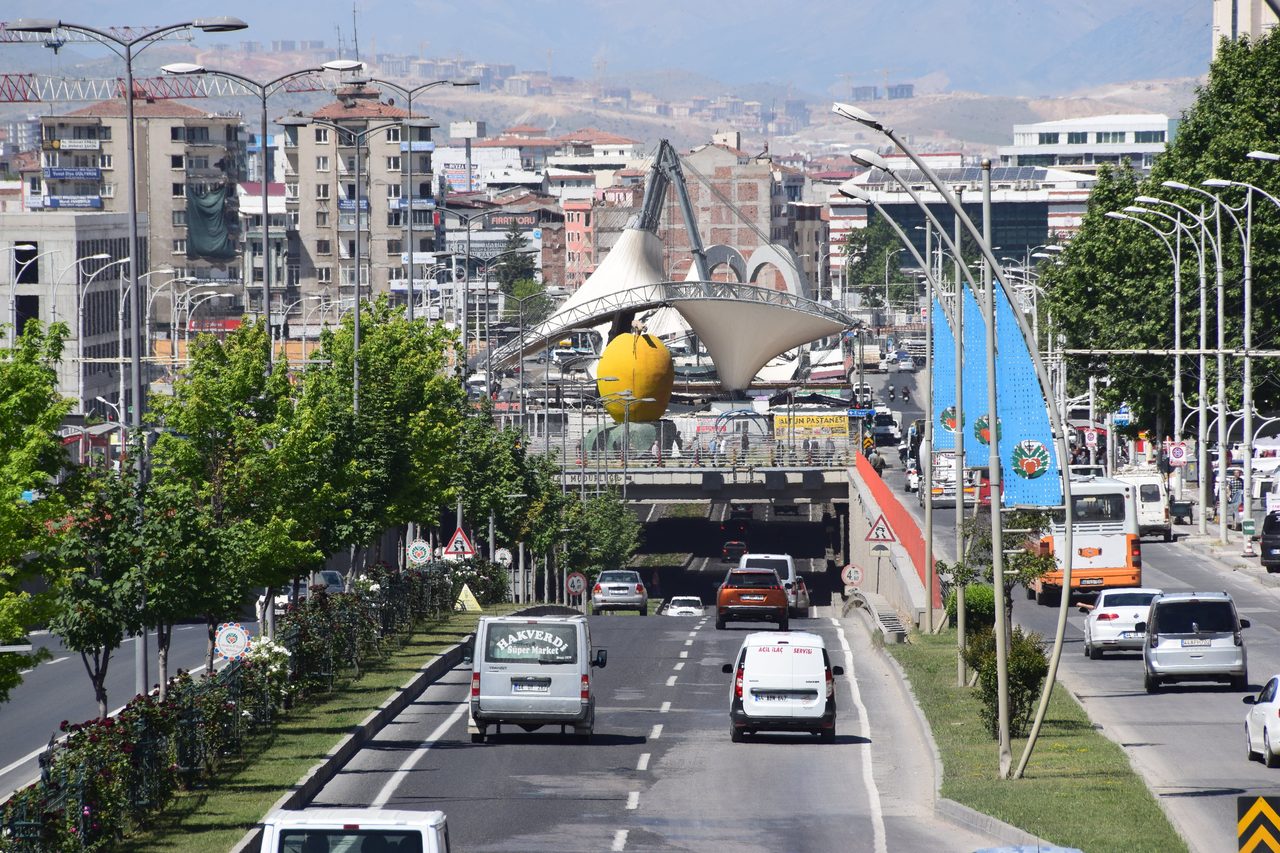
Malatya is a province in eastern Turkey renowned as the world's leading producer of apricots, set on a high plateau at the foot of the Taurus and Anti-Taurus mountains. The city combines a rich Assyrian, Hittite, and Ottoman heritage with the archaeological wonder of Arslantepe Mound — a UNESCO World Heritage Site — and serves as a gateway to the dramatic Euphrates canyon at Karakaya Lake and Mount Nemrut.
Malatya sits on a fertile plateau in eastern Anatolia at around 900 m elevation, flanked by the Taurus Mountains to the south and the Anti-Taurus range to the north. The city is globally famous as the source of over 40 % of the world's dried apricots — the golden kayısı — harvested each July and sold in markets throughout the city. Its history stretches back to the Hittite empire: the Arslantepe Mound on the city's eastern edge yielded palace archives, ceremonial weapons, and murals dating to 3300 BC and earned UNESCO World Heritage status in 2021. In the city itself, the Malatya Museum holds outstanding Hittite, Urartian, and Roman artefacts; the old bazaar district preserves 19th-century hans and caravanserais; and the city's distinctive copper-craft tradition continues in dedicated workshops. Beyond the city, the province extends to the dramatic Karakaya Dam reservoir on the Euphrates — one of Turkey's largest artificial lakes — and to the sacred summit of Mount Nemrut (2,150 m), where 1st-century BC Commagene king Antiochus I erected colossal stone heads that are among the most visited archaeological sites in the Middle East. The climate is continental with cold winters and warm summers; spring and autumn are the most comfortable seasons.
The 21 destinations our editors recommend — from iconic landmarks to under-the-radar finds.
Arslantepe Mound (UNESCO World Heritage Site)
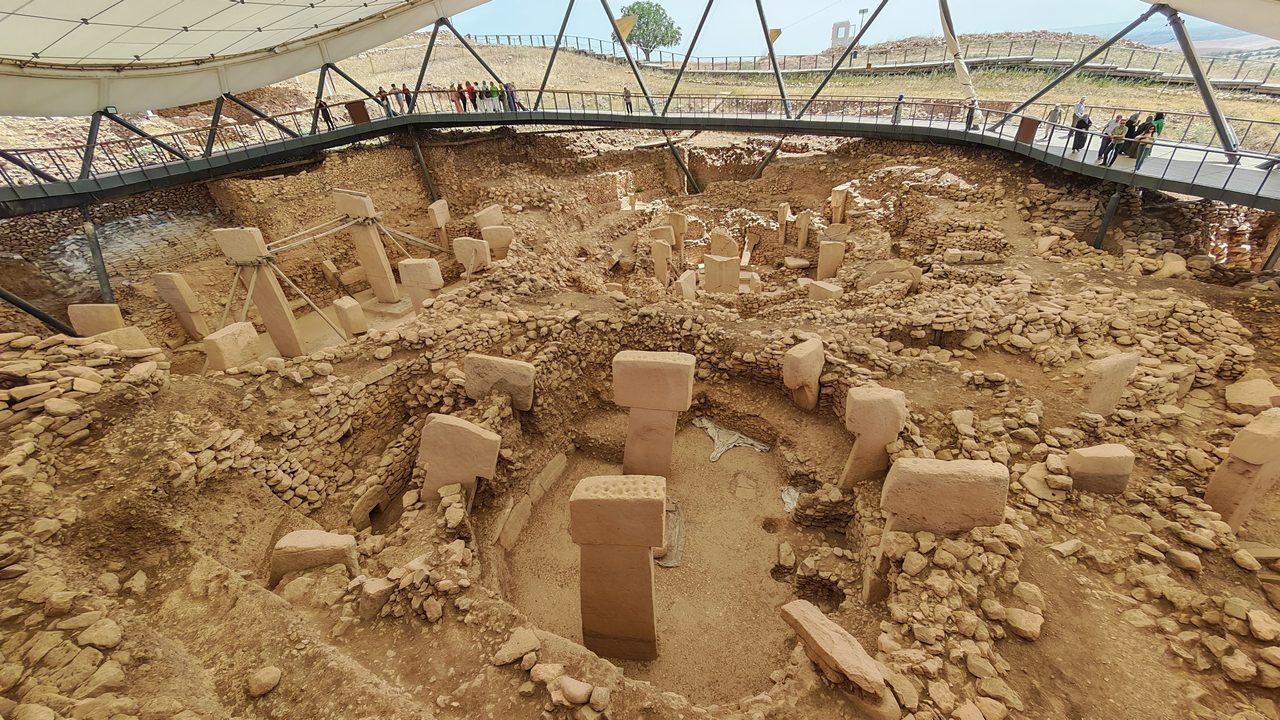
Arslantepe is a low mound near Malatya where excavations by an Italian archaeological team uncovered one of the earliest known palace complexes and evidence of early state formation in the Near East, dating back roughly 5,000 years. The site includes the remains of monumental mudbrick buildings and a burial associated with a set of early arsenical-bronze swords and spearheads, among the oldest metal weapons found anywhere. Walking the site today means following raised walkways over excavated trenches and building foundations rather than seeing reconstructed structures.
Malatya Museum (Malatya Müzesi)
This is the main archaeological and ethnographic museum for the province, holding artifacts recovered from regional excavations including Arslantepe, alongside Roman, Byzantine and later Ottoman-period pieces. The collection traces the area's long occupation history from prehistoric farming settlements through classical antiquity to more recent local craft and costume displays. It gives useful context before or after visiting Arslantepe itself, since many of the finds from that mound are housed here rather than left on site.
Battalgazi (Old Malatya) Historic District
Battalgazi occupies the site of the older city of Malatya, abandoned in favor of the modern center after earthquake damage and relocation in the Ottoman period, leaving behind city walls, mosques and a caravanserai within a still-inhabited town. Walking its streets means passing between surviving medieval and Ottoman structures that are still part of daily village life rather than fenced-off ruins. The district takes its name from Battal Gazi, a warrior figure from early Islamic-Byzantine border conflicts associated with the region.
Karakaya Dam and Reservoir
Karakaya is a large hydroelectric dam on the Euphrates River, built in the 1980s as part of Turkey's wider Southeastern Anatolia energy development, and its reservoir has flooded a long stretch of the river valley into a lake used for boat trips and fishing. The dam wall itself is a working power facility rather than a tourist site, so most visitors come for the reservoir views and the water rather than the structure. It sits some distance from central Malatya, making it more of a half-day excursion than a quick stop.
Malatya Grand Bazaar (Kapalı Çarşı)
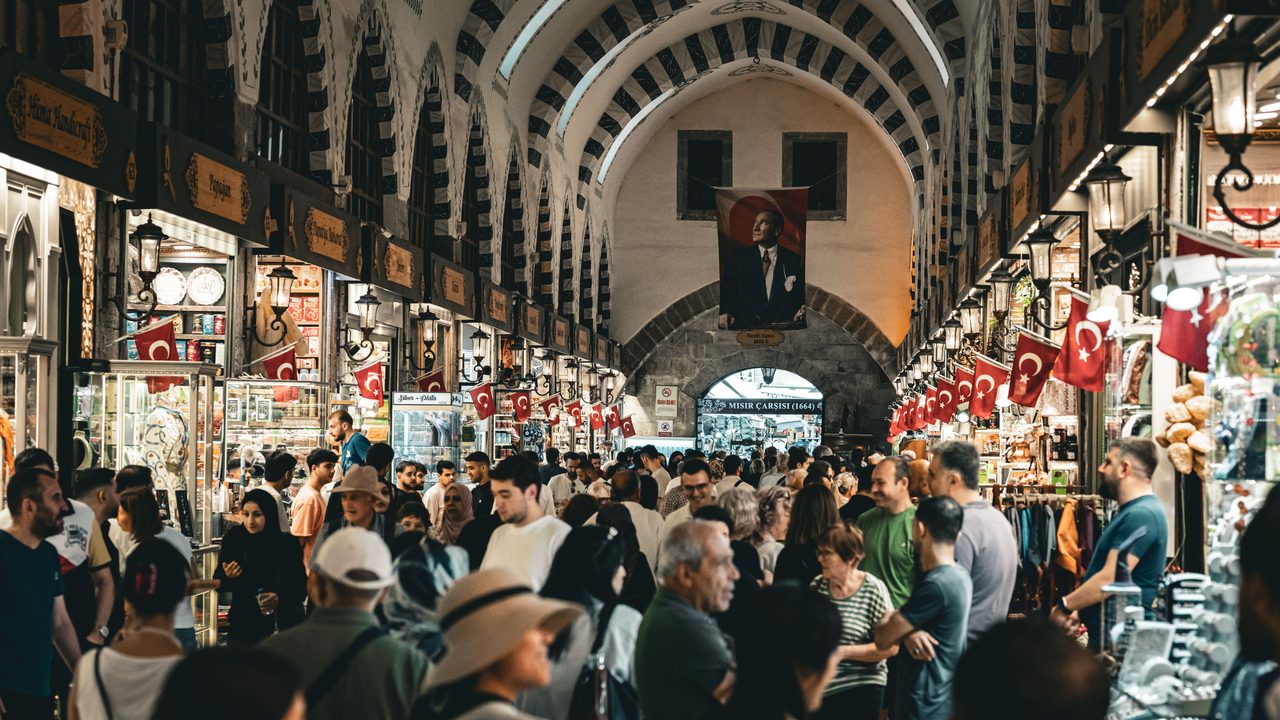
Malatya's covered bazaar is a working commercial market rather than a curated tourist souk, and its most distinctive offering reflects the region's identity as the world's largest producer of dried apricots. Stalls selling dried and stuffed apricots sit alongside general clothing, hardware and food vendors, so the experience is closer to shopping where residents actually shop than browsing a purpose-built craft market. It's a place to buy apricots, nuts and other local dried produce rather than antiques or souvenirs.
Darende Somuncu Baba Canyon and Shrine
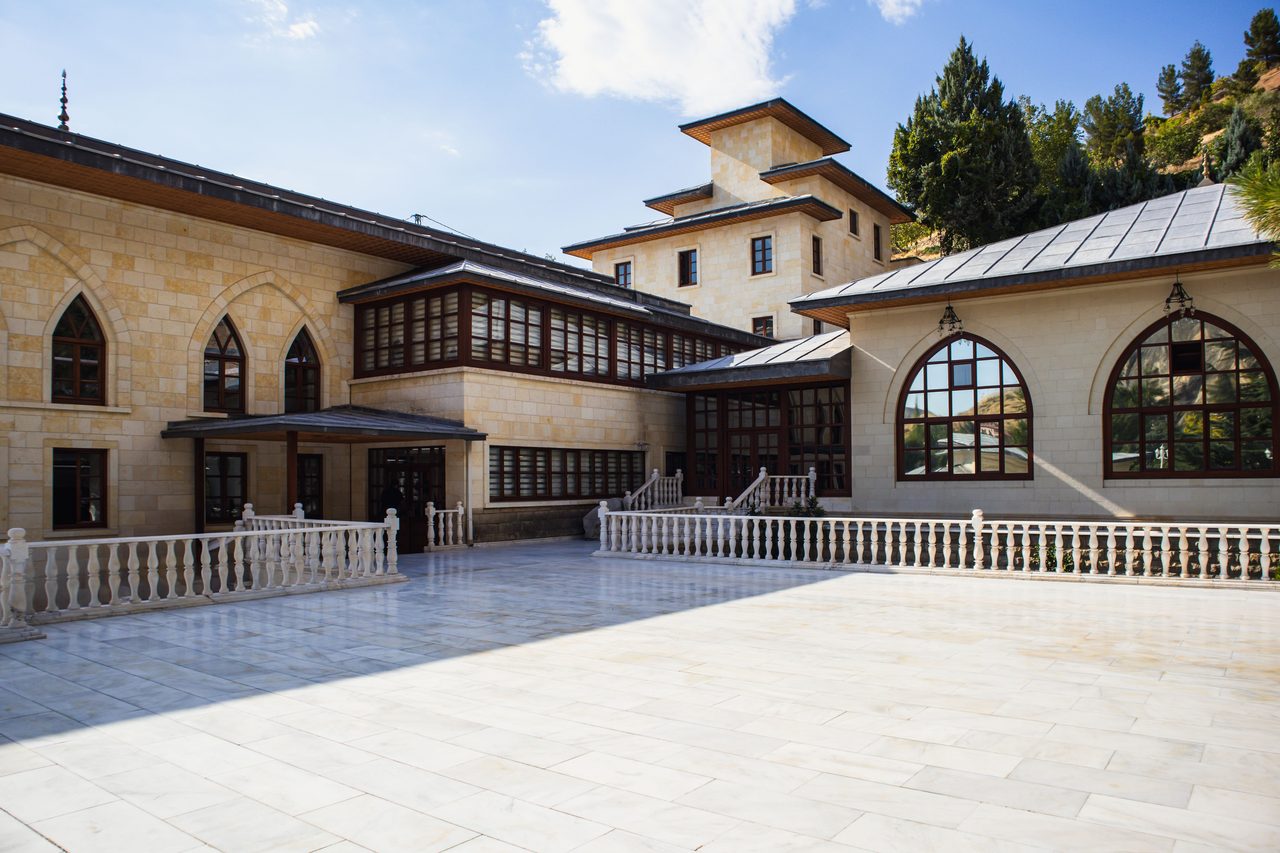
This site in the Darende district combines a river canyon with the shrine (türbe) of Somuncu Baba, a 14th-15th century religious figure and teacher whose complex has grown into a pilgrimage and visitation site drawing religious tourists from across Turkey. The tomb complex sits within a landscaped area at the mouth of the canyon, so a visit typically covers both the religious buildings and a walk along the gorge itself. It functions as much as a place of quiet religious visitation as a scenic stop.
Recommended itineraries
Pick a length, follow the route. Each itinerary balances headline sights with breathing room.
5-Day Malatya Explorer
Day 1Arrive in Malatya, explore city center
Day 2Visit top attractions and museums
Day 3Day trip to nearby highlights
Day 4Local markets and hidden gems
Day 5Final sightseeing, departure
7-Day Classic Malatya
Days 1-2Malatya city highlights
Days 3-4Regional exploration
Days 5-6Cultural immersion and local experiences
Day 7Return and departure
14-Day Ultimate Malatya
Days 1-3Malatya comprehensive city tour
Days 4-6Northern region exploration
Days 7-9Eastern highlights
Days 10-12Southern attractions
Days 13-14Return to Malatya, departure
Where to stay in Malatya
Three tiers, every traveller covered — from cost-conscious to flagship hotels.
Budget ₺850–₺1,570/day (~$24–$44)
Hostels, budget hotels, and guesthouses offer affordable stays without sacrificing experience.
Mid-range ₺1,950–₺3,800/day (~$55–$106)
Boutique hotels and well-located accommodations provide comfort and convenience at reasonable prices.
Luxury ₺4,300–₺10,000/day (~$120–$280)
World-class resorts and premium hotels deliver unforgettable experiences.
Ramada by Wyndham Malatya
Malatya City Centre · ₺2,500–₺3,500/night (~$70–$98)
Getting around Malatya city relies on municipal buses (₺6/~$0.17 flat fare; exact change or city card), dolmuş minibuses (₺8–₺12/~$0.22–$0.34 depending on route), and taxis. For provincial day trips — Arslantepe (5 km), Battalgazi (12 km), Karakaya Dam (45 km), Darende (90 km) — a rental car gives the most flexibility. Intercity bus is the preferred mode for longer-distance travel.
Budget breakdown
Daily spend by tier in TRY, broken out by category.
Category
Budget
Mid-range
Luxury
Accommodation
₺600–₺900/night (~$17–$25) — hostels or budget hotels
₺1,200–₺2,000/night (~$34–$56)
₺2,500–₺5,000/night (~$70–$140)
Food (per day)
₺150–₺350/day (~$4–$10) — lokantas, market produce
₺400–₺800/day (~$11–$22)
₺800–₺2,000/day (~$22–$56)
Transportation
₺50–₺120/day (~$1.40–$3.40) — buses and dolmuş
₺150–₺400/day (~$4–$11) — occasional taxi or rental car
₺500–₺1,500/day (~$14–$42) — private transfers
Activities
₺50–₺200/day (~$1.40–$5.60) — most sites are very cheap
₺200–₺600/day (~$6–$17)
₺500–₺1,500/day (~$14–$42)
Daily total
₺850–₺1,570/day (~$24–$44)
₺1,950–₺3,800/day (~$55–$106)
₺4,300–₺10,000/day (~$120–$280)
Best time to visit Malatya
Weather through the year in Turkey
Best timeShoulderWorth avoiding
Average daytime temperature in °C. Figures are for Turkey.
Spring brings the orchard blossom season and mild walking weather. Late July sees the Kayısı Festivali (Apricot Festival) — busy but unique. Autumn offers comfortable temperatures and the grape harvest in Arapgir.
Essential travel tips
Buy fresh or dried apricots directly from the Meyve Hali (fruit wholesale market) near the city centre for the best prices
The Arslantepe site is 5 km east of city centre; take a taxi (₺60–₺80/~$1.70–$2.25) or city bus 21
For Mount Nemrut, minibus tours depart daily in summer from Kahta (2 h south), not from Malatya
The Malatya Apricot Festival (Kayısı Festivali) is held each year in late July — accommodation books up fast
Most museum captions are in Turkish only; download the Google Translate app for camera translation
Hidden gems
Off-the-beaten-path corners most travellers miss.
Darende Somuncu Baba Canyon
A narrow limestone gorge with a sacred dervish lodge, waterfalls, and a turquoise river pool, 90 km west of Malatya city.
Malatya Apricot Orchards (Kayısı Bahçeleri)
In July, the orchards around Doğanşehir and Arapgir fill with golden apricots; farmers allow visitors to pick and taste fruit at the source.
Tohma Canyon
A dramatic canyon carved by the Tohma River south of Darende, accessible by walking trail and kayak, rarely visited by tourists.
Safety information
INFO
Carry a photocopy of your passport and visa separate from the originals
INFO
Save the local police number (155) and your country's embassy number in your phone before arrival
INFO
Use BiTaksi app for taxi booking to ensure metered pricing
INFO
Keep small denomination banknotes for bazaar purchases; ₺50 and ₺100 notes are most useful
INFO
Avoid leaving valuables visible in parked rental cars
Frequently asked questions
Is Malatya safe to visit in 2026?
Malatya is among the safer cities in eastern Turkey. Crime targeting visitors is rare; the main risks are petty theft in crowded bazaars and unmetered taxi overcharging. The city is culturally conservative; respectful dress and behaviour are advisable. Monitor national travel advisories for eastern
What is the best time to visit Malatya?
The best time to visit Malatya is April–June and September–October. Malatya has a semi-arid continental climate at approximately 900 m elevation. Summers are hot and dry (July–August average high 34–36 °C / 93–97 °F) while winters are cold with regular snowfall (Janua
Do I need a visa to visit Malatya?
Entry requirements follow Turkey's national rules. Many nationalities can enter visa-free for up to 90 days; others must obtain an e-Visa at evisa.gov.tr before travelling. Confirm individual requirements before departure. Requirements vary by nationality, so check with your nearest embassy or the official immigration website before traveling.
What currency is used in Malatya?
The currency in Malatya is the Turkish Lira (TRY). ATMs are widely available in cities and tourist areas. Credit cards are accepted at most hotels and restaurants, but carry cash for markets and smaller establishments.
What language is spoken in Malatya?
The main language(s) spoken in Malatya: Turkish, Kurdish (spoken in rural areas). In tourist areas, English is generally understood. Learning a few basic phrases in the local language is appreciated by locals.
What are the top attractions in Malatya?
The top attractions in Malatya include Arslantepe Mound (UNESCO World Heritage Site), Malatya Museum (Malatya Müzesi), Battalgazi (Old Malatya) Historic District, Karakaya Dam and Reservoir, and Malatya Grand Bazaar (Kapalı Çarşı). Each offers a unique experience, from historic landmarks to natural wonders.