World · 21 Places · Best April–June and September–October
Şırnak
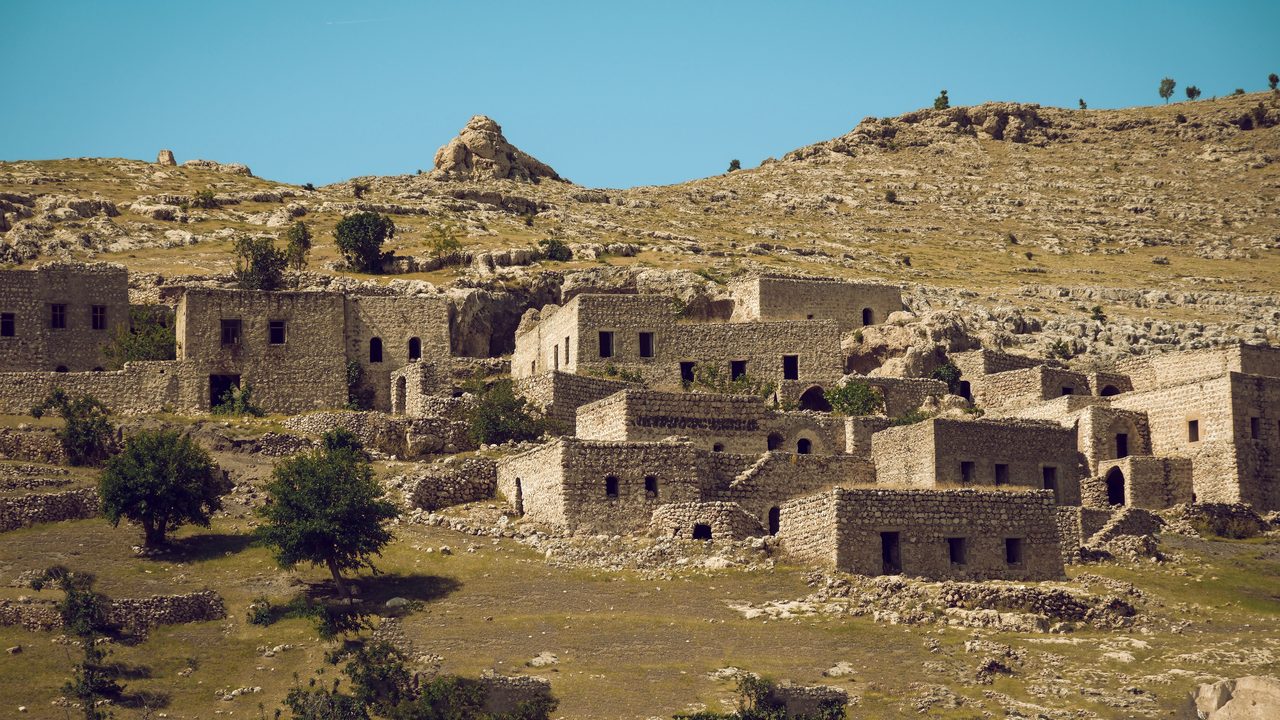
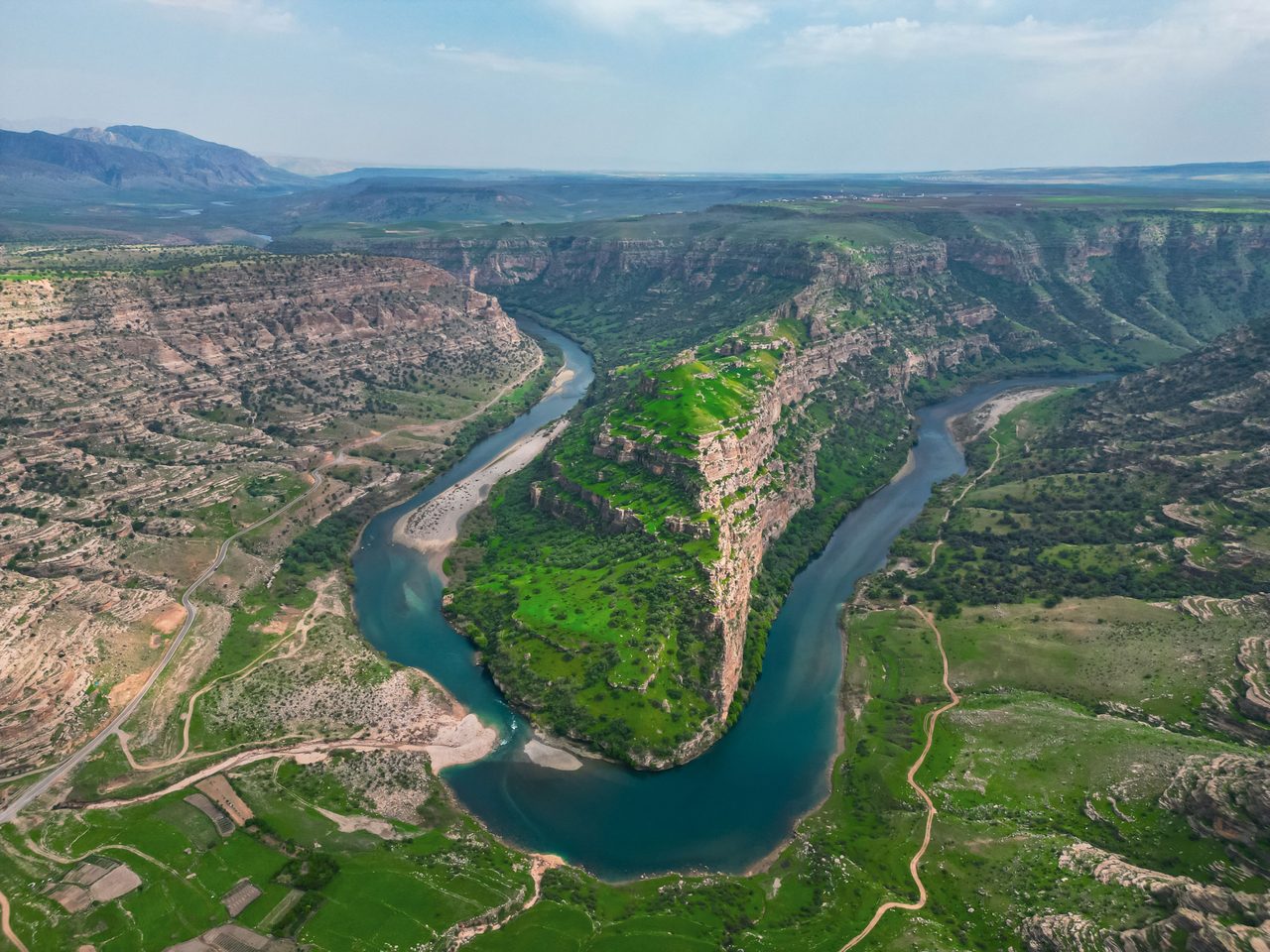
Şırnak is a southeastern Turkish province bordering Iraq and Syria, defined by dramatic mountain terrain, the upper Tigris River valley, and deep Kurdish cultural heritage. The provincial capital sits at roughly 1,350 m elevation in the Zagros foothills, while the commercial hub of Cizre straddles the Tigris near the Iraqi border. Visitors encounter ancient Assyrian church ruins, medieval Ottoman bridges, and raw mountain landscapes that see relatively few foreign travelers.
Şırnak province occupies the far southeastern corner of Turkey, where the Tigris River carves through limestone gorges before entering Iraq. The landscape ranges from the rocky high plateaus around Uludere and Beytüşşebap to the flat Cizre plain at only 380 m elevation. The province is predominantly Kurdish-speaking, and traditional culture—music, hospitality, and cuisine—remains strong. Infrastructure has improved substantially since the mid-2010s; new highways connect the region to Mardin and Diyarbakır. Travelers interested in off-the-beaten-path experiences, ancient history, and authentic local life will find Şırnak rewarding, though they should stay abreast of current travel advisories before visiting.
The 21 destinations our editors recommend — from iconic landmarks to under-the-radar finds.
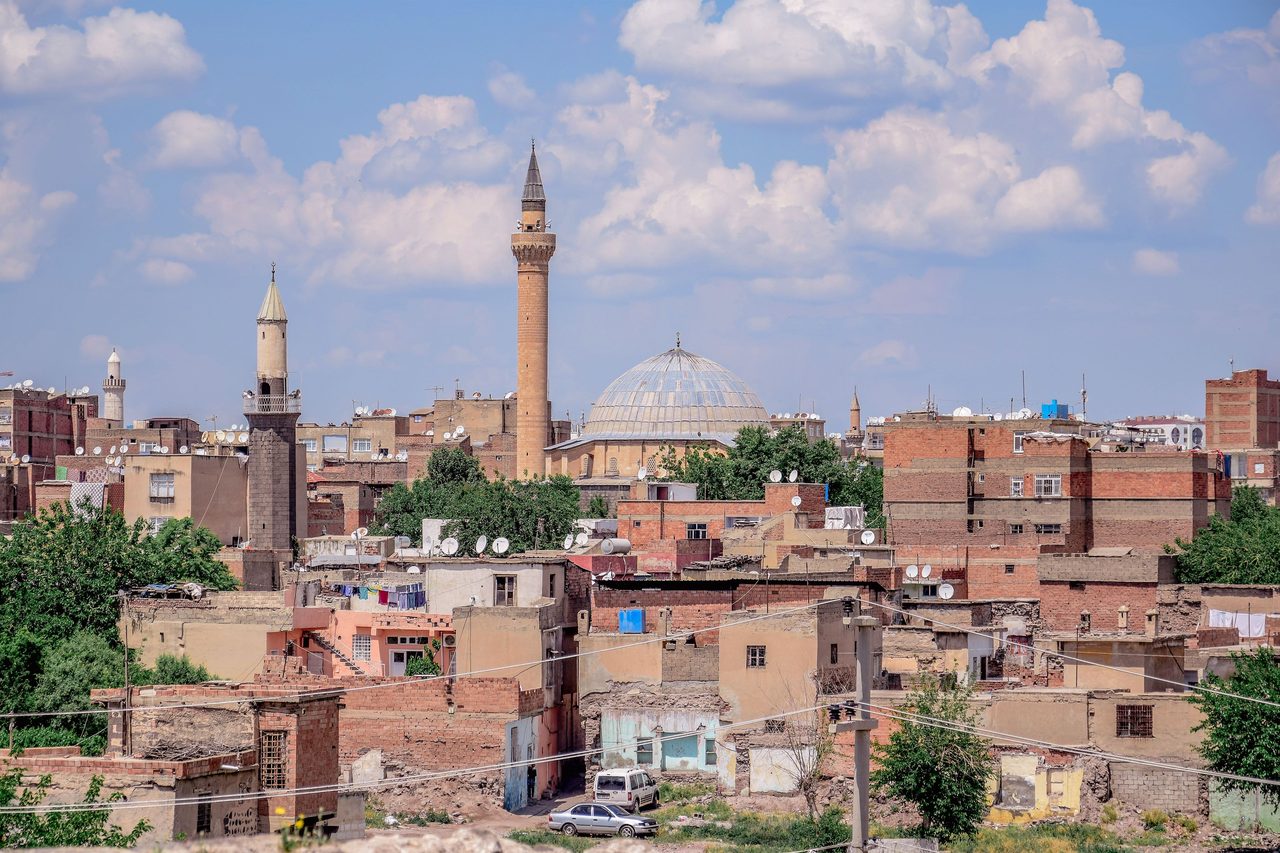
Cizre Ulu Camii (Grand Mosque)
A mosque dating to the 12th century under the Artuqid dynasty, making it one of the oldest surviving religious structures in the Tigris basin. It is best known for its cylindrical brick minaret, decorated with the geometric brickwork typical of Seljuk-Artuqid builders, which sets it apart from the square minarets more common further west in Turkey. The stone prayer hall has survived despite Cizre's turbulent modern history.
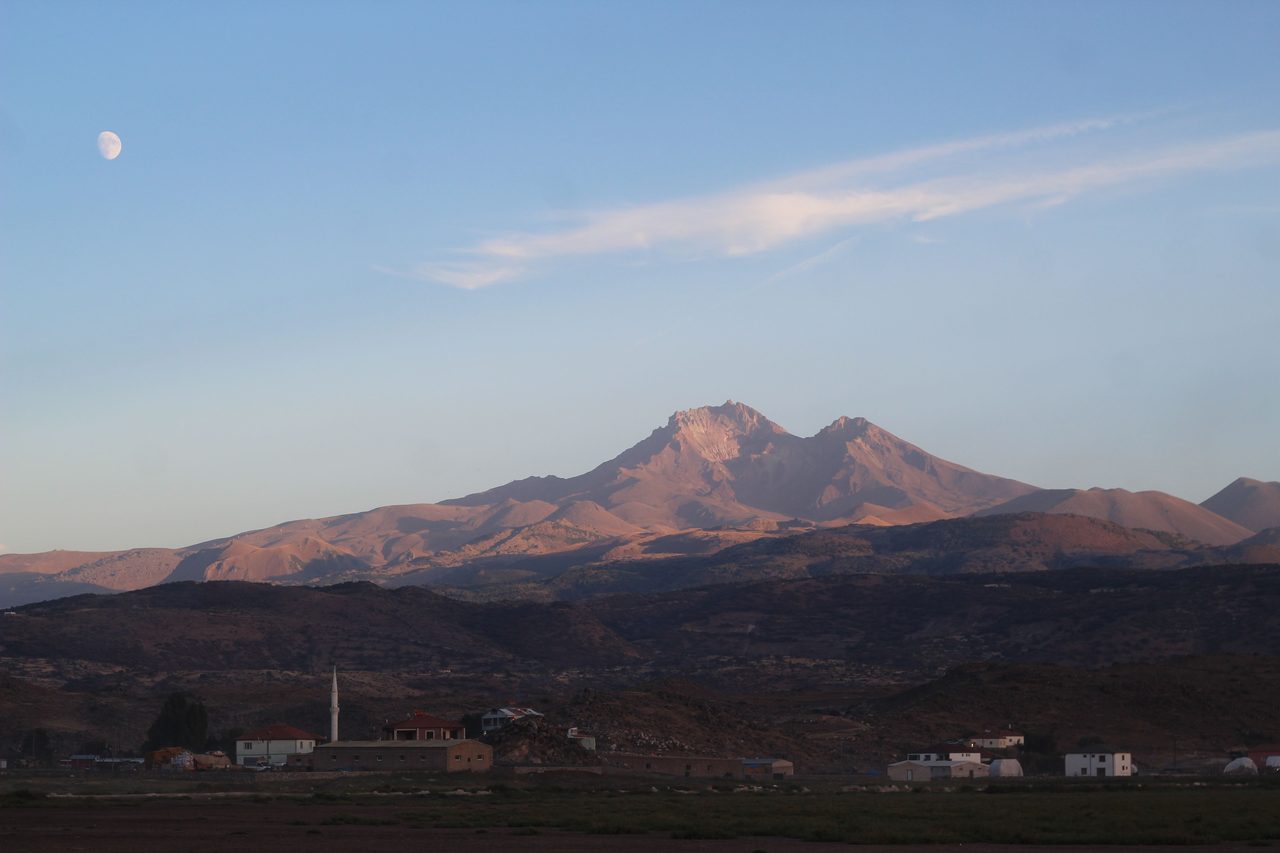
Cudi Dağı (Mount Cudi)
A mountain rising above Cizre and the Tigris valley near the Iraqi border, identified in some local and Islamic traditions as the resting place of Noah's Ark, offered as an alternative to the Mount Ararat account. Its slopes have long been used for grazing, and in recent decades the mountain has also seen periods of military activity connected to the PKK conflict, which has affected access.
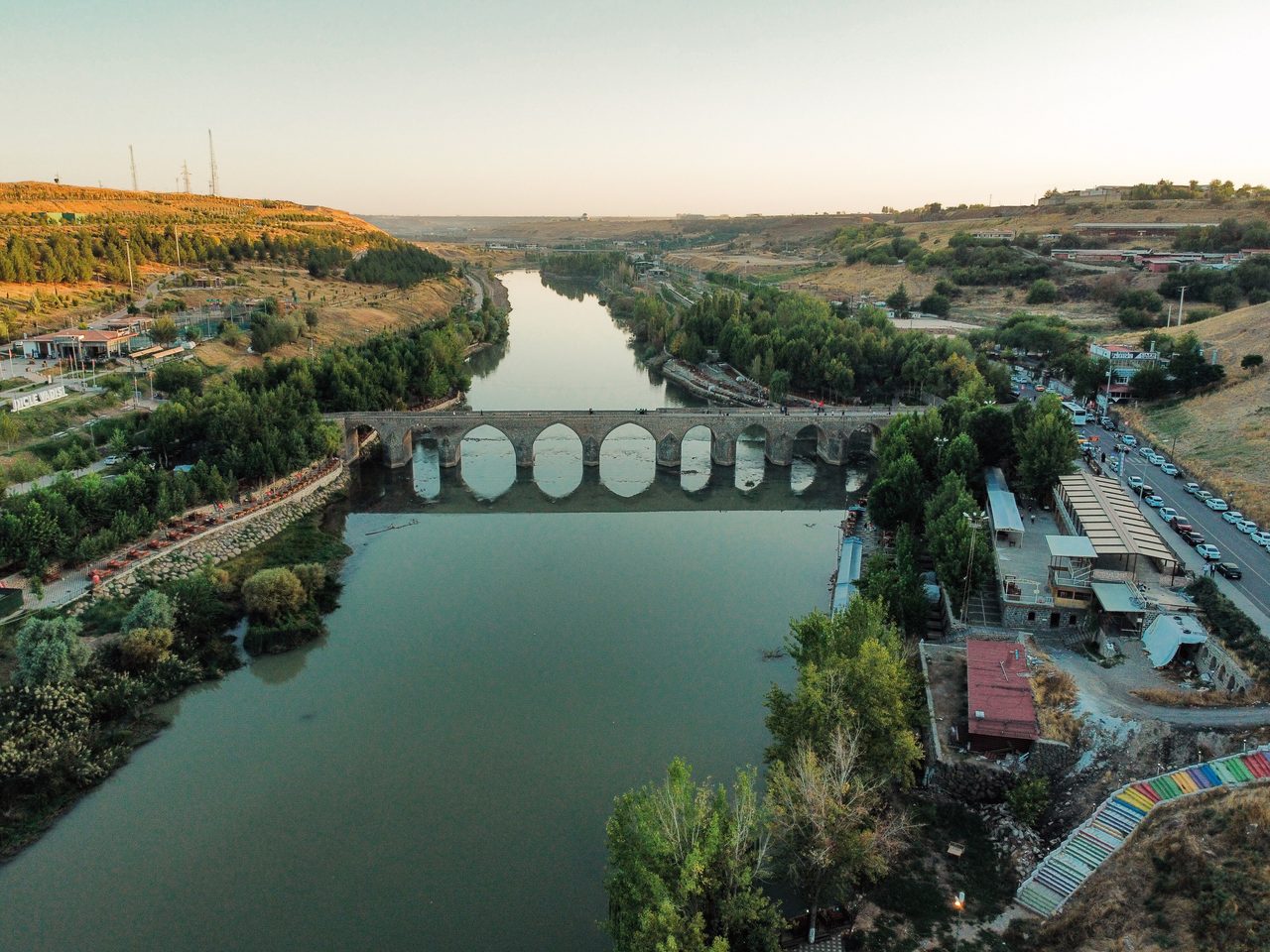
Dicle (Tigris) River Promenade, Cizre
Beytüşşebap Canyon
Gabar Dağı (Mount Gabar)
A rugged, forested mountain range in Silopi district close to the Iraqi border, historically significant as strategic high ground during the long conflict between Turkish security forces and the PKK. The area has also attracted oil and gas exploration interest, and it stands as one of the more prominent natural landmarks visible across the surrounding lowlands of the province.
Cizre Old Bazaar (Kapalı Çarşı)
Recommended itineraries
Pick a length, follow the route. Each itinerary balances headline sights with breathing room.
5-Day Şırnak Explorer
Day 1Arrive in Şırnak, explore city center
Day 2Visit top attractions and museums
Day 3Day trip to nearby highlights
Day 4Local markets and hidden gems
Day 5Final sightseeing, departure
7-Day Classic Şırnak
Days 1-2Şırnak city highlights
Days 3-4Regional exploration
Days 5-6Cultural immersion and local experiences
Day 7Return and departure
14-Day Ultimate Şırnak
Days 1-3Şırnak comprehensive city tour
Days 4-6Northern region exploration
Days 7-9Eastern highlights
Days 10-12Southern attractions
Days 13-14Return to Şırnak, departure
Where to stay in Şırnak
Three tiers, every traveller covered — from cost-conscious to flagship hotels.
Budget TRY 530–1,100/day (~USD 15–32)
Hostels, budget hotels, and guesthouses offer affordable stays without sacrificing experience.
Mid-range TRY 1,100–2,550/day (~USD 32–75)
Boutique hotels and well-located accommodations provide comfort and convenience at reasonable prices.
Luxury TRY 2,550–5,500/day (~USD 75–162)
World-class resorts and premium hotels deliver unforgettable experiences.
Cizre Otel Tigris
Cizre city centre · TRY 700–1,200/night (~USD 20–35)
Şırnak province is served by minibuses (dolmuş), intercity coaches, and private taxis. There is no railway. The nearest airport with scheduled commercial services is Şırnak Şerafettin Elçi Airport (NKT), approximately 20 km from Şırnak city centre, with daily Turkish Airlines flights to Istanbul.
Budget breakdown
Daily spend by tier in TRY (Turkish Lira); approximate USD conversions at 1 USD ≈ TRY 34, broken out by category.
Category
Budget
Mid-range
Luxury
Accommodation
TRY 400–700/night (~USD 12–20)
TRY 700–1,500/night (~USD 20–44)
TRY 1,500–3,000/night (~USD 44–88)
Food (per day)
TRY 80–150/day (~USD 2–4)
TRY 150–350/day (~USD 4–10)
TRY 350–700/day (~USD 10–21)
Transportation
TRY 50–150/day (~USD 1.50–4)
TRY 150–400/day (~USD 4–12)
TRY 400–1,000/day (~USD 12–29)
Activities
TRY 0–100/day (~USD 0–3)
TRY 100–300/day (~USD 3–9)
TRY 300–800/day (~USD 9–24)
Daily total
TRY 530–1,100/day (~USD 15–32)
TRY 1,100–2,550/day (~USD 32–75)
TRY 2,550–5,500/day (~USD 75–162)
Best time to visit Şırnak
Weather through the year in Turkey
Best timeShoulderWorth avoiding
Average daytime temperature in °C. Figures are for Turkey.
Spring brings wildflowers on the mountain slopes. Autumn has crisp air and harvest season in villages.
Essential travel tips
The local language in most villages is Kurmanji Kurdish; Turkish is spoken in towns and by younger generations.
Hospitality is deeply valued; locals frequently invite travelers for tea—accepting is culturally appreciated.
Cash is essential outside of city centres; ATMs are available in Şırnak, Cizre, Silopi, and İdil.
Newroz (March 21) is the biggest local festival; streets fill with color and music.
Internet connectivity is better in lowland towns; mountain villages may have patchy coverage.
Hidden gems
Off-the-beaten-path corners most travellers miss.
Dağkent Ridge Panorama, Şırnak
The ridge road northwest of Şırnak city (above Dağkent Mahallesi) offers a 360° panorama over the plateau at sunrise that no guidebook lists. Accessible by short drive up Dağkent Mahallesi road.
Northwest ridge, Şırnak city
Roboski Waterfall, Uludere
A seasonal waterfall near Roboski village in Uludere district; highest flow in May–June when snowmelt feeds the stream. Almost never visited by outsiders.
Uludere district (8 km dirt track from Uludere town)
İdil Vineyard Villages (Harvest Season)
During August–September, İdil district's grape-growing villages are alive with harvest activity. Families process grapes into pekmez (molasses) and welcome visitors warmly.
İdil district (50 km from Cizre; dolmuş TRY 40–60)
Güçlükonak Lake Shore (Spring Migration)
In April–May, migratory birds rest on Güçlükonak lake; the wetland is spectacular and virtually unknown to tourism. Bring binoculars.
Güçlükonak district (30 km from Şırnak city)
Safety information
INFO
Register with your country's embassy in Ankara before visiting: British Embassy +90 312 455 3344; US Embassy +90 312 455 5555.
INFO
Carry your passport at all times; police checkpoints are common on main roads.
INFO
Use only registered taxis or ask hotel staff to arrange transport.
INFO
Do not photograph military installations, checkpoints, or uniformed personnel.
INFO
Keep a charged phone with local SIM (Turkcell or Vodafone available in Cizre and Şırnak city).
Frequently asked questions
Is Şırnak safe to visit in 2026?
Şırnak province requires heightened awareness due to its location near the Iraqi and Syrian borders and its history of periodic security incidents. Urban centres (Şırnak city, Cizre, Silopi, İdil) are generally accessible but travelers should monitor official government advisories in real time and a
What is the best time to visit Şırnak?
The best time to visit Şırnak is April–June and September–October. Şırnak province has a semi-arid continental climate with extreme contrasts between seasons. Cizre and Silopi in the Tigris lowlands (380–500 m elevation) experience scorching summers with temperatures
What currency is used in Şırnak?
The currency in Şırnak is the Turkish Lira (TRY). ATMs are widely available in cities and tourist areas. Credit cards are accepted at most hotels and restaurants, but carry cash for markets and smaller establishments.
What language is spoken in Şırnak?
The main language(s) spoken in Şırnak: Turkish, Kurdish (Kurmanji). In tourist areas, English is generally understood. Learning a few basic phrases in the local language is appreciated by locals.
What are the top attractions in Şırnak?
The top attractions in Şırnak include Cizre Ulu Camii (Grand Mosque), Cudi Dağı (Mount Cudi), Dicle (Tigris) River Promenade, Cizre, Beytüşşebap Canyon, and Gabar Dağı (Mount Gabar). Each offers a unique experience, from historic landmarks to natural wonders.