Wales is a Celtic nation of the United Kingdom renowned for its dramatic landscapes, medieval castles, and vibrant culture. From the soaring peaks of Snowdonia to the rugged Pembrokeshire coastline and the charming capital city of Cardiff, Wales offers extraordinary diversity in a compact area. Welsh language, music, and traditions remain alive and celebrated, giving the country a distinct identity that sets it apart from its neighbours.
Wales combines wild natural beauty with a rich Celtic heritage that has endured for over a thousand years. Cardiff, the youthful capital, houses the Welsh Government, an impressive castle, and a thriving arts and restaurant scene. North Wales is dominated by Snowdonia National Park, home to Snowdon (the highest peak in England and Wales at 1,085m) and a string of imposing Edwardian castles. West Wales offers the Pembrokeshire Coast National Park, the only truly coastal national park in the UK, with award-winning beaches, dramatic sea cliffs, and abundant wildlife. Mid Wales is a haven of quiet rolling hills, market towns, and dark-sky reserves. The Brecon Beacons in the south rise above the valleys where the story of Welsh coal and iron shaped the modern world.
The 20 destinations our editors recommend — from iconic landmarks to under-the-radar finds.
Snowdon (Yr Wyddfa)
Snowdon is the highest peak in Wales, and the six main paths to its summit range from the gentle Llanberis Path to the exposed scramble of Crib Goch. On a clear day the summit gives views across Eryri (Snowdonia) toward Anglesey and, in good visibility, as far as Ireland and England. Most visitors either walk up on foot or take the rack-and-pinion Snowdon Mountain Railway from Llanberis, which climbs the same route the walking path follows.
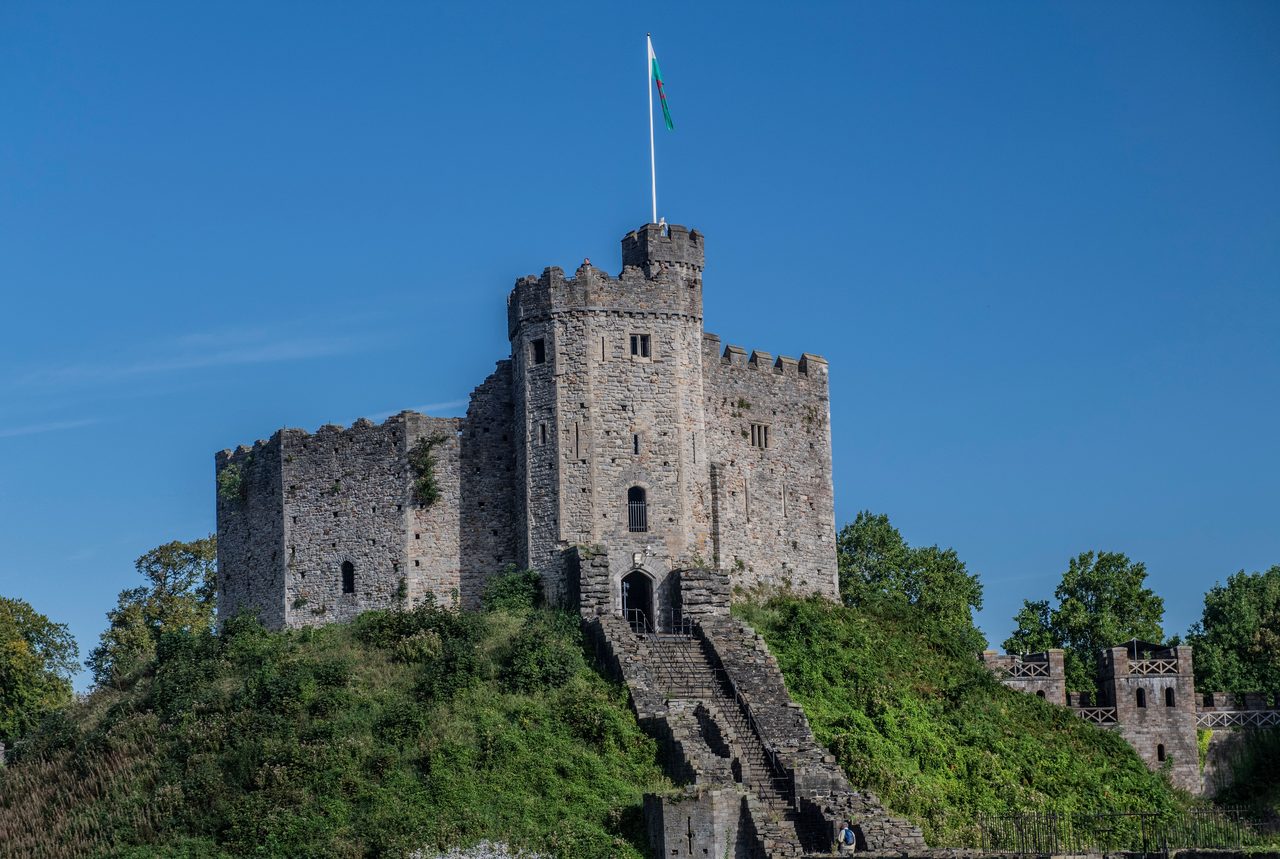
Cardiff Castle
Cardiff Castle layers a Roman fort wall, a Norman motte-and-bailey keep, and a Victorian Gothic mansion on the same site in the middle of the capital. The interiors the Bute family commissioned from architect William Burges in the 19th century are the reason to go inside: rooms covered in gilding, murals and carved animals rather than typical bare stone castle halls. The wartime tunnels beneath the walls, used as air-raid shelters, add a very different World War Two layer to the same walls.
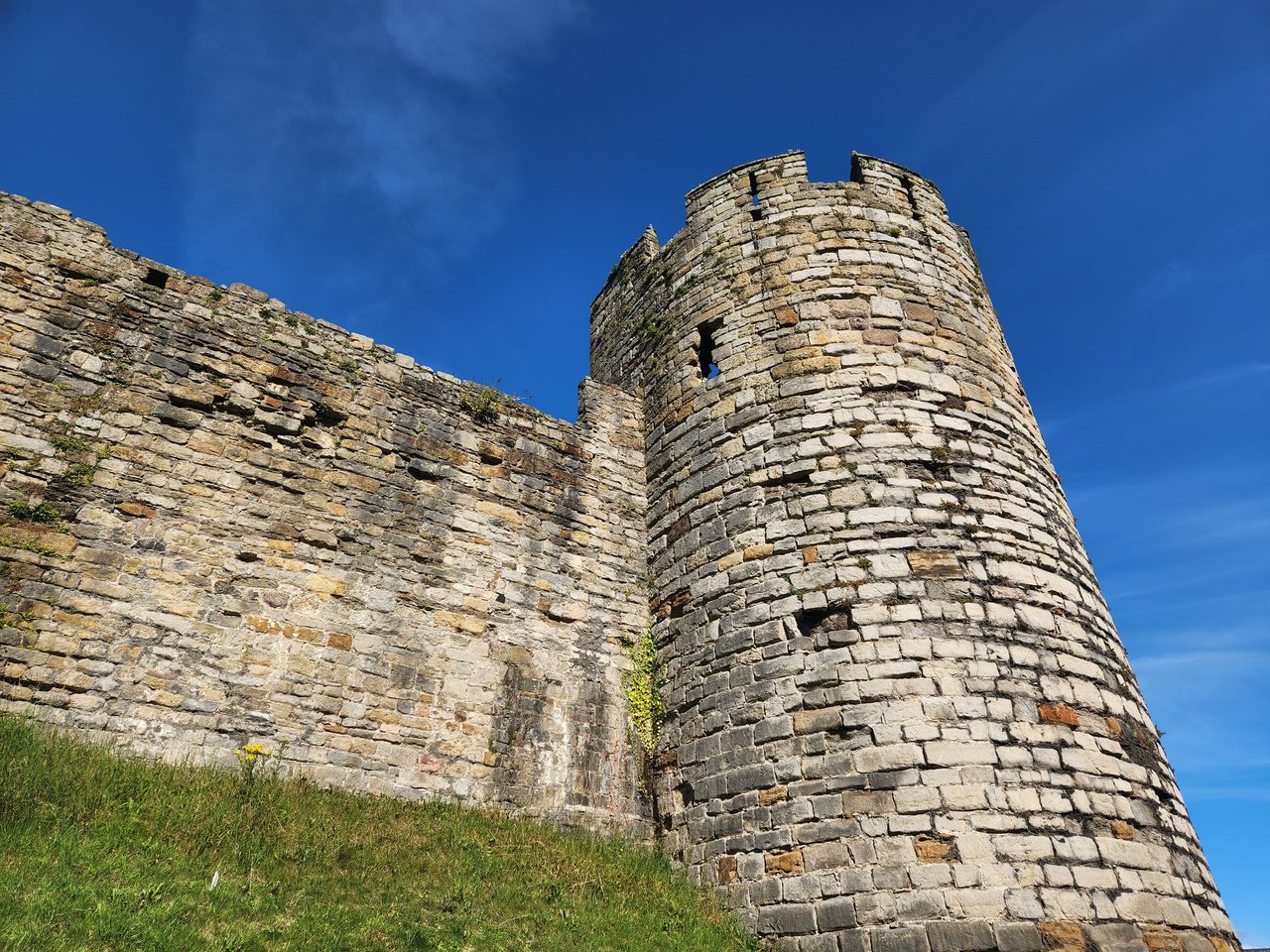
Caernarfon Castle
Built by Edward I from 1283 as the administrative seat of his conquest of north Wales, Caernarfon Castle was designed to project imperial authority, with polygonal towers and banded stonework deliberately echoing the walls of Constantinople. It is one of the best-preserved of Edward's Welsh castles and is where the investiture of the Prince of Wales has twice taken place, including Charles's in 1969. Visitors can climb several of the towers and walk long stretches of the connected town walls.
Pembrokeshire Coast National Park
Pembrokeshire Coast is Britain's only national park designated primarily for its coastline rather than mountains or moorland, running along cliffs, beaches and offshore islands in the far southwest of Wales. The Wales Coast Path follows the full length of the park's shoreline, taking in sights like the sea stacks near St Davids and the sheltered beach at Barafundle Bay. St Davids itself, England's and Wales's smallest city, sits within the park around its medieval cathedral.
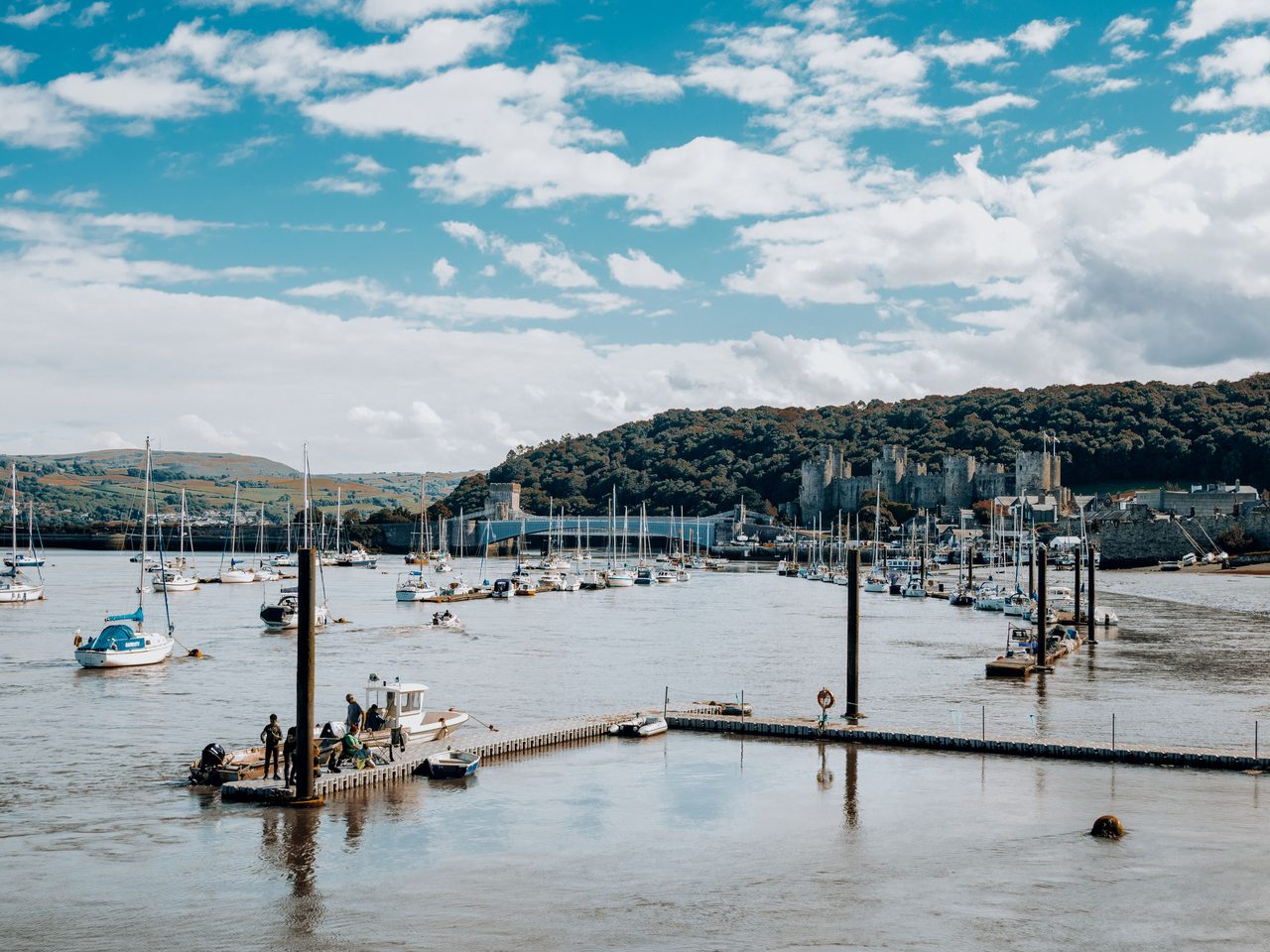
Conwy Castle
Conwy Castle was raised by Edward I in the 1280s alongside the walled town of Conwy, and together castle and town walls form one of the most complete surviving medieval fortified townscapes in Britain. Its eight round towers still stand largely intact, and the battlements can be walked in a near-continuous circuit giving views over the Conwy estuary and the Snowdonia hills behind the town. The castle and town walls are jointly inscribed as a UNESCO World Heritage Site along with Caernarfon, Beaumaris and Harlech.
National Museum Cardiff
National Museum Cardiff combines a natural history and geology collection with an art gallery holding one of the strongest Impressionist collections outside France, built largely from a single early-20th-century bequest by the Davies sisters. Its Evolution of Wales gallery covers the country's geological and natural history from the earliest rocks to the Ice Age, while the art galleries move through Old Masters into Monet, Cezanne, Van Gogh and Welsh artists like Augustus John.
Recommended itineraries
Pick a length, follow the route. Each itinerary balances headline sights with breathing room.
5-Day Wales Explorer
Day 1Arrive in Wales, explore city center
Day 2Visit top attractions and museums
Day 3Day trip to nearby highlights
Day 4Local markets and hidden gems
Day 5Final sightseeing, departure
7-Day Classic Wales
Days 1-2Wales city highlights
Days 3-4Regional exploration
Days 5-6Cultural immersion and local experiences
Day 7Return and departure
14-Day Ultimate Wales
Days 1-3Wales comprehensive city tour
Days 4-6Northern region exploration
Days 7-9Eastern highlights
Days 10-12Southern attractions
Days 13-14Return to Wales, departure
Where to stay in Wales
Three tiers, every traveller covered — from cost-conscious to flagship hotels.
Budget £40–60 (~$51–76)
Hostels, budget hotels, and guesthouses offer affordable stays without sacrificing experience.
Mid-range £100–160 (~$127–203)
Boutique hotels and well-located accommodations provide comfort and convenience at reasonable prices.
Luxury £250–500+ (~$318–635+)
World-class resorts and premium hotels deliver unforgettable experiences.
St David's Hotel & Spa
Cardiff Bay, Cardiff · £££–££££ (£180–£350/night, ~$229–$445)
Cafés, neighbourhood gems, and tasting menus worth the table reservation.
The Walnut Tree
Modern Welsh-Italian · ££££ (£70–£100/person, ~$89–$127)
A long-established country restaurant outside Abergavenny that helped put Welsh fine dining on the map decades before tasting-menu destinations became common in rural Wales. The kitchen pairs Italian technique and ingredients with Welsh produce, so a menu might run from house-cured salumi to game or lamb from the surrounding Monmouthshire farms. The dining room is set in a converted pub building with a relaxed, unfussy feel rather than a formal fine-dining atmosphere.
The Hardwick
Modern British · £££ (£40–£65/person, ~$51–$83)
A gastropub on the outskirts of Abergavenny built around a wood-fired oven and a menu that treats pub classics with restaurant-level technique. Expect generous, ingredient-led plates such as slow-cooked lamb or hand-dived scallops rather than typical bar snacks, served in a converted roadside inn with a relaxed, informal room. It sits within the same Abergavenny food scene as the Walnut Tree but at a more accessible price point and register.
Ynyshir
Modern Welsh Tasting Menu · ££££ (£195–£250/person, ~$248–$318)
A remote restaurant-with-rooms in a former hunting lodge near the Dyfi estuary, built entirely around one long tasting menu with no à la carte option. The cooking leans hard into Welsh larder ingredients — foraged leaves, house-cured and smoked meats, seafood from the nearby coast — assembled into a large number of small, intense courses rather than conventional starters and mains. The dining room is dark, close and deliberately theatrical, more like a late-night set than a typical countryside dining room.
Sosban and the Old Butcher's
Modern Welsh · ££££ (£70–£95/person, ~$89–$121)
A fine-dining restaurant on Anglesey run from a former butcher's shop and adjoining former lifeboat station building in Menai Bridge, built around a set tasting menu of Welsh ingredients. The cooking draws on the Menai Strait's seafood and local lamb, with laverbread and Welsh cheeses used as connecting threads through the courses. The space is small and split across the two linked shopfronts, giving it a tighter, more intimate feel than a typical hotel dining room.
A Spanish delicatessen on Aberystwyth's Pier Street with a restaurant counter and communal tables at the back, serving tapas and pintxos alongside Welsh ingredients from the deli's own shelves. Charcuterie boards mix Iberian cured meats with Welsh cheeses like Perl Wen, reflecting the shop's dual identity as both grocer and eatery. The room is informal and shop-like rather than a conventional restaurant, with produce for sale visible around the dining tables.
Bully's
French · £££ (£35–£55/person, ~$44–$70)
A neighbourhood French bistro in Cardiff's Pontcanna area, serving classic bistro cooking such as duck confit and steak tartare in a compact, close-set dining room. The style is unpretentious French rather than modern-Welsh fusion, aimed at regulars from the surrounding residential streets rather than visiting tourists. Portions and preparations stay close to bistro tradition, with crème brûlée as a fixture on the dessert list.
Wales has a rail network connecting the main towns along the coasts and valleys, with Transport for Wales operating most services. However, large parts of the countryside — including Snowdonia, the Brecon Beacons interior, and most of Pembrokeshire — are only practically accessible by car. TrawsCymru long-distance buses fill some gaps but run infrequently. Cardiff has a reasonable city bus network and is walkable. Driving is on the left.
Budget breakdown
Daily spend by tier in GBP, broken out by category.
Category
Budget
Mid-range
Luxury
Accommodation
£20–35 (~$25–44) hostel dorm or budget B&B
£60–100 (~$76–127) B&B or 3-star hotel
£150–350 (~$191–445) country house hotel
Food (per day)
£10–15 (~$13–19) self-catering plus one pub meal
£25–40 (~$32–51) café lunch and restaurant dinner
£60–120 (~$76–152) fine dining
Transportation
£5–10 (~$6–13) bus or train
£10–20 (~$13–25) rail or car hire share
£30–60 (~$38–76) private hire or train first class
Activities
£5–10 (~$6–13) mix of free and paid
£15–25 (~$19–32) castle entries and guided walks
£30–80 (~$38–102) exclusive experiences
Daily total
£40–60 (~$51–76)
£100–160 (~$127–203)
£250–500+ (~$318–635+)
Best time to visit Wales
Weather through the year in United Kingdom
Best timeShoulderWorth avoiding
Average daytime temperature in °C. Figures are for United Kingdom.
May offers blossom, wildflowers on coastal paths, and quieter attractions. June brings the longest days (sunset after 9:30pm). September sees warmer sea temperatures, fewer visitors, and excellent walking conditions.
Essential travel tips
Pronouncing Welsh place names correctly earns appreciation from locals; 'Llan' sounds like 'Hlan' with a soft H
Contactless payment is accepted almost everywhere; carry some cash for rural farm shops and markets
The Wales Coastal Path (870 miles) is signposted in its entirety around the country
National Museum Wales sites in Cardiff and Swansea are free to enter
Many National Trust and Cadw (Welsh heritage) properties offer combination tickets
Hidden gems
Off-the-beaten-path corners most travellers miss.
Dinas Emrys Hillfort
The legendary hillfort where Merlin supposedly prophesied the red dragon of Wales. A short steep scramble from a layby on the A498 gives extraordinary Snowdonia panoramas — almost entirely absent from tourist itineraries.
Nant Gwynant, Snowdonia (53.0159°N, 4.0578°W)
Cwm Idwal National Nature Reserve
Britain's first National Nature Reserve (1954): a glacial cwm with a dark mountain lake, rare arctic-alpine plants, and dramatic rock scenery — far less crowded than Snowdon yet equally impressive.
Snowdonia, 10km south of Bethesda (53.1213°N, 4.0139°W)
Hay Bluff
Flat-topped hill at 677m with sweeping views over the Wye Valley and Herefordshire — accessible by car to within 300m of the summit via the Gospel Pass road. A dawn viewpoint rarely visited by tourists.
Black Mountains, 5km south of Hay-on-Wye (52.0370°N, 3.1266°W)
Pistyll Rhaeadr
At 73m, the highest single-drop waterfall in Wales and one of the Seven Wonders of Wales. Hidden in a remote Berwyn Mountains valley reached by a single-track road — genuinely spectacular and rarely on tourist routes.
A remote cove with a 14th-century clifftop church above turquoise water where Cardigan Bay's resident bottlenose dolphins can often be spotted from the headland. No commercial facilities — unspoiled National Trust coast.
Cardigan Bay, Ceredigion (52.1453°N, 4.5631°W)
Safety information
INFO
Tell someone where you are going and expected return time before hiking in Snowdonia or the Brecon Beacons
INFO
Download OS Maps (ordnancesurvey.co.uk/app) with offline Wales maps before heading into the hills; signal can be poor
INFO
Check tide timetables at easytide.ukho.gov.uk before visiting tidal beaches and sea caves
INFO
Keep valuables in hotel safes in Cardiff; do not leave items visible in hire cars at trailhead car parks
INFO
Mountain weather can shift from sunny to snow even in summer on Snowdon; always carry waterproofs and an extra layer
Frequently asked questions
Do I need a visa to visit Wales?
Wales is part of the United Kingdom, so UK visa rules apply. US, Canadian, Australian, and EU citizens can visit visa-free for up to 6 months. Many nationalities now need an Electronic Travel Authorisation (ETA) before arrival. Check requirements at gov.uk/check-uk-visa.
What currency is used in Wales?
The British Pound Sterling (GBP, £) is used. ATMs are widely available in towns. Contactless payment is accepted almost everywhere. Some rural areas prefer cash.
Is Welsh spoken in Wales?
Welsh (Cymraeg) is spoken by around 29% of the population, with higher concentrations in North and West Wales. All public signage is bilingual. English is universally spoken. Learning a few Welsh greetings such as 'Bore da' (good morning) is warmly appreciated.
What are the top things to do in Wales?
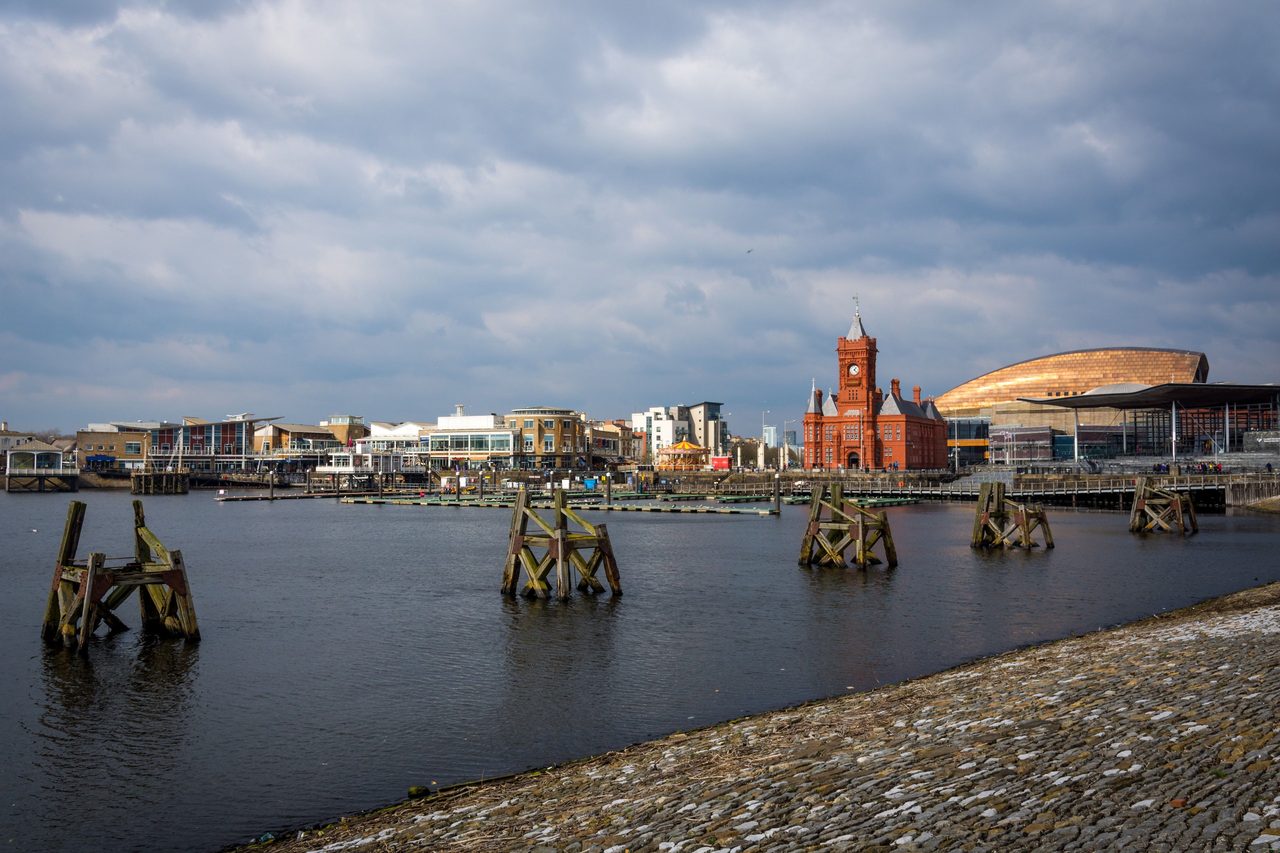
Top experiences include climbing or taking the mountain railway up Snowdon, visiting Caernarfon and Cardiff Castles, walking the Pembrokeshire Coast Path, exploring Cardiff Bay, and experiencing the National Eisteddfod cultural festival.
How do I get around Wales?
Transport for Wales trains connect main towns. TrawsCymru long-distance buses reach rural areas. A hire car is highly recommended for exploring Snowdonia, Pembrokeshire, and the Brecon Beacons. Cardiff has good local buses and a city centre that is walkable.